





German Cabinet
When you search for a german antique cabinet, you find substantial case furniture alongside delicate porcelain display pieces originating from Central Europe.
German Cabinet
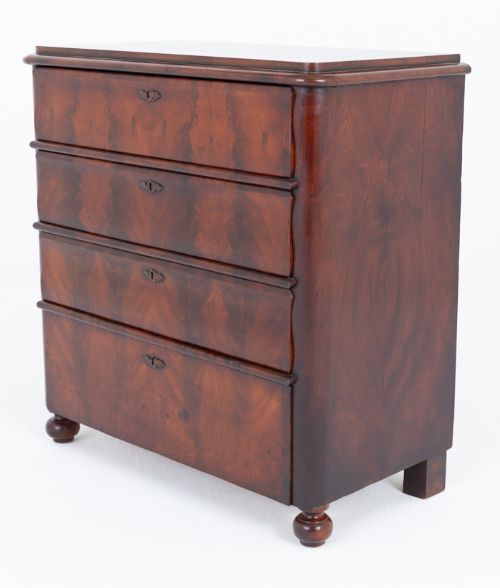
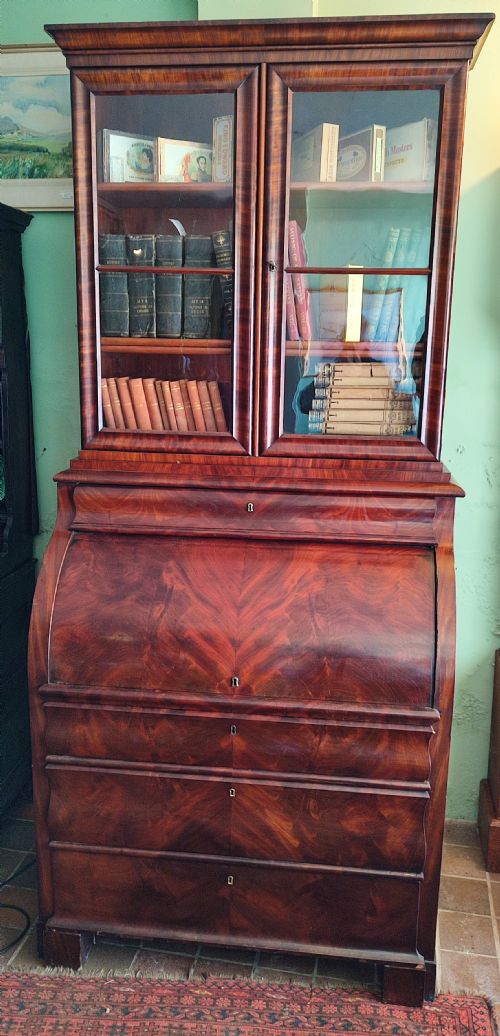
A german antique cabinet encompasses substantial case furniture such as walnut bureau bookcases, mahogany side cabinets, and inlaid table pieces alongside delicate porcelain cabinet cups and plates.
The material record spans centuries from the seventeen hundreds through the Victorian era, showing distinct regional traditions in both woodwork and hard-paste ceramics.
Buyers encounter domestic storage forms like escritoires and armoires alongside porcelain presentation items bearing topographical or floral paintings.
How they were made
Cabinetmakers utilised dense timbers like walnut, mahogany, and oak, often incorporating intricate marquetry and structural veneers to form bureaus and side cabinets.
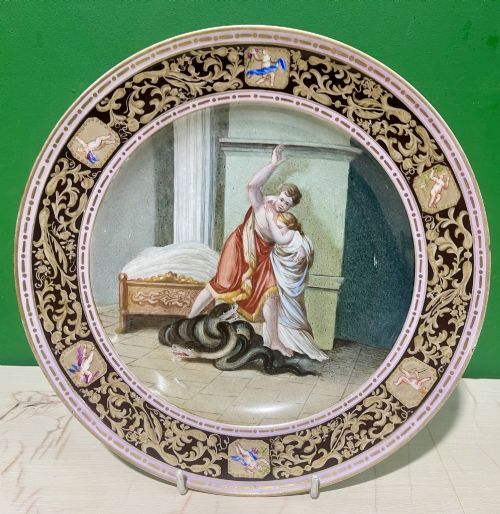
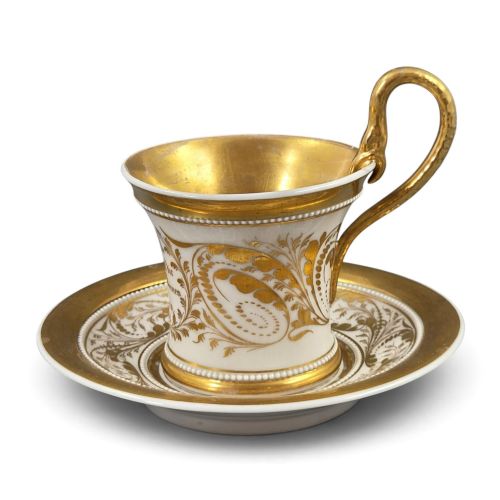
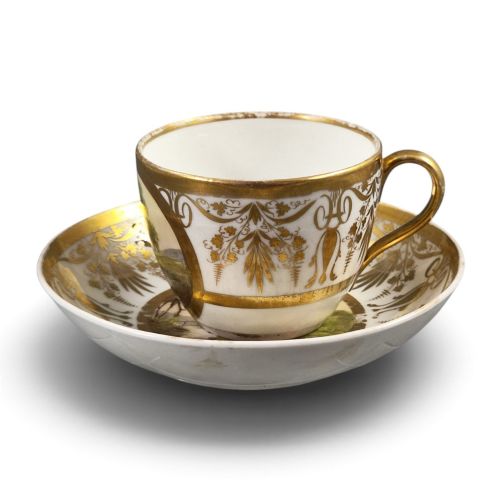
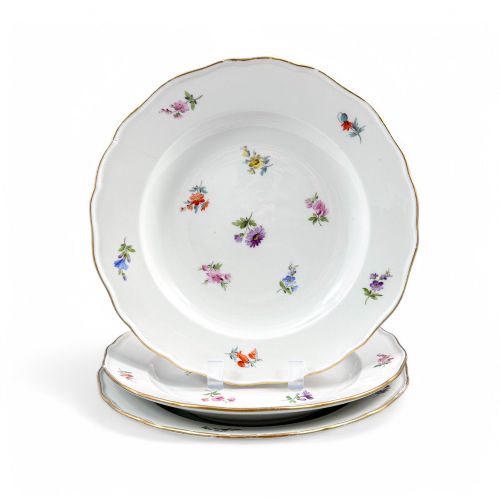
Ceramic pieces rely on hard-paste porcelain painted with enamel colours, frequently heightened with gold leaf and gilding by skilled hands at manufactories.
Joinery techniques range from heavy solid oak construction in early pieces to refined ebonised birch and polished mahogany in later Biedermeier examples.
German Cabinet Retail Price Guide 2026
Typical asking prices for german cabinet among the pieces listed under this phrase on Sellingantiques today, from the lower quarter to the upper quarter. They describe what is for sale here now, not the wider market.
One heavily carved oak bookcase cabinet carries later sign-writing advertising a local beer keller.
What varies in quality
The standard of execution depends on the precision of the cabinetmaker's marquetry and the architectural proportion of the timber frame, distinguishing workshop output.
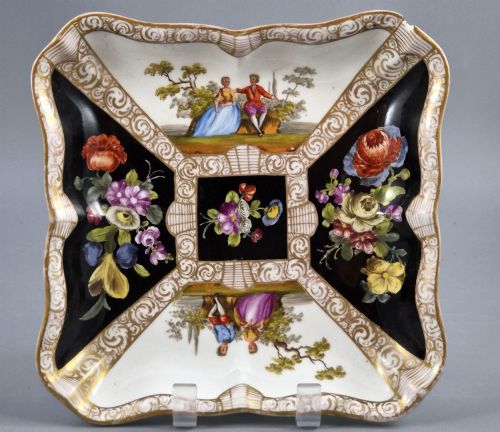
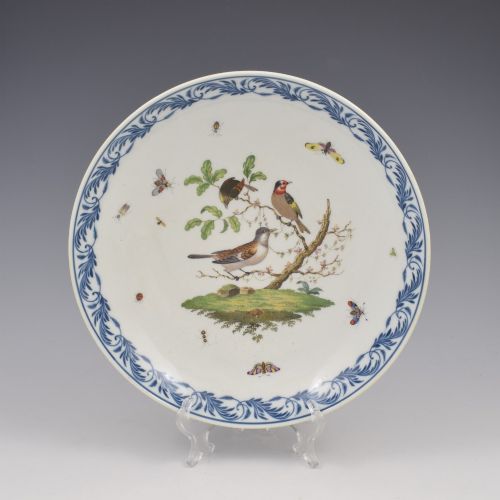
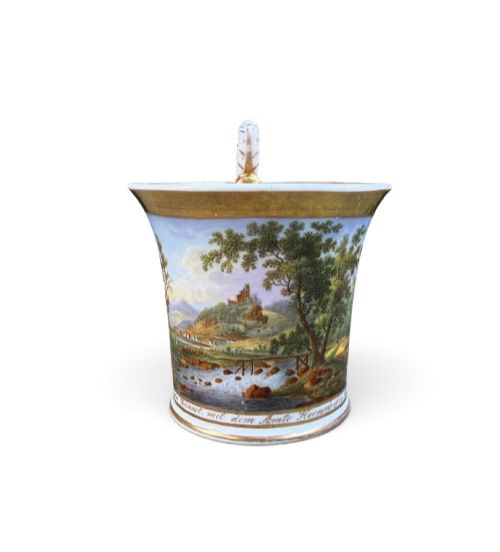
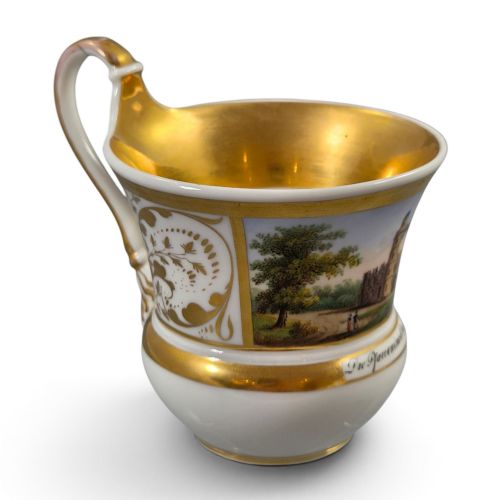
On porcelain items, the crispness of hand-painted landscapes, Watteau scenes, and bird decoration separates mass production from master-painted presentation pieces.
Meissen·KPM Berlin·Simon Troger·Furstenberg·Lochmanns·Helena Wolfsohn
The German Cabinet Glossary
- Biedermeier
- A style spanning the nineteenth century favouring clean architectural lines and figured mahogany or birch veneers without excessive ornament.
- Hard-paste porcelain
- A durable ceramic paste fired at high temperatures, utilised extensively by Central European manufactories for painted plates and cabinet cups.
- Marquetry
- The art of applying decorative pieces of veneer to a structure to form intricate geometric or pictorial patterns.
- Escritoire
- A writing cabinet featuring a fall-front flap that conceals inner compartments and drawers for correspondence.
German Cabinet: Frequently Asked Questions
What periods do these cabinets and porcelain pieces span?
The listings encompass items produced from the seventeenth century through the Victorian period and into the early twentieth century.
This broad chronological range includes seventeenth-century marquetry table cabinets, eighteenth-century walnut bureau bookcases, and nineteenth-century Biedermeier furniture alongside porcelain cups.
What materials were used for these porcelain items?
Makers utilised hard-paste porcelain decorated with enamel paint, gold leaf, and gilding to create cabinet plates and presentation cups.
Many examples feature hand-painted topographical scenes, exotic birds, or floral motifs applied by specialist painters.
How were bureau bookcases used historically?
Bureau bookcases combined a slant-front desk workspace with enclosed upper shelving for storing books and valuable documents.
They served as functional writing furniture and display spaces within grand domestic interiors.