

Georgian Worcester China
Georgian Worcester china brings together delicate eighteenth-century blue and white tea wares and bold Regency services painted by hand for the grandest dining rooms.
Georgian Worcester China
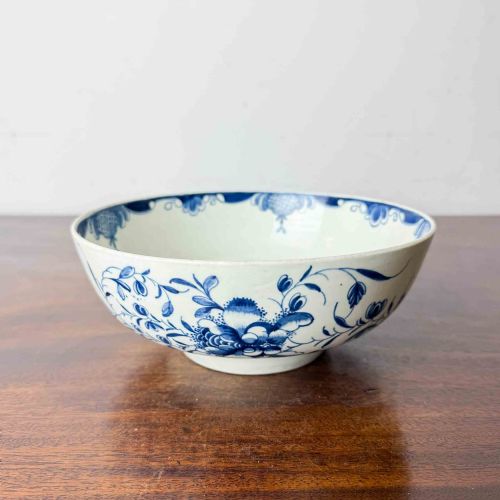
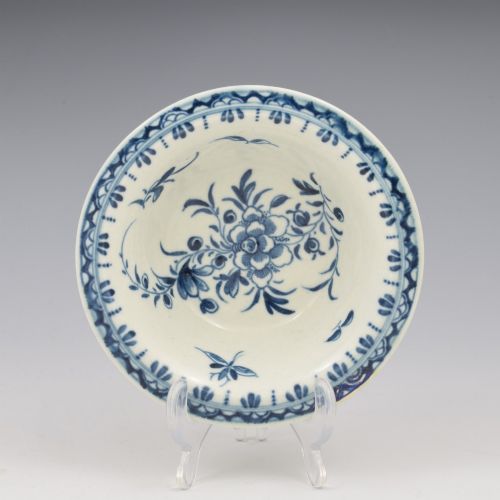
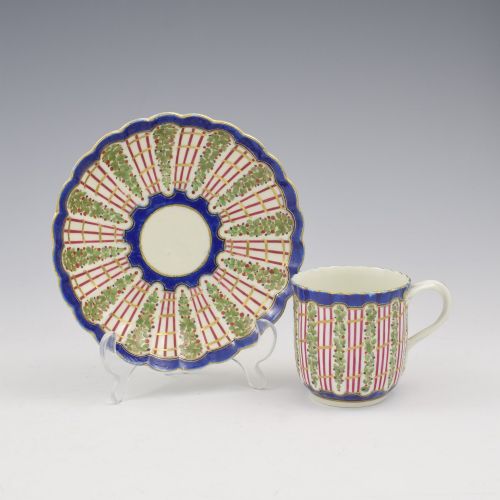
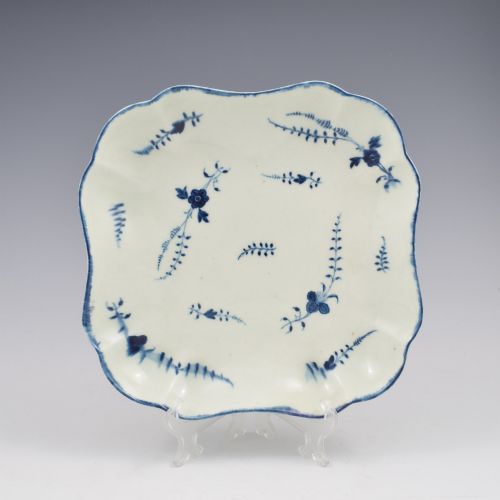
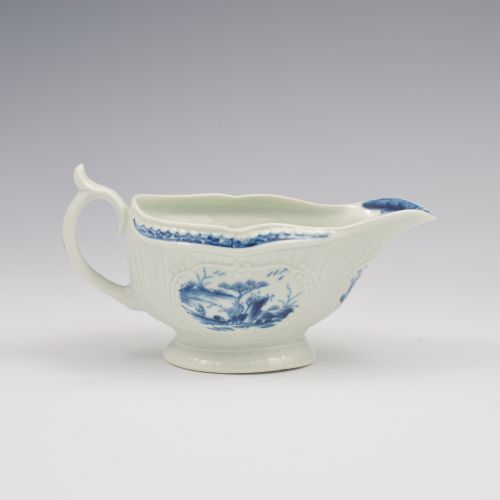
When you search for georgian worcester china, you encounter tea bowls, slop bowls, sauce boats, and dessert services produced in Worcestershire from the mid-eighteenth century through the early nineteenth century. The selection ranges from early Dr Wall period blue and white porcelain to elaborate Regency wares created by successors such as Flight, Barr and Barr and Chamberlain.
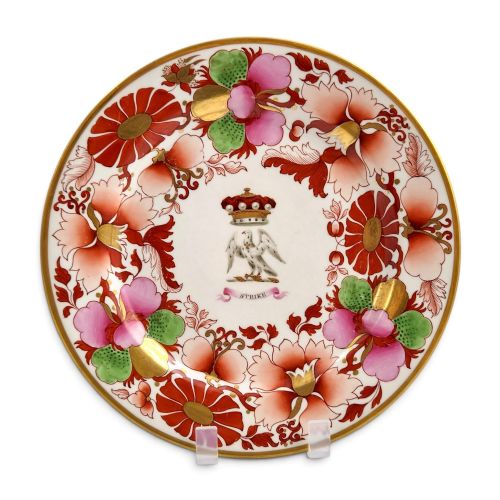
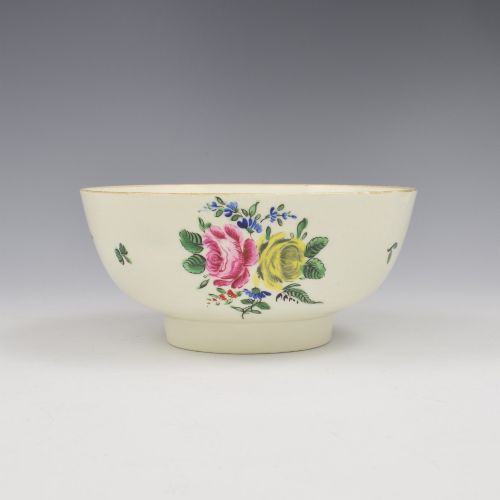
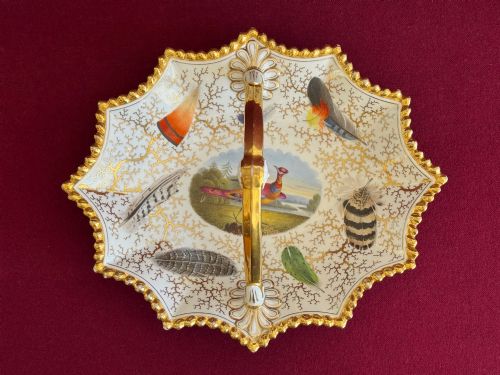
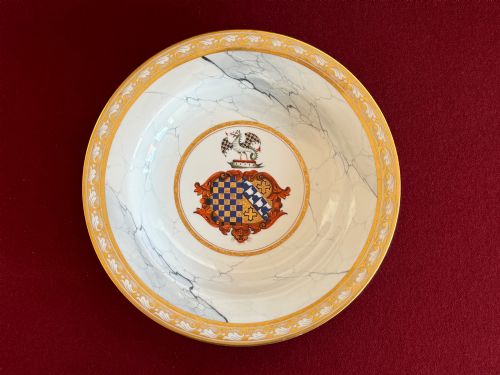
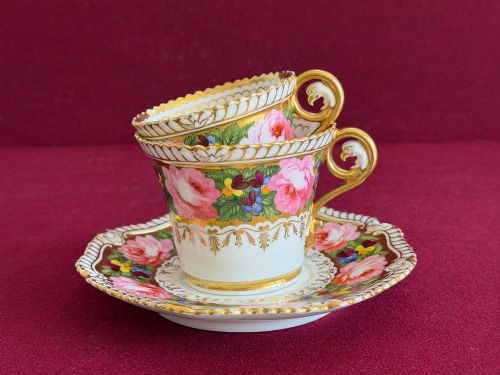
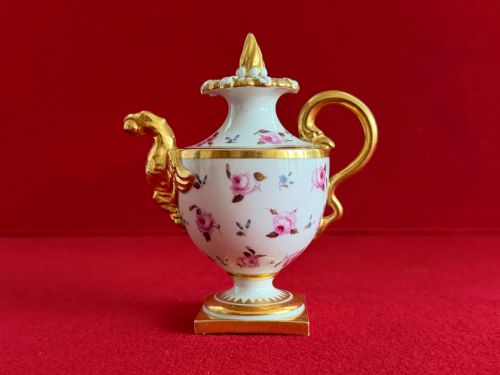
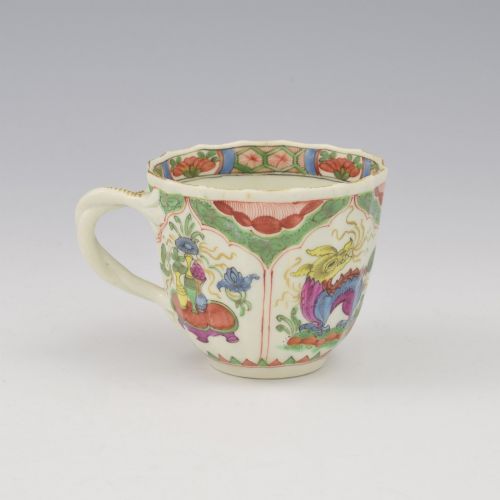
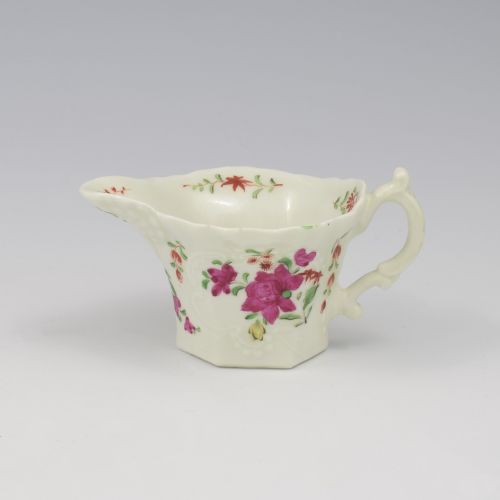
You meet delicate teacups and saucers decorated with Chinese figures or floral sprays alongside heavy armorial plates and baskets featuring rich gilding. The pieces span the transition from rococo curves and chinoiserie motifs to neoclassical and Regency styles of the nineteenth century.
Materials and production methods
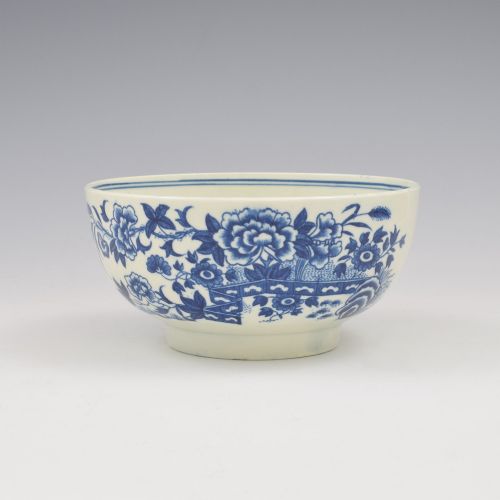
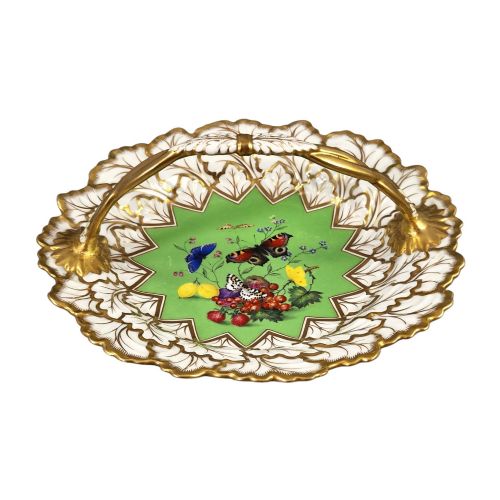
Potters shaped these vessels using soft-paste porcelain and standard porcelain bodies, applying cobalt glaze under the high heat of the kiln for deep blue designs. Artisans built intricate chestnut baskets and pierced dishes through meticulous hand-moulding and cutting before glazing.
Painters finished the pieces using handpainted enamel colours, delicate gilding, and gold leaf applied over the finished glaze. Workshops employed specialised decorators to execute complex patterns like the dragon in compartments or precise topographical scenes.
Georgian Worcester China Retail Price Guide 2026
Typical asking prices for georgian worcester china among the pieces listed under this phrase on Sellingantiques today, from the lower quarter to the upper quarter. They describe what is for sale here now, not the wider market.
The inventory records both utilitarian vessels like sauce boats and decorative items including chestnut baskets and rose water sprinklers.
Judging quality and execution
The distinction between standard commercial output and the finest factory productions rests on the ambition and precision of the painting. Pieces from major named periods display crisp underglaze cobalt lines or meticulously detailed polychrome enamel work by master hands, whereas simpler wares rely on repetitive transfer printing or basic washes.
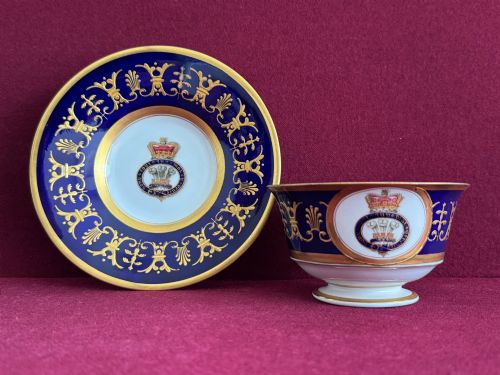
The weight of the porcelain body and the crispness of moulded details such as basketweave borders or fluting signal the care taken at the bench. High-tier dessert services and armorial plates demonstrate richer applications of gold leaf and more complex subject matter than everyday domestic items.
Dr Wall·Flight Barr and Barr·Chamberlain Worcester·Grainger Lee and Co
The Georgian Worcester China Glossary
- Dr Wall Period
- The initial phase of Worcester porcelain production, lasting from 1751 until 1783 under the direction of Dr John Wall. Pieces from this era often feature soft-paste bodies and delicate blue and white painting.
- Soft-paste Porcelain
- An artificial ceramic body composed of white clay and glass frit, fired at lower temperatures than hard-paste porcelain. This material produces a warm, creamy translucency typical of early English wares.
- Cobalt Glaze
- A metallic oxide pigment applied beneath the glaze to create rich blue tones during the firing process. It remains stable at high kiln temperatures, producing the deep blues seen on eighteenth-century tea wares.
- Chinoiserie
- A European decorative style imitating Chinese artistic traditions, popular throughout the Georgian period. Worcester painters frequently employed these fanciful motifs on tea bowls and sauce boats.
- Armorial
- A term describing ceramics painted with a family crest, coat of arms, or heraldic motto. These bespoke services were commissioned by wealthy patrons during the Georgian and Regency eras.
Georgian Worcester China: Frequently Asked Questions
How do I identify Dr Wall period pieces?
Dr Wall period items generally date between 1751 and 1783, displaying characteristic soft-paste porcelain bodies with subtle flaws or glaze pooling near the foot rim. Look for early blue and white transfer printing or handpainted Chinese figures typical of this foundational era.
These pieces often feature crescent or disguised numeral marks on the underside, though many early items remain unmarked. The warmth of the paste and the depth of the cobalt underglaze provide the surest indicators of this eighteenth-century origin.
What is the difference between Flight and Chamberlain wares?
Flight and Barr concerns represent the official continuation of the original Worcester factory under royal patronage, producing neoclassical and Regency designs with formal armorials and topographical views. Their porcelain often bears impressed or painted factory marks naming the various partnerships.
Chamberlain operated a competing Worcester factory that focused on richly coloured and heavily gilded dessert services, often featuring exotic patterns like the Jabberwocky. Chamberlain pieces typically exhibit a distinctively opulent Regency palette distinct from earlier blue and white domestic wares.
How were slop bowls used in Georgian dining?
Slop bowls served as a receptacle for dregs of cold tea and spent tea leaves before the host poured a fresh cup from the teapot. Guests emptied their cups into these large bowls during formal tea service.
These vessels are among the most generously proportioned hollowware items from the period, often matching the pattern of the accompanying tea bowls and saucers.