





Georgian Wooden Wine Caddy
A georgian wooden wine caddy is a robust container built to hold bottles safely at table, prized for rich timbers and precise proportions.
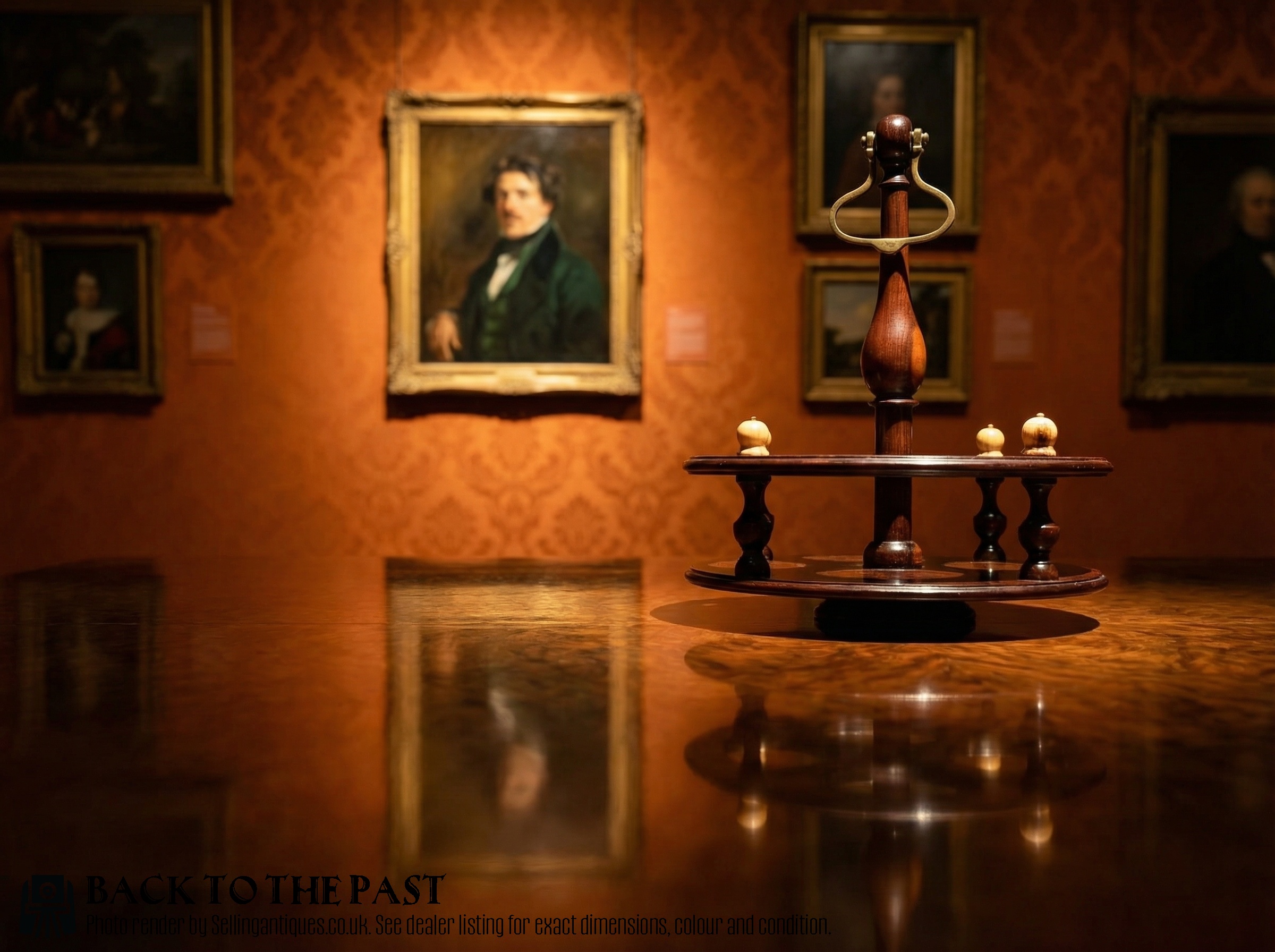
Georgian Wooden Wine Caddy
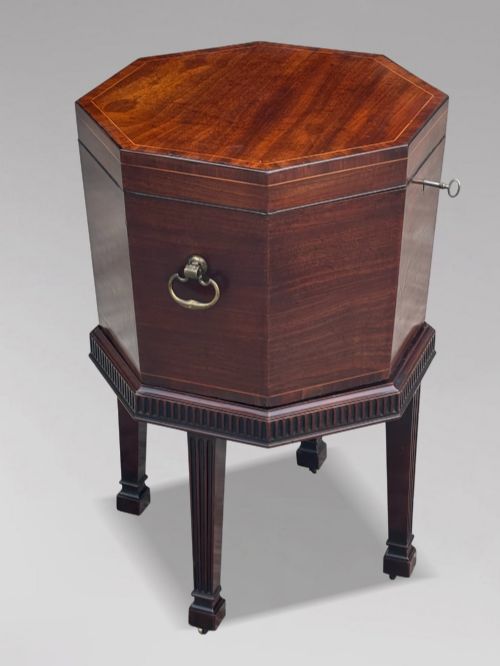
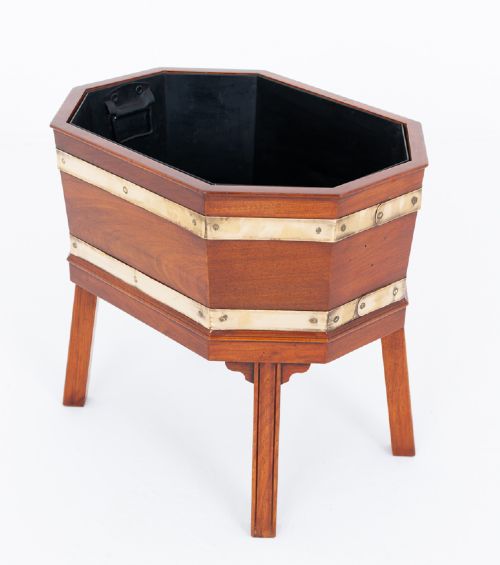
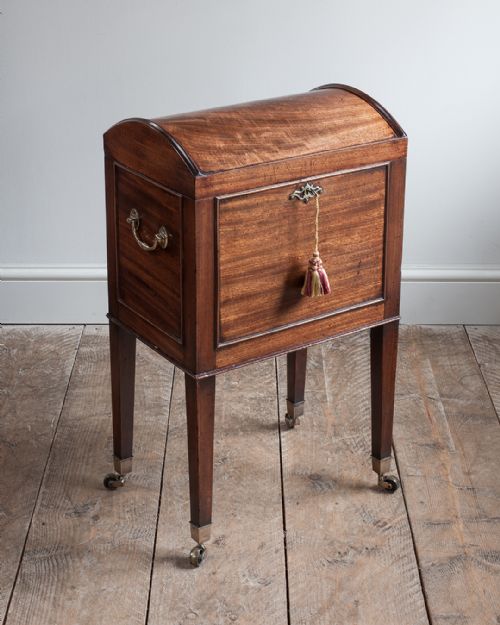
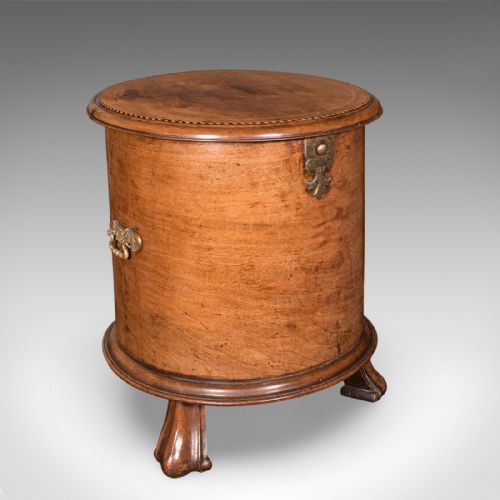
A georgian wooden wine caddy encompasses cellarettes, wine coolers, decanter stands, and bottle carriers designed for dining rooms of the period. The listings here show a heavy concentration of mahogany sarcophagus shapes, alongside freestanding coasters, box cellarettes, and smaller two or four bottle carriers.
Most examples date across the Georgian and Regency eras, though revival pieces from later decades also appear. Buyers will encounter substantial lidded boxes on feet as well as open bottle holders utilised for serving.
Materials and construction
Makers relied primarily on mahogany, walnut, satinwood, and figured elm to build these vessels, often employing wood inlay to accent the surfaces. Brass mountings, handles, and bands provided structural reinforcement and contrast against the dark timber.
Internal divisions, bone details, and metal linings were integrated to separate glass bottles and manage ice or moisture. Joinery relied on solid cabinet-making traditions to support the weight of filled glass vessels.
Georgian Wooden Wine Caddy Retail Price Guide 2026
Typical asking prices for georgian wooden wine caddy among the pieces listed under this phrase on Sellingantiques today, from the lower quarter to the upper quarter. They describe what is for sale here now, not the wider market.
Periods represented span from the eighteenth century through the Regency era to later revival pieces from the early twentieth century.
Judging the standard
Quality rests on the choice of timber, with finely figured mahogany or satinwood marking out superior items from plain utility pieces. The crispness of carved details, the integrity of brass bindings, and the survival of original feet or mounts define the better examples.
Proportion and execution distinguish standard workshop output from exceptional cabinet work. Well-fitted interiors and intact dividers elevate a piece significantly.
The Georgian Wooden Wine Caddy Glossary
- Cellarette
- A box, chest or freestanding cooler designed to hold wine bottles near the dining table. They frequently feature internal divisions or lead linings.
- Sarcophagus
- A monumental container shape featuring a domed lid and tapered sides, popular during the Regency period. This form mimics ancient stone tombs on a domestic scale.
- Coaster
- A small stand or bottle holder, sometimes fitted with wheels or handles, used to circulate bottles across the table. They protect polished dining surfaces from drips and rings.
- Inlay
- The technique of fitting contrasting pieces of wood into a recessed surface to form decorative patterns. Satinwood and darker timbers were often paired in this manner.
- Jardiniere
- An ornamental pot or stand intended to hold plants or flowers, occasionally adapted from wine cooling forms. They share similar watertight linings and wooden construction.
Georgian Wooden Wine Caddy: Frequently Asked Questions
What is a georgian wooden wine caddy used for?
These vessels held wine bottles and decanters securely in the dining room, often keeping them cool with ice.
They stood beside the dining table so hosts could serve guests without constantly visiting the cellar.
How do I tell a cellarette from a wine cooler?
The terms are often used interchangeably in the trade to describe bottle storage furniture.
Traditionally, cellarettes are enclosed boxes with lids, while coolers may be open stands or feature metal liners for ice.
Where were wine caddies placed in a room?
They sat directly on the floor beneath sideboard tables or stood freestanding near the dining furniture.
Smaller bottle carriers and coasters rested on the dining table itself for easy circulation.
How do I clean wooden wine caddies?
Dust regularly with a dry cloth and feed the timber occasionally with appropriate beeswax to maintain the finish.
Avoid excess water, especially on antique metal linings and unsealed interior woods.