

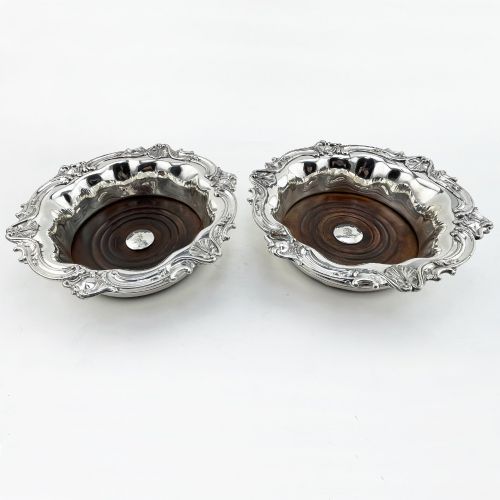
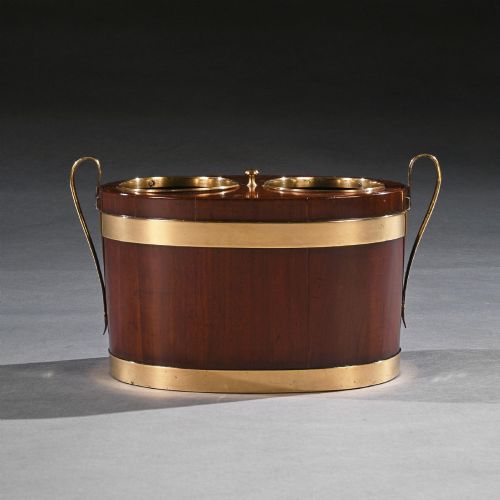


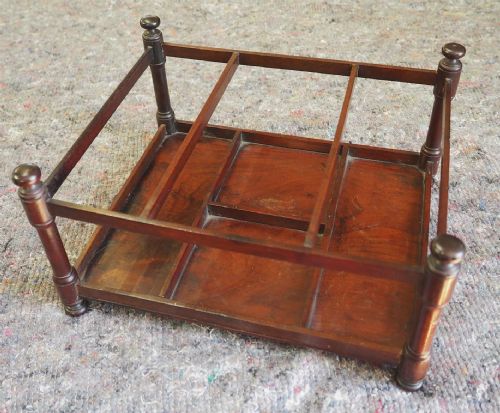


Georgian Mahogany Wine Holder
A georgian mahogany wine holder brings tactile warmth to the table, combining rich timber with metal mounts for service.
Georgian Mahogany Wine Holder
A georgian mahogany wine holder encompasses table wine coolers, bottle carriers, cellarets, and decanter stands from the eighteenth and nineteenth centuries. Buyers searching this phrase encounter substantial timber forms fashioned for holding bottles securely during dining.
The objects span periods from the mid-eighteenth century through to the Regency era, alongside later revival pieces. Forms range from oval table wine coolers and four-section bottle caddies to coopered planters and bucket designs.
Mahogany dominates the selection, frequently paired with brass bands, ormolu mounts, or walnut veneers. These functional accessories reflect the entertaining habits of past centuries, repurposed today for display or interior planting.
Materials and Construction
Cabinetmakers utilised dense mahogany timber, selected for its rich grain and durability, often constructing pieces through traditional joinery or coopered stave techniques. Metal components, particularly brass bands, ormolu mounts, and carrying handles, were integrated to reinforce the wooden structures and provide functional contrast.
Surface finishing relied on natural polishes that emphasised the depth of the wood, whilst decorative elements such as spindle galleries and box tree details added refinement. Craftsmanship prioritised structural integrity to support the weight of liquid-filled glass bottles.
Georgian Mahogany Wine Holder Retail Price Guide 2026
Typical asking prices for georgian mahogany wine holder among the pieces listed under this phrase on Sellingantiques today, from the lower quarter to the upper quarter. They describe what is for sale here now, not the wider market.
Listings feature georgian mahogany wine holders paired with brass, ormolu, and old sheffield plate across the eighteenth and nineteenth centuries.
Factors of Quality
Quality rests in the selection of the mahogany timber and the crispness of any applied brass or ormolu mounts. Superior examples display thoughtful proportions, integrated handles, and meticulous joinery that withstands heavy daily use.
Pieces featuring period-appropriate metalwork and intact internal dividers command greater interest than heavily altered examples. The integrity of the cooperage and the richness of the wood patina distinguish finer specimens from standard utility items.
The Georgian Mahogany Wine Holder Glossary
- Cellaret
- A lockable container used for storing bottles of wine beneath the dining table or sideboard. These substantial pieces often feature metal liners and sturdy carrying handles.
- Ormolu
- Gilt bronze ornamentation applied to furniture and decorative objects during the eighteenth and nineteenth centuries. This decorative technique provides a bright metallic contrast against dark timber surfaces.
- Old Sheffield Plate
- A composite material formed by fusing a thin sheet of silver to a thicker copper base, common in dining accessories before electroplating. This method creates characteristic warm tones where the underlying copper shows through wear.
- Coopered
- Constructed using shaped wooden staves bound together with metal hoops, much like a traditional barrel. This technique provides exceptional strength for holding heavy vessels.
Georgian Mahogany Wine Holder: Frequently Asked Questions
How do I care for mahogany?
Mahogany requires minimal maintenance beyond regular dusting with a soft, dry cloth to protect the surface finish. Avoid placing timber pieces in direct sunlight or near heat sources to prevent the wood from drying out.
Applying a traditional beeswax polish occasionally helps nourish the grain and maintain a natural sheen. Ensure any metal mounts remain dry during routine cleaning to prevent tarnishing.
Can these holders be used for plants?
Many larger wine holders and cellarets function successfully as planters or jardinières for indoor greenery. Their deep wooden vessels and water-resistant linings make them suitable for housing potted plants.
When using them for horticulture, ensure proper drainage protection is placed inside to safeguard the historic timber from moisture damage. This traditional repurposing suits both coopered buckets and oval table coolers.
How do I date a wine holder?
Dating relies on observing construction methods, timber characteristics, and the style of any brass hardware or mounts. Georgian pieces from the eighteenth century typically exhibit hand-cut joinery and heavy brass carrying rings.
Later Regency examples introduce refined details like ormolu mounts, spindle galleries, and lighter proportions. Comparing the form and materials to documented period pieces helps establish an approximate decade of origin.