
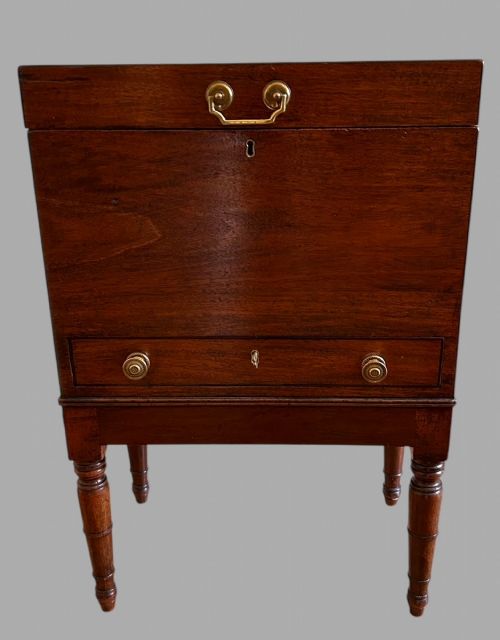
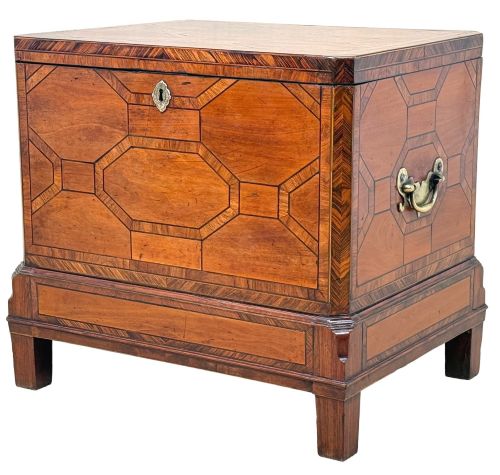
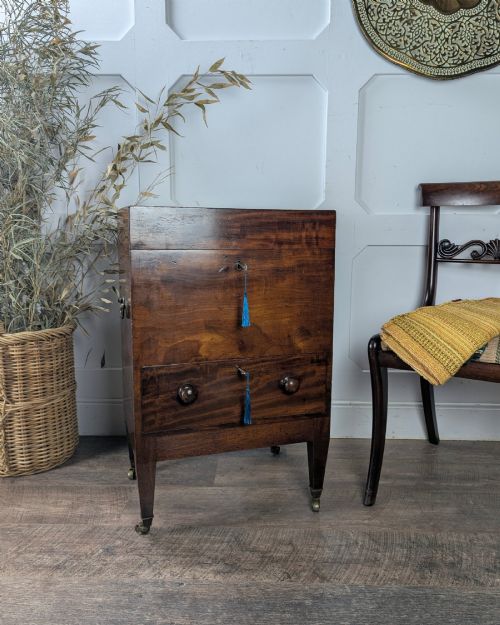
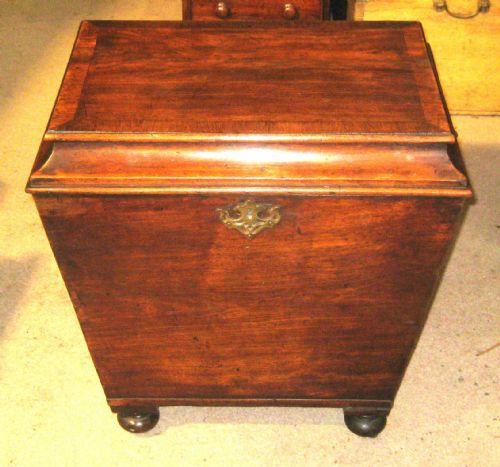





Georgian Wooden Wine Box
A georgian wooden wine box is a sturdy cellar vessel built to keep bottles secure and cool.
Georgian Wooden Wine Box
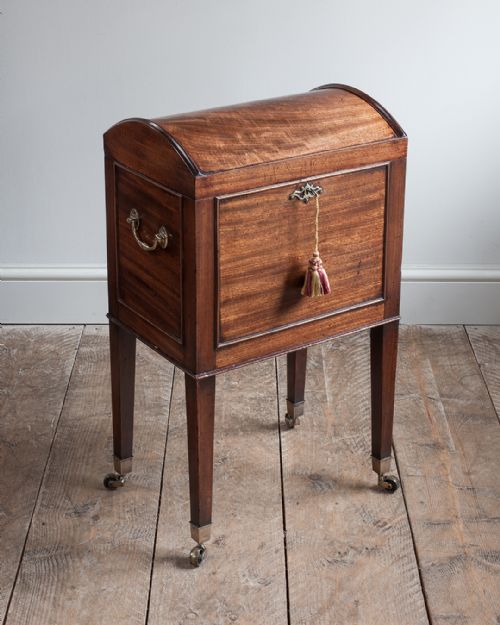
A georgian wooden wine box functions primarily to store and cool wine bottles within a dining space or parlour. These pieces span specific historical periods, appearing frequently in forms such as cellarettes, wine coolers, and bottle carriers.
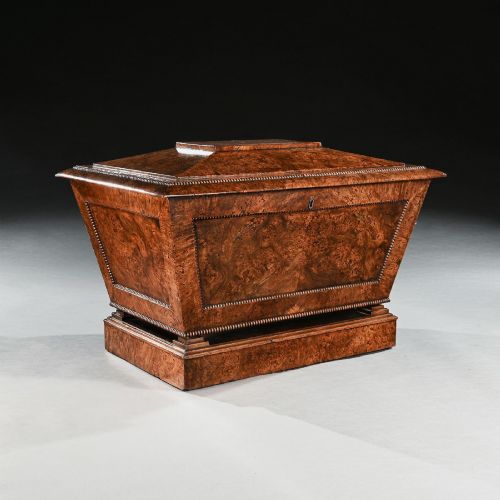
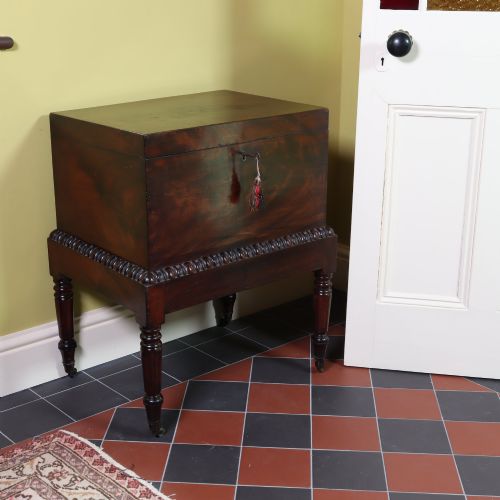
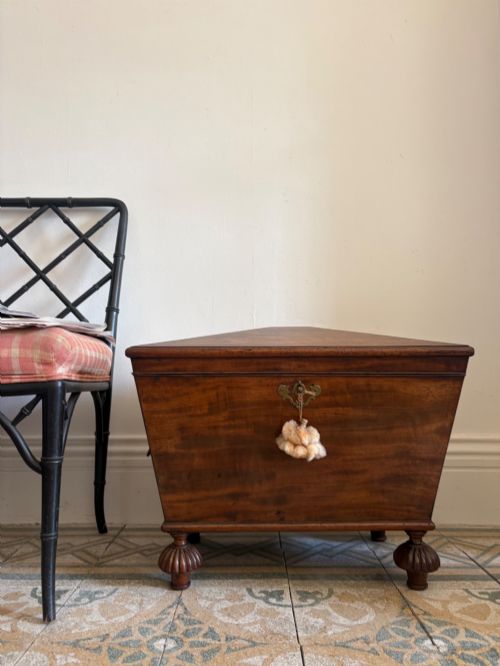
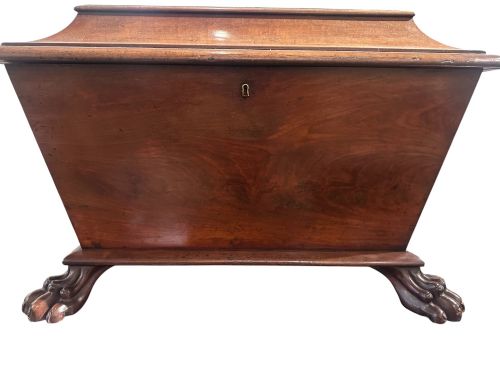
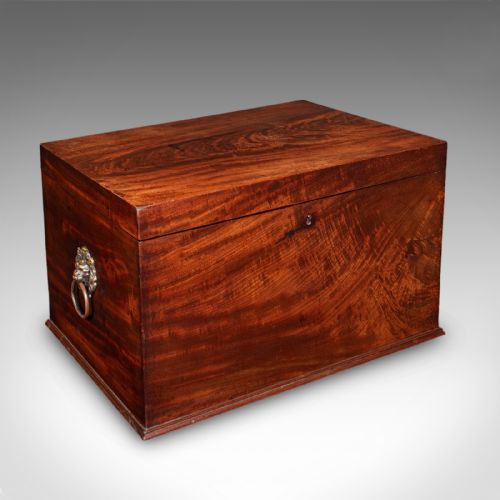
Mahogany dominates the surviving inventory, often shaped into sarcophagus forms or rectangular box configurations dating from the eighteenth and early nineteenth centuries. Buyers frequently encounter examples featuring hinged lids, internal divisions, and occasional brass fittings.
The typology includes both freestanding cellar chests on feet and smaller table companions meant for portable bottle storage. Regional variations, such as Irish interpretations, introduce distinct structural flourishes like paw feet.
Materials and construction
Cabinet makers relied heavily on dense timbers like mahogany, walnut, and pollard oak to construct these robust boxes. Selected pieces incorporate decorative accents such as satinwood, boxwood inlay, and ormolu mounts to enhance the exterior surfaces.
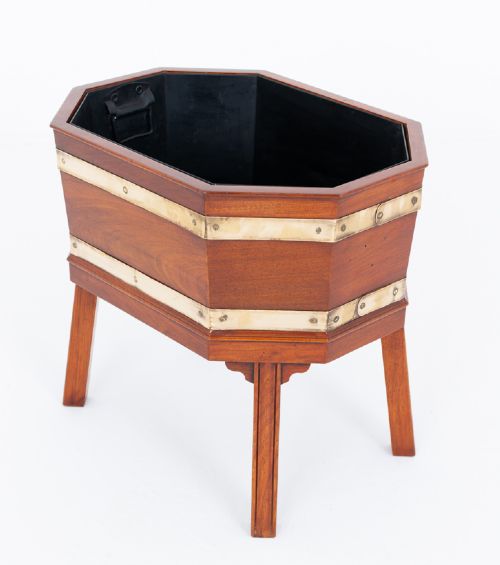
Interior architecture typically involves fitted compartments designed to hold individual glass bottles securely in place during transport or storage. Lead linings frequently appear within the cooler variants to manage melting ice or temperature regulation.
Joinery methods reflect the cabinet-making standards of the Georgian and Regency eras, ensuring structural endurance across centuries of use. External hardware, including brass carrying handles and bracket feet, receives careful integration into the wooden framework.
Listings feature mahogany predominantly, alongside alternative timbers like pollard oak, walnut, and satinwood across the eighteenth and nineteenth centuries.
Assessing quality
The distinction between standard containers and superior examples rests upon timber selection and figure prominence. Flame mahogany veneers and highly figured pollard oak elevate the visual depth of a piece significantly beyond plain boards.
Original hardware integrity and internal lead lining preservation dictate the authenticity and execution standard of the object. Master carpentry shows in tight dovetail joints, precise inlay work, and balanced proportions across sarcophagus bodies.
Design sophistication separates basic utility boxes from high-style workshop output influenced by period taste. Finer items exhibit refined carved details, matched veneers, and substantial brass mounts rather than rudimentary fastenings.
Gillingtons
The Georgian Wooden Wine Box Glossary
- Cellarette
- A lockable container or chest designed for storing wine bottles near the dining table. They range from small tabletop boxes to large floor-standing sarcophagus coolers.
- Sarcophagus
- A coffin-like architectural shape with a domed lid and tapered sides, popular for Regency and Georgian wine coolers. This form allowed substantial internal capacity for ice and multiple bottles.
- Ornaments and Mounts
- Decorative metal elements fashioned from brass or ormolu applied to the exterior of wooden boxes. These components served both a functional lifting purpose and an aesthetic enhancement.
- Inlay
- A technique where contrasting woods such as satinwood or boxwood are inserted into recesses within the primary timber. This created geometric or pictorial borders on the lid and front panels.
- Lead Liner
- A protective internal metal sheet fitted inside wine coolers to hold melting ice and contain moisture. Original linings indicate the piece served its intended chilling function.
Georgian Wooden Wine Box: Frequently Asked Questions
What is a georgian wooden wine box used for?
These boxes served to store, protect, and chill wine bottles in the dining rooms of large houses. Servants would load them with ice and bottles before bringing them into the room for meals.
Over time, their roles expanded to general bottle storage and transport. Today, they function primarily as decorative furniture or alternative storage chests in modern homes.
How do I tell a Georgian box from a Regency one?
Georgian examples often favour simpler rectangular cabinet forms with straight lines and bracket feet. Mahogany remains the dominant timber, occasionally enhanced by delicate string inlay.
Regency pieces lean towards heavier, classical architectural motifs like the sarcophagus shape with paw feet. They make greater use of figured veneers and bold brass handles.
Did all of these boxes hold ice?
Not every box functioned as a cooler designed to hold ice. Simple bottle carriers and cellarets were built strictly for dry storage and safe transit of vintage port or spirits.
Pieces intended for cooling typically feature internal lead linings to manage melted ice water. These wet coolers required drainage spouts or frequent emptying by household staff.
How should I care for an antique wine box?
Keep the wood away from direct heat sources and drastic humidity shifts to prevent timber splitting. Regular gentle dusting and occasional application of appropriate wax maintain the finish.
Avoid placing damp items inside unless the original lining is fully intact and watertight. Treat the antique hinges and brass handles with care when opening the heavy lids.