
Georgian Wooden Storage Bureau
A georgian wooden storage bureau provides functional domestic storage through timber drawer arrangements spanning the eighteenth and nineteenth centuries.
Georgian Wooden Storage Bureau
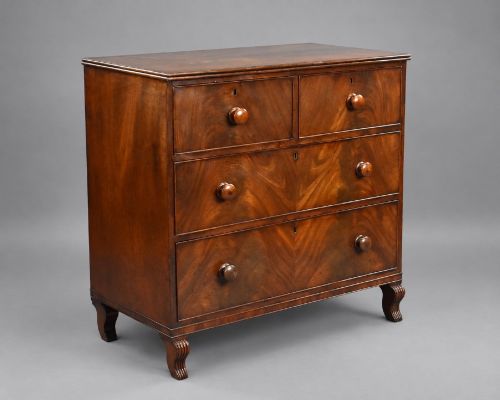
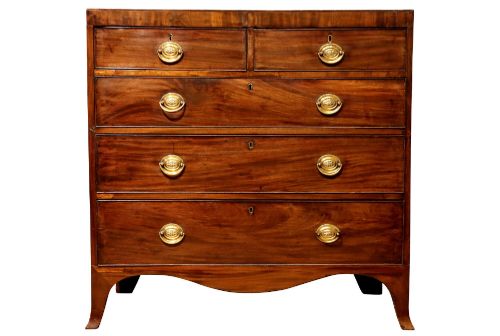
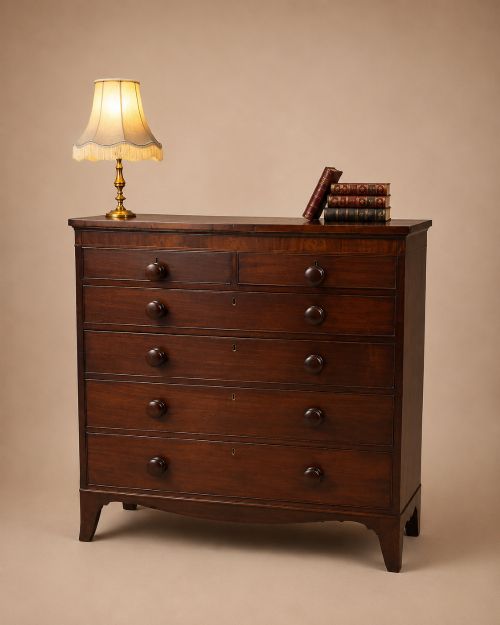
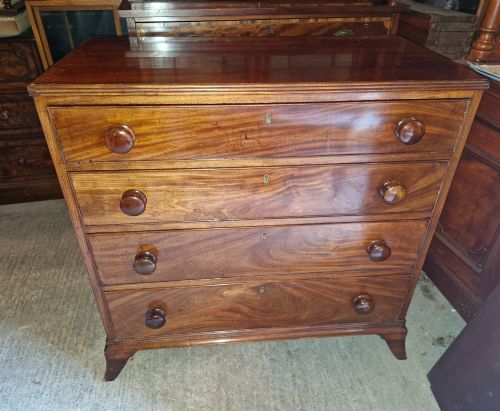
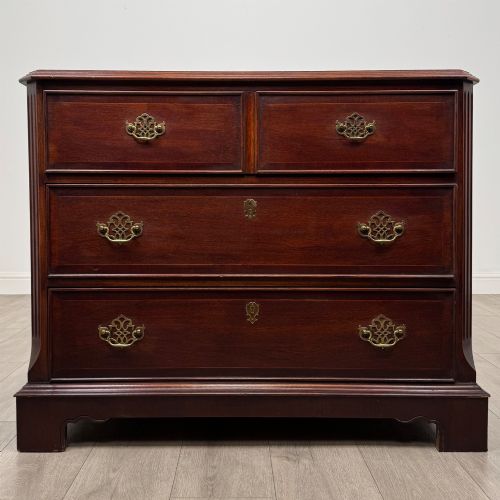
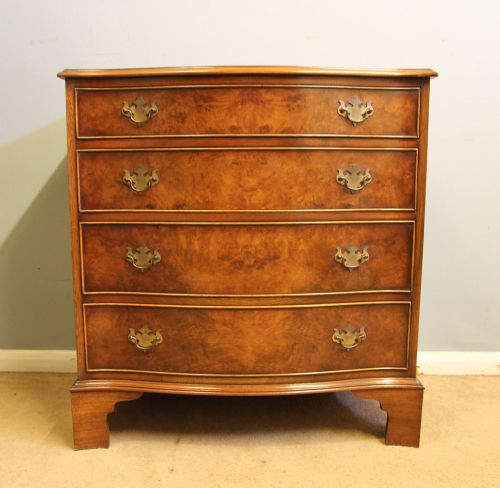
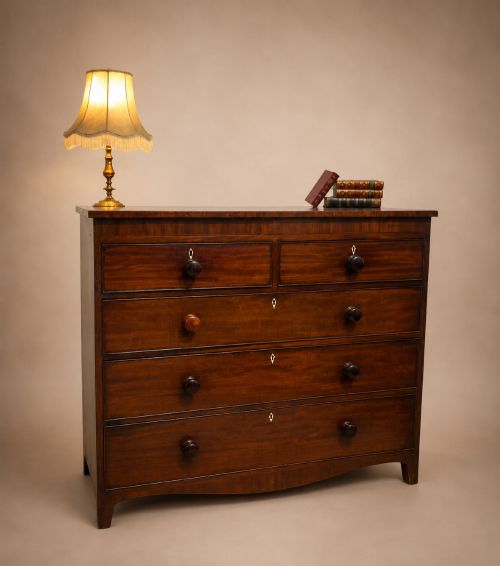
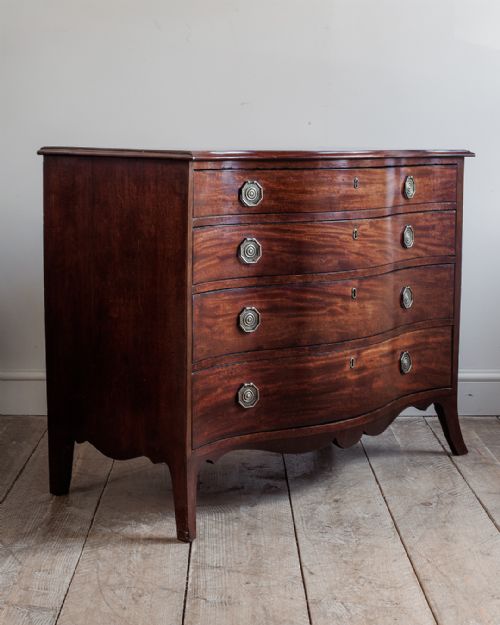
When searching for a georgian wooden storage bureau, buyers encounter various forms of timber drawer chests originating from the eighteenth and nineteenth centuries. The listings show pieces spanning the Georgian, Regency, and Victorian eras, alongside later revival examples.
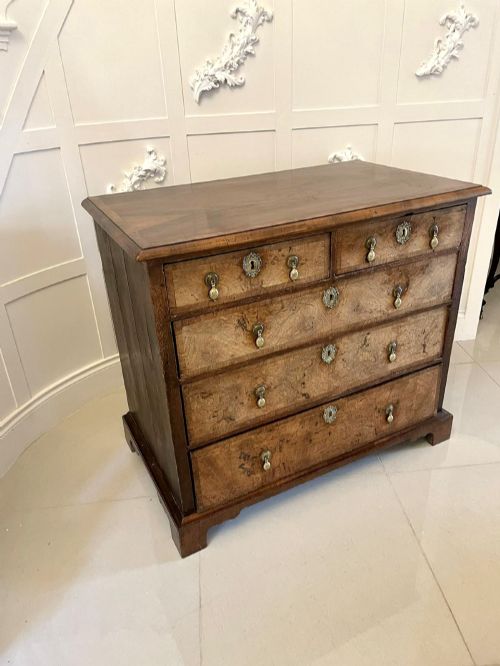
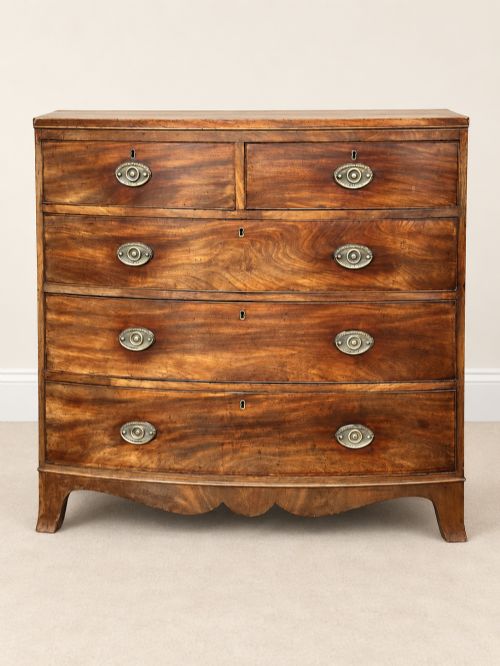
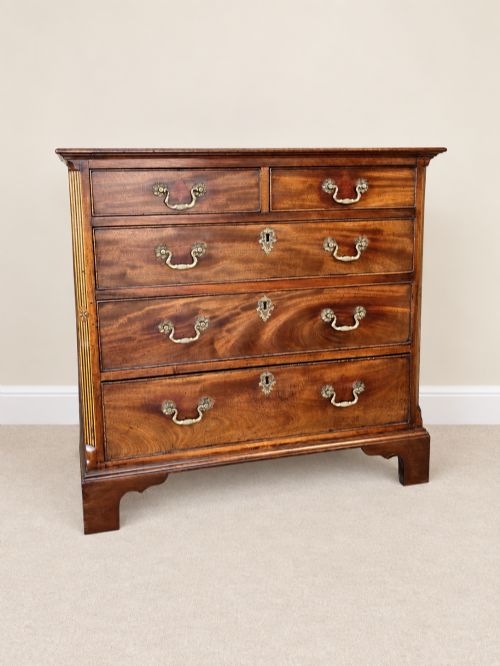
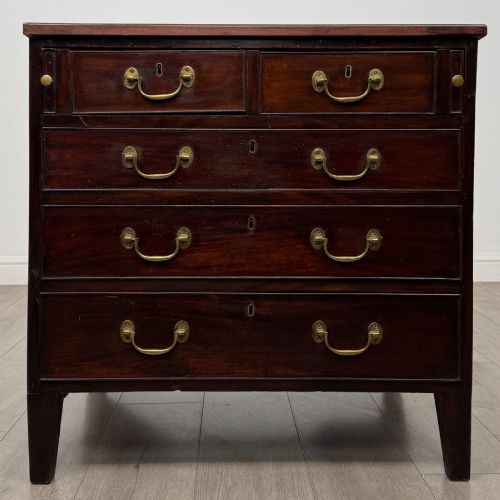
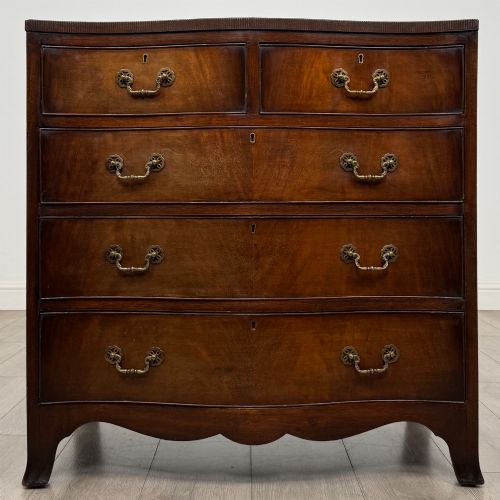
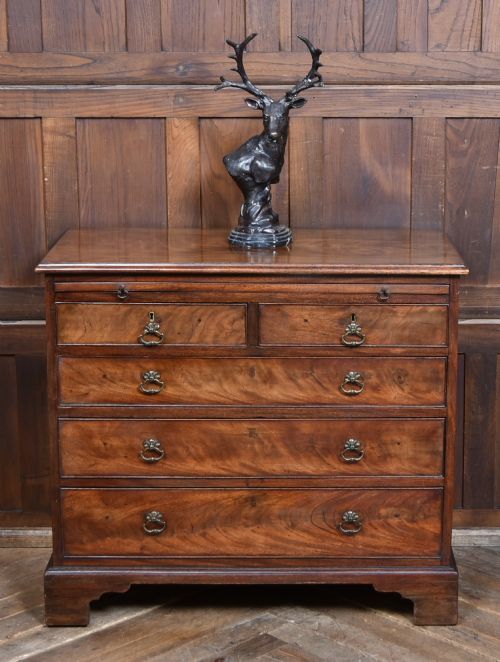
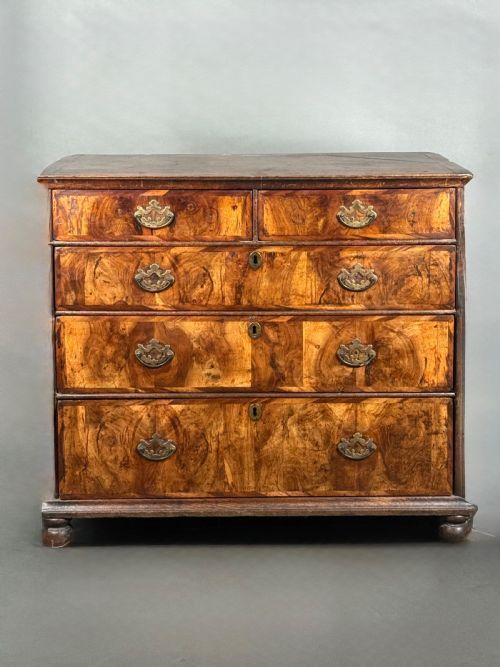
Mahogany and oak dominate the forms, frequently appearing in straight-fronted or bow-front configurations with multiple drawer heights. Walnut examples also feature prominently, particularly from earlier periods and later twentieth-century interpretations.
The selection ranges from George III and George IV pieces to twentieth-century reproductions, demonstrating the enduring utility of these timber storage units. Chests of drawers form the core of the available pieces on this page.
Materials and construction methods
Joiners built these storage pieces using solid hardwoods like oak and mahogany, often applying flame mahogany or burr walnut veneers to primary surfaces. Secondary timbers such as oak appeared internally for drawer linings.
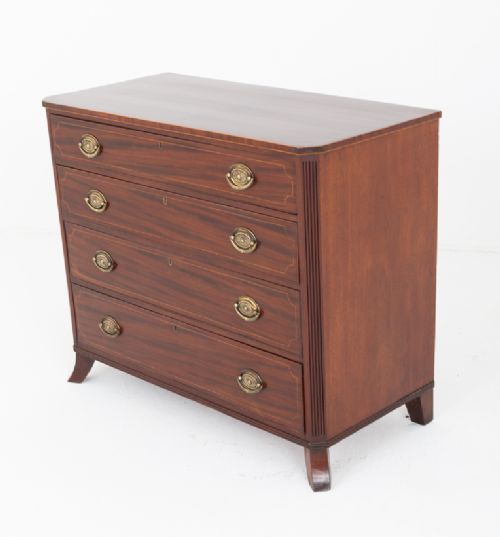
Surface decoration incorporated brass handles, boxwood and satinwood stringing, and feather-banded borders on walnut carcases. Painted pine surfaces also occur among the recorded materials.
A painted pine chest quietly slips into the mahogany lineup, reminding everyone that practicality once trumped prestige.
Distinctions in construction and timber grade
The choice of timber grain defines much of the visual distinction, with figured walnut, curl mahogany, and flame veneer marking out more ambitious cabinet work. Simpler straight-grained oak and plain mahogany represent the utilitarian end of domestic storage.
Refinement in drawer construction, such as oak linings and precise inlay work in boxwood and satinwood, separates standard workshop production from finer examples. Original brass hardware and well-executed serpentine or bow fronts further distinguish superior pieces.
The Georgian Wooden Storage Bureau Glossary
- Bow front
- A cabinet front that curves outward in a convex shape. This configuration appears frequently on Regency and George IV mahogany chests.
- Serpentine front
- A front contour characterised by a central convex curve flanked by concave sections. It appears on finer eighteenth-century and Lancashire pieces.
- Flame mahogany
- A veneer cut from timber where the branches join the trunk, creating a distinctive flame-like pattern. It is common on Regency storage pieces.
- Feather banding
- Narrow strips of veneer laid in a herringbone pattern around the borders of drawer fronts. This detail ornaments early walnut furniture.
- Stringing
- Thin lines of contrasting wood inlaid into the surface of a piece. Boxwood and satinwood often provide this linear contrast on mahogany.
Georgian Wooden Storage Bureau: Frequently Asked Questions
What periods do these storage pieces come from?
The inventory spans the eighteenth and nineteenth centuries, incorporating pieces from the Georgian, Regency, George III, and George IV eras.
Later interpretations also appear from the early twentieth century, including revival styles and 1920s cabinet work.
Which woods were used to build them?
Mahogany and oak form the primary structural materials, supplemented by walnut, boxwood, and satinwood for decorative veneers and stringing.
Brass hardware and bone details provide operational and decorative accents across the various pieces.
How do straight fronts differ from bow fronts?
Straight-fronted chests offer a flat elevation across the width of the drawers, representing a standard domestic storage format.
Bow-front and serpentine configurations introduce curved profiles that require advanced joinery and more carefully selected timber veneers.
Where were these pieces made?
English workshops produced the majority of the recorded pieces, with specific regional variations such as Scottish and Channel Islands examples.
Twentieth-century American production in mahogany also contributes to the wider selection of storage furniture.