



Georgian Wooden Spice Container
A georgian wooden spice container brings tactile warmth to any room, offering ingenious multi-tiered storage carved from boxwood, fruitwood, and oak.
Georgian Wooden Spice Container
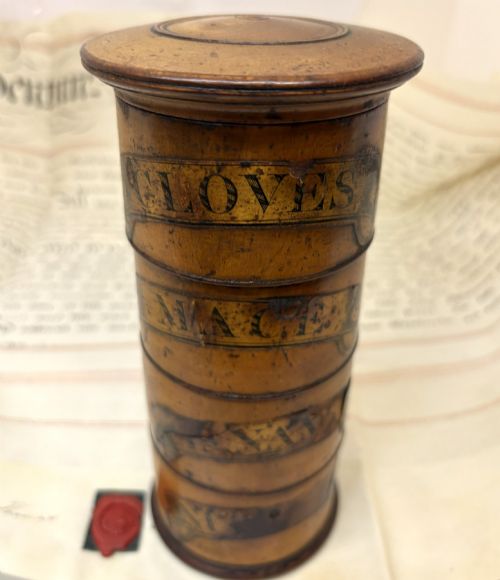
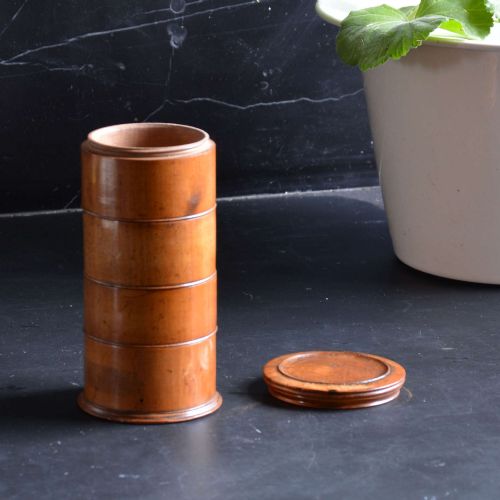
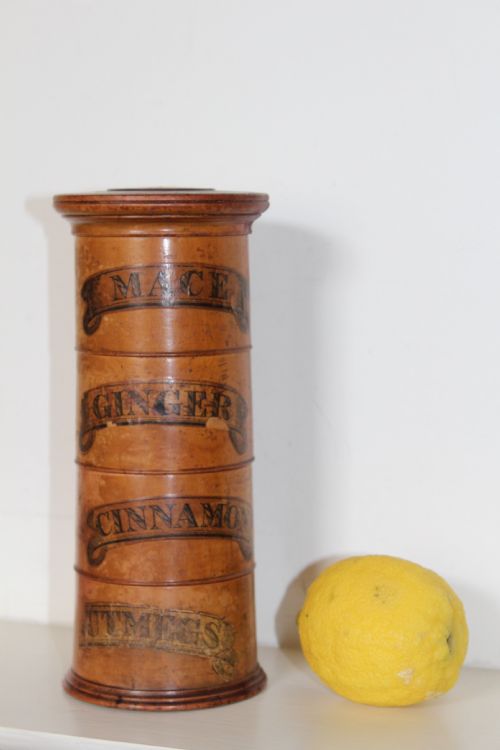
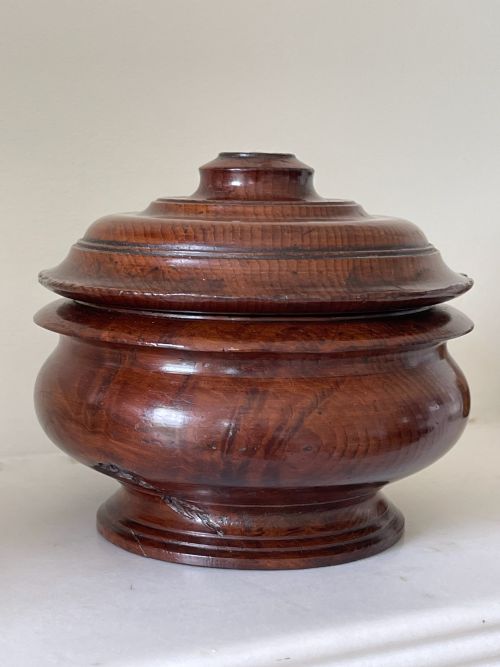
A georgian wooden spice container encompasses turned treen spice towers, lidded pots, and salt boxes originating from the eighteenth and nineteenth centuries. These pieces reflect domestic British and continental life, designed to hold precious household commodities.
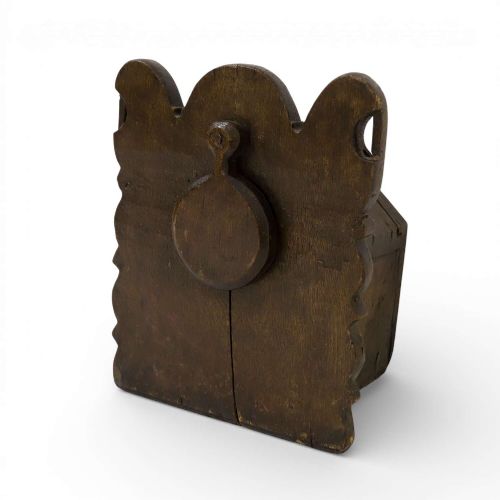
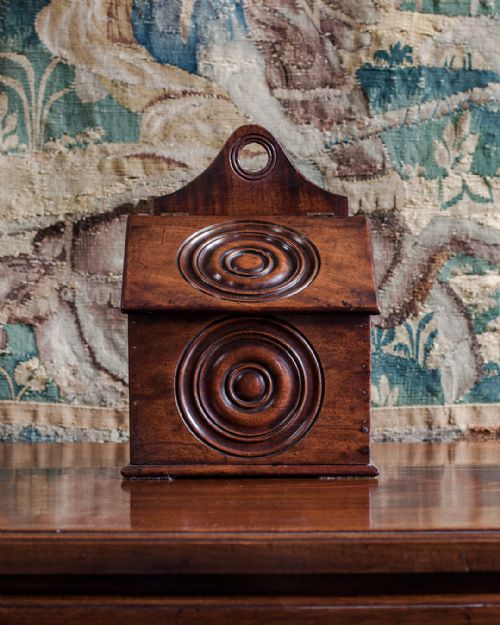
The most common examples on this page are multi-tiered treen spice towers and wooden boxes fashioned from dense hardwoods like boxwood and fruitwood. Collectors also encounter oak salt boxes fitted with original iron hardware and turned cups.
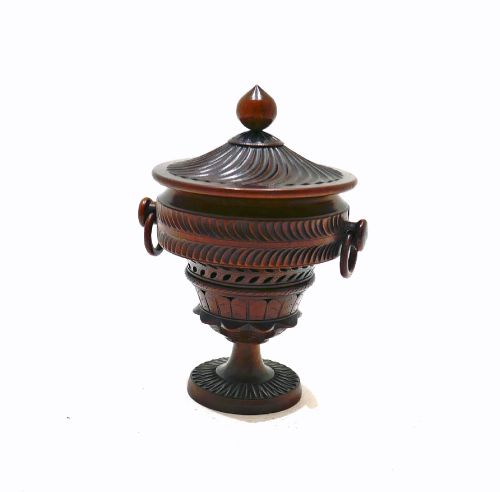
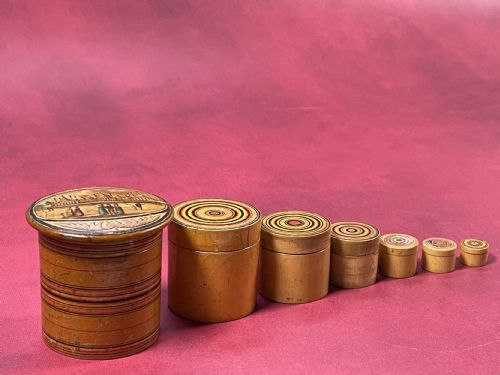
Forms range from simple four-tier stacking pots to decorative urns and Tunbridge Ware whitewood containers. Each variant demonstrates the utilitarian yet artistic approach of historical turners.
Materials and construction methods
Maker's workshops relied on tight-grained timbers including boxwood, fruitwood, yew, oak, and mahogany, chosen for their stability during the turning process. These woods were shaped on lathes to create interlocking tiers and smooth lidded vessels.
Metal elements such as brass and iron appear as hinges, locks, and hardware on salt boxes and containers, securing the contents and reinforcing structural joints. Some surfaces retain traces of early red paint or decorative whitewood veneers characteristic of Tunbridge Ware.
Georgian Wooden Spice Container Retail Price Guide 2026
Typical asking prices for georgian wooden spice container among the pieces listed under this phrase on Sellingantiques today, from the lower quarter to the upper quarter. They describe what is for sale here now, not the wider market.
Listings feature diverse timbers including boxwood, fruitwood, mahogany, oak, and yew, spanning the eighteenth and nineteenth centuries.
Assessing quality in historical treen
Quality rests primarily on the crispness of the lathe work, the harmonious proportion of stacked tiers, and the integrity of the timber. Finely carved mouldings and tight-fitting lids distinguish superior examples from plain utility pieces.
The survival of original surfaces, such as untouched patina, early paint traces, and contemporaneous metal hardware, elevates the historical interest of a container. Wear should appear natural and even, reflecting genuine age and handling.
The Georgian Wooden Spice Container Glossary
- Treen
- Small handmade wooden domestic objects. This term derives from old English words for tree and encompasses everything from tableware to spice towers.
- Spice tower
- A vertical multi-tiered wooden container designed with interlocking sections. These towers allowed cooks to store multiple spices in a compact footprint.
- Turned wood
- Material shaped on a lathe while rotating against cutting tools. This technique created the symmetrical profiles seen on spice towers and cups.
- Tunbridge Ware
- Small wooden decorative items adorned with mosaic patterns of tiny wood tesserae. This specific style originated in Kent during the Georgian era.
- Salt box
- A wall-mounted or freestanding container used to keep salt dry. They often feature hinged lids and sturdy iron or brass hardware.
Georgian Wooden Spice Container: Frequently Asked Questions
What were spice containers used for?
Historically, these vessels held costly imported spices like cinnamon, nutmeg, cloves, and pepper in domestic kitchens. Keeping them in sealed wooden tiers protected the aromatics from moisture and dampness.
Over time, wealthy households displayed these turned objects as indicators of refined taste and global trade connections. Today, they serve primarily as decorative collector pieces.
How do you date a wooden spice container?
Dating relies on observing tool marks left by the lathe, timber selection, and the style of construction. Georgian and early nineteenth-century pieces typically feature hand-turned profiles and older hardwoods.
Hardware details like forged iron hinges or brass latches also help establish chronology. Comparing the wear patterns to documented examples confirms the period.
Are stacking spice towers rare?
Complete stacking towers with all original tiers intact appear less frequently than single lidded pots. Their complex multi-section turned construction made them susceptible to lost parts over centuries of use.
Surviving examples that retain their matching lids and original timber tones remain sought after by specialists. The presence of makers' marks or unusual woods further distinguishes them.
What is the difference between treen and furniture?
Treen refers specifically to small functional wooden collectables rather than large household furnishings. These portable items were produced by specialist turners rather than traditional cabinetmakers.
Objects range from small spice containers and cups to bowls and spoons. Their scale makes them easy to display on shelves and tabletops.