
Georgian Wooden Plant Stand
A Georgian wooden plant stand elevates greenery or urns with architectural grace, bringing height and proportion to interior spaces.
Georgian Wooden Plant Stand
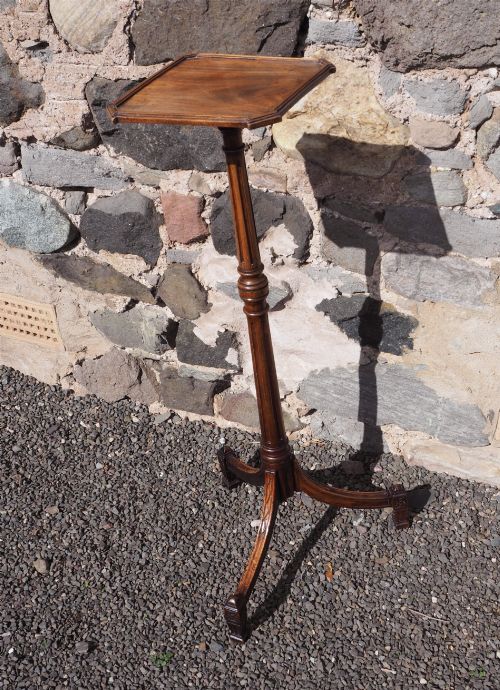
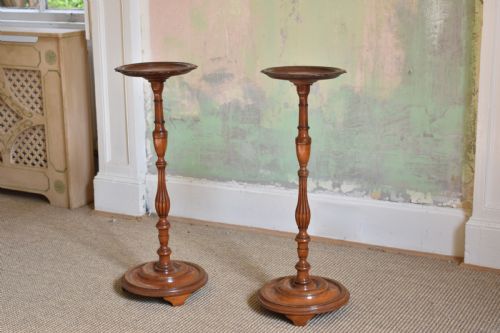
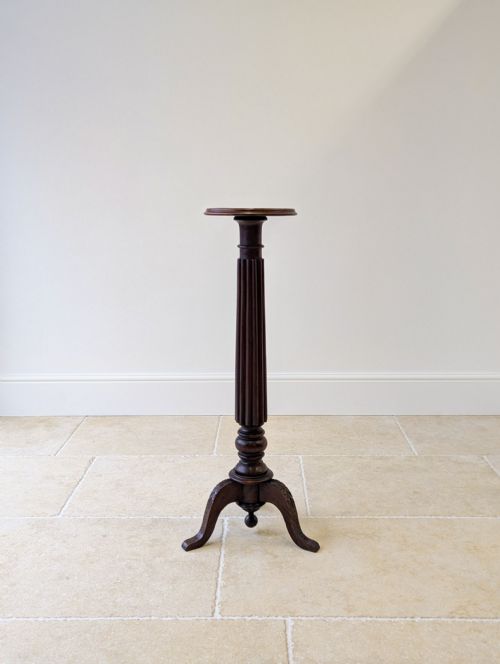
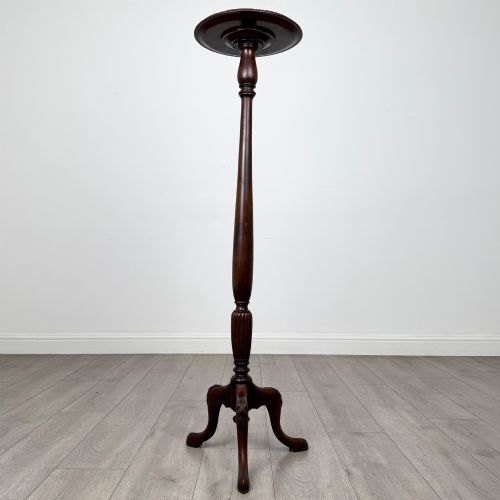
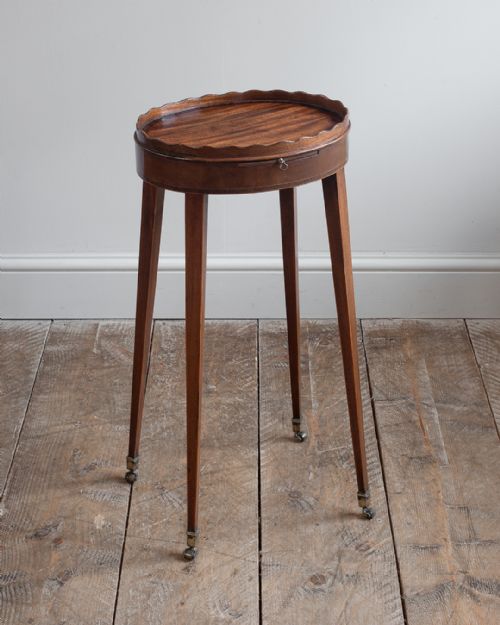
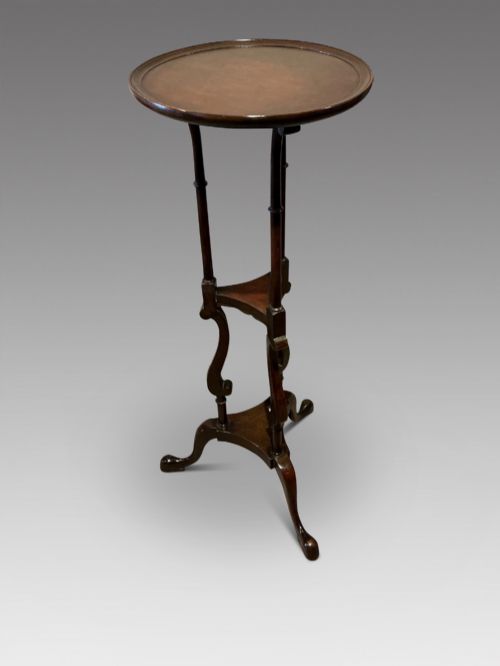
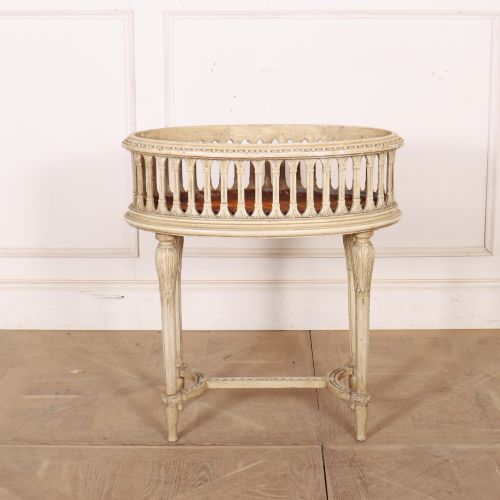
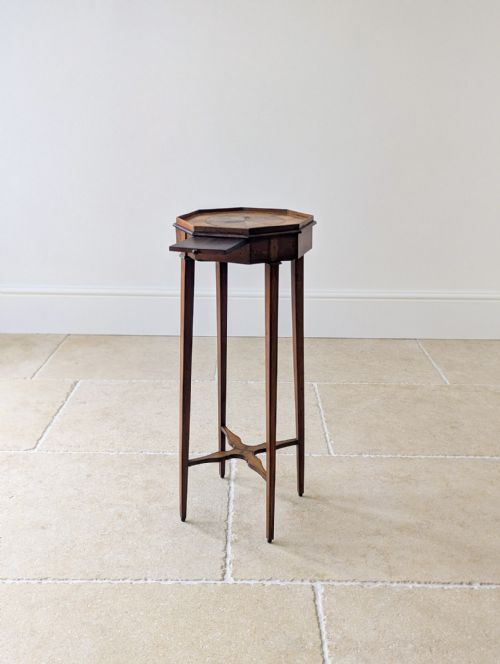
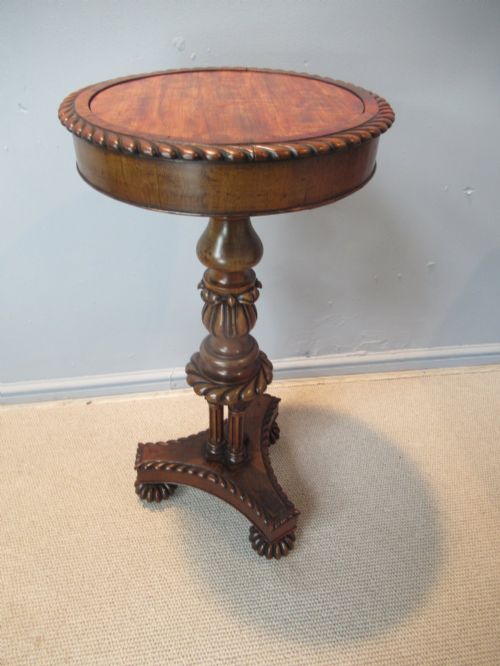
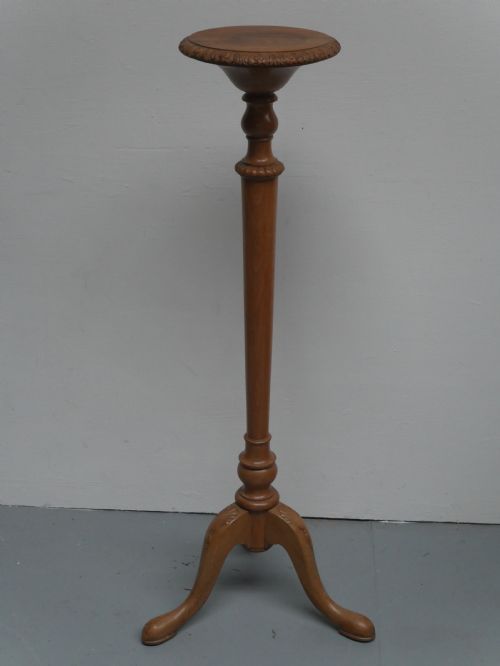
A georgian wooden plant stand encompasses tall, slender supports designed to elevate flora, urns, or decorative objects within a room. These pieces appear in forms such as torcheres, urn stands, kettlestands, and pedestals.
The selections span the eighteenth century and the Regency era, alongside later revival pieces executed in the same idiom. Originating mostly from British workshops, they utilise classic proportions and sturdy timber construction.
Makers designed these stands to occupy corners or flanking positions, providing vertical interest without dominating the floor plan. The surviving examples demonstrate practical utility combined with ornamental refinement.
Evaluating craftsmanship
Quality rests upon the crispness of the carving, the selection of figured timber veneers, and the stability of the central column. Superior examples display harmonious proportions between the top platform and the supporting base.
The integrity of the original surface finish, whether polished mahogany or floral marquetry, dictates the visual appeal of the piece. Subtle details such as finely turned balusters separate standard production items from distinguished workshop commissions.
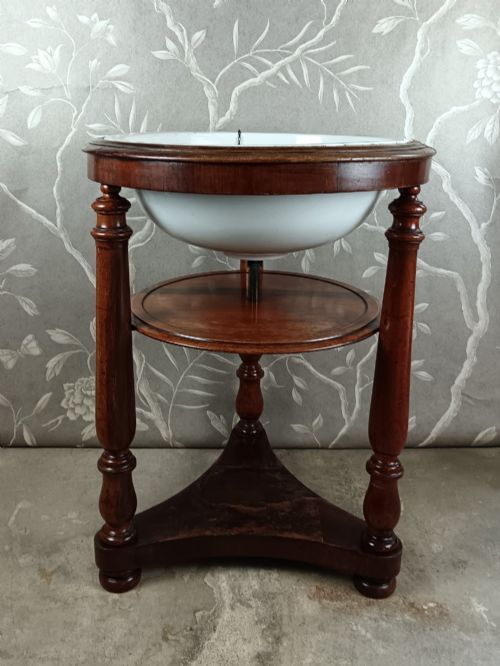
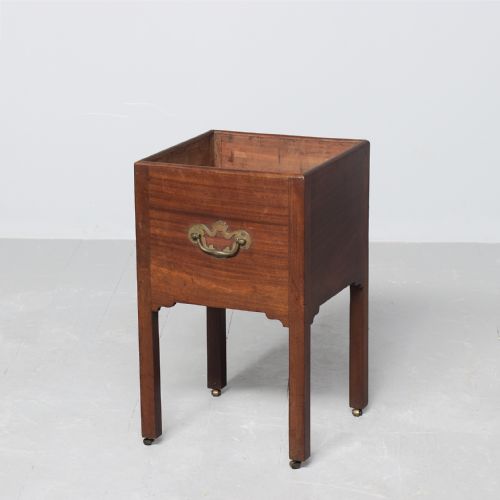
Some stands doubled as wine coolers, proving that earlier generations kept refreshments close at hand among the foliage.
The Georgian Wooden Plant Stand Glossary
- Torchere
- A tall, slender stand designed originally to hold a candle or lamp, later adapted for displaying plants. These pieces typically feature a small top platform supported by a single carved column and a tripod base.
- Marquetry
- The art of applying decorative veneer pieces in various woods to form geometric or floral patterns. Craftsmen utilised this technique on table tops and column shafts to create visual contrast.
- Tripod base
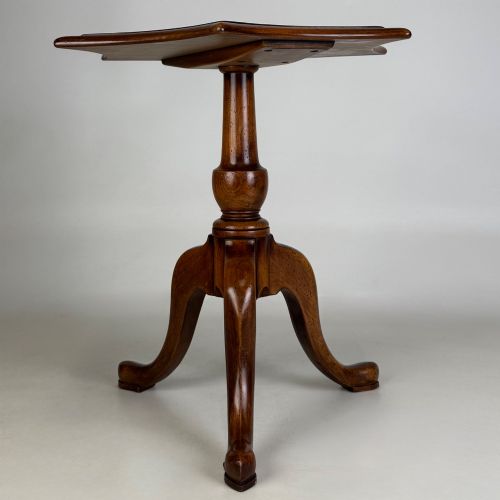
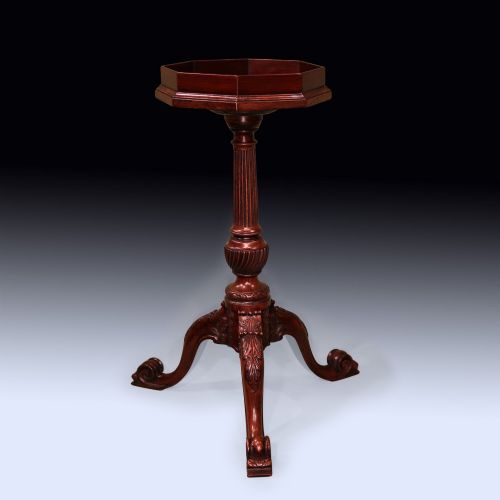
- A three-legged support system providing stability for elevated stands. Cabinetmakers shaped these legs with pad, claw-and-ball, or spade terminals.
- Kettlestand
- A small, specialised table designed to hold a hot water kettle for tea service. These surfaces often feature raised edges or galleried rims to secure vessels.
- Triform pedestal
- A three-sided base or support column common in classical furniture design. This configuration distributes weight evenly across the floor.
Georgian Wooden Plant Stand: Frequently Asked Questions
How do I use a plant stand in modern rooms?
Place a stand in an empty corner or beside seating to introduce vertical dimension. They suit potted greenery, ceramics, or small sculptures.
Ensure the top platform matches the base diameter of your chosen object for stable display.
What timber types are most common?
Mahogany dominates the selection, followed by walnut, yew wood, and oak. Inlaid versions often incorporate satinwood and rosewood veneers.
Dark finishes reflect traditional cabinetmaking preferences of the period.
How do I distinguish revival pieces from originals?
Revival items often date from the Edwardian period or the late nineteenth century, mimicking earlier Georgian styles. Examine the timber ageing, construction joinery, and wear patterns beneath the base.
Secondary woods used in interior framing also help clarify the actual period of manufacture.
Can these stands support heavy pots?
Most stands were engineered for urns, jardiniere bowls, or decorative vessels, possessing sturdy tripod or pedestal bases. Check the rigidity of the central shaft and leg joints before placing heavy loads.
Lighter torcheres suit delicate ferns rather than large earthenware pots.