
Georgian Wooden Elbow Chair
A georgian wooden elbow chair offers sturdy seating with heritage timber frames, combining practical support with period craftsmanship.
Georgian Wooden Elbow Chair
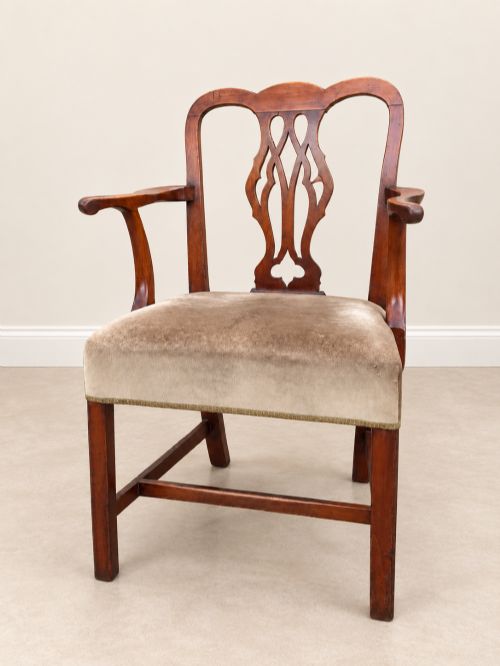
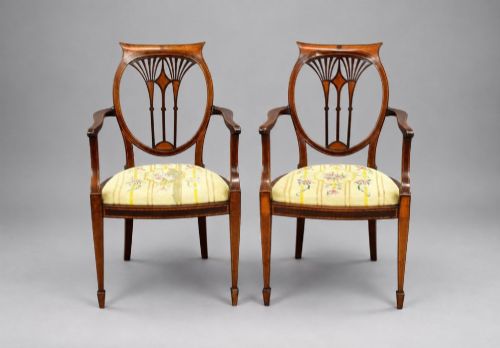
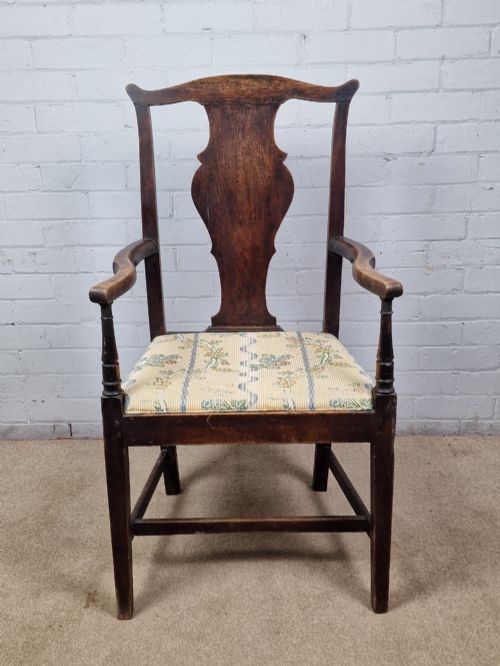
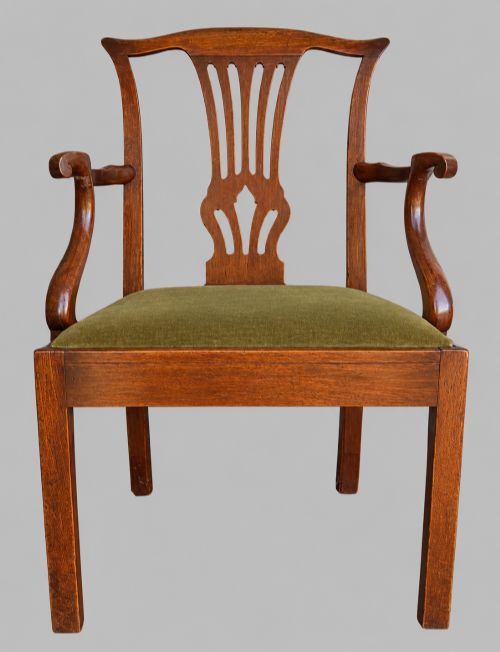
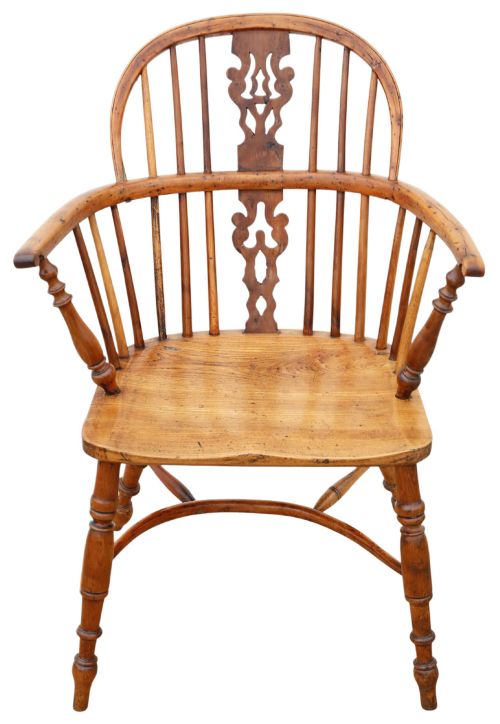
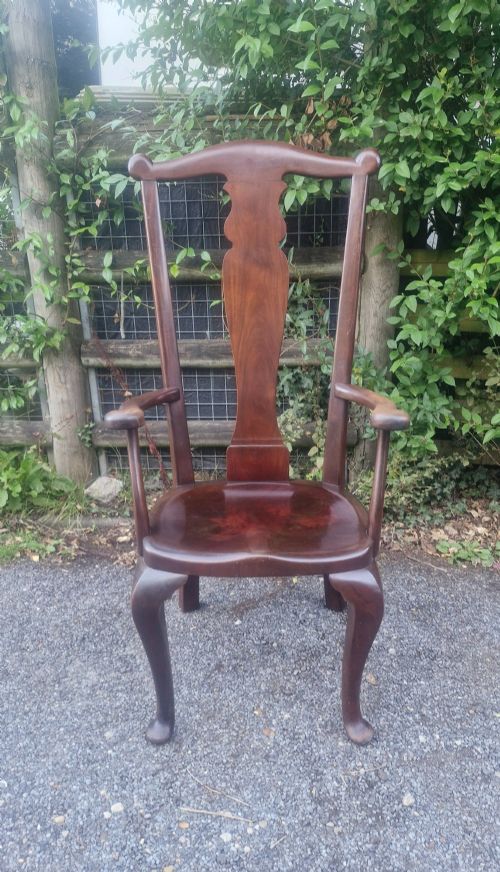
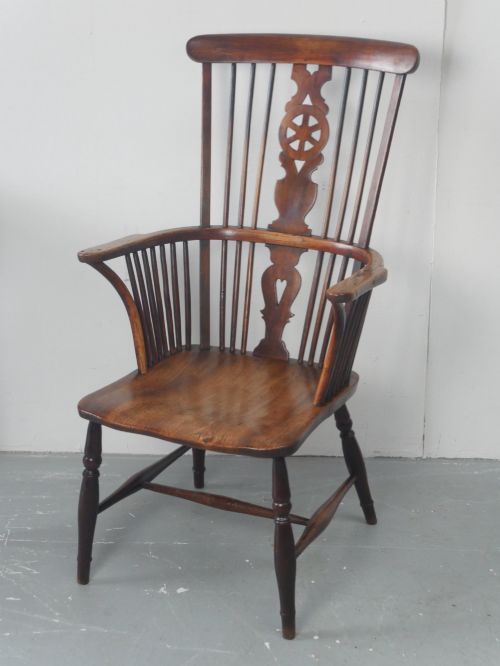
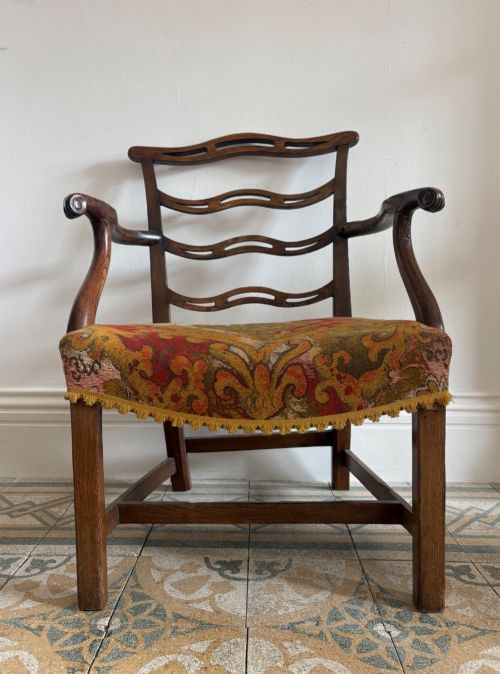
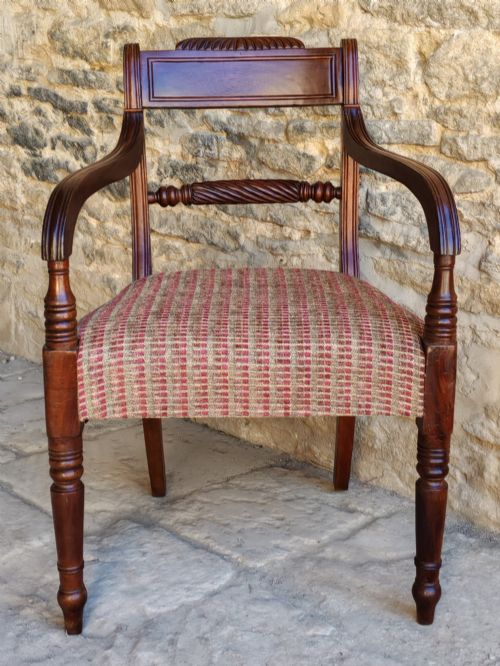
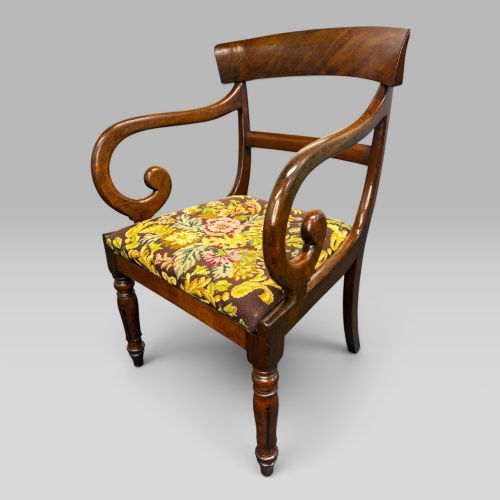
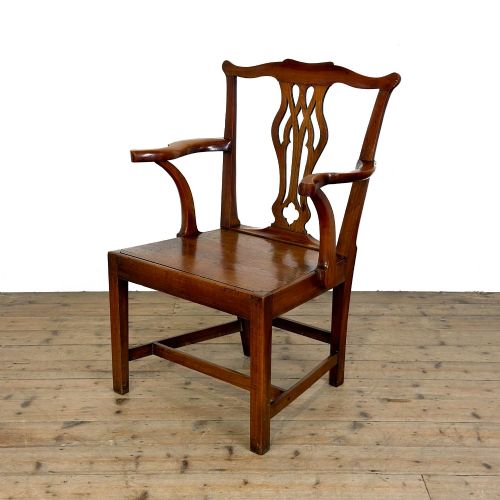
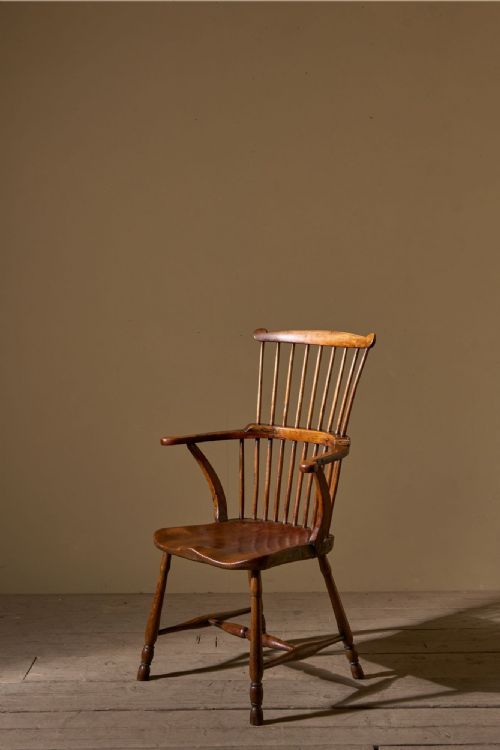
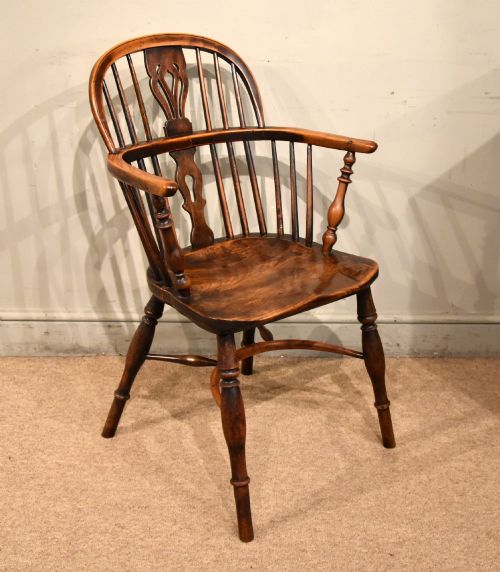
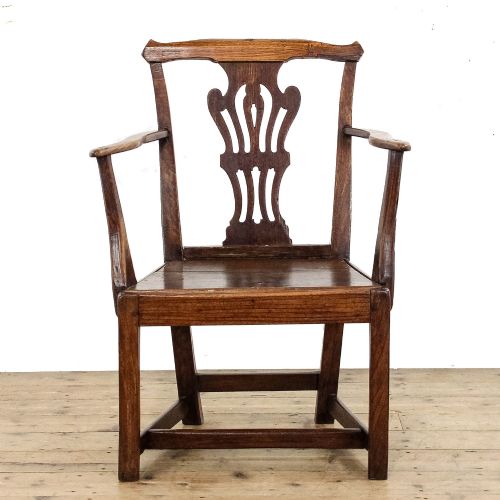
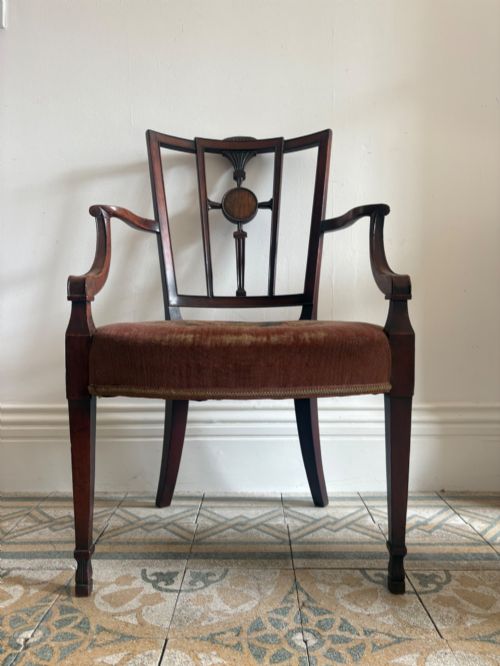
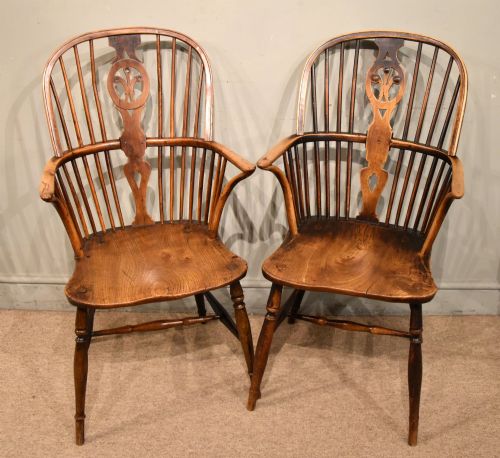
A georgian wooden elbow chair encompasses a variety of seating forms, ranging from formal parlour designs in mahogany to vernacular country windsors in elm and ash. Buyers searching for a georgian wooden elbow chair will frequently encounter regional variations such as comb backs and ladderbacks originating from the eighteenth and nineteenth centuries.
The selection includes Carver chairs, armchairs, and desk chairs spanning the Georgian, Regency, and Victorian periods. Many examples display regional English country craftsmanship utilising native timbers like yew, fruitwood, and oak.
Materials and Technique
Cabinetmakers and rural bodgers constructed these frames using contrasting native timbers, frequently pairing ash spindles with solid elm seats or turning yew into slender spindles and bows. Mahogany served formal urban commissions, carved with Chippendale or Hepplewhite style motifs, while country workshops utilised fruitwood, oak, and rush seating.
Joinery methods combined traditional mortise and tenon joints with steam-bent wooden components for Windsor bows and comb backs. Seats were shaped from solid planks of timber or fitted with drop-in upholstered pads and tapestry covers.
Design influences recorded in the inventory include formal Chippendale and Hepplewhite aesthetics alongside regional English country and vernacular traditions.
Distinctions in Execution
The division between standard workshop production and finer craftsmanship rests upon timber selection and the fluidity of the carved details. Higher grade examples exhibit carefully matched grain patterns in timbers like yew and mahogany alongside crisply carved splats and arm terminals.
Structural integrity and originality of components dictate the standing of a piece. Chairs retaining their original timber wedges, unaltered arms, and unreduced legs demonstrate superior survival compared to examples with replaced undercarriages or heavily sanded surfaces.
Gillows
The Georgian Wooden Elbow Chair Glossary
- Elbow chair
- A term used interchangeably with carver or armchair, denoting a seat fitted with side supports for the arms.
- Windsor chair
- A vernacular seating form featuring a solid wooden saddle-shaped seat into which the legs and back spindles are wedged directly.
- Comb back
- A Windsor chair variation where the vertical spindles of the low back extend upward to support a horizontal top rail resembling a hair comb.
- Carver chair
- An armchair designed in a matching style to a set of dining chairs, traditionally positioned at the head of a table.
- Ladderback
- A chair back constructed with horizontal arched slats spanning between the rear upright posts.
Georgian Wooden Elbow Chair: Frequently Asked Questions
What is a georgian wooden elbow chair?
A georgian wooden elbow chair is a seated furniture piece featuring armrests, produced during the eighteenth and early nineteenth centuries in various formal and vernacular styles.
These pieces range from urban mahogany parlour armchairs to country Windsor chairs constructed from elm, ash, and yew.
How do I identify a Windsor chair?
Windsor chairs are characterised by a solid wooden seat block into which the legs, back spindles, and arm supports are tenoned directly rather than fixed to a framed carcass.
They often incorporate traditional woods like elm for the seat and ash or yew for the bentwood bows and spindles.
Were these chairs used at dining tables?
Many elbow chairs served as carvers positioned at the head and foot of a dining table, accompanied by matching side chairs.
Others functioned as desk chairs, library seating, or fireside armchairs within domestic interiors.
How should I care for timber elbow chairs?
Maintain the timber by keeping chairs away from direct heat sources and sudden humidity changes that can cause wood to split or joints to loosen.
Apply a microcrystalline wax periodically to nourish the surface polish without building up sticky residues.