

Georgian Wooden Caddy Box
A georgian wooden caddy box holds the history of prized tea, offering secure storage with refined period craftsmanship.
Georgian Wooden Caddy Box
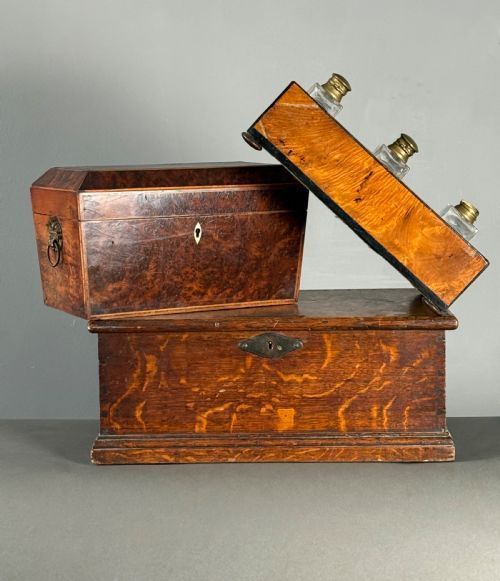
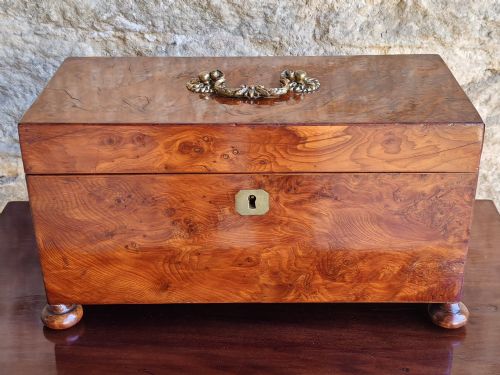
When searching for a georgian wooden caddy box, buyers encounter containers designed for leaf storage, alongside related forms like decorative boxes, jewellery boxes, and wine coolers. The selection spans the eighteenth century, the regency period, and the nineteenth century, reflecting evolving tastes in domestic storage.
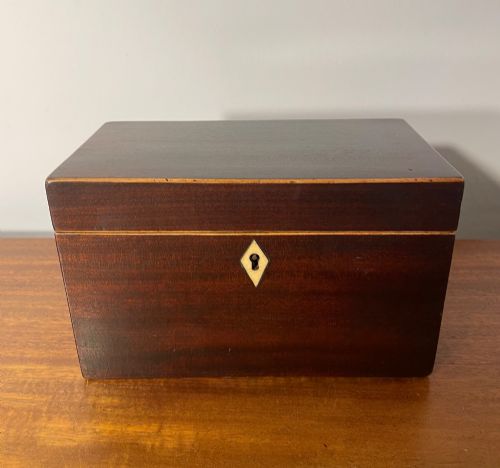
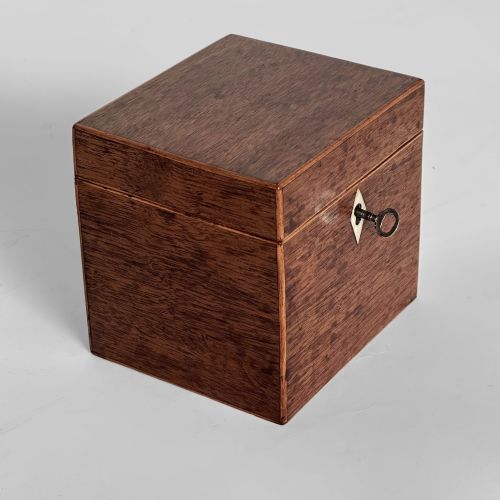
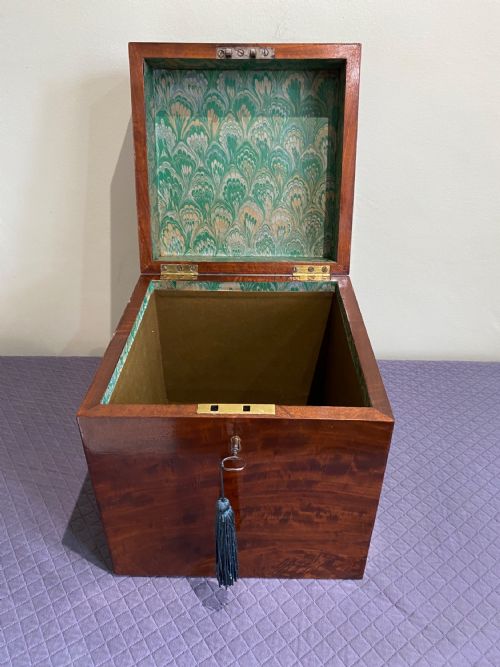
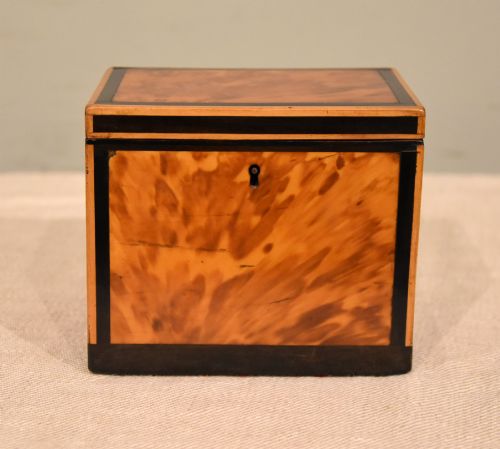
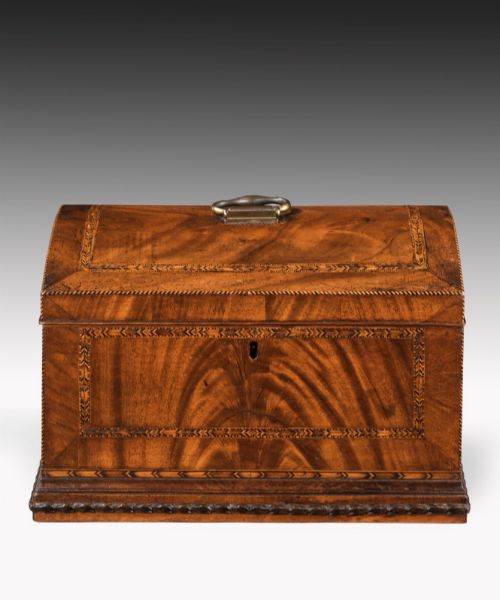
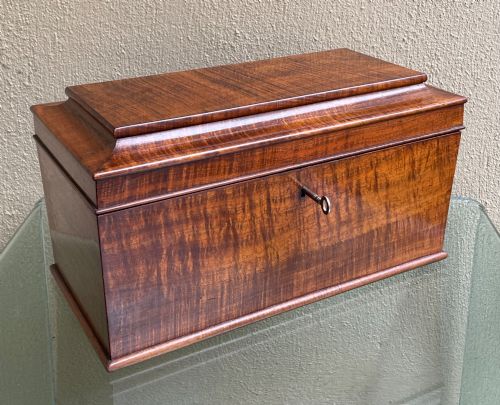
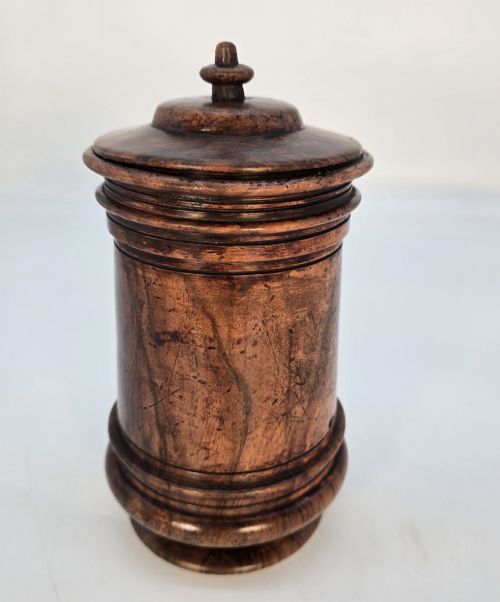
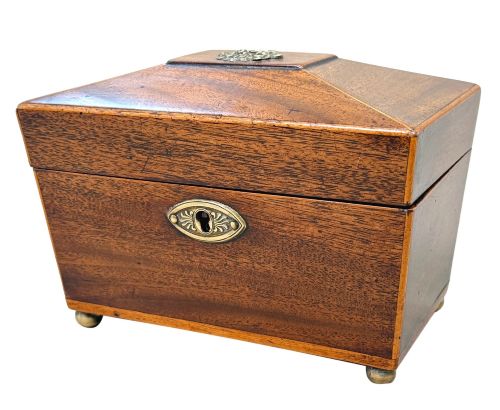
Mahogany, rosewood, walnut, satinwood, and yew dominate the materials, frequently ornamented with brass, bone, and boxwood details. Forms range from simple rectangular chests to sarcophagus shapes, dome lids, and hexagonal containers.
Materials and construction methods
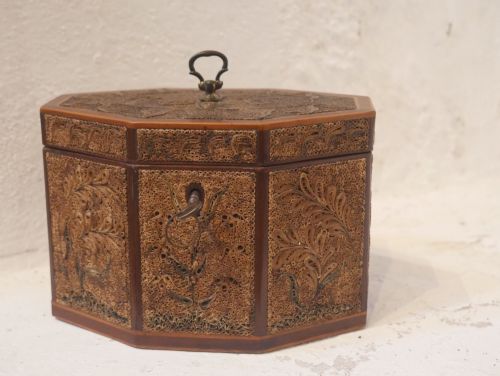
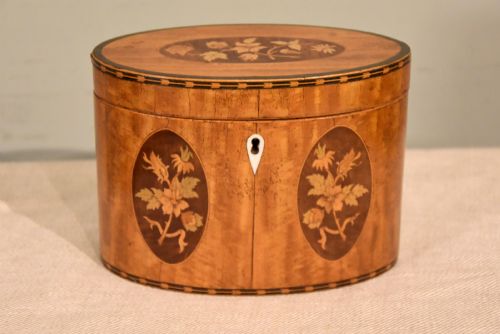
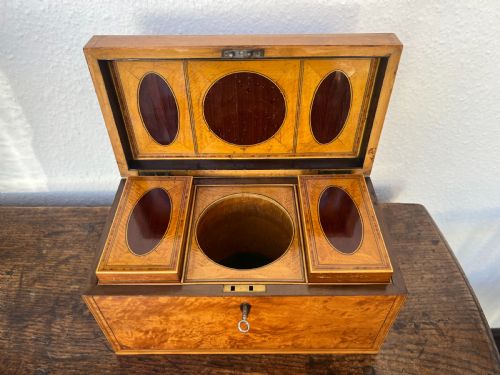
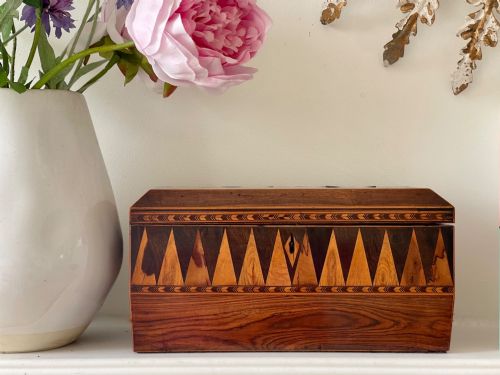
Cabinet makers utilised dense hardwoods such as mahogany, rosewood, and walnut as the primary structural bodies, often finished with veneers of satinwood or burr yew. Specialised techniques like parquetry, paper filigree, and Tunbridge Ware surface decoration added intricate geometric or pictorial detail to the exteriors.
Contrasting timbers including boxwood, ebony, and bone provided sharp stringing and inlay work. Brass hardware, from escutcheons to lion mask handles, secured the lids and facilitated handling on mahogany and rosewood bodies.
Listings feature examples spanning from the mid-eighteenth century through the regency and victorian eras, constructed in mahogany, rosewood, satinwood, and walnut.
Factors determining quality
The choice of timber and veneer selection dictates much of the visual appeal, with figured burr yew, finely grained satinwood, and rich rosewood sitting at the upper end of the scale. The complexity of the exterior embellishment, such as detailed parquetry or delicate paper scrollwork, separates standard utility boxes from exceptional decorative examples.
Internal preservation marks the distinction between ordinary survival and high-grade pieces. Retaining original fitted interior compartments, working locks with keys, and original glass mixing bowls preserves the integrity of the object.
The Georgian Wooden Caddy Box Glossary
- Tea caddy
- A small box or chest designed for storing dried tea leaves when tea was an expensive commodity. These containers often featured internal lids and lockable compartments.
- Teapoy
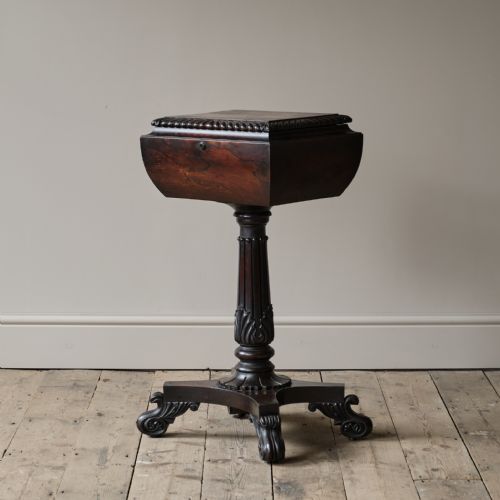
- A freestanding piece of furniture consisting of a caddy box mounted on a central pillar and tripod base. They often included mixing bowls and internal canisters.
- Cellarette
- A lockable container or cabinet used for storing bottles of wine and spirits safely. Examples from the period frequently take the form of large wooden chests or stands.
- Tunbridge Ware
- A type of decorative woodwork produced in Kent, featuring tiny mosaic tiles made from different coloured woods to create pictorial or geometric designs. This technique ornamented luxury tea caddies and small boxes.
- Parquetry
- A geometric mosaic of wood pieces used for decorative veneer on floors and furniture surfaces. Caddies decorated this way display repeated angular patterns.
- Sarcophagus
- A coffin-shaped container style adapted during the regency period for large tea caddies and wine coolers. These boxes feature stepped or domed lids resting on substantial plinths.
Georgian Wooden Caddy Box: Frequently Asked Questions
What was a wooden caddy box used for?
These boxes stored precious dry tea leaves securely under lock and key. Servants or homeowners brought them to the table for tea preparation.
Inside, compartments separated different tea varieties from blending bowls. The containers protected dry leaves from moisture and loss in wealthy households.
How do I date a wooden tea caddy?
Cabinet shapes and wood choices provide clear clues to the manufacturing era. Eighteenth-century examples often favour plain mahogany or delicate satinwood inlay, while regency pieces utilise rosewood, brass inlay, and sarcophagus forms.
Hardware styles, interior fittings, and construction techniques also help determine whether a piece originates from the georgian or nineteenth-century period.
Are original keys usually included?
Many surviving caddies retain their original locks, though working keys are less common due to centuries of displacement. Specialised locks were essential when tea commanded high financial value.
Listings note whether a key accompanies the box or if the internal locking mechanism remains functional.
How should I care for an antique wood box?
Keep wooden boxes away from direct sunlight and sudden temperature shifts to protect delicate veneers and wood glues. Gentle dusting with a dry cloth maintains the surface sheen without damaging historic finishes.
Avoid using modern liquid polishes that can seep into parquetry cracks or soften old wax.