

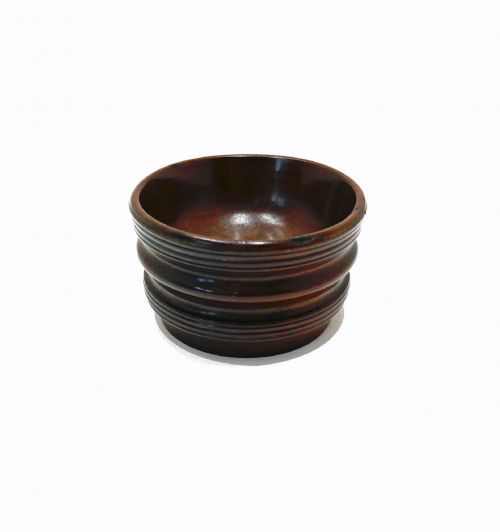


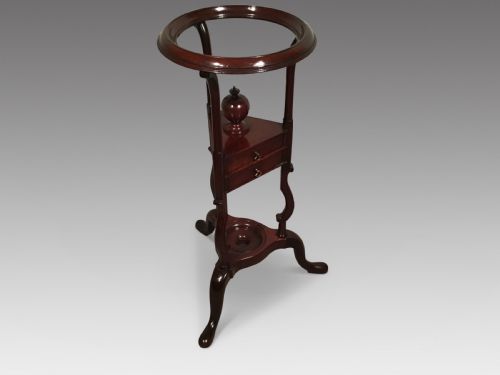


Georgian Wooden Bowl
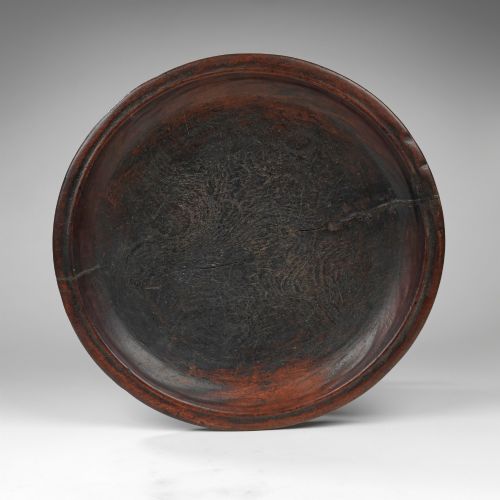
A georgian wooden bowl brings the warm grain of mahogany, yew and laburnum directly into the modern interior.
Georgian Wooden Bowl
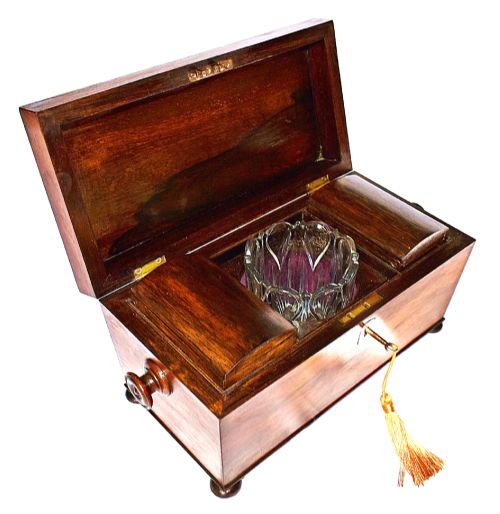
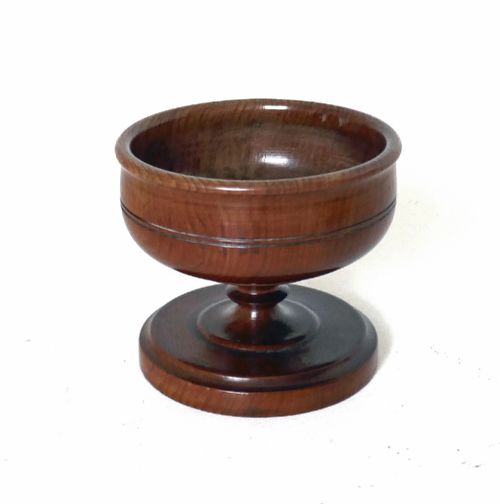
The georgian wooden bowl encompasses turned treen items and functional vessels shaped by hand during the eighteenth and early nineteenth centuries. These pieces appear in forms intended for domestic service, including fruit containers and salt cellars alongside fitted tea caddies retaining internal glass vessels.
Examples span the Georgian, Regency and Victorian periods, often rendered in dense native and exotic hardwoods like mahogany, yew wood and laburnum. The selection on this page focuses heavily on functional treen and serving pieces from the seventeen-fifties through to eighteen-thirty.
Materials and construction
Turned items rely on the lathe, shaping green or seasoned timber into smooth bowls and salts with distinct grain patterns. Cabinet-made vessels employ solid mahogany, satinwood and rosewood, frequently enhanced with parquetry inlay and brass mounts.
Selected pieces incorporate contrasting materials such as glass inserts, silver ladles and coquilla nut, demonstrating the varied craftsmanship of the period.
Georgian Wooden Bowl Retail Price Guide 2026
Typical asking prices for georgian wooden bowl among the pieces listed under this phrase on Sellingantiques today, from the lower quarter to the upper quarter. They describe what is for sale here now, not the wider market.
Several listings include curious feline stands and miniature vessels, proving Georgian households appreciated domestic whimsy alongside practical treen.
Evaluating quality and condition
Quality rests upon the crispness of the turning, the depth of the timber's grain and the survival of an unpolished, patinated surface. Finer examples retain original components, such as glass mixing bowls inside tea caddies and matching lids on salts.
The degree of wear tells a story of domestic use, where soft handling marks and rich oxidation distinguish a genuine period treen piece from later reproductions.
The Georgian Wooden Bowl Glossary
- Treen
- Small handmade wooden objects for domestic use. This category covers everything from turned salts and spice pots to bowls and tea caddies.
- Sarcophagus form
- A box shape featuring a domed lid and tapered base, typical of Regency tea caddies. The design mimics classical stone tombs popular in architecture of the era.
- Parquetry
- Geometric wood inlay using contrasting veneers. Makers applied this technique to create decorative patterns on the lids and bodies of tea caddies.
- Turned
- Shaped on a lathe while rotating. This method produces the circular symmetry found in wooden bowls, mortars and salt cellars.
Georgian Wooden Bowl: Frequently Asked Questions
What was a georgian wooden bowl used for?
These vessels served various functions in the Georgian household, from holding fruit and nuts on the dining table to storing dry goods in the pantry.
Smaller turned wooden bowls often functioned as salt cellars or spice containers, while larger turned examples accommodated provisions in the kitchen.
How do I care for antique treen?
Keep wooden pieces away from direct sunlight and sudden temperature shifts to prevent the timber from splitting. Feed the dry grain occasionally with a traditional wax to maintain the surface.
Avoid using water or modern chemical cleaners on antique wood, as moisture damages the historic patina.
How can I tell an eighteenth-century bowl from a later one?
Examine the tool marks and the way the wood has aged over time. Eighteenth-century pieces show distinct hand-turning signatures and a deep, soft oxidation across the grain.
Later copies often feel more uniform in weight and lack the natural wear patterns built up through decades of domestic handling.
What woods did Georgian turners use?
Makers utilised both native hardwoods like yew wood, laburnum and walnut alongside imported timber such as mahogany and rosewood. The choice depended on whether the object required the dense grain of fruitwood for turning or the stability of mahogany for cabinetry.
Exotic woods became increasingly accessible during the Regency period, leading to striking contrasting inlay work.