


Georgian Wood Treen
Georgian wood treen items are small domestic implements carved or turned from timber, prized for tactile utility and honest craftsmanship.
Georgian Wood Treen
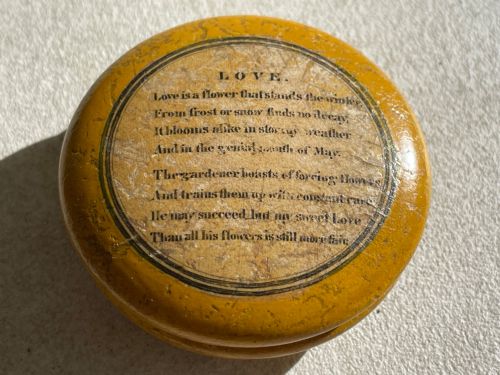
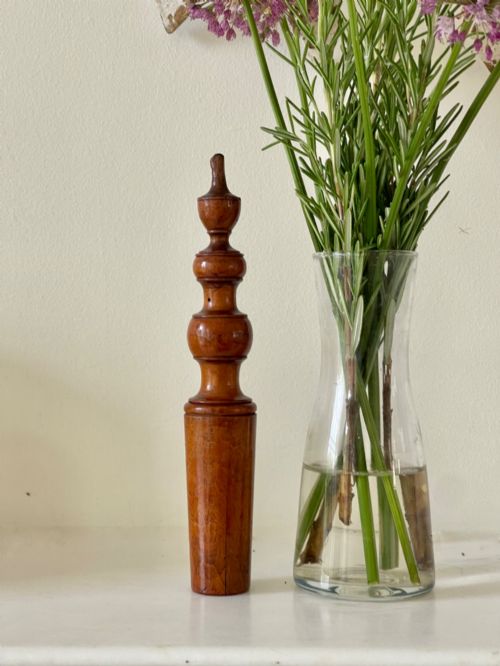
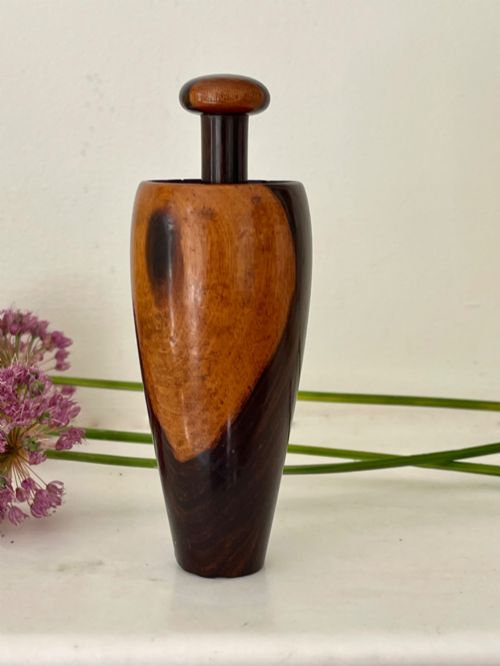
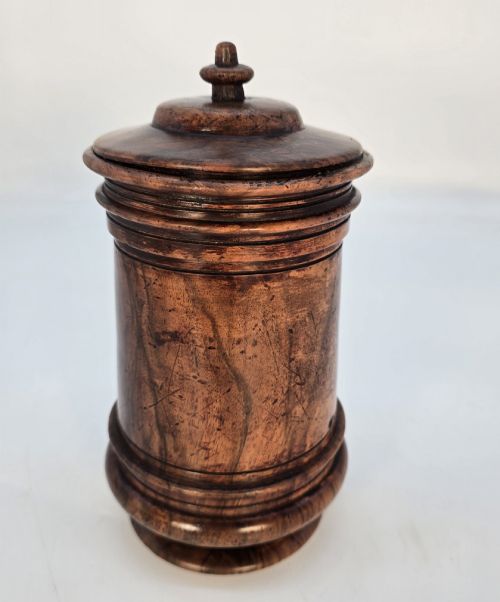
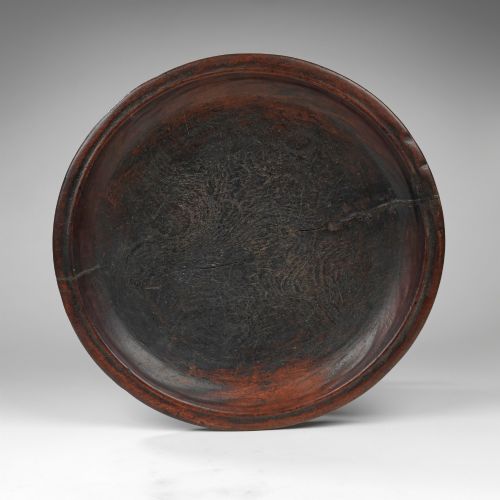
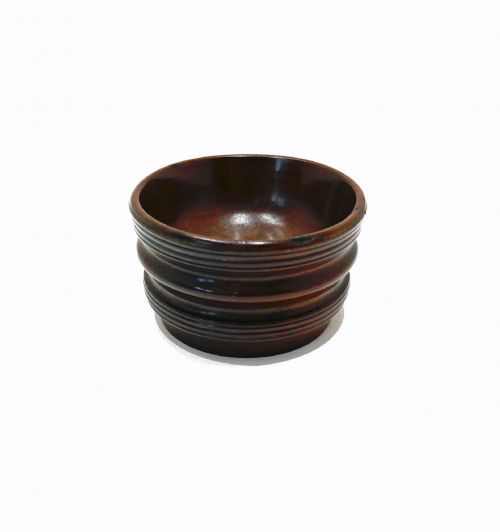
The objects stem predominantly from the eighteenth and nineteenth centuries, encompassing George III pieces alongside Victorian and Edwardian examples. Forms range from simple turned bowls and spill vases to intricate novelty nutmeg graters shaped like wine bottles or shoes.
British folk art traditions heavily influence these pieces, alongside Continental work involving local timbers. You find domestic kitchenalia sitting alongside personal accessories designed to be carried in a pocket or displayed on a parlour table.
How They Were Made
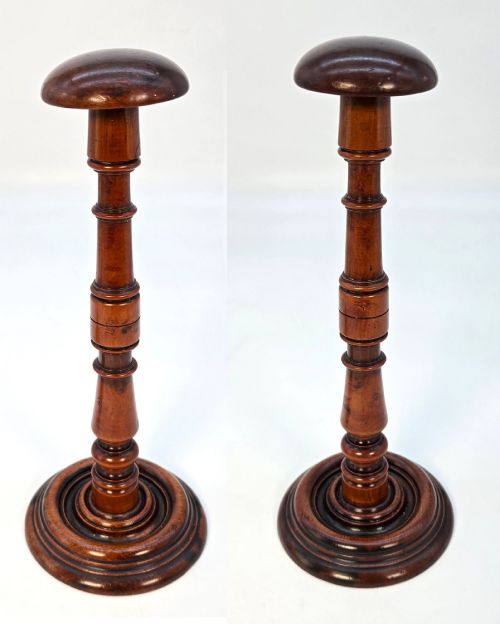
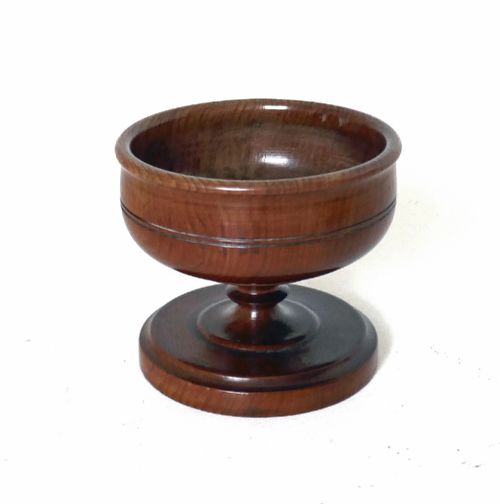
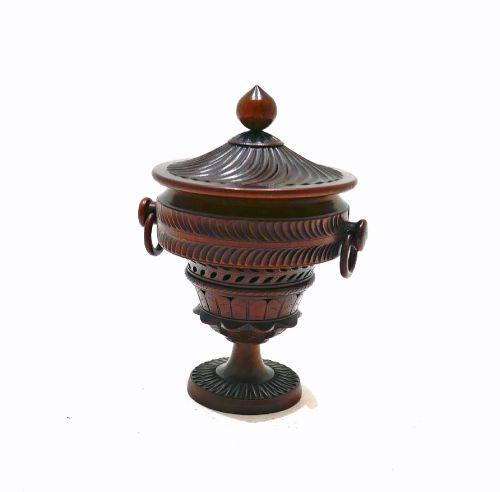
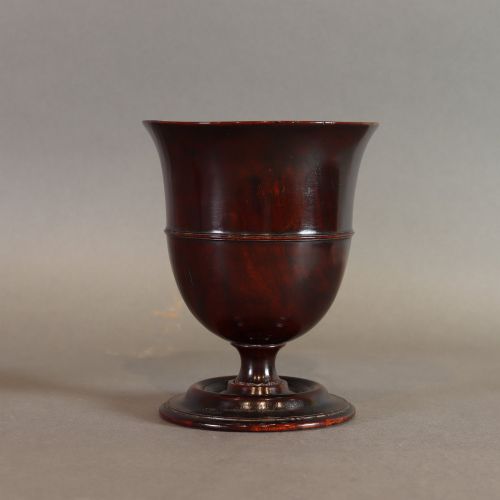
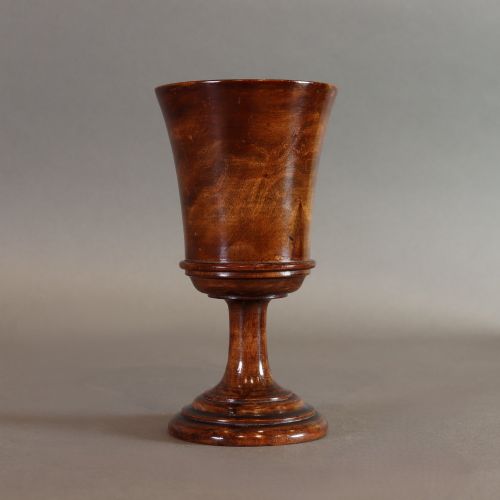
Maker's workshops relied on the lathe for turning dense hardwoods and fruitwoods into symmetrical vessels like goblets, urns and pedestal salts. Woods such as yew, boxwood, laburnum, walnut and lignum vitae provided the tight grain required for fine turning and sharp detail.
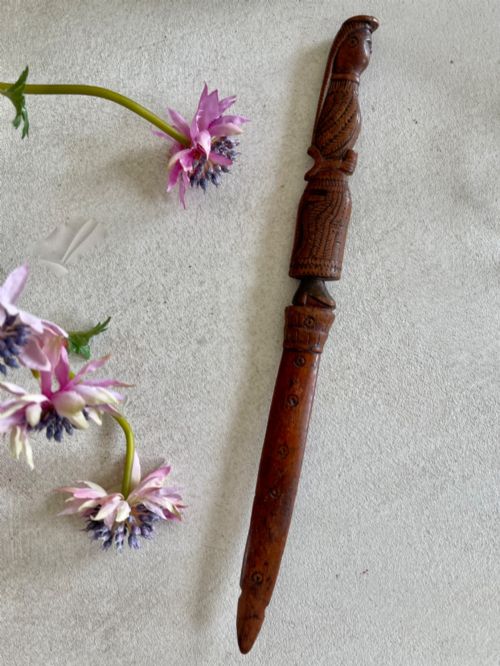
Carvers utilised gouges and knives to shape items that resisted the lathe, producing knitting sheaths with punchwork, figural snuff boxes and sculptural handles. Surface decoration relied on incised lines, natural figuring in the timber and patination built up through handling rather than heavy finishing.
Georgian Wood Treen Retail Price Guide 2026
Typical asking prices for georgian wood treen among the pieces listed under this phrase on Sellingantiques today, from the lower quarter to the upper quarter. They describe what is for sale here now, not the wider market.
One tiny antique sewing accessory takes the unmistakable anatomical shape of a sturdy walking shoe.
What Varies in Quality
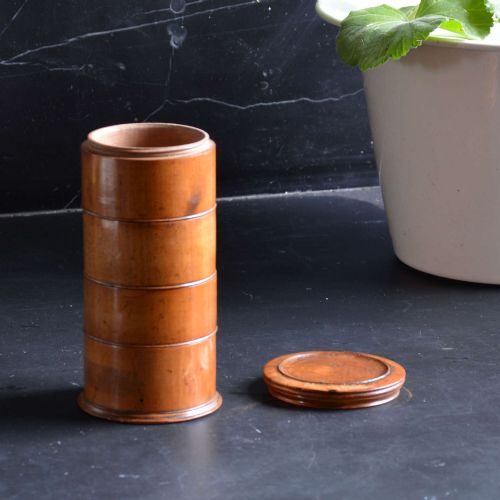
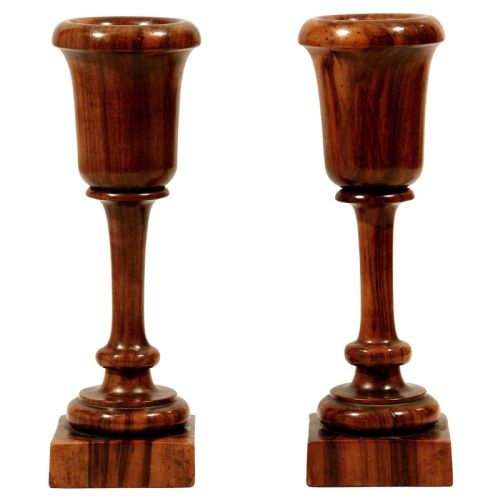
Quality rests upon the crispness of the turning and the proportional balance of the form, particularly in architectural objects like spice towers and campana urns. Better examples retain sharp mouldings and original components without replacement parts or unsympathetic repairs.
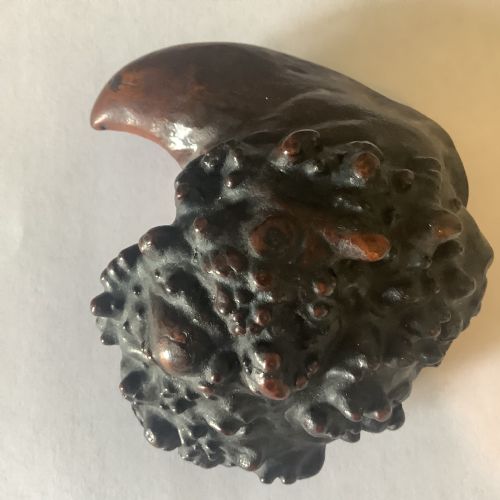
The choice of timber heavily influences the desirability of a piece, with richly figured yew wood, burr walnut, laburnum and dense lignum vitae commanding greater attention. Natural patination and depth of colour developed over centuries elevate standard utilitarian items into sculptural works of folk art.
The Georgian Wood Treen Glossary
- Treen
- Small handmade wooden domestic objects. The term derives from the old English word for tree.
- Knitting sheath
- A small carved holder tucked into an apron or belt to support a single knitting needle. These often display folk art punchwork and incised dates.
- Lignum vitae
- An extremely dense and heavy tropical hardwood used for turned items like candlesticks and goblets. Its natural oils give it a distinct self-lubricating quality.
- Spice tower
- A multi-tiered turned wooden vessel used for storing distinct culinary spices. Sections typically screw or fit tightly together into a single column.
- Spill vase
- A small container designed to hold thin tapers of rolled paper or wood used for transferring flames. They sit near hearths to light pipes and candles.
Georgian Wood Treen: Frequently Asked Questions
What is treen?
Treen encompasses small, functional wooden objects made for use around the home before mass production replaced hand carving.
Items range from kitchen implements and tableware to personal accessories like snuff boxes and knitting sheaths.
How do I date wood treen?
Dating relies upon timber species, tool marks left by lathes or hand knives, and the evolution of domestic forms.
Eighty-century and Georgian pieces often display specific turning profiles and timber choices that shifted by the later Victorian era.
Were these items meant to be decorative?
Most pieces started life as strictly utilitarian tools for the kitchen, sewing room or tavern table.
Over time, the quality of turning and the beauty of the timber elevated them into collectible decorative objects.
How should I care for old treen?
Keep wooden treen away from direct heat sources, strong sunlight and rapid changes in ambient humidity.
Occasional application of microcrystalline wax helps protect the dry surface without harming the historic patination.