


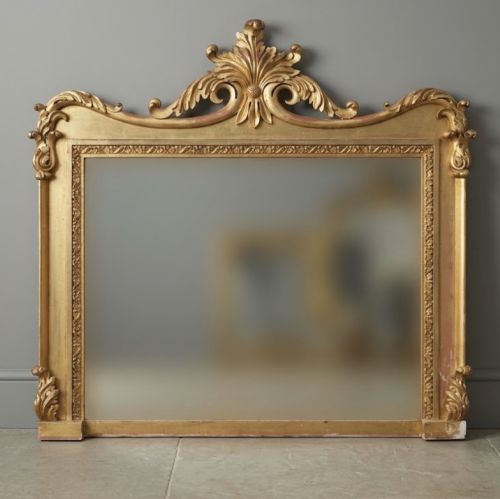

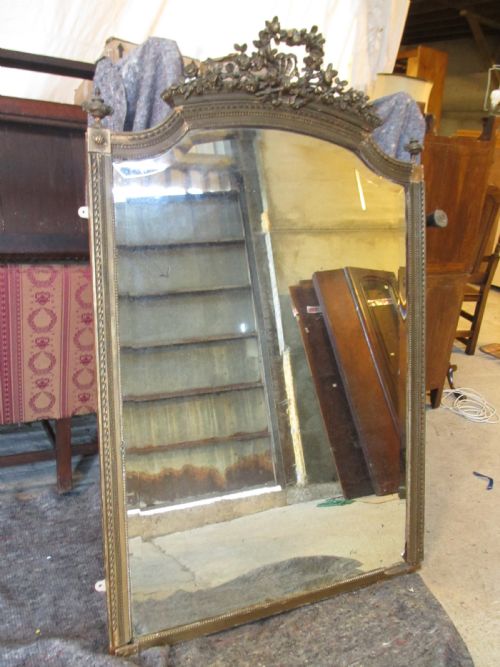
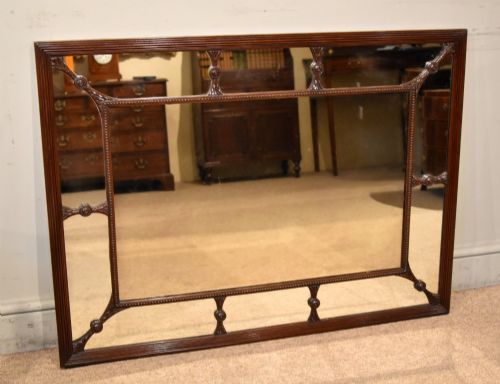
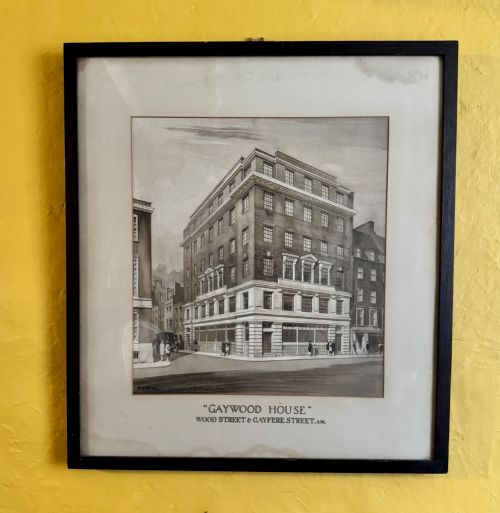
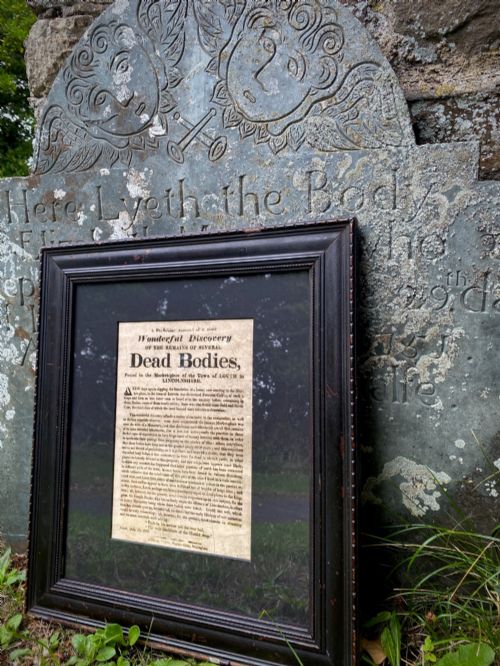

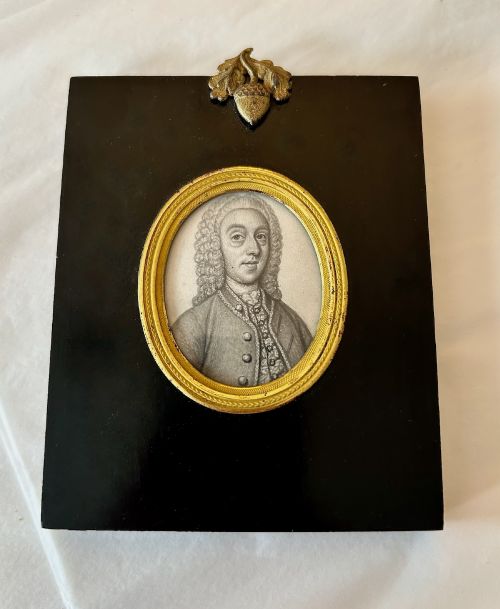
Georgian Wood Frame
When you handle a georgian wood frame, you touch the tactile history of eighteenth-century craftsmanship.
Georgian Wood Frame
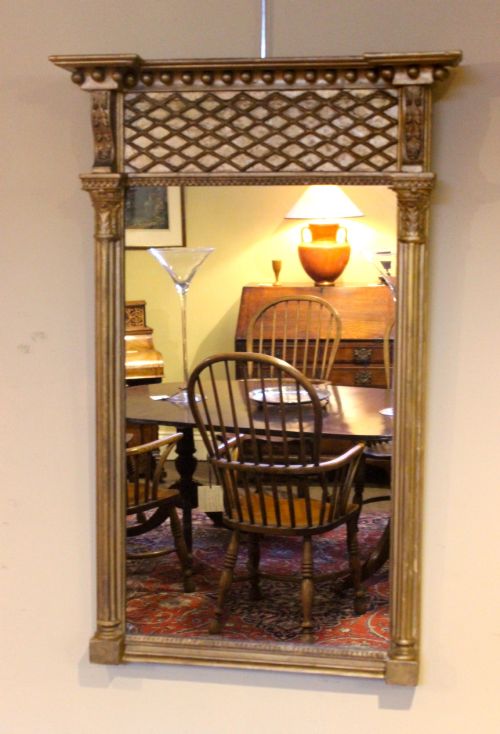
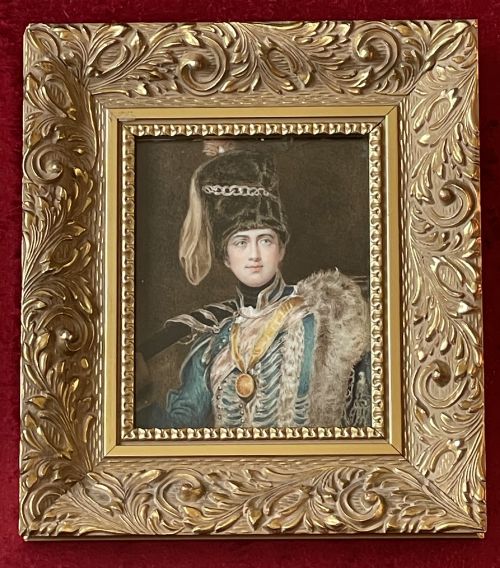
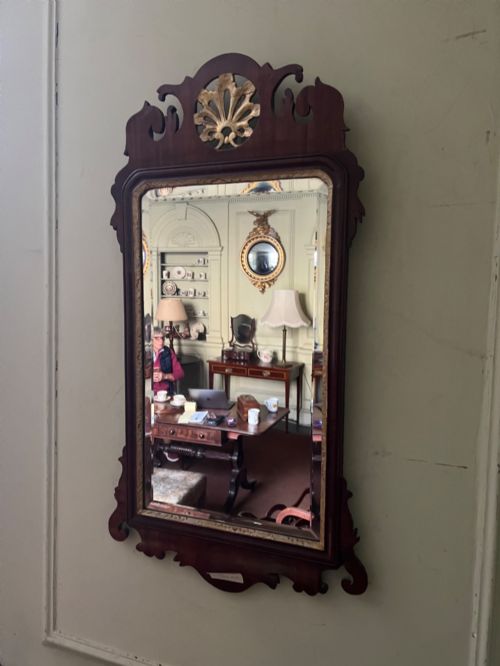
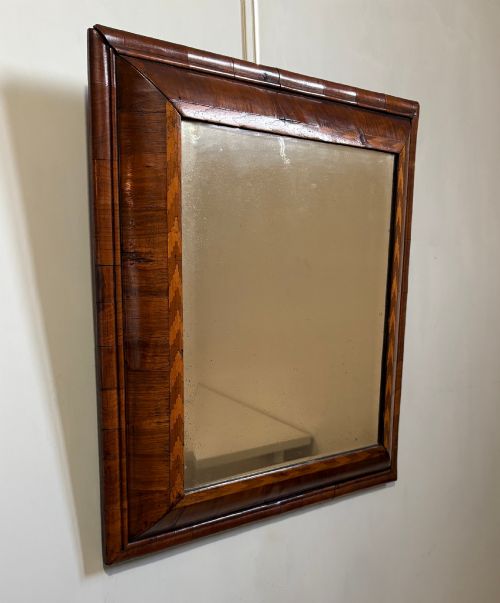
A georgian wood frame brings together centuries-old timber construction and historic visual art, taking the form of mirrors, oil paintings, and engravings. Buyers searching this phrase encounter walnut, mahogany, and maple enclosures built during the Georgian and Regency periods.
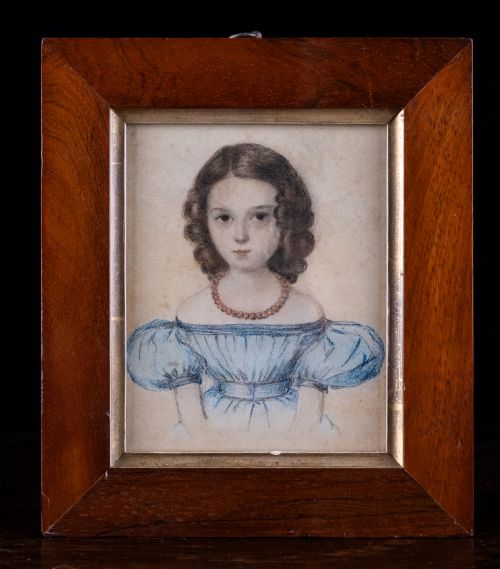
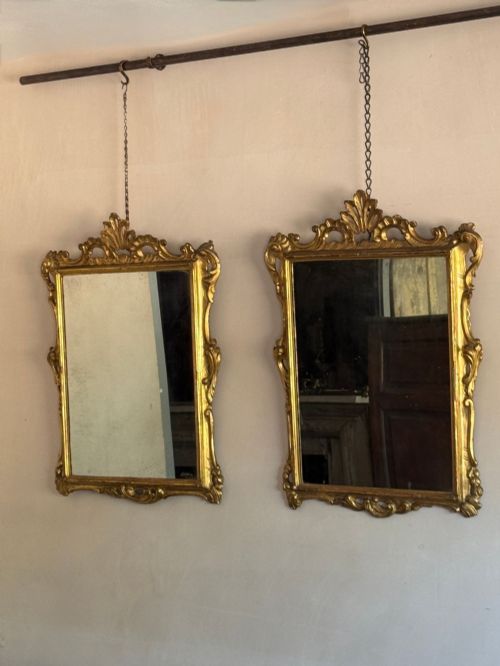
The most common examples on this page are wall mirrors and framed portraits, often incorporating carved fretwork or parcel-gilt detailing. These pieces served functional roles in period interiors while displaying the cabinetmaker's skill through figured grain and traditional joinery.
Origins span eighteenth and nineteenth-century workshops, where timber selection defined the character of each domestic object. Collectors find everything from modest swing dressing mirrors to large overmantel glass plates housed in original surrounds.
Materials and construction
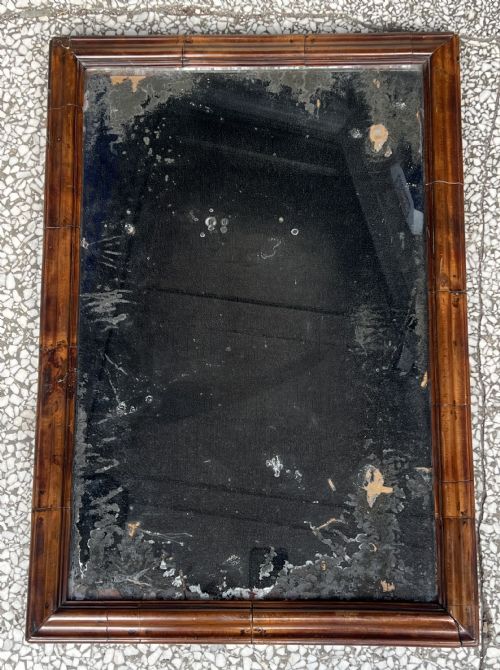
Makers utilised dense native and imported timbers such as mahogany, walnut, and birds eye maple, often chosen for their rich grain patterns. These woods were shaped using hand tools to create structural housings for mirrors and canvases.
Surfaces frequently received applications of gesso, gold leaf, or parcel-gilt highlights to catch the candlelight of domestic interiors. Frame construction relied on mortise and tenon joints alongside traditional adhesives and pinned corners.
Georgian Wood Frame Retail Price Guide 2026
Typical asking prices for georgian wood frame among the pieces listed under this phrase on Sellingantiques today, from the lower quarter to the upper quarter. They describe what is for sale here now, not the wider market.
Current listings feature timber frames constructed from walnut, mahogany, and maple across the seventeenth, eighteenth, and nineteenth centuries.
Distinctions in craftsmanship
The degree of hand-carved detail sets superior examples apart, particularly in complex fretwork, scrolling foliage, and applied ornamentation. Crisp execution in the timber moulding indicates the competency of the original workshop.
Originality of surface finish and glass plates dictates the standing of a piece within its category. Untouched patination on the timber preserves the historical integrity valued by experienced collectors.
Miles and Edwards·Thomas Murray·Thomas Frye·Trajan Hughes
The Georgian Wood Frame Glossary
- Parcel gilt
- Partially gilded with gold leaf, leaving areas of the underlying timber or paint exposed to create contrast. This technique was common on eighteenth-century wall mirrors.
- Gesso
- A plaster-like mixture applied to wood surfaces as a base for gilding or painting. It allowed carvers to achieve sharp, intricate relief details before applying gold leaf.
- Fretwork
- Openwork ornamentation carved or pierced from a flat board of timber. Georgian mirror frames frequently employed this technique in symmetric geometric patterns.
- Pier mirror
- A tall, narrow glass designed to hang on the wall space between two windows. These pieces often featured elaborate wood frames to reflect available light.
Georgian Wood Frame: Frequently Asked Questions
How do I identify a genuine period wood frame?
Examine the timber species, joinery methods, and the backboards for signs of age-appropriate tool marks and oxidation. Eighteenth and nineteenth-century frames often utilise hand-sawn boards and old fixings.
Look closely at the surface finish for natural patination that develops over generations of handling and environmental exposure. Historic gilding and gesso will show micro-crazing consistent with ageing materials.
Were these frames always paired with their current mirrors?
Many mirrors from this era retain their original mercury glass plates, though some have seen replacement glass over centuries of domestic use. The fit of the glass within the rebate helps determine original association.
Check the backing timbers and wedges to see if the mirror plate has ever been disturbed. Original plates often exhibit minor foxing and silver degradation.
What is the best way to clean historic wood frames?
Dust the timber gently with a dry, soft brush to remove surface particles without disturbing the underlying patination or gilding. Avoid using modern chemical polishes or water on antique finishes.
For gilt surfaces, consult a professional conservator if flaking occurs. Maintaining a stable indoor humidity prevents the timber from shrinking and cracking.
How do I hang a heavy antique wall mirror safely?
Distribute the weight evenly using appropriate wall fixings secured directly into structural studs or masonry rather than plaster alone. Ensure the hanging cord or wire matches the load capacity.
Professional mirror hangers utilise brackets that support the frame from the base rather than relying solely on top rings. Regular inspection of the hanging hardware prevents accidental falls.