


Georgian Wine Bottle Label
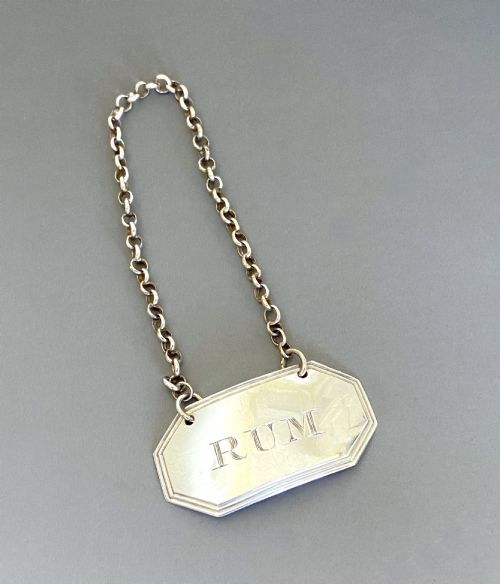
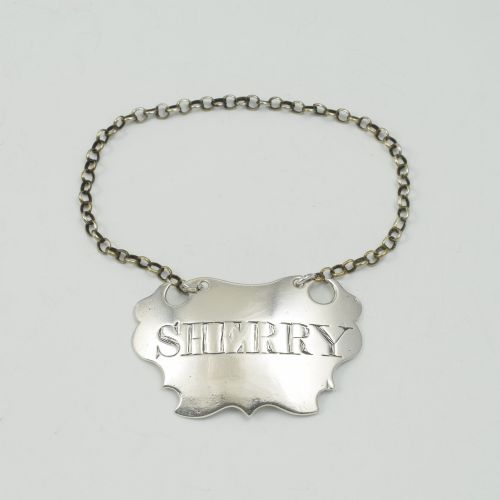
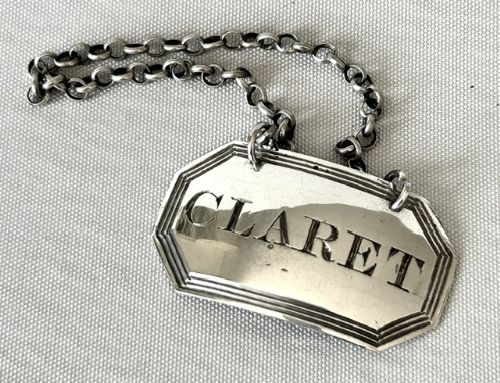
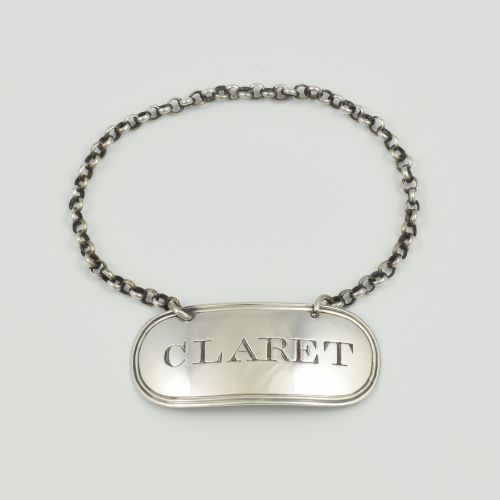
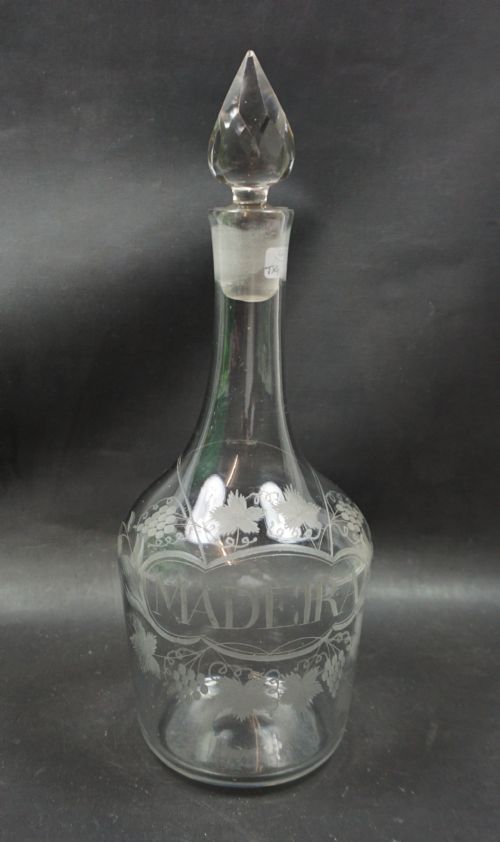
These georgian wine bottle label pieces are small sterling silver tags made to identify port, sherry, and claret in the decanter.
Georgian Wine Bottle Label
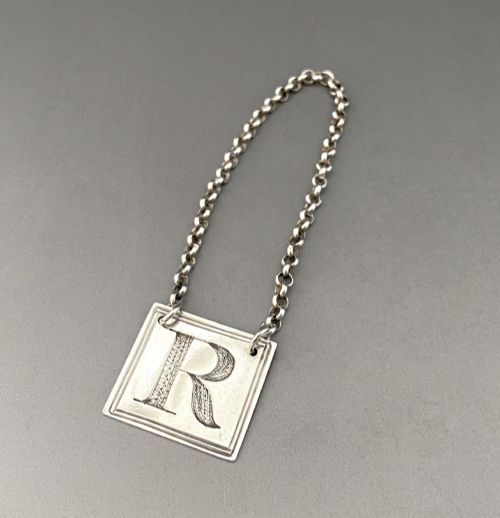
When you search for georgian wine bottle label examples, you encounter small silver tags designed to hang around the neck of a decanter to name the contents. The selection here spans the Georgian and Regency periods, featuring named drinks such as sherry, claret, rum, madeira, and hock.
You find escutcheon shapes, vine leaf motifs, and rectangular plaques made by notable makers including Elizabeth Morley, John Reily, and Thomas Wallis II. Most pieces are wrought in sterling silver, with occasional examples in silver gilt.
How they were made
Silversmiths utilised sterling silver and silver gilt, shaping the metal through cutting, piercing, and stamping techniques. Makers applied hand engraving to letter the beverage names and decorate the borders with vine leaves or rococo revival motifs.
Suspension chains and rings formed from silver wire accompanied the tags to secure them around the bottleneck. Provincial and London workshops produced these items, stamping them with hallmarks to record the standard of the metal and the maker's mark.
Periods represented span the Georgian, Regency, and Victorian eras, alongside specific years from the eighteenth and nineteenth centuries.
What varies in quality
The distinction between standard examples and finer pieces lies in the crispness of the hand engraving and the depth of the pierced decoration. Tags bearing clear hallmarks from known silversmiths command greater attention than unmarked or rubbed items.
The presence of original suspension chains and distinct lettering for specific spirits like rum or hock separates ordinary production from more desirable collector pieces.
Elizabeth Morley·John Reily·Thomas Wallis II·William Sharp·Peter and Anne Bateman
The Georgian Wine Bottle Label Glossary
- Escutcheon
- A shield-shaped piece of silver designed to display a beverage name. This form was widely used during the eighteenth century.
- Silver Gilt
- Silver that has been coated with a thin layer of gold on the surface. This technique added a rich colour to the metal.
- Hallmark
- An official stamp applied to silver objects to indicate purity, origin year, and maker. These marks help date the piece accurately.
- Decanter Label
- A small tag hung from a bottle or decanter to identify the wine inside. They are also known historically as bottle tickets.
Georgian Wine Bottle Label: Frequently Asked Questions
How do I hang a wine label on a decanter?
These labels are suspended by a silver chain or wire that loops around the neck of the decanter. You simply slip the chain over the mouth of the vessel before inserting the stopper.
The label then hangs freely against the glass, identifying the contents clearly for guests at the table.
What drinks are usually named on these labels?
The most common drinks found on these silver tags include sherry, claret, madeira, port, rum, and hock. Each label was dedicated to a specific fortified or table wine served from the decanter.
Some miniature versions specify single servings, such as rum or individual portions.
How can I tell the period of a silver label?
You determine the period by examining the style of decoration, such as vine leaf motifs or escutcheon shapes, alongside any stamped hallmarks. London and provincial assay offices marked pieces with date letters that reveal the year of manufacture.
Stylistic shifts from Georgian restraint to Regency or Victorian elaboration also help date the metalwork.