



Georgian Wax Seal Fob
Georgian wax seal fobs are miniature masterpieces of personal stationery, combining precious metals and hardstone intaglios into wearable tokens of identity.
Georgian Wax Seal Fob
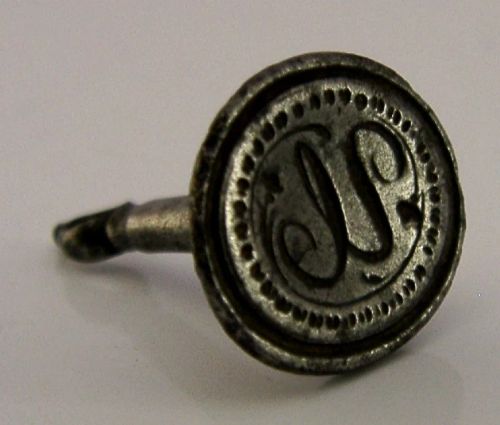
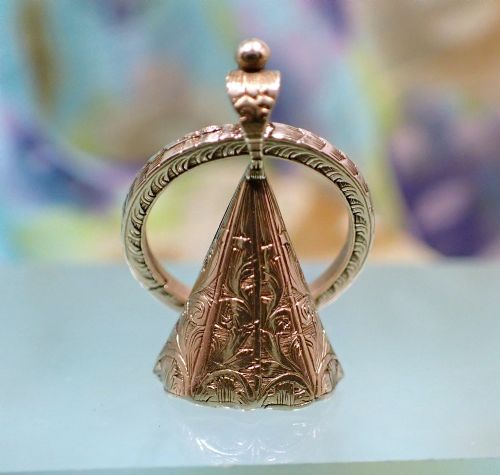
A georgian wax seal fob is a small pendant designed to hang from a pocket watch chain, featuring a carved stone base used for stamping hot wax. Buyers seeking a georgian wax seal fob will encounter various forms, from simple gold cased designs to ornate swivel pendants.
The pieces on this page span several periods, including Georgian, Victorian, and later twentieth century interpretations, reflecting enduring tastes. Materials range from solid gold and 9ct or 15ct gold to gilt metal and steel, paired with carved stones.
Object types include pendant charms, desk accessories, and fob seals, often engraved with names, initials, or motifs like horses and classical figures. These items served both a practical administrative function and a decorative purpose in daily attire.
Materials and construction
Metals such as gold, silver, gilt metal, and cut steel form the structural mounts and ornate frames of the fobs. Goldsmiths shaped and chased these metals into intricate decorative loops and bezels to secure the stones.
Hardstones including carnelian, bloodstone, chalcedony, sardonyx, and rock crystal are set into the base of the fobs. Artisans engraved these stones in intaglio, creating sunken designs that left a raised impression when pressed into sealing wax.
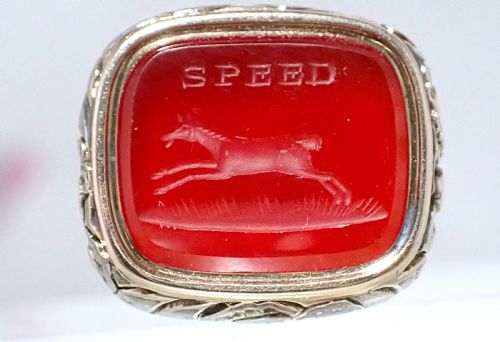
One piece hides a carved horse beneath the energetic word SPEED.
Judging quality and craftsmanship
Quality in these pieces rests upon the crispness of the intaglio carving and the depth of detail in the metal mount. Superior examples display finely rendered portraits, coats of arms, or inscriptions cut with precision into stones like carnelian or bloodstone.
The choice of metal significantly alters the character and worth of the piece, with higher carat golds and solid silver marking out finer tiers. Heavier mounts, enamel work, and sophisticated swivel mechanisms also distinguish the more ambitious pieces from simpler gilt metal or steel items.
The Georgian Wax Seal Fob Glossary
- Intaglio
- A design carved into the surface of a stone so that the impression made in wax is raised. This technique requires great skill to ensure readability in miniature scale.
- Carnelian
- A brownish-red variety of quartz crystal used frequently for seal stones. Its uniform colour provides a strong visual contrast against stamped red wax.
- Fob
- A short strap, ribbon, or chain attached to a pocket watch, carrying a decorative pendant at the end. The seal sits on this pendant for easy access.
- Swivel
- A mechanism allowing the head of the fob to rotate on its axis. This lets the wearer display different faces or stones on the same pendant.
- Gilt metal
- A base metal treated with a thin layer of gold or gold wash. It offered an accessible alternative to solid gold during the Georgian and Victorian eras.
Georgian Wax Seal Fob: Frequently Asked Questions
How did people use a wax seal fob?
Owners used these fobs to melt sealing wax and press their personal monogram or crest onto letters and documents. The engraved stone left a distinct, tamper-proof mark that identified the sender.
They were suspended from watch chains and worn as everyday accessories, combining practicality with personal expression.
What materials are common in these seals?
The mounts utilise gold, silver, gilt metal, and cut steel to hold the carved base securely. Common stones include carnelian, bloodstone, chalcedony, sardonyx, and rock crystal.
Precious metal standards vary from solid 9ct and 15ct gold to gold cased and silver configurations.
How do I date a fob seal?
Dating relies on stylistic clues in the metalwork mount, the nature of the engraving, and the type of stone used. Georgian pieces often feature Neoclassical motifs or simpler gold frames, while Victorian examples can be heavier and more ornate.
Inscriptions and names recorded in the evidence help link pieces to specific eras.
Are these seals still functional today?
Most of these pieces retain their original carved intaglio bases and remain fully capable of stamping hot wax. They function well as modern pendants or charms on necklaces and chains.
Care should be taken when using antique hardstones and metal settings to preserve their historic condition.