


Georgian Watercolor
A georgian watercolor brings intimate portraiture and delicate landscape work into a room through transparent washes on paper or ivory.
Georgian Watercolor
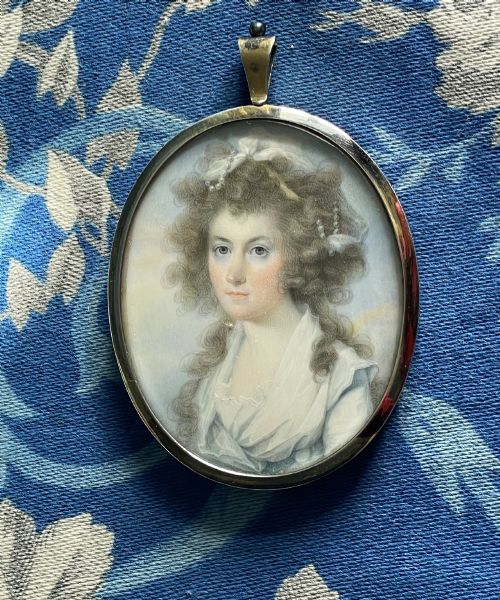
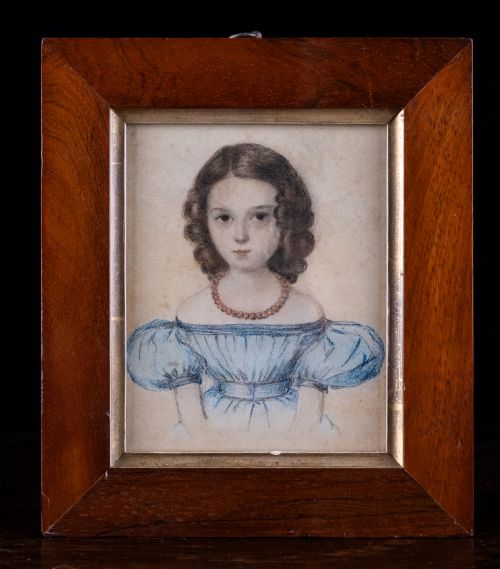
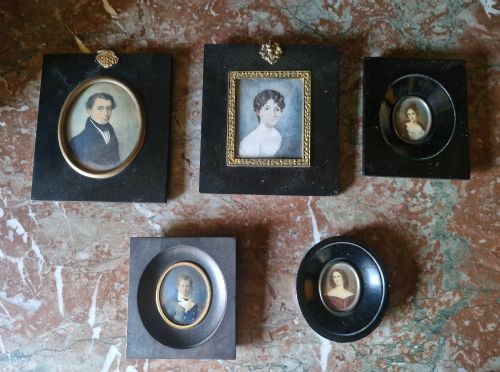
When searching for a georgian watercolor, a buyer encounters works that capture likenesses and scenes from the eighteenth and early nineteenth centuries. These pieces appear primarily as portrait miniatures, landscape drawings, and botanical studies executed during the Georgian and Regency periods.
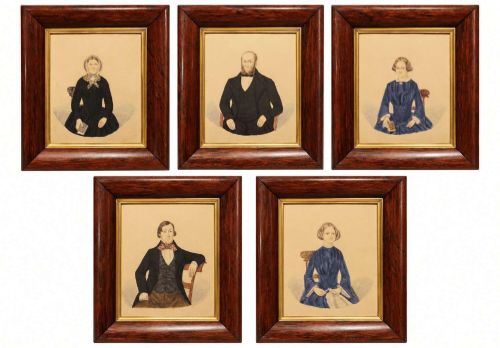
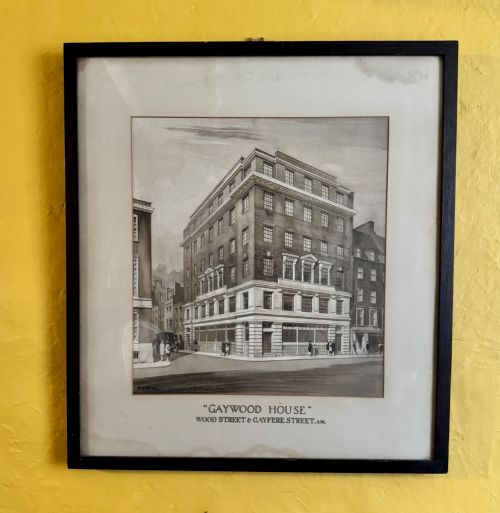
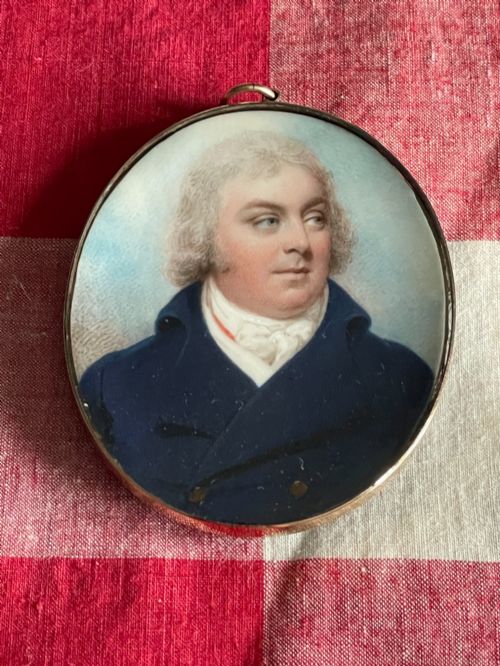
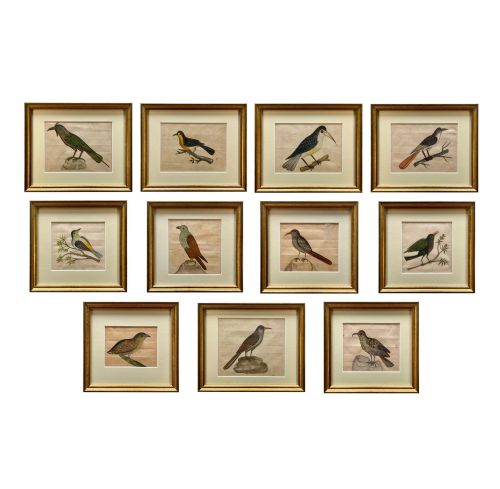
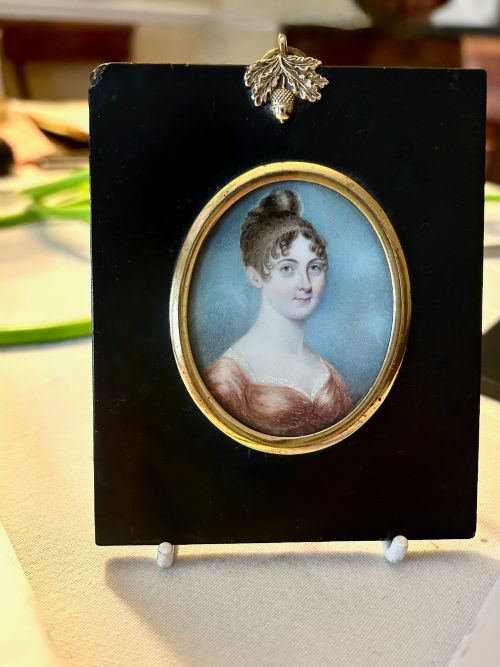
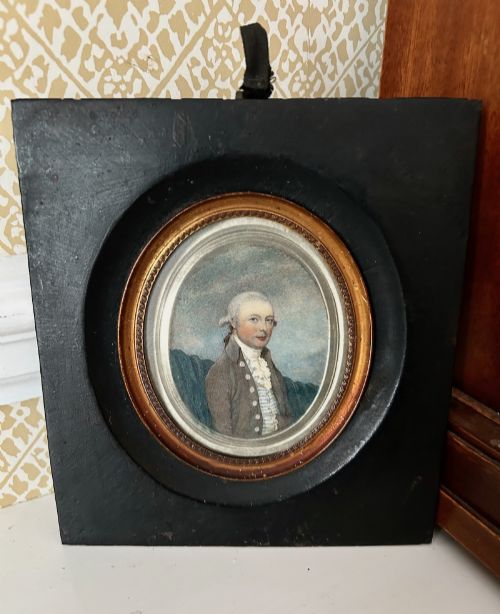
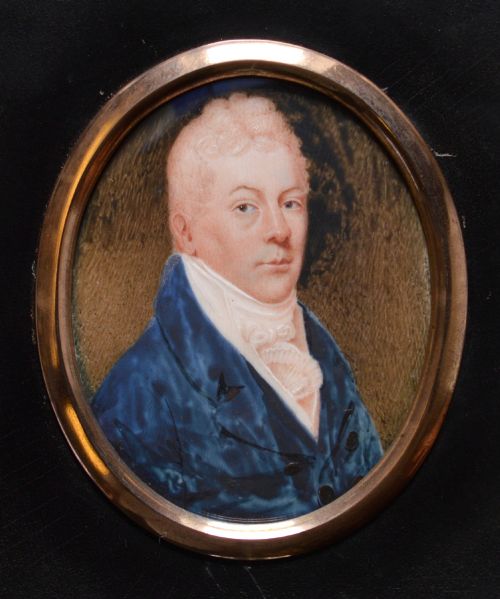
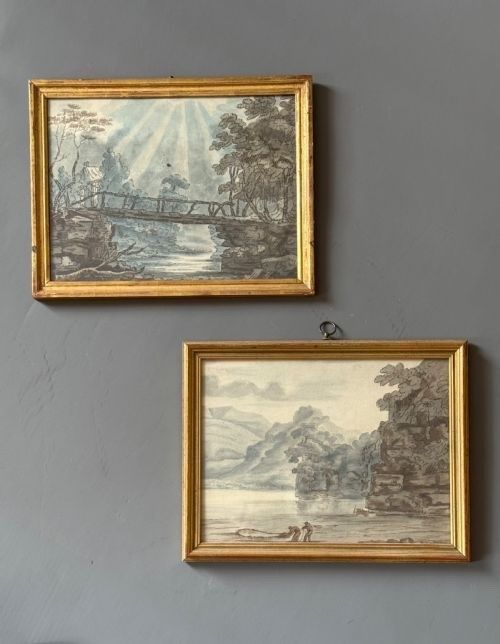
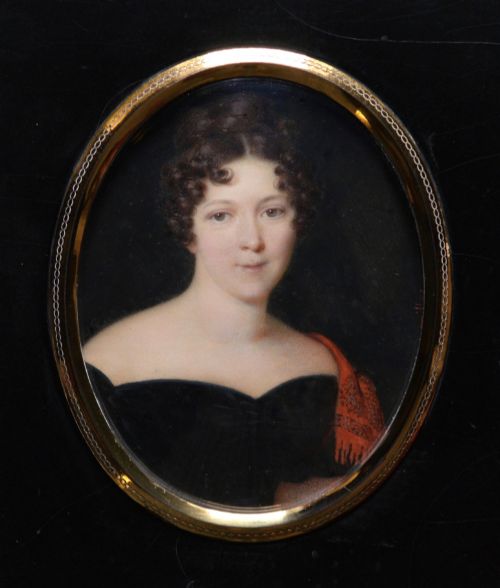
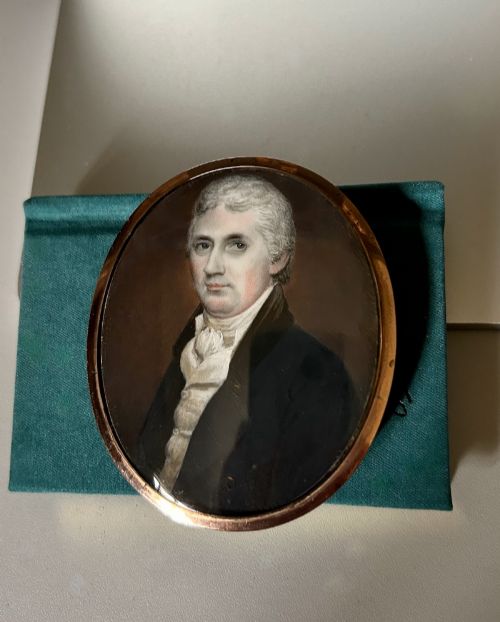
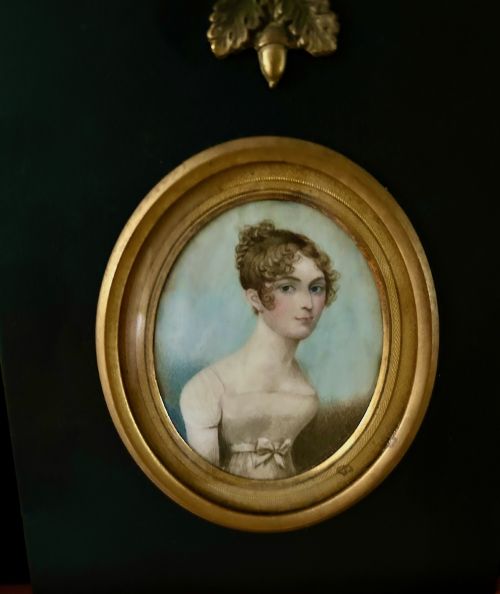
The objects on this page range from small oval miniatures housed in ebonised or gilt metal frames to framed landscape views and botanical compositions. Portrait miniatures on paper or ivory form the largest share of these historic works, recording the faces of officers, ladies, and children.
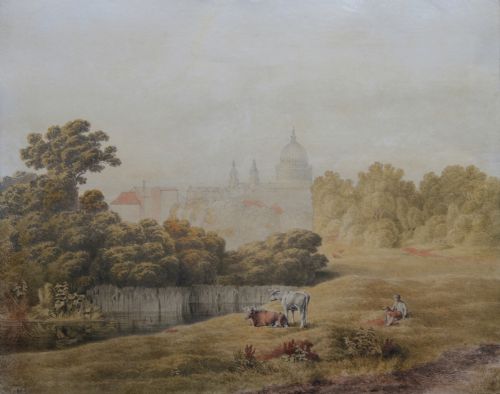
Makers and schools from Britain and France dominate the selection, alongside specific depictions ranging from St. Paul's Cathedral to domestic fruit baskets. The material support varies from prepared paper to thin slices of ivory, often preserved behind original glass.
Materials and Technique
Artists painted these works using water-soluble pigments suspended in gum arabic, applied in translucent layers upon sheets of paper or delicate ivory. This technique allowed light to reflect through the pigment from the white ground beneath, creating luminous skin tones and atmospheric depth.
Makers mounted finished paintings within protective enclosures such as gold plated oval frames, maple surrounds, or deep ebonised wood frames. Many miniatures incorporated seed pearls, brass fittings, or pen and ink underdrawing to define the crisp contours of hair and clothing.
Georgian Watercolor Retail Price Guide 2026
Typical asking prices for georgian watercolor among the pieces listed under this phrase on Sellingantiques today, from the lower quarter to the upper quarter. They describe what is for sale here now, not the wider market.
Several miniatures capture subjects wearing elaborate grey wigs and red coats, preserving centuries-old fashion choices in miniature detail.
Assessing Quality
The preservation of the paper or ivory support and the vibrancy of the original pigments dictate the standing of a piece. Works retaining their contemporary frames and untouched surfaces represent the higher tier of surviving examples.
Frederick Buck·William James Hubard·Charles Shirreff·Richard Cosway·John C D Engleheart
The Georgian Watercolor Glossary
- Watercolour
- A painting method where pigment is mixed with water-soluble binders and applied to paper or ivory. This medium creates transparent washes that allow the reflective ground to illuminate the composition.
- Portrait Miniature
- A small, highly detailed painting designed for intimate viewing or personal carriage. These works frequently depict family members or military officers using fine brushes on ivory or paper.
- Ivory
- A smooth, dense organic material utilised as a painting support for portrait miniatures. Its natural luminosity enhanced the realistic portrayal of human skin in Georgian art.
- Regency
- A stylistic period spanning the early nineteenth century defined by neoclassical elegance. Works from this era often incorporate clean lines and classical motifs.
Georgian Watercolor: Frequently Asked Questions
What is a georgian watercolor?
A georgian watercolor is a portable painting created during the eighteenth or early nineteenth century, typically featuring portrait miniatures, botanical studies, or topographical views.
These works utilise water-based pigments on paper or ivory, often preserved within small protective frames of wood, brass, or gilt metal.
How were portrait miniatures used?
Portrait miniatures served as intimate tokens of affection, remembrance, or status among families and associates during the Georgian era.
Owners carried them in pockets, wore them as lockets, or displayed them on parlour walls as personal records of loved ones.
Are these paintings on paper or ivory?
Artists utilised both paper and thin slices of ivory as supports for these historic watercolours, depending on the desired luminous effect.
Ivory provided a glowing surface particularly suited for flesh tones in portraiture, while paper supported larger landscape drawings and botanical studies.
How do I care for historic watercolours?
Historic watercolours require protection from direct sunlight and high humidity to prevent pigment fading and paper degradation.
Keeping them behind glass in stable indoor environments preserves the fragile organic materials and delicate washes.