


Georgian Wall Unit
These georgian wall unit pieces provide practical storage in corner cupboards and hanging shelves spanning the eighteenth and nineteenth centuries.
Georgian Wall Unit
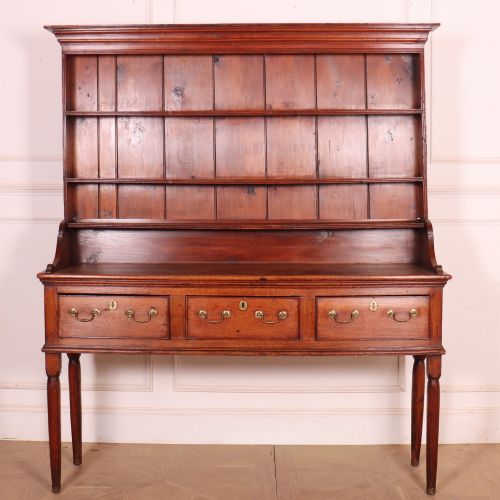
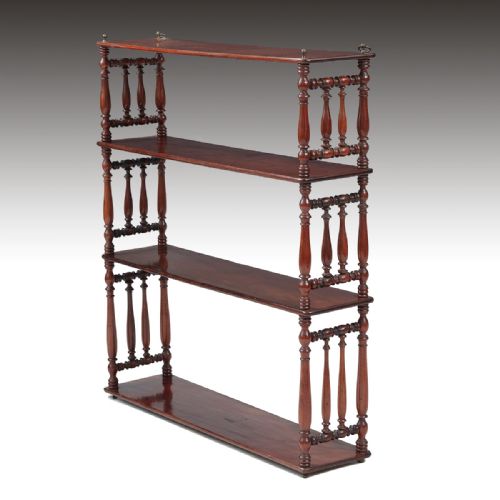
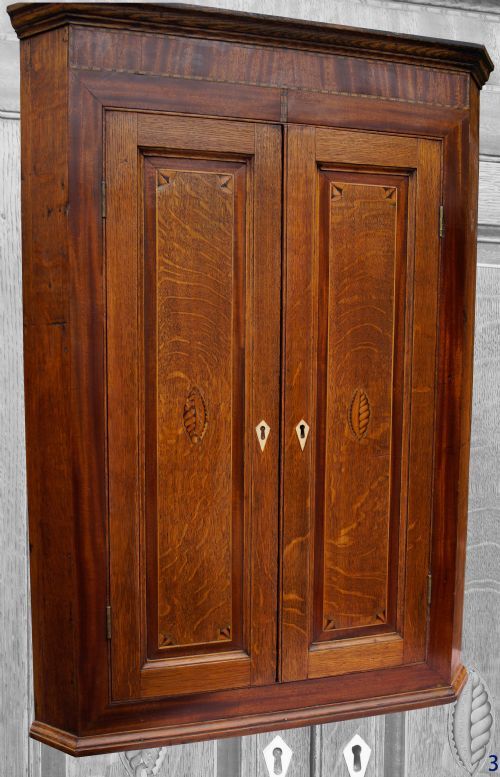
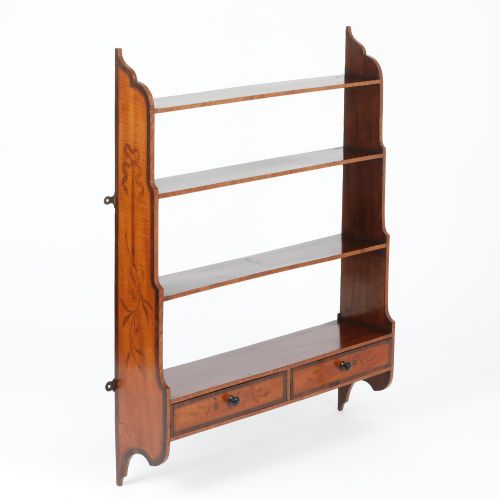
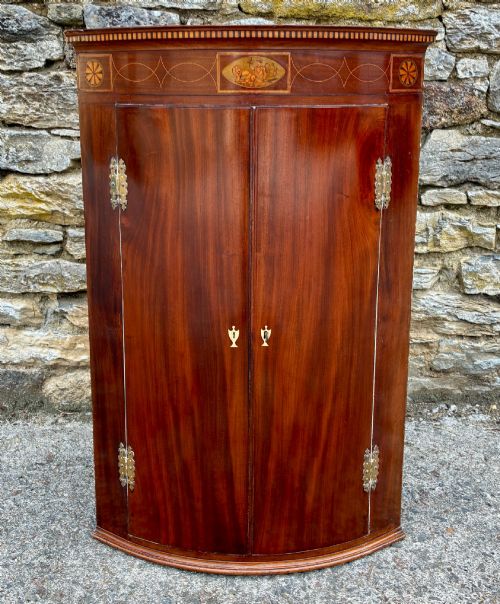
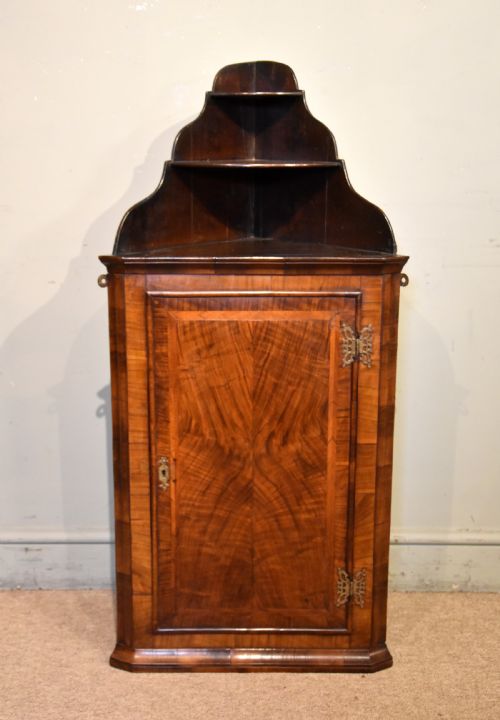
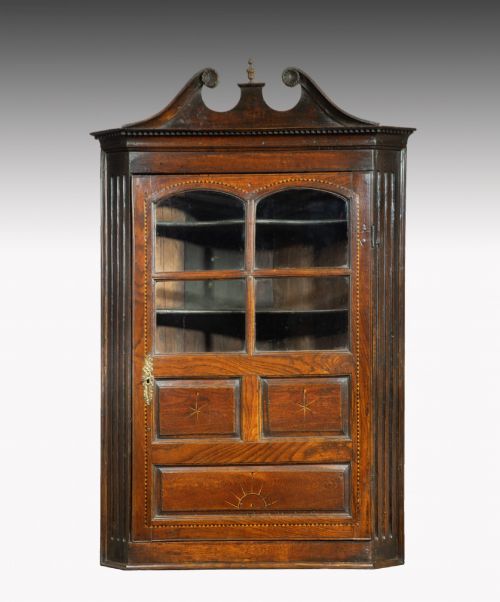
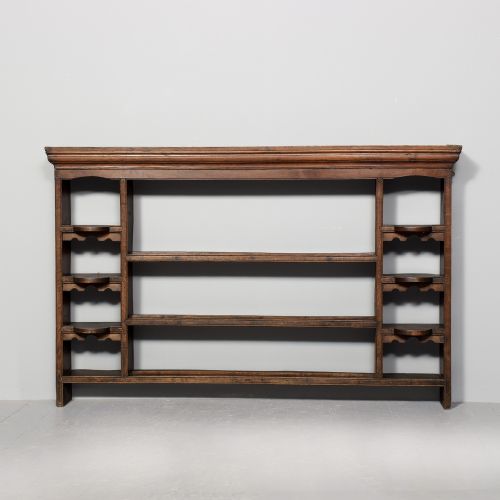
A georgian wall unit covers various hanging shelves, plate racks, and corner cupboards designed to utilise domestic wall space efficiently. The examples gathered here span from eighteenth-century oak and walnut pieces to nineteenth-century mahogany variations.
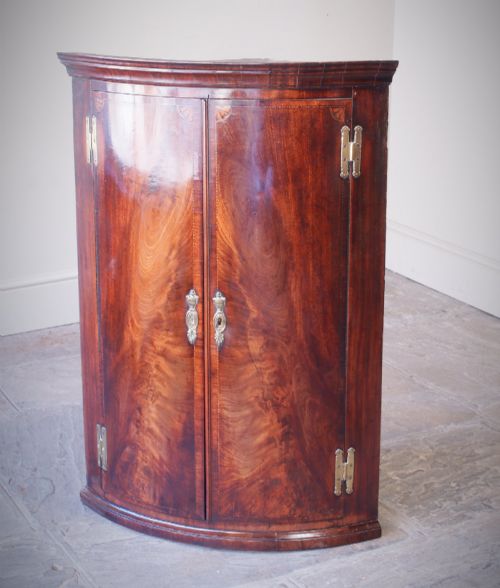
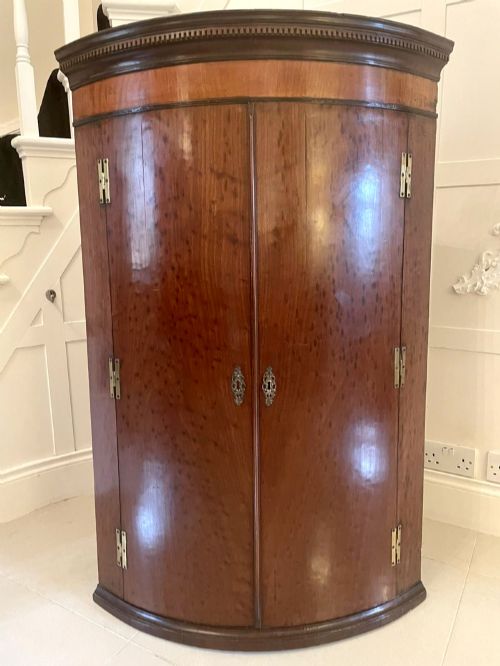
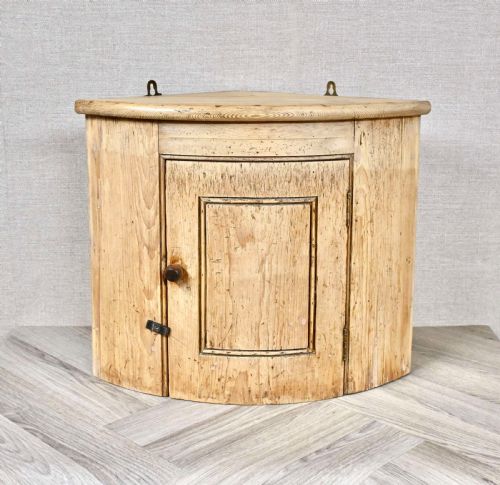
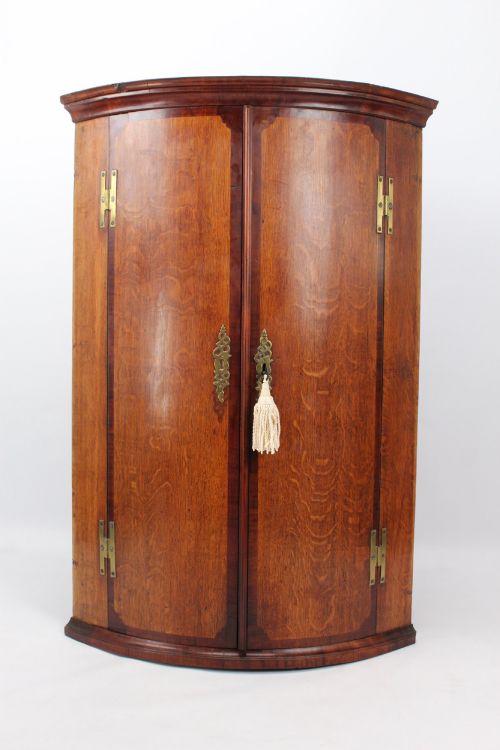
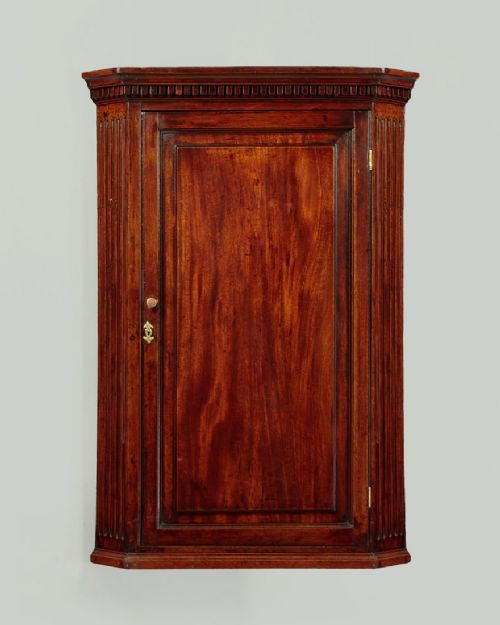
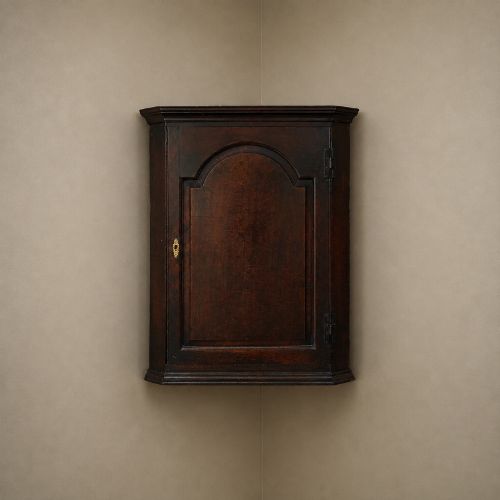
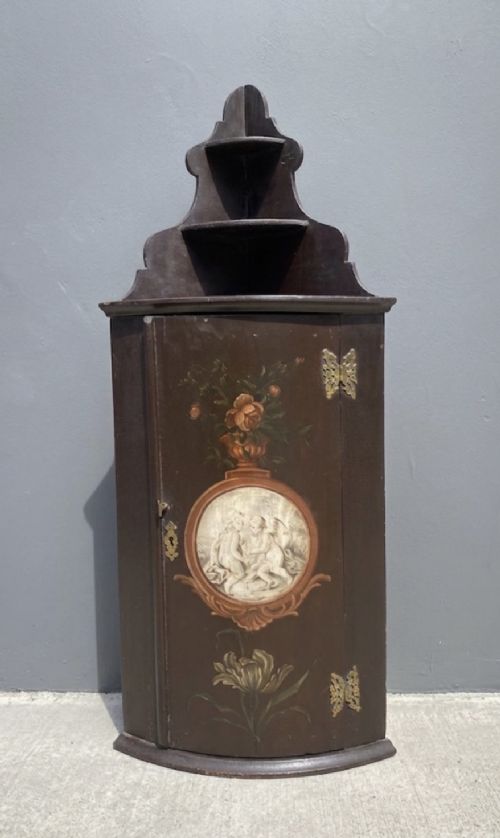
Corner cupboards dominate the selection, shaped with bow fronts and flat panels to fit tight room angles. Hanging shelves and wall cabinets complete the range, providing open display alongside enclosed storage.
Periods represented stretch from the early eighteenth century through the Regency era, with later revivals appearing alongside authentic period items.
Materials and construction
Cabinet makers utilised native timbers such as oak, mahogany, walnut, and pine, often incorporating satinwood for decorative contrast. Brass fixtures appear on hinges and escutcheons.
Surfaces feature painted finishes, japanned chinoiserie detailing, and fine inlays, whilst structural forms rely on solid timber joints and wall-hanging fixings.
Georgian Wall Unit Retail Price Guide 2026
Typical asking prices for georgian wall unit among the pieces listed under this phrase on Sellingantiques today, from the lower quarter to the upper quarter. They describe what is for sale here now, not the wider market.
Listings feature woods including mahogany, oak, walnut, pine, and satinwood, alongside brass hardware.
Evaluating construction and detail
Quality rests upon timber selection and the precision of the cabinet work, particularly around curved bow fronts and corner joints. Superior pieces demonstrate careful timber matching and refined decorative inlays.
Architectural elements like broken arch pediments and original painted finishes distinguish finer examples from standard utilitarian cupboards.
The Georgian Wall Unit Glossary
- Bow front
- A convex curved cabinet front popular in eighteenth-century design. This shape softens room corners and adds visual depth.
- Corner cupboard
- A storage unit constructed specifically to fit into the ninety-degree angle of a room. It maximises floor space while offering accessible shelving.
- Japanned
- A European imitation of East Asian lacquering techniques. It involves applying layered varnishes and decorative motifs.
- Broken arch pediment
- An architectural feature above a cabinet door where the triangular pediment is left open at the apex. It often houses a central finial or decorative carving.
- Plate rack
- Open timber shelving designed to display plates vertically against a wall. They function as both storage and kitchen decoration.
Georgian Wall Unit: Frequently Asked Questions
Where should I hang a corner cupboard?
These units suit empty room corners where floor space is limited, utilising dead space effectively.
Ensure the wall structure securely supports the weight of solid timber and stored items.
How do I identify a genuine period piece?
Examine the timber grain, construction methods, and hardware to determine age.
Indicators include hand-cut joints, period brass hinges, and natural timber ageing consistent with the eighteenth or nineteenth century.
What is the difference between oak and mahogany models?
Oak examples generally appear in earlier country pieces with robust, visible grain patterns.
Mahogany versions tend to date from the later eighteenth century onwards, offering a smoother reddish-brown surface suited to formal interiors.
Can hanging shelves hold heavy books?
Most wall-hanging shelves accommodate lighter items like books, plates, or decorative objects.
Check the wall fixings and shelf depth carefully before loading heavy volumes.