

Georgian Vernacular Chairs
Georgian vernacular chairs bring unpretentious local character into a room through honest domestic timbers and direct regional forms.
Georgian Vernacular Chairs
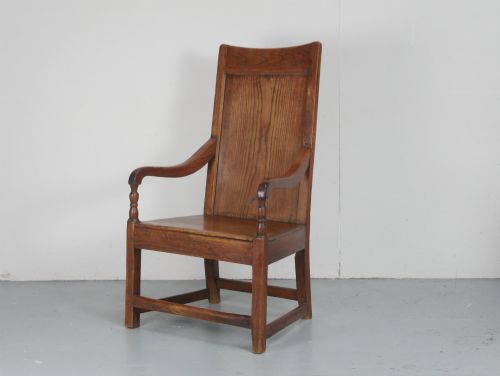
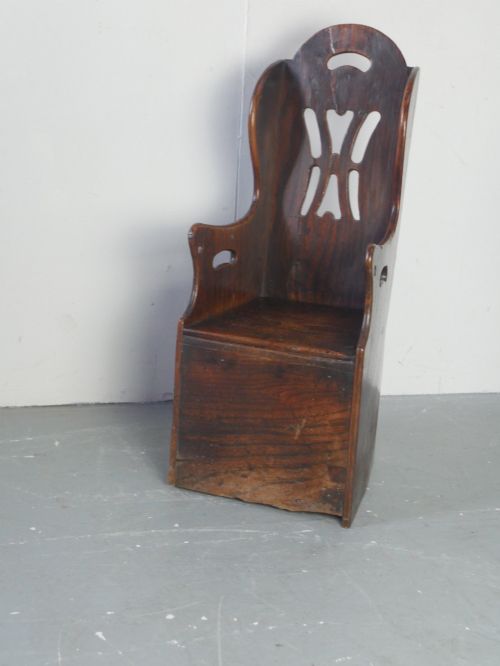
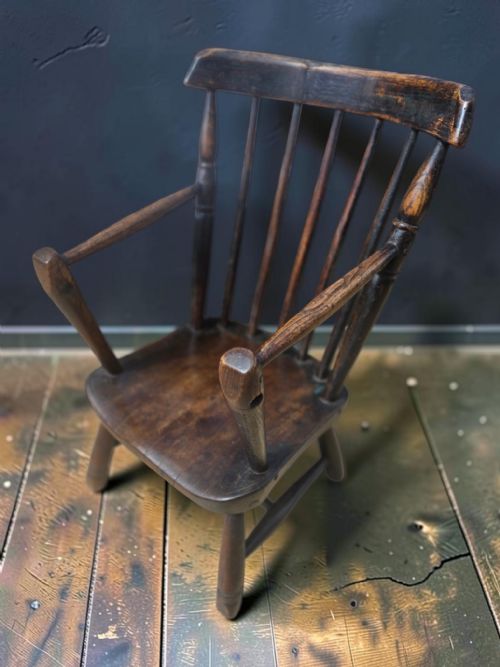
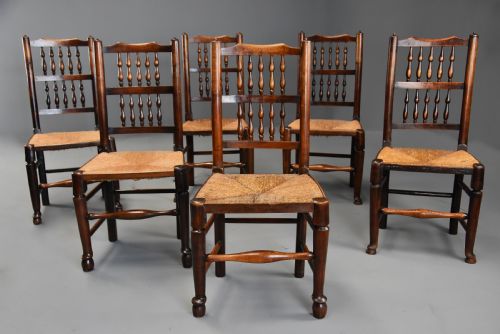
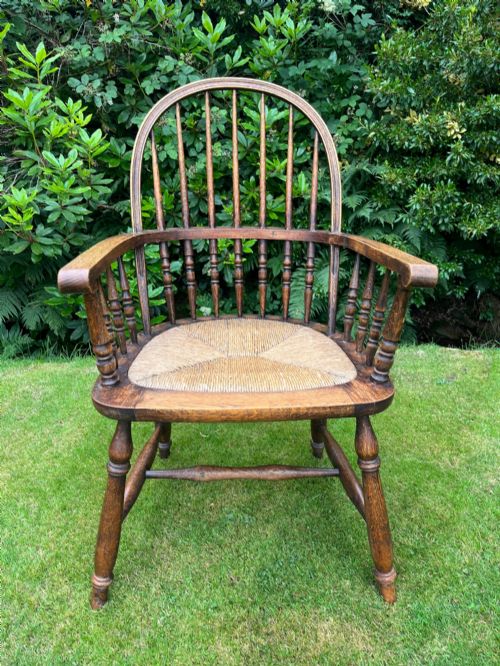
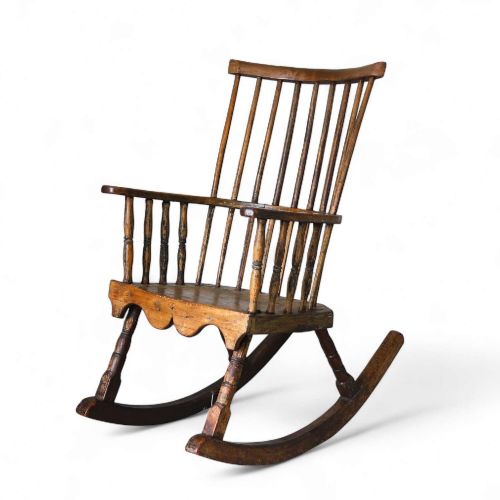
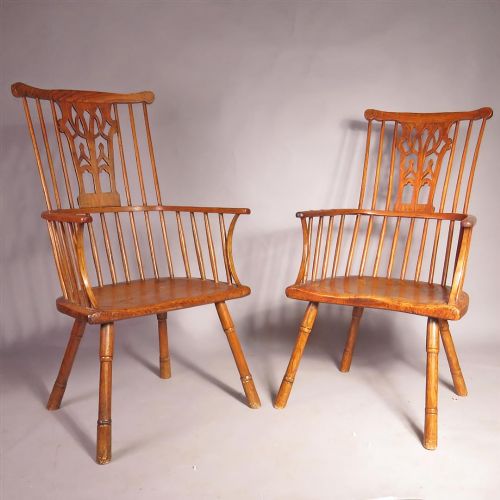
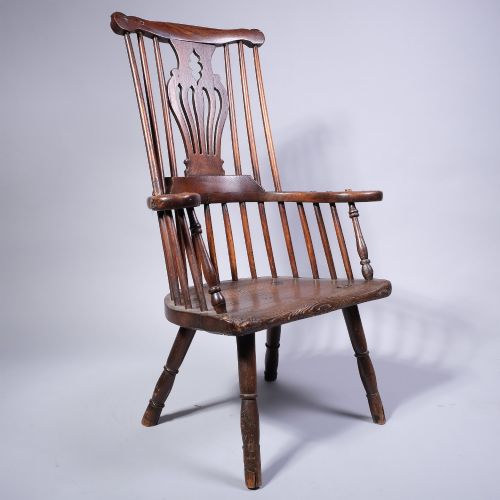
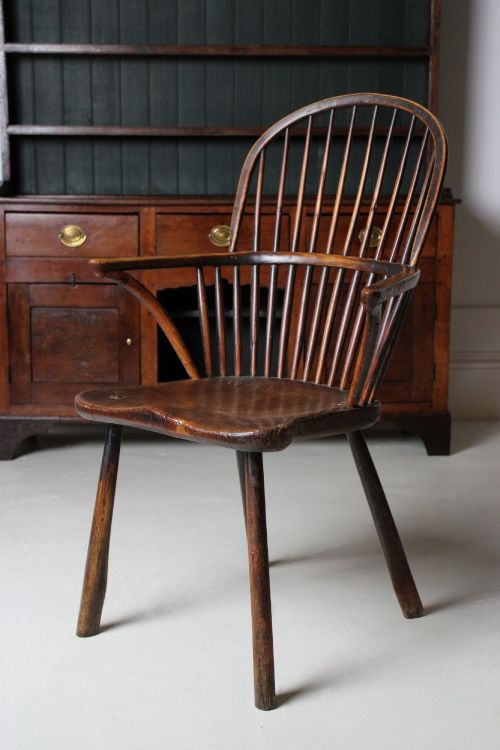
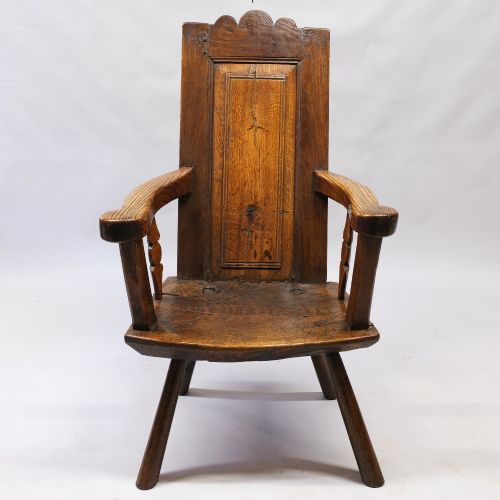
When you search for georgian vernacular chairs, you encounter seating built outside elite urban workshops for everyday domestic use. These pieces include windsor chairs, ladderbacks, lambing chairs and simple dining chairs produced across regions from the Thames Valley to Wales and the West Country.
The selections span the eighteenth and nineteenth centuries, featuring robust forms intended for farmhouse kitchens and country parlours. You will frequently find armchairs, carvers and sets of dining chairs shaped by local tradition rather than court fashion.
How They Were Made
Maker-craftsmen built these seats using locally available native timbers such as elm, ash, oak, yew and beech, often combining multiple woods within a single frame for structural strength. Seats were commonly carved from solid elm blocks or fitted with rush seating.
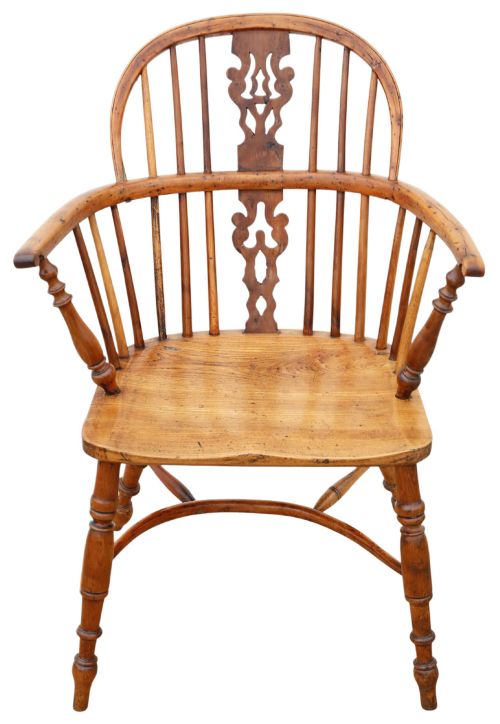
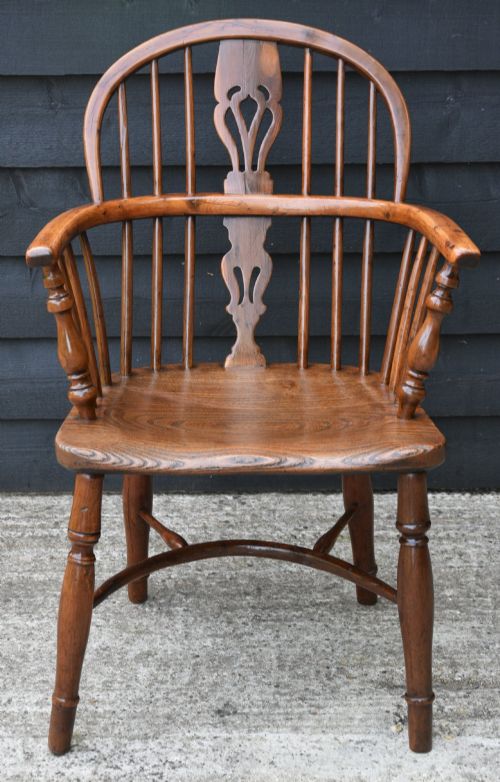
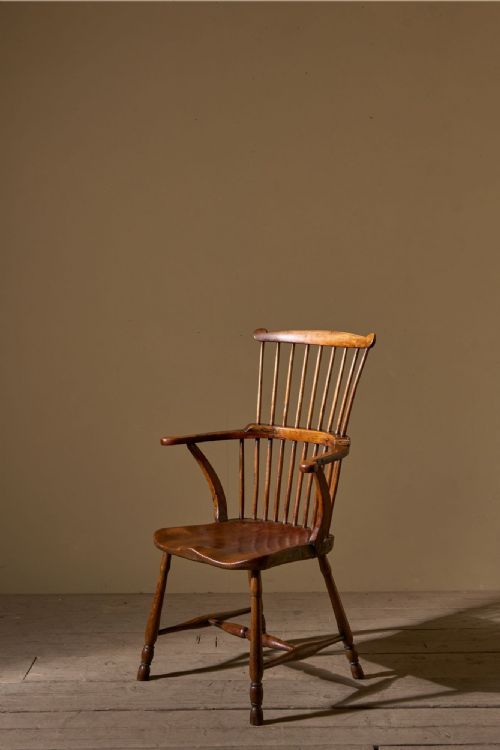
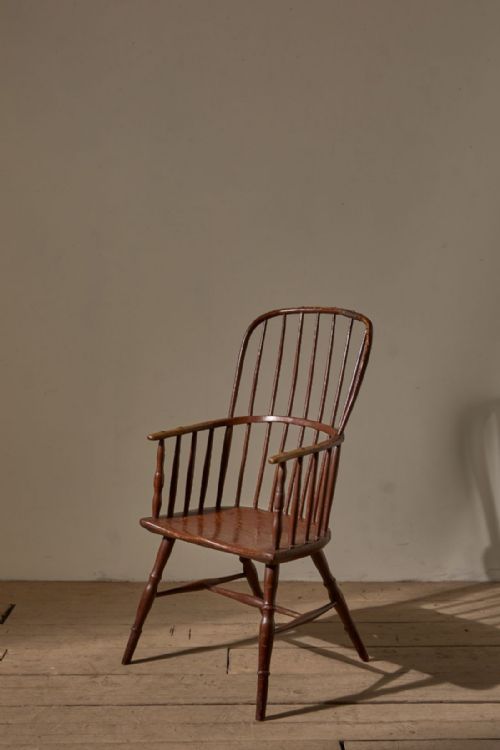
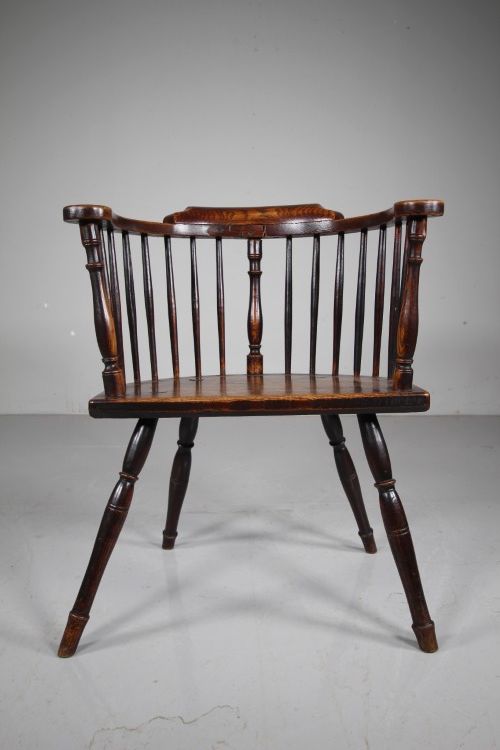
Construction relied on traditional joinery methods, incorporating turned spindles, steam-bent hoops and comb backs fixed directly into thick wooden seats. Surfaces were frequently left bare to age naturally, though surviving examples show original paint finishes.
Georgian Vernacular Chairs Retail Price Guide 2026
Typical asking prices for georgian vernacular chairs among the pieces listed under this phrase on Sellingantiques today, from the lower quarter to the upper quarter. They describe what is for sale here now, not the wider market.
Listings feature elm, ash, oak, yew, beech and rush across eighteenth and nineteenth century forms.
What Varies in Quality
Quality rests in the integrity of the timber selection and the harmony of the regional form. Chairs with well-figured yew wood, distinct burr splats or deep patination command greater attention than plainer examples.
Proportion and comfort distinguish superior pieces, particularly in windsor designs where the rake of the legs and the sweep of the arm bow determine the balance of the silhouette.
The Georgian Vernacular Chairs Glossary
- Windsor chair
- A chair built with a solid wooden seat into which the legs, back and arms are separately tenoned. This form dominates rural production.
- Comb back
- A Windsor chair variation where the top rail resembles the teeth of a comb, extending the vertical spindles upwards.
- Rush seat
- A woven seating surface made from dried marsh grasses twisted into cords. It provides a flexible and supportive base.
- Spindle back
- A chair back constructed from multiple thin turned wooden rods. These provide lightweight structural support.
- Lambing chair
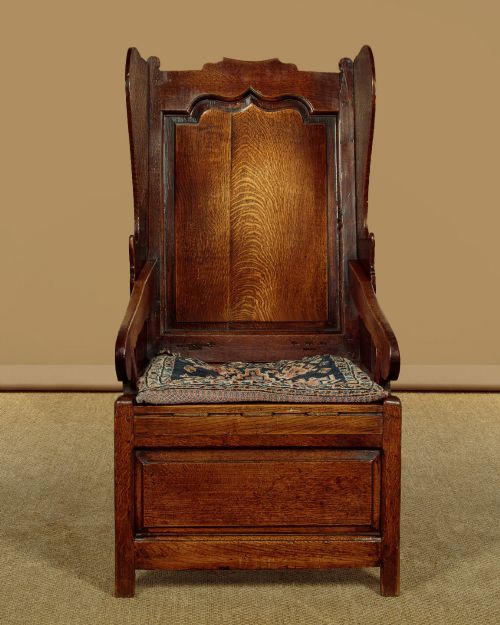
- An enclosed high-backed armchair designed to shield the occupant from drafts near the hearth. It often includes a solid panel or box base.
Georgian Vernacular Chairs: Frequently Asked Questions
What is a vernacular chair?
A vernacular chair is a piece of domestic seating made by local regional makers following traditional methods rather than fashionable metropolitan designs. These objects reflect the materials and woodworking skills available in specific British districts.
They were built for practical use in farmhouses, cottages and rural homes, prioritizing durability and comfort above decorative excess.
How do I identify a Windsor chair?
A Windsor chair is distinguished by its thick solid wood seat, which serves as the central anchor for all other components. The legs and back spindles fit directly into drilled holes in this slab.
Variations include hoop backs, low backs and comb backs, each utilising bentwood elements to shape the upper frame.
Which woods were used?
Maker-craftsmen utilised native British timbers that grew in abundance near their workshops. Elm was favoured for solid seats because its interlocking grain resisted splitting under pressure.
Ash, beech and yew provided flexible strength for spindles and bentwood hoops, while oak appeared frequently in regional ladderbacks and panel-backed chairs.
How do I live with country chairs?
Country chairs integrate easily into modern interiors around dining tables or as standalone accent pieces. Their honest construction and varied patination complement both historic and contemporary spaces.
Maintenance requires simple dusting and occasional waxing to preserve the natural finish of the timber without sealing the aged surface.