

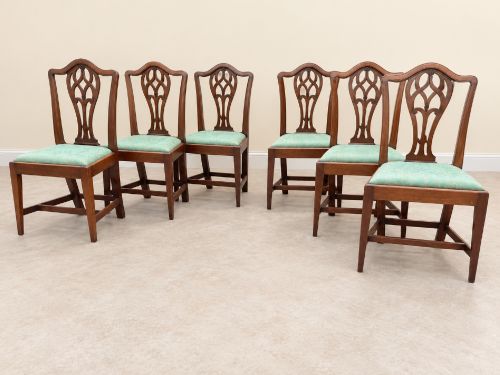

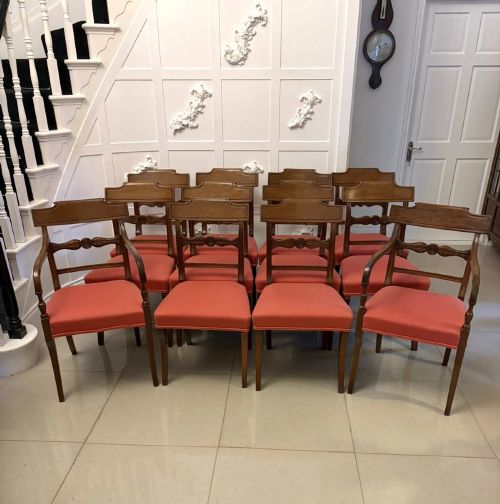
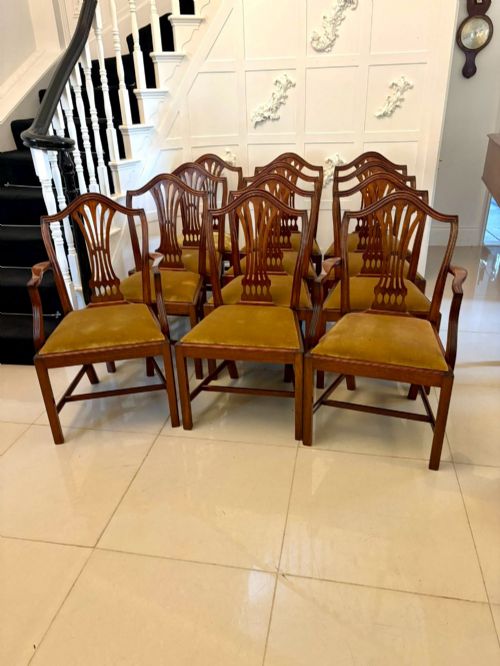
Georgian Upholstered Seating
Georgian upholstered seating encompasses centuries of craftsmanship, from mahogany dining chairs to walnut stools designed for period interiors.
Georgian Upholstered Seating
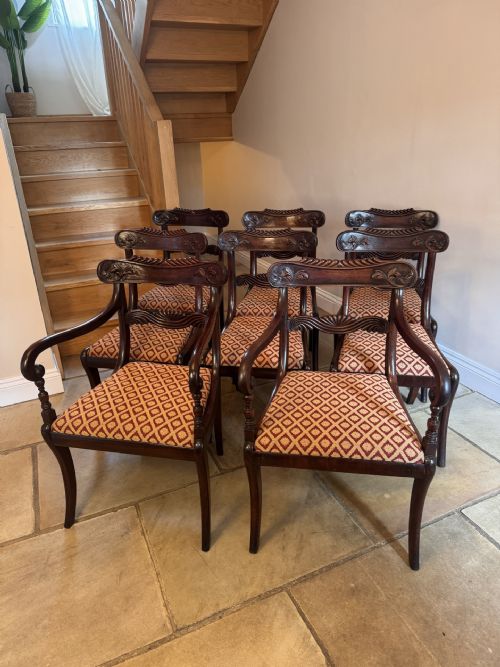
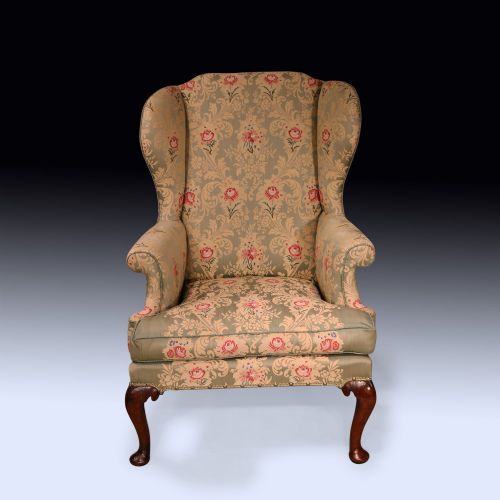
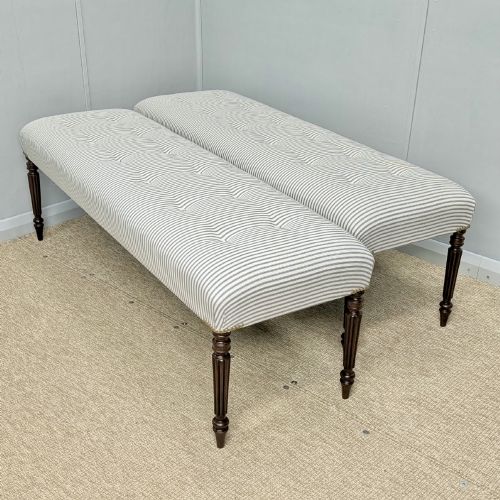
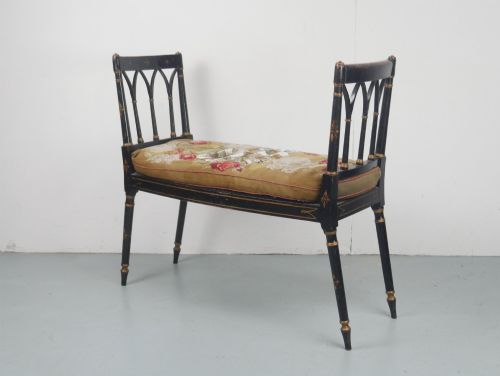
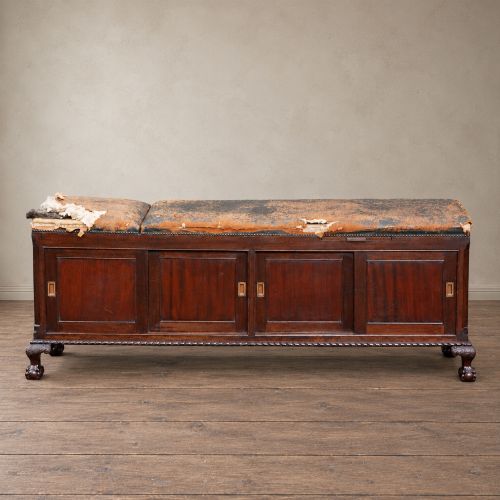
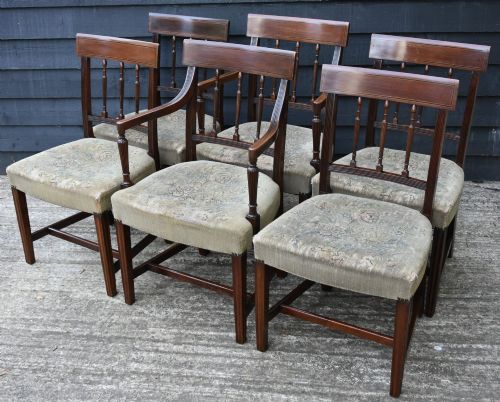
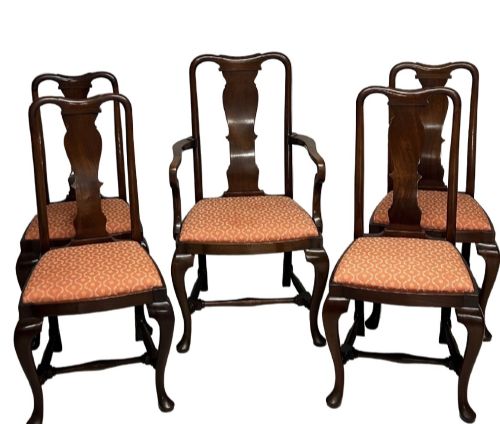
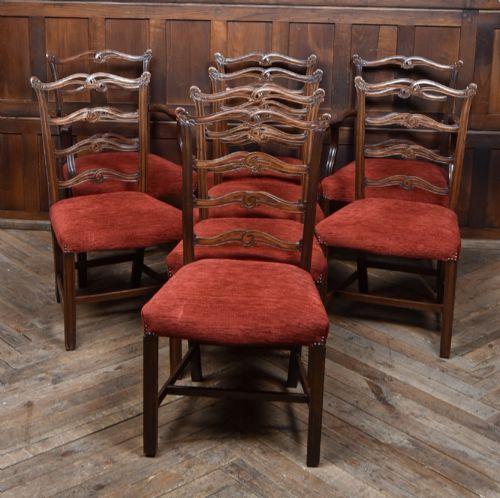
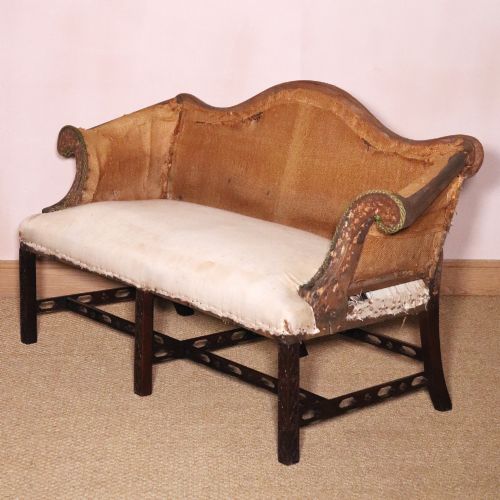
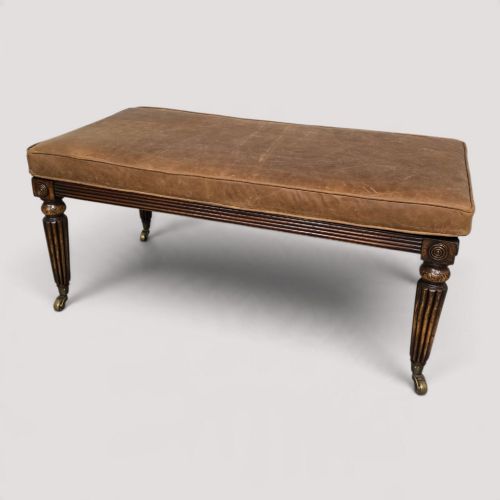
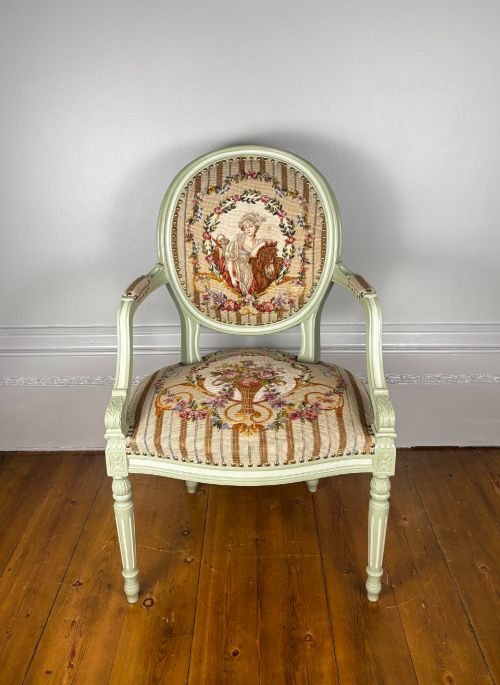
Georgian upholstered seating covers a broad range of domestic furniture including dining chairs, armchairs, settees, sofas, and stools. When exploring georgian upholstered seating, buyers encounter both authentic 18th-century pieces and later revival iterations spanning the Victorian and Edwardian eras.
Origins vary between authentic period manufacture and subsequent revival periods like 1920 or the Edwardian epoch, utilising traditional timber frameworks alongside contemporary textile upholstery.
How they were made
Timbers form the structural core, with mahogany, walnut, and rosewood predominantly shaping the frames of chairs, benches, and stools. Skilled cabinetmakers utilised mortise and tenon joinery to ensure structural integrity across dining sets and individual armchairs.
Upholstery techniques incorporate traditional internal webbing, hessian, and stuffing materials beneath outer layers of fabric, leather, or silk. Brass inlay and carved details frequently adorn the wooden elements, reflecting the prevailing style of the maker or period.
Georgian Upholstered Seating Retail Price Guide 2026
Typical asking prices for georgian upholstered seating among the pieces listed under this phrase on Sellingantiques today, from the lower quarter to the upper quarter. They describe what is for sale here now, not the wider market.
Duet stools were built wide enough for two pianists to share a seat during intimate musical evenings.
What varies in quality
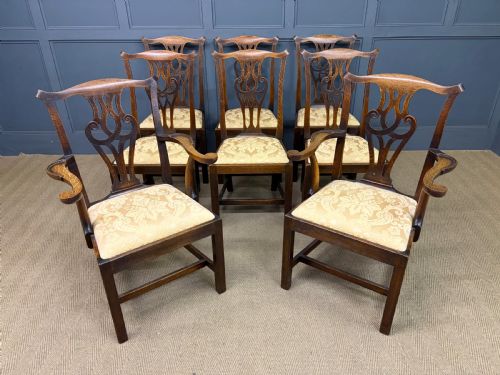
The refinement of carved detail on mahogany and walnut frames distinguishes standard production from superior pieces. Crisp execution of pierced splats, cabriole legs, or brass inlay indicates higher workshop standards.
The integrity of the timber and the authenticity of the upholstery scheme dictate overall standard. Original frames paired with period-appropriate textile coverings hold greater integrity than heavily altered pieces.
Miles and Edwards·Giles Grendey·Waugh and Son
The Georgian Upholstered Seating Glossary
- Carver
- An armchair designed with armrests, usually produced to match a set of smaller dining chairs.
- Camel Back
- A curved, undulating top rail resembling a camel's hump, common on settees and sofas.
- Splat
- The vertical wooden strip down the centre of a chair back, often pierced or carved in Chippendale designs.
- Bergere
- An enclosed upholstered armchair with wooden framing exposed around the sides and back.
- Shield Back
- A chair back shaped like a classic shield, frequently associated with Hepplewhite designs.
Georgian Upholstered Seating: Frequently Asked Questions
What defines georgian upholstered seating?
These pieces comprise chairs, settees, and stools produced during the 18th century and subsequent revival periods, characterised by timber frames and textile upholstery.
They served functional roles in formal dining rooms, drawing rooms, and libraries across domestic interiors.
How do I care for antique upholstery?
Protect fabric and leather surfaces from direct sunlight to prevent fading and textile degradation over time.
Maintain wooden frames with suitable beeswax and ensure stable humidity levels in the room.
Are revival pieces considered authentic?
Revival items date from later periods like the Edwardian era or 1920, replicating earlier 18th-century styles.
They reflect historical appreciation for classic design while offering robust utility for modern homes.
How are dining chair sets organised?
Large sets typically combine standard side chairs with a pair of carvers featuring armrests for the table ends.
Matching numbers range from small quartets up to extensive sets of twelve or more.