

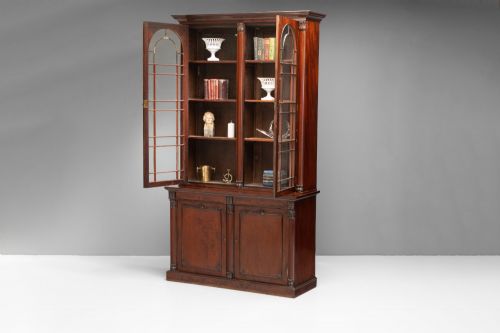


Georgian Two Tier Cabinet
A georgian two tier cabinet brings practical storage and architectural presence to a room, drawing buyers who value period timber and traditional craft.
Georgian Two Tier Cabinet
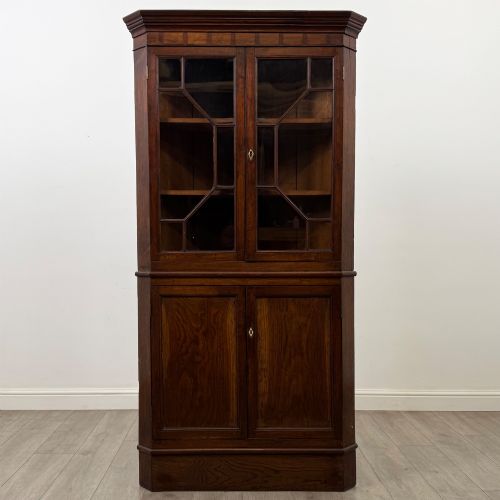
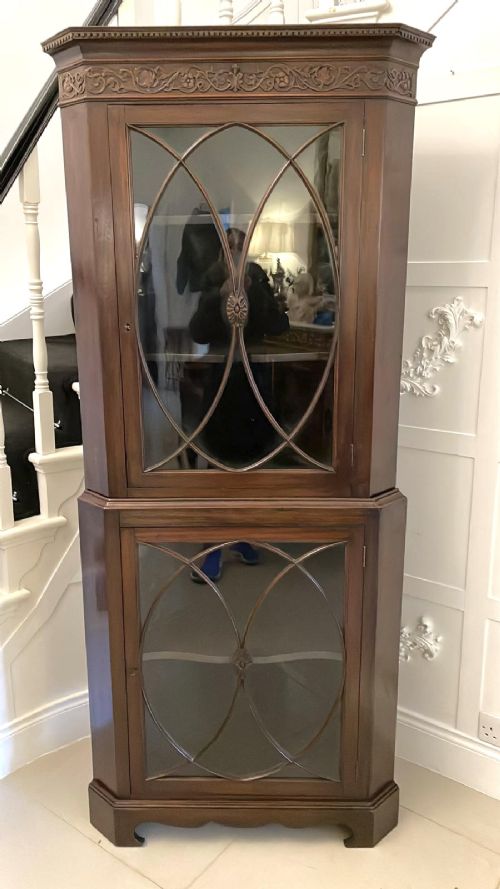
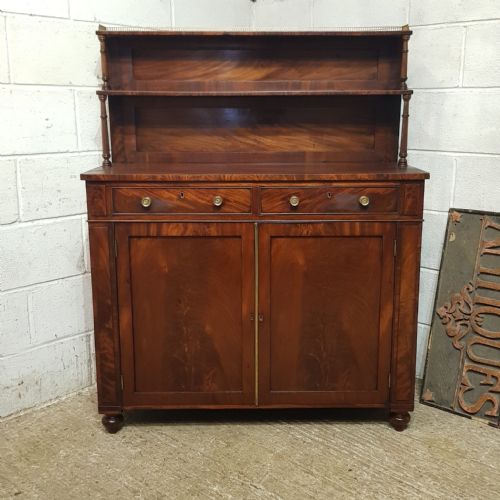
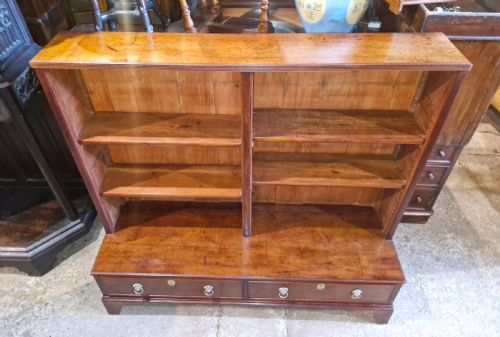
A georgian two tier cabinet encompasses versatile storage pieces spanning corner cabinets, bookcases, and chiffoniers from the eighteenth and nineteenth centuries. Buyers searching for a georgian two tier cabinet most frequently encounter mahogany and oak forms, ranging from country workshop pieces to formal city furniture.
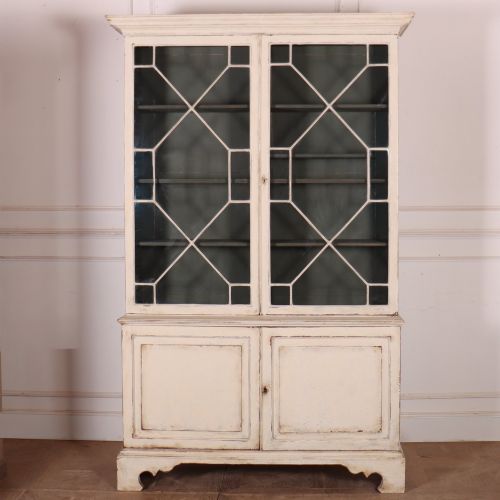
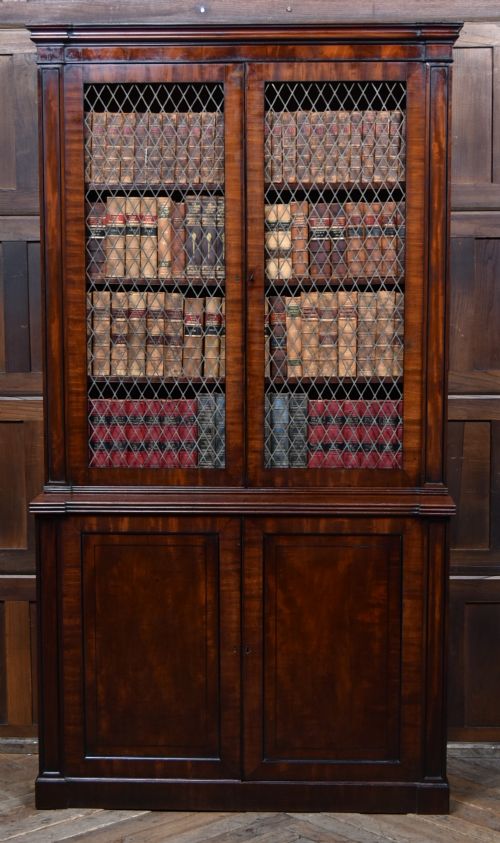
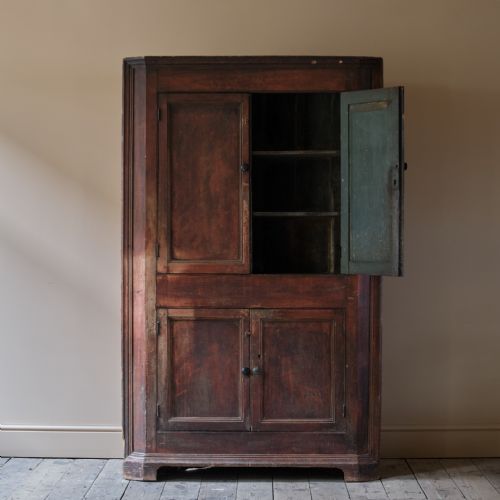
The selection includes standing corner cupboards, glazed bookcases, and regional Welsh deuddarn designs alongside later revival interpretations. These items served traditionally to display china, store linens, or organise books within domestic interiors.
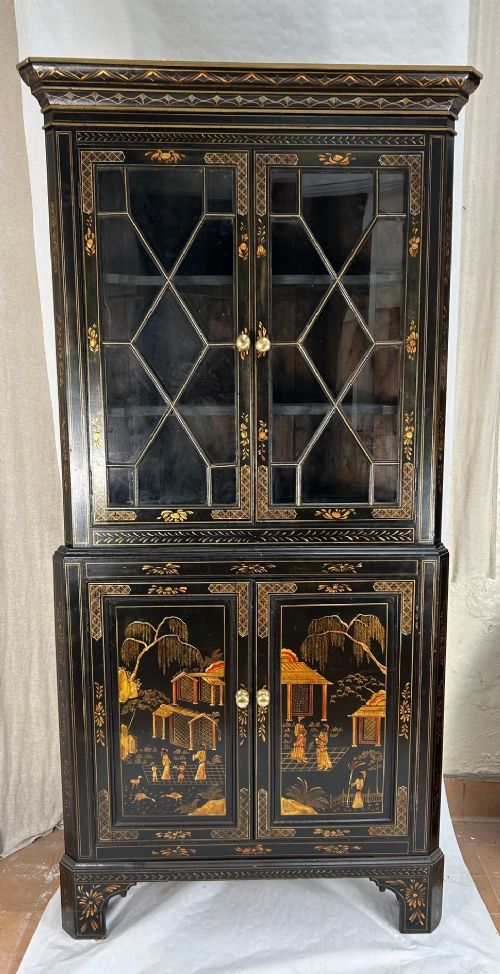
Origins stretch from regional Welsh country workshops to refined English cabinet makers, capturing both vernacular traditions and high style Georgian aesthetics. Pieces appear in native timbers, painted finishes, and decorative veneers.
How they were made
Cabinet makers relied primarily on solid mahogany, oak, and pine, often enhancing formal surfaces with burr walnut, satinwood, or marquetry details. Brass hardware, glass panes, and iron fixings provide structural and decorative punctuation.
Construction methods involve traditional panel and frame joinery, dovetail drawer construction, and hand-cut glazing bars for astragal glazed doors. Painted surfaces and limed finishes demonstrate regional preferences for altering native timbers.
The inventory combines formal urban bookcases with regional Welsh country cupboards and later revival pieces.
What varies in quality
Quality differentiates through timber selection, such as figured mahogany grain or dense quarter-sawn oak, versus plain secondary woods. The crispness of carved mouldings, the delicacy of glazing bars, and the integrity of original brass fittings set finer examples apart.
Regional vernacular pieces demonstrate sturdy rural craftsmanship, whereas metropolitan pieces show advanced cabinet-making techniques and sophisticated veneering. The survival of original painted finishes or untouched patination also dictates the standing of an individual cabinet.
Gillows
The Georgian Two Tier Cabinet Glossary
- Astragal glazed
- Glazing bars dividing a glass door into smaller panes. These delicate wooden strips define Georgian bookcase doors.
- Deuddarn
- A traditional Welsh two-tier oak cupboard. This regional form provides shelved storage enclosed by panelled doors.
- Chiffonier
- A low cabinet featuring a two-tier shelf back and enclosed storage below. Regency examples often incorporate a writing drawer.
- Marquetry
- Decorative veneer work forming intricate patterns using various coloured woods. This technique adorns high-status cabinet doors and panels.
- Linen press
- A tall cupboard designed for storing folded textiles and garments. These pieces often feature sliding trays behind upper doors.
Georgian Two Tier Cabinet: Frequently Asked Questions
Where should I place a corner cabinet?
These cabinets suit empty room corners where traditional furniture adds architectural weight.
They utilise neglected spaces while providing display room for porcelain or books.
How do I identify a Georgian piece?
Look for timber selection, hand-cut joinery, and period proportion characteristic of eighteenth-century design.
Secondary woods and construction methods inside the carcass help confirm the age.
What is a deuddarn?
A deuddarn is a traditional Welsh oak cupboard featuring two distinct storage tiers.
These regional pieces reflect vernacular cabinet-making traditions from rural workshops.
Are painted finishes original?
Some pieces retain early paint or country finishes applied during the eighteenth or nineteenth centuries.
Surface inspection reveals whether paint layers have age or represent later decorative updates.