





Georgian Turned Timber Stand
These georgian turned timber stand pieces are functional household items shaped on a lathe, offering sturdy construction and period character for your rooms.
Georgian Turned Timber Stand
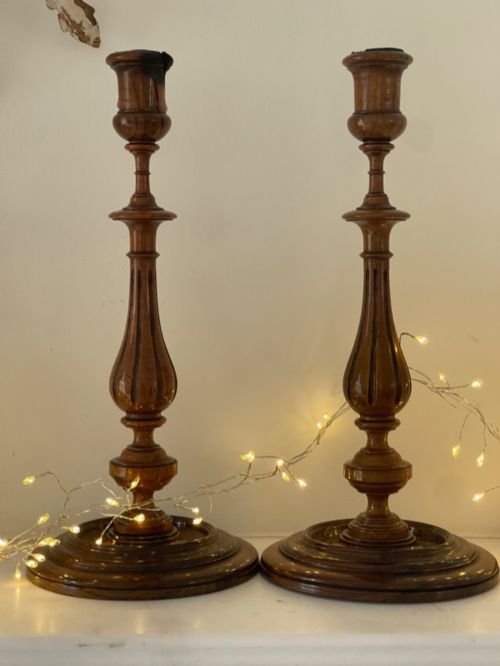
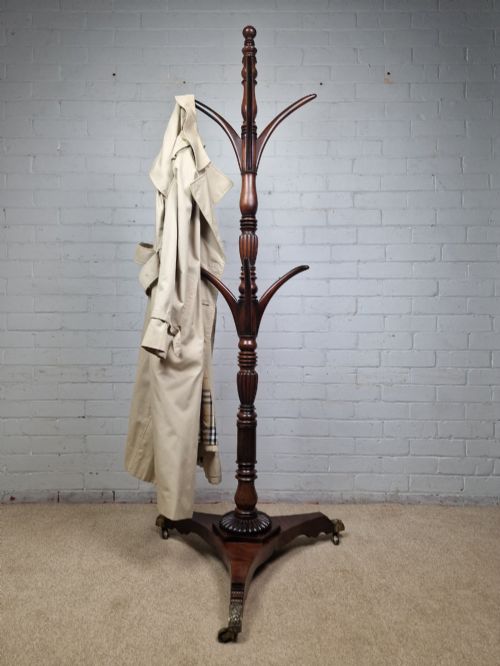
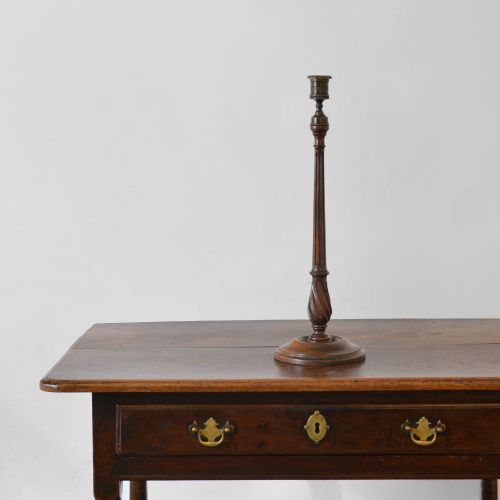
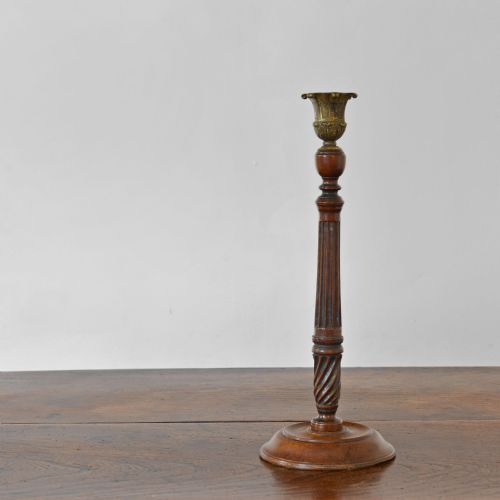
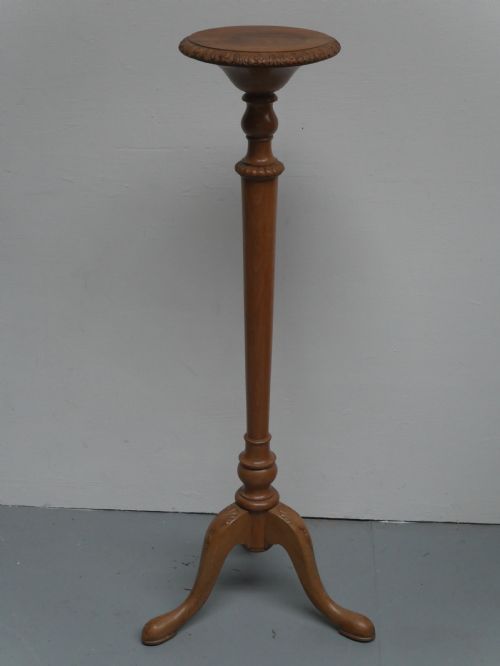
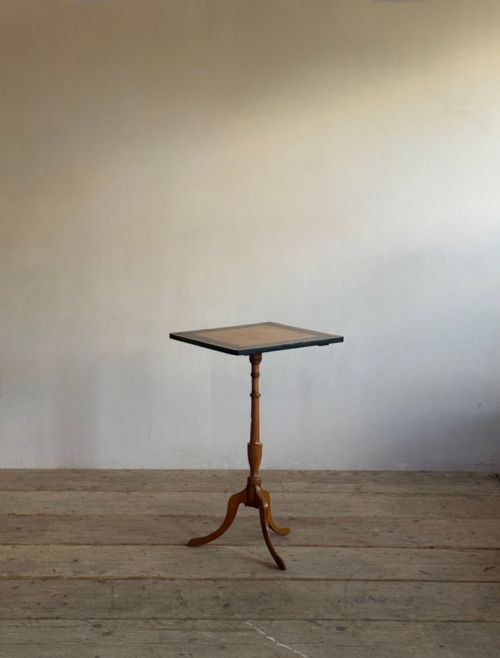
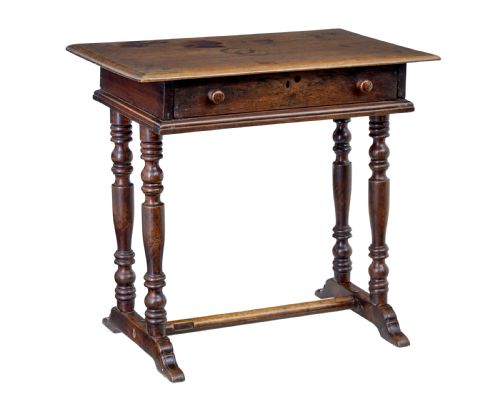
When you search for georgian turned timber stand, you encounter a variety of practical objects produced across the Georgian, Victorian, and later periods. The selection includes candlesticks, occasional tables, wig stands, plant stands, pedestals, trivets, spill holders, and egg cup stands.
Mahogany and walnut form the core of the available pieces, supplemented by yew wood, sycamore, ash, and general hardwood. These items range from provincial side tables to refined tripod occasional tables and brass-mounted candlesticks.
You are most likely to meet candlesticks and small tripod tables when browsing this specific category. These forms demonstrate the turned timber construction methods common to workshops of the eighteenth and nineteenth centuries.
How they were made
Makers shaped these pieces primarily using timber such as mahogany, walnut, yew wood, and ash on a lathe. Turning created the characteristic rounded columns, balusters, and stems seen on the candlesticks and stands.
Secondary techniques involve joinery for tripod bases and occasionally penwork decoration or lacquer finishes applied to the timber surface. Brass components appear on certain candlesticks and structural fittings to add durability and contrast.
Georgian Turned Timber Stand Retail Price Guide 2026
Typical asking prices for georgian turned timber stand among the pieces listed under this phrase on Sellingantiques today, from the lower quarter to the upper quarter. They describe what is for sale here now, not the wider market.
Listings in this category span the Georgian and Victorian periods, incorporating mahogany, walnut, yew wood, brass, and lacquer.
What varies in quality
The choice of timber heavily influences the character of each piece, with dense hardwoods like mahogany and figured walnut sitting at the upper end of the range. Simpler provincial items utilise local woods such as sycamore and ash with straightforward turning.
The refinement of the lathe work and the stability of the tripod or pedestal base determine the overall proportion and visual balance. Subtle details like penwork decoration or brass mounts elevate certain items above plain utilitarian examples.
The Georgian Turned Timber Stand Glossary
- Tripod base
- A three-legged support structure commonly found beneath occasional tables, candlesticks, and plant stands to ensure stability on uneven floors.
- Penwork
- A surface decoration technique involving fine ink drawing applied directly to the timber before sealing.
- Treen
- Small handmade wooden household objects created by turning or carving, ranging from egg cup stands to spill holders.
- Baluster
- A vertical, moulded shaft with a swelling contour produced by turning timber on a lathe.
- Pedestal
- An upright architectural support or column used to elevate plant stands, urns, or decorative figures.
Georgian Turned Timber Stand: Frequently Asked Questions
What is a wig stand?
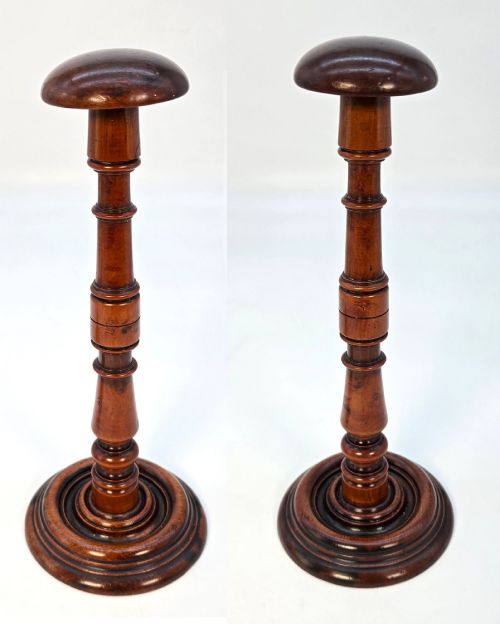
A wig stand is a turned wooden post designed to hold and shape a gentleman's or lady's wig when not in use. These pieces often feature a small circular platform atop a slender turned stem.
They date primarily to the eighteenth century and served a practical domestic purpose in dressing rooms.
Are these stands made from solid wood?
The pieces in this category are constructed from solid timbers such as mahogany, walnut, yew wood, sycamore, and ash. Turning requires substantial blocks of solid material to shape the columns and bases.
Different wood types indicate whether a piece originated in an urban workshop or a provincial setting.
How do I distinguish Georgian from Victorian pieces?
Georgian pieces typically display simpler, cleaner lines and lighter proportions rooted in eighteenth-century design standards. Victorian items often introduce heavier turning or revival influences such as Adam style details.
Examining the wood species and the sharpness of the lathe work helps clarify the period of manufacture.