

Georgian Timber Furniture
Georgian timber furniture brings domestic warmth and structural honesty into a room, spanning seating, storage and tables fashioned from rich native woods.
Georgian Timber Furniture
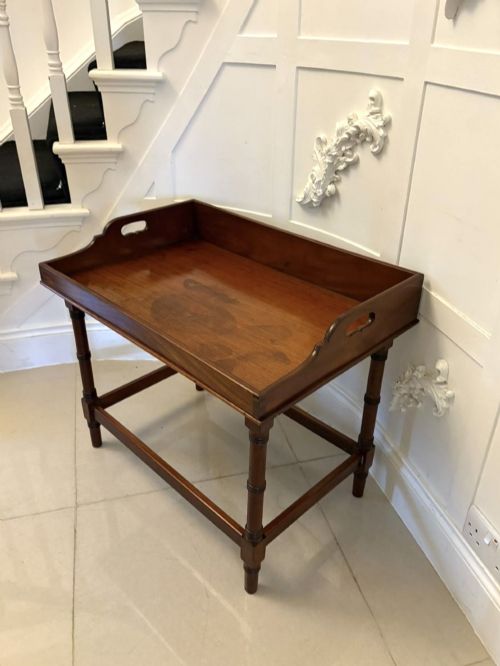
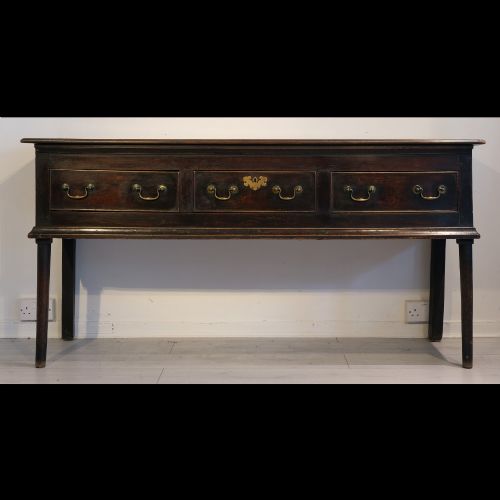
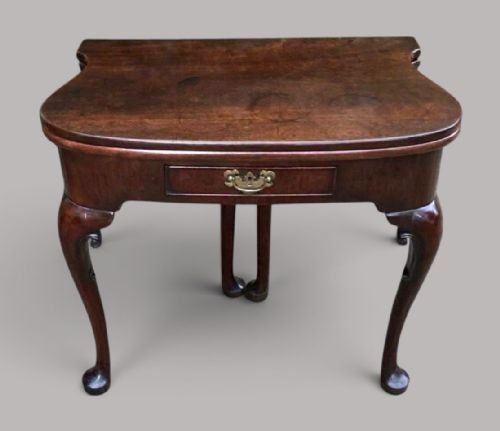
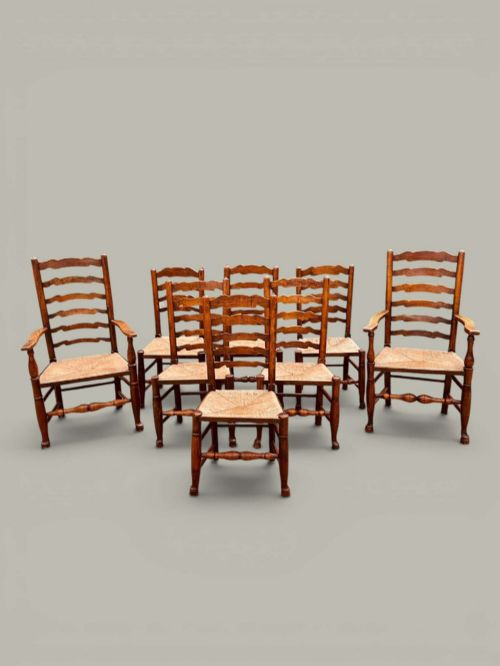
When buyers search for georgian timber furniture, they encounter sturdy chests of drawers, settles, country armchairs and dining tables originating from the eighteenth and nineteenth centuries. These pieces reflect the functional domestic requirements of their era, executed in solid timber rather than veneered show woods.
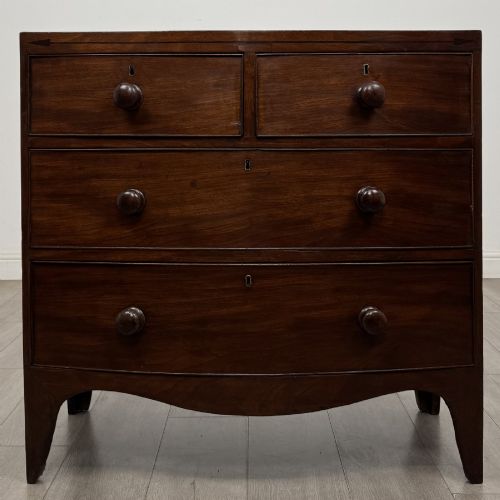
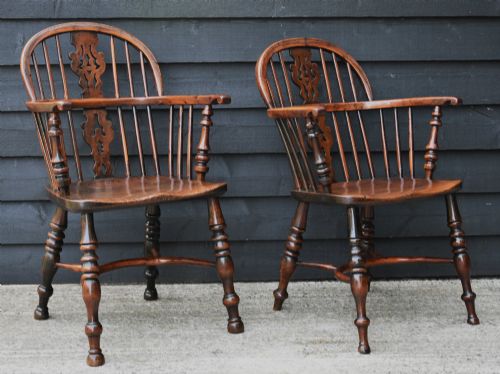
The items most frequently met on this page include mahogany chests of drawers, oak box settles and elm or yew Windsor armchairs. Pieces range from formal mahogany case furniture associated with specific reigns to vernacular country items shaped from fruitwood, birch and pine.
How they were made
Cabinet makers and vernacular joiners utilised dense native timbers such as mahogany, oak, elm, yew and fruitwood, often selecting burr variations for striking grain figures. Construction relied upon traditional joinery techniques, including dovetailed drawer boxes and pegged mortise and tenon joints.
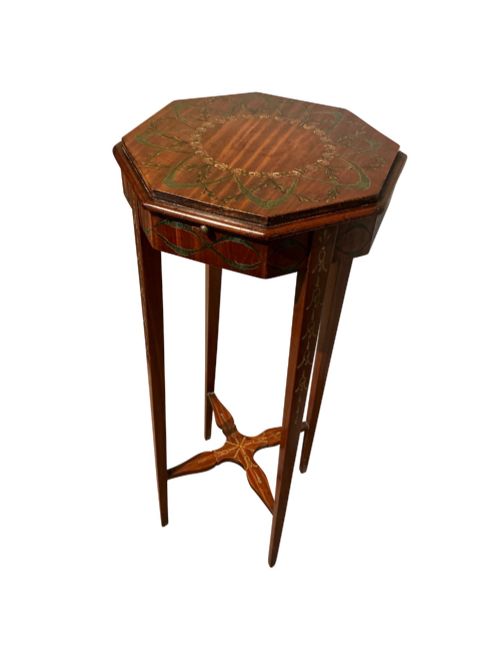
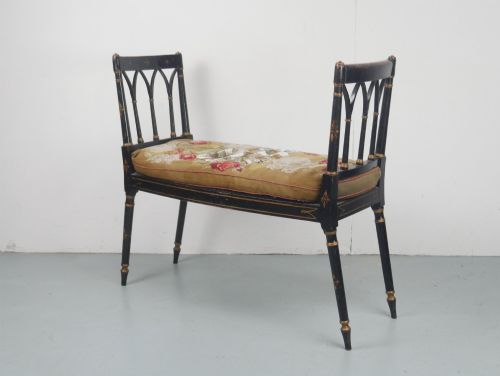
Surfaces received various treatments depending on regional workshop traditions and intended use, spanning clear wax polishes that enriched the timber grain to historic painted finishes in blue or green.
Georgian Timber Furniture Retail Price Guide 2026
Typical asking prices for georgian timber furniture among the pieces listed under this phrase on Sellingantiques today, from the lower quarter to the upper quarter. They describe what is for sale here now, not the wider market.
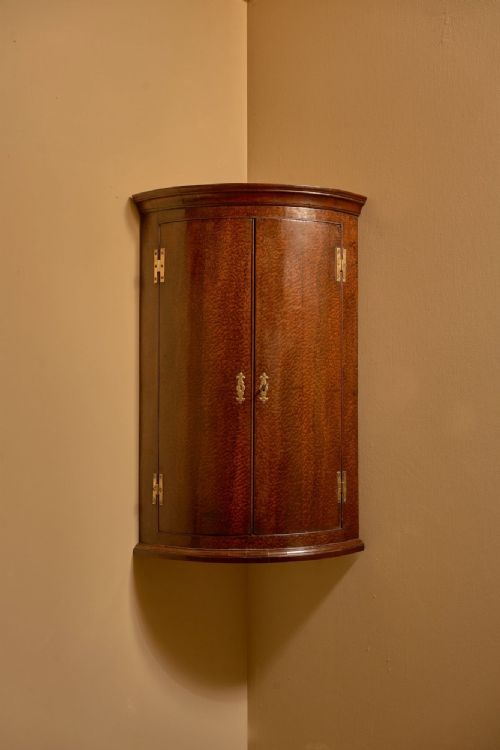
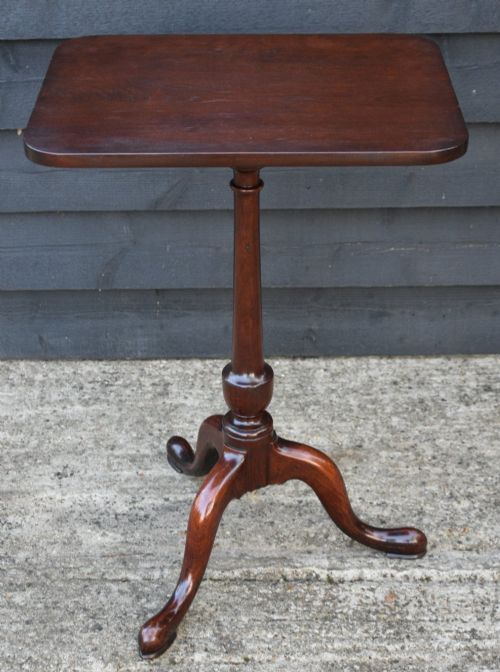
Forms span seating, tables and storage, including chests of drawers, settles, Windsor armchairs, corner cupboards and architectural press wardrobes.
What varies in quality
Quality separates along lines of timber selection, joinery precision and the survival of original surfaces. Master cabinet makers chose figured mahogany and burr elm with careful grain orientation, whereas provincial pieces often relied on simpler pine or mixed fruitwoods.
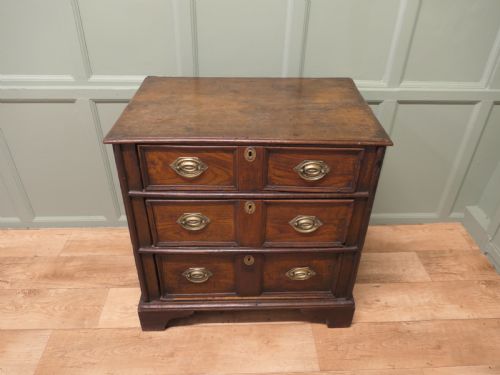
The integrity of original brass handles, patinated timber surfaces and untouched structural elements dictates the distinction between standard utilitarian items and finer expressions of period design.
Waring and Gillows
The Georgian Timber Furniture Glossary
- Windsor armchair
- A traditional seating form featuring a solid wooden saddle seat into which turned legs and spindles are wedged, often built with an elm seat and yew bow.
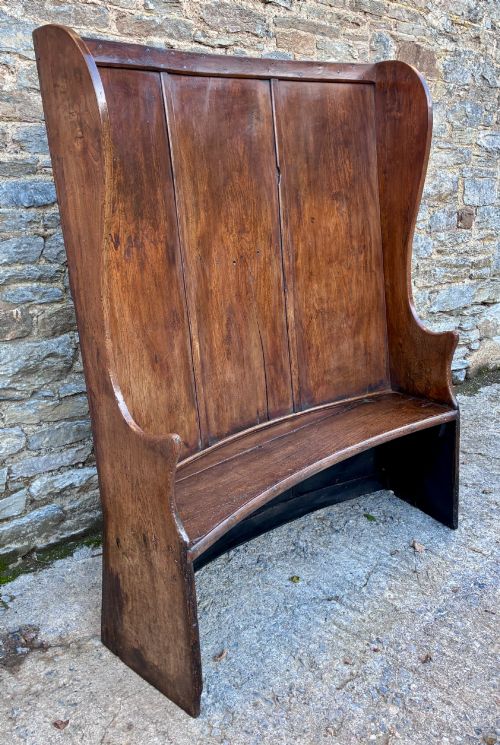
- Settle
- A high-backed wooden bench designed to shield occupants from draughts, frequently incorporating a hinged storage box beneath the seat.
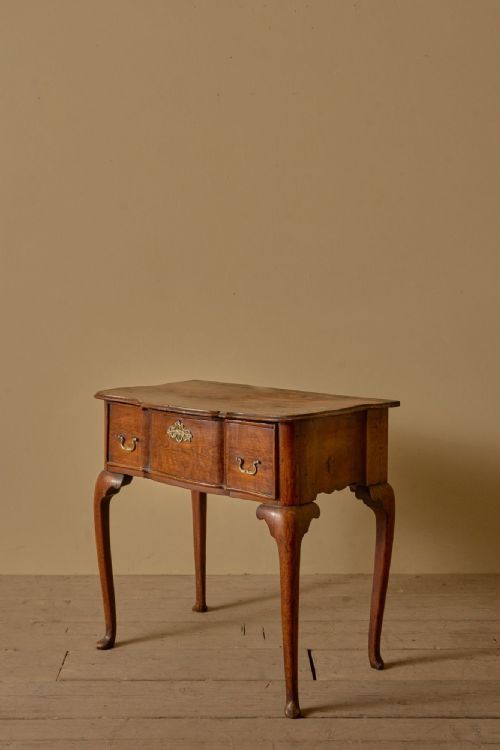
- Lowboy
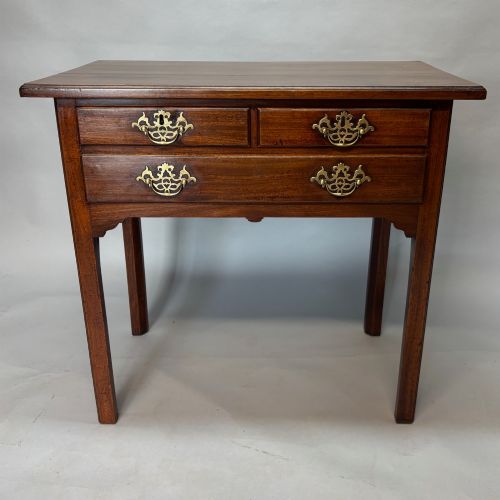
- A small side table with one or more rows of drawers beneath the top surface, typically raised on slender cabriole or straight legs.
- Potboard dresser base
- A kitchen or dining room sideboard featuring an open lower shelf designed to hold earthenware vessels.
- Penwork
- A decorative technique utilising fine ink drawings on wood surfaces, often creating intricate geometric or pictorial motifs.
Georgian Timber Furniture: Frequently Asked Questions
How do I identify genuine Georgian furniture?
Examine the construction methods visible inside drawer boxes and beneath table tops, looking for hand-cut dovetails and timber shrinkage consistent with age.
Material choices also offer guidance, as makers of the period relied heavily on solid mahogany, oak, elm and fruitwood rather than modern manufactured boards.
Where were these wooden pieces used?
Most items served practical functions in period homes, from chests of drawers placed in bedrooms to settles positioned near fireplaces to block cold drafts.
Formal rooms featured mahogany sideboards and dressing tables, while kitchens and hallways utilised sturdy oak dressers and pine benches.
How should I care for antique timber?
Keep wooden pieces away from direct heat sources and dramatic humidity fluctuations to prevent timber splitting and joint separation.
Apply traditional beeswax periodically to nourish the surface and maintain the natural patina built up over centuries of use.
What is the difference between country and formal styles?
Formal pieces often display sophisticated architectural proportions and refined mahogany veneers associated with urban cabinet makers influenced by Chippendale designs.
Country versions favour regional timbers like elm, ash and fruitwood, prioritising robust utility and vernacular construction over classical ornamentation.