

Georgian Teaware
Georgian teaware brings together silver teapots, porcelain cups, and copper kettles that mark the daily rituals of the period.
Georgian Teaware
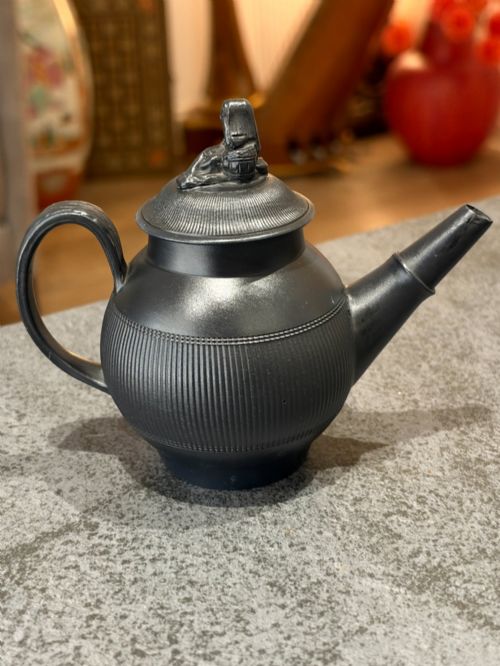
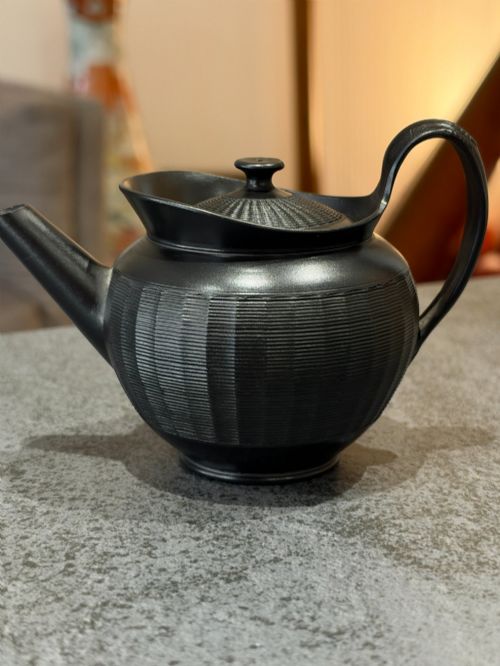
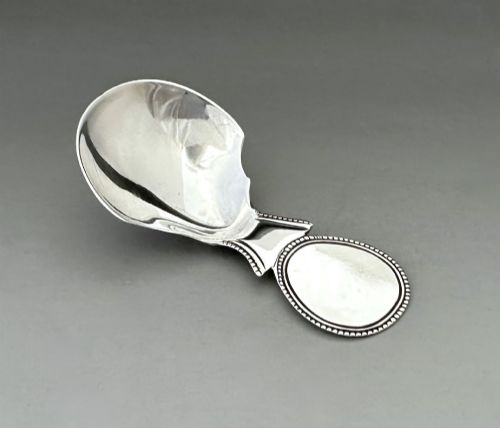
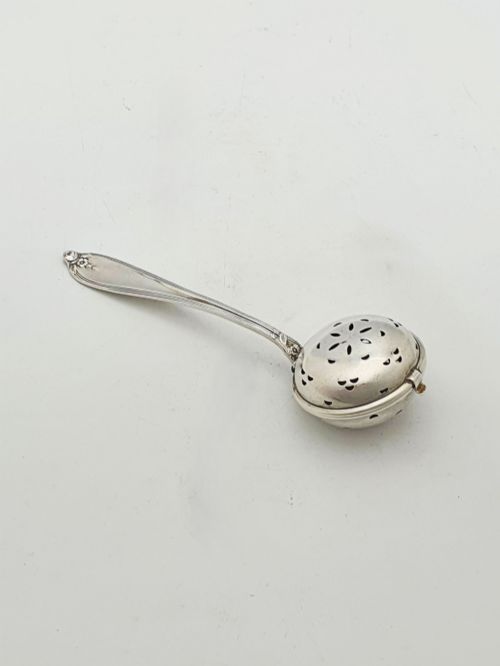
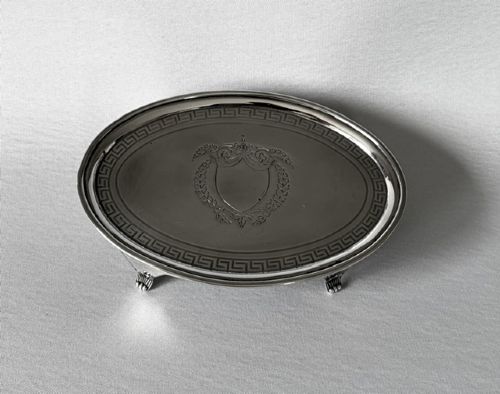
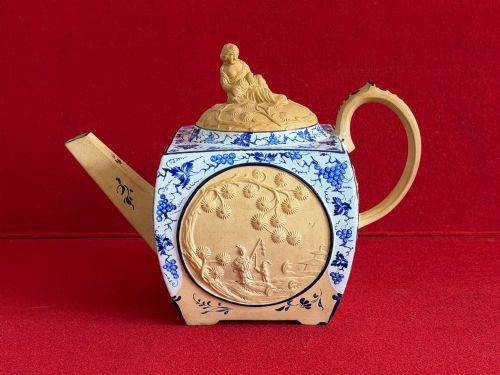
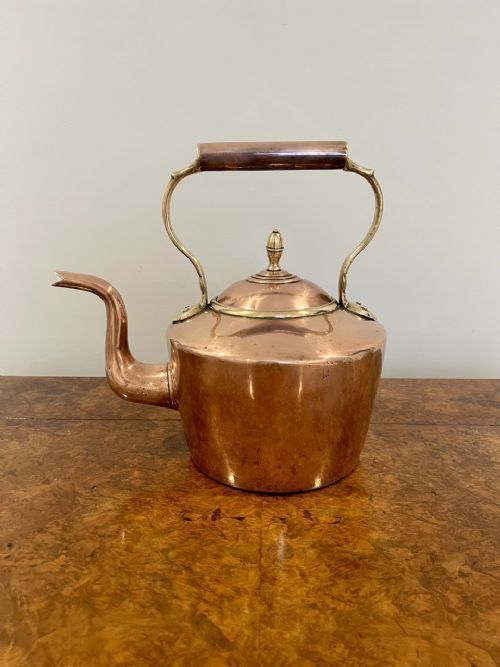
When you search for georgian teaware, you are looking at items created for the preparation and consumption of tea, predominantly spanning the eighteenth century and the regency era. The selections here include silver teapots, copper kettles, porcelain teacups and saucers, and silver teapot stands.
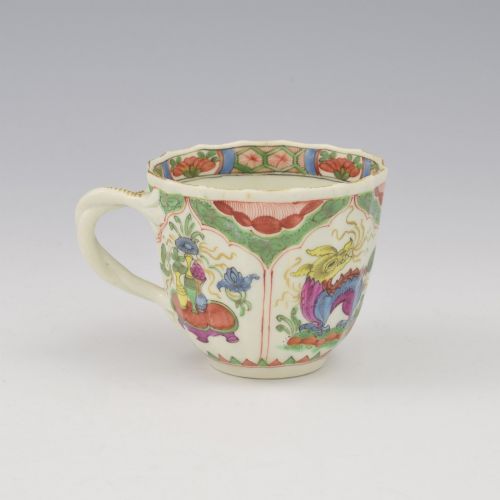
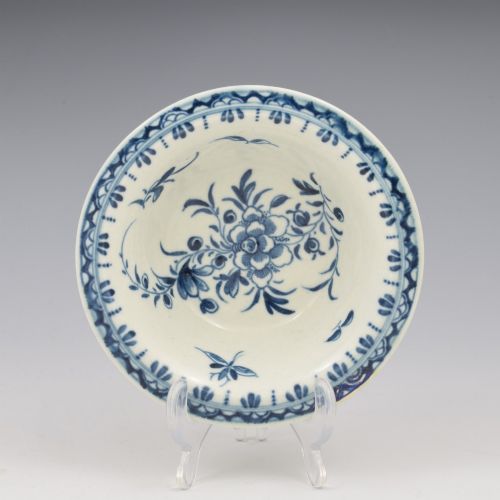
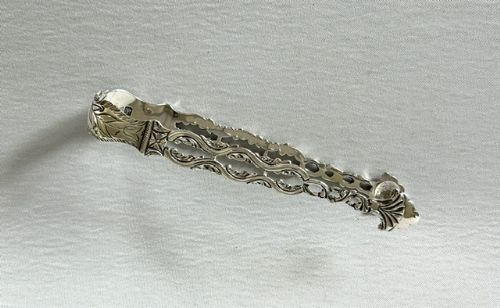
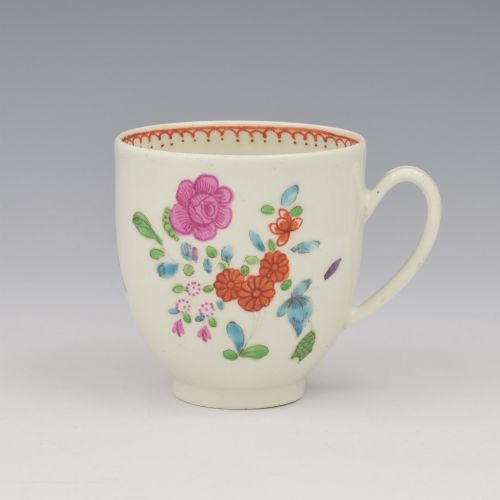
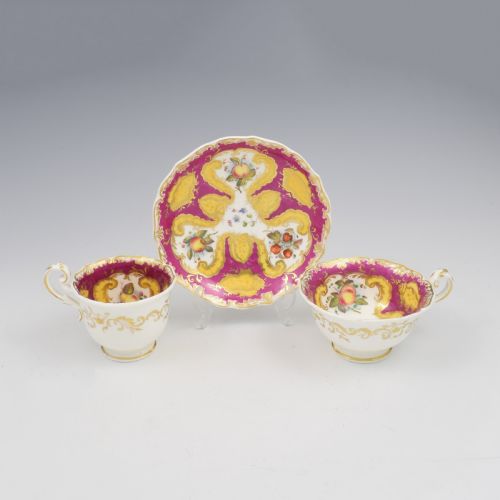
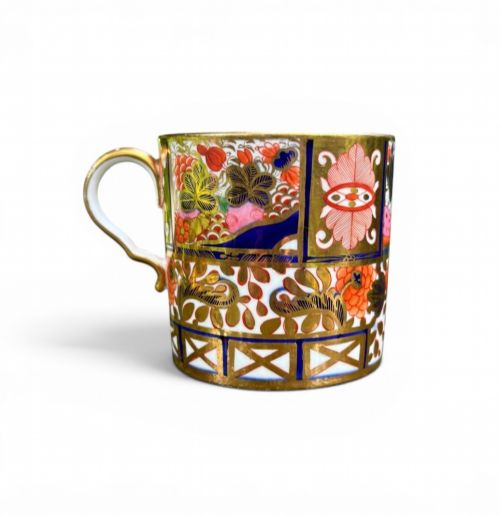
Porcelain pieces often originate from factories like Worcester, Spode, and Coalport, displaying soft-paste porcelain decorated with hand-painted floral motifs or chinoiserie patterns. Metalware ranges from miniature herb teapots in silver to large copper kettles and sterling silver tongs.
Materials and production methods
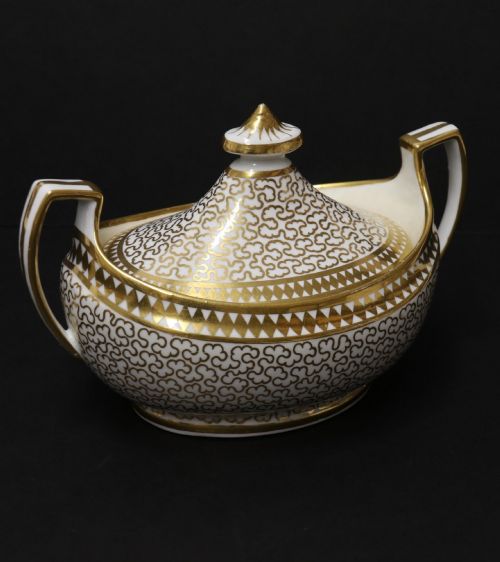
Pottery items in this category utilise soft-paste porcelain, shaped by throwing on the wheel or moulding into forms such as tea bowls, coffee cups, and sucriers. Decoration relies on hand-painted enamels, gilding with gold leaf, and cobalt blue underglaze printing.
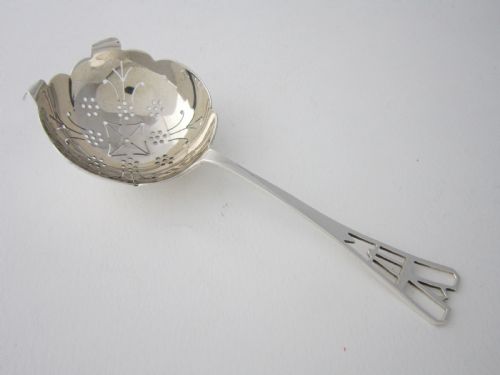
Metal items combine copper, brass, and sterling silver, shaped through casting, piercing, and hammering. Silver components are often marked with hallmarks indicating origin and maker, while copper kettles utilise heavy-gauge construction suitable for hearth use.
Georgian Teaware Retail Price Guide 2026
Typical asking prices for georgian teaware among the pieces listed under this phrase on Sellingantiques today, from the lower quarter to the upper quarter. They describe what is for sale here now, not the wider market.
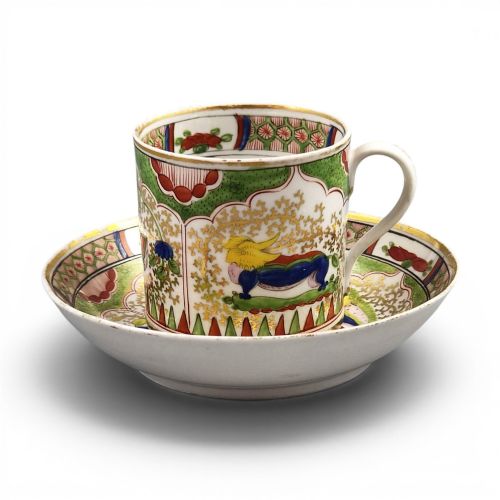
An antique set carries the delightful pattern name 'Crazy Cow' or 'Bengal Tiger'.
Distinctions in quality
For metal items, the integrity of the cast or pierced silver work and the substantial weight of the copper determine the standard. Pieces retaining their matching components, such as covers or stands, demonstrate superior completeness.
Spode·Coalport·Chamberlains Worcester·Davenport·Minton
The Georgian Teaware Glossary
- Soft-paste porcelain
- An artificial ceramic body fired at lower temperatures than hard-paste porcelain, common in eighteenth-century English factories. It yields a warm, slightly translucent glaze.
- Chinoiserie
- European artistic style reflecting Chinese motifs and scenes. It appears frequently on porcelain teapots and cups from the period.
- Sucrier
- A small vessel with a cover designed to hold sugar for tea service. They are often found matching porcelain tea sets.
- Tea bowl
- A handleless drinking vessel used before the widespread adoption of teacups with handles. They accompany matching saucers in early sets.
Georgian Teaware: Frequently Asked Questions
What pieces make up a set?
Teaware collections typically comprise teapots, tea bowls, coffee cups, saucers, sucriers, and occasionally dedicated stands.
Individual items often survive independently, though matched trios and pairs appear among porcelain listings.
Were copper kettles used on fires?
Large copper kettles from the georgian era served to heat water directly on hearths or stoves for tea preparation.
Their heavy construction allowed them to withstand direct heat before the advent of modern kitchen ranges.
What is a tea bowl?
Tea bowls are small, handleless drinking vessels that preceded standard teacups in eighteenth-century households.
They sit alongside matching saucers and require holding carefully when filled with hot tea.