
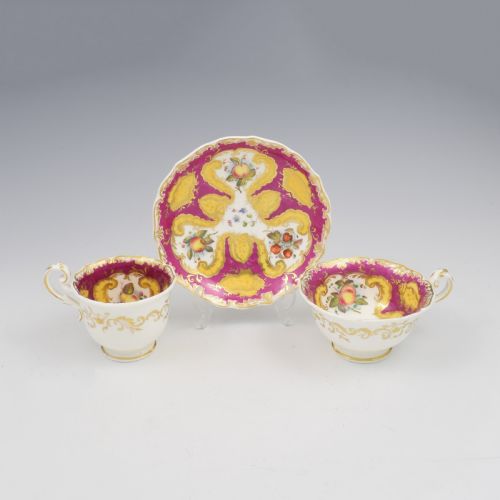


Georgian Teacup Set
A georgian teacup set brings the refined ceramic artistry of the eighteenth and early nineteenth centuries straight to your table.
Georgian Teacup Set
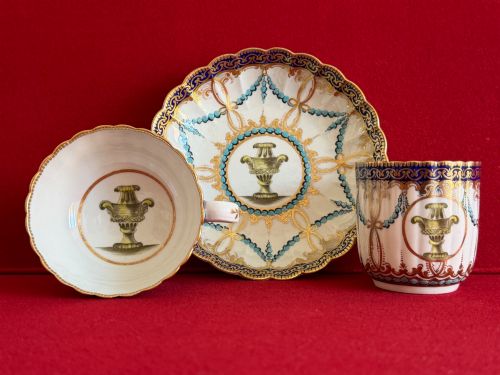
A georgian teacup set comprises antique ceramic wares designed for social tea drinking, spanning the eighteenth and early nineteenth centuries. Buyers searching for a georgian teacup set encounter individual cups and saucers, duos, and larger trios that include matching coffee cups.
The pieces on this page originate from periods such as the eighteenth century, the regency era, and the wider nineteenth century. Forms range from simple creamware pottery to elaborate porcelain cabinet trios used in formal domestic settings.
How they were made
Potters utilised soft-paste porcelain, hard-paste porcelain, bone china, and creamware as the primary ceramic bodies for these drinking vessels. Artisans shaped these materials into cups, saucers, and trios before applying glazes.
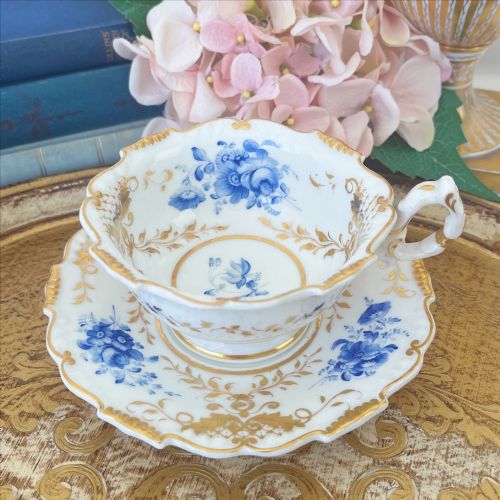
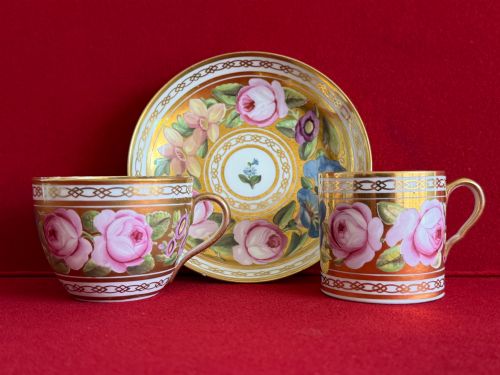
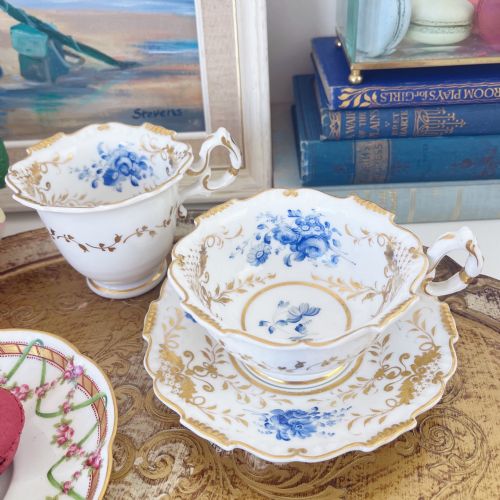
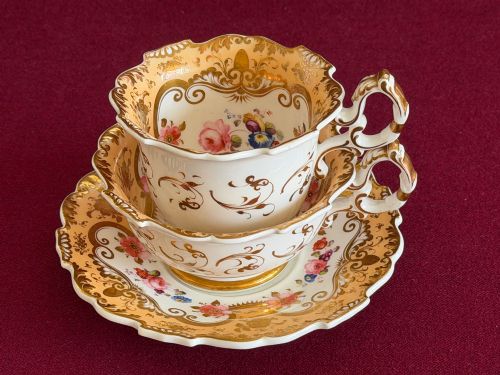
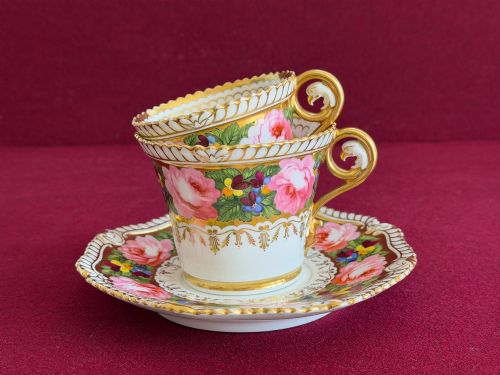
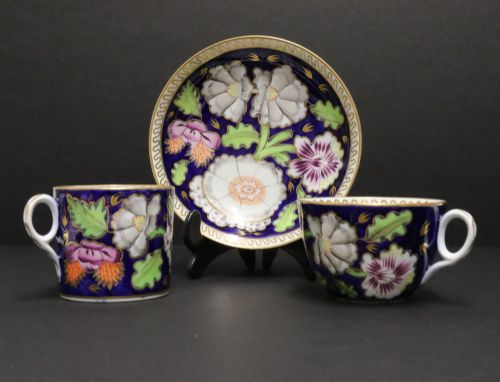
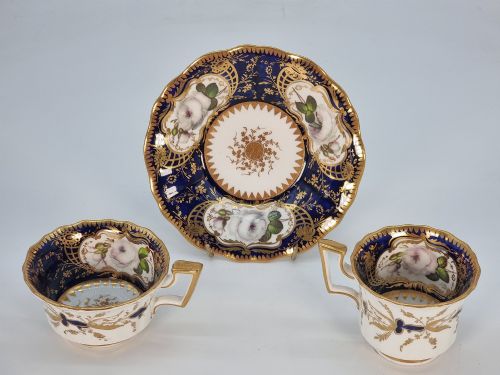
Decoration relied on handpainted motifs, enamel colours, and transfer printing to create intricate patterns such as birds, floral sprays, and compartmentalised designs. Gilding and gold leaf finished the rims, handles, and borders of finer cabinet pieces.
The listings on this page include porcelain, creamware, and bone china pieces decorated with gold leaf, gilding, and handpainted enamel.
What varies in quality
Quality in a georgian teacup set depends upon the fineness of the ceramic body and the skill involved in forming the vessel walls. Thinner, more translucent porcelain demonstrates higher technical proficiency by the potter.
The artistry of the decoration distinguishes standard wares from superior cabinet pieces. Handpainted details, precise enamel work, and the application of gold leaf indicate the workshop's investment in skilled painters.
The completeness and original pairing of trios and services also influence the standing of the pieces. Matched sets with unified patterns across cups, coffee cans, and saucers represent higher levels of original production.
H & R Daniel·Chamberlain Worcester·Newhall·Coalport·Derby·Flight Barr & Barr·Hicks Meigh & Johnson·Creamware Pottery·Minton·Spode·Davenport
The Georgian Teacup Set Glossary
- Trio
- A matched set consisting of a teacup, a coffee cup, and a saucer. These three pieces were produced together to serve different hot beverages.
- Soft-Paste Porcelain
- An artificial ceramic body fired at lower temperatures than hard-paste porcelain. It produces a warm, creamy translucent glaze characteristic of eighteenth-century English factories.
- Creamware
- A refined earthenware developed in the eighteenth century featuring a pale yellowish cream colour. It provided a durable and popular alternative to porcelain.
- Gilding
- The application of gold or gold leaf to ceramic surfaces for decorative effect. This technique highlights rims, handles, and painted borders on fine porcelain.
- Bone China
- A type of porcelain incorporating bone ash into the ceramic paste. This formula creates a strong, brilliant white body suitable for delicate forms.
Georgian Teacup Set: Frequently Asked Questions
What is a tea trio?
A tea trio consists of a teacup, a coffee cup, and a matching saucer designed to be used together. This configuration was popular during the regency and georgian periods for serving different hot drinks.
The inclusion of a dedicated coffee cup alongside the teacup marks these sets out from standard cup and saucer pairings.
How do I date an antique cup?
Dating relies on examining the ceramic paste, the shape of the handle, and any factory marks found on the base. Stylistic clues such as regency neoclassical or rococo motifs also help narrow down the period of production.
Changes in glaze composition and painting styles provide further evidence for placing the piece within the eighteenth or nineteenth century.
Were these cups meant for daily use?
Many fine porcelain pieces were created as cabinet trios for display rather than robust daily consumption. Creamware and sturdier earthenware cups saw more practical service in domestic settings.
The presence of delicate gold leaf and thin soft-paste porcelain suggests items intended for formal hospitality rather than everyday dining.
What distinguishes creamware from porcelain?
Creamware is an earthenware body known for its warm cream tone and durability, whereas porcelain is a vitrified ceramic fired at higher temperatures. Porcelain offers translucency and a whiter surface suitable for detailed enamel painting.
Potters used creamware for functional domestic vessels, reserving porcelain for finer tea services and cabinet displays.