

Georgian Tea Chest Box
A georgian tea chest box secures valuable dried leaves under lock and key, combining fine cabinetmaking with the ritual of hospitality.
Georgian Tea Chest Box
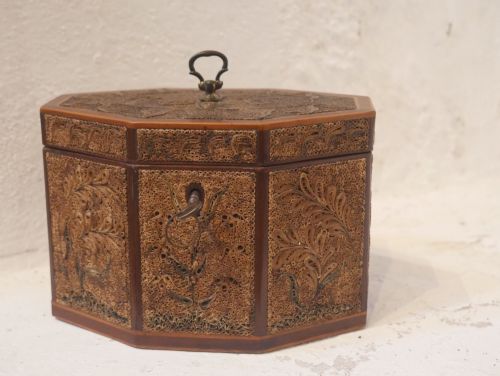
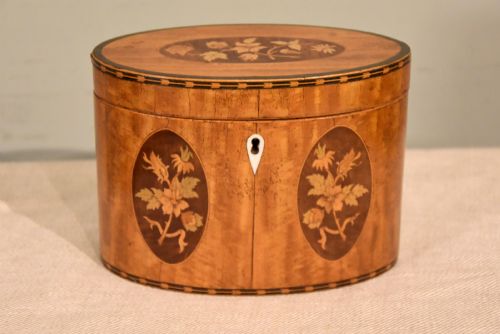
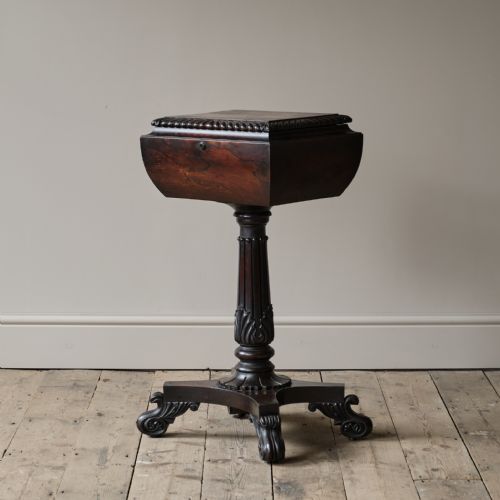
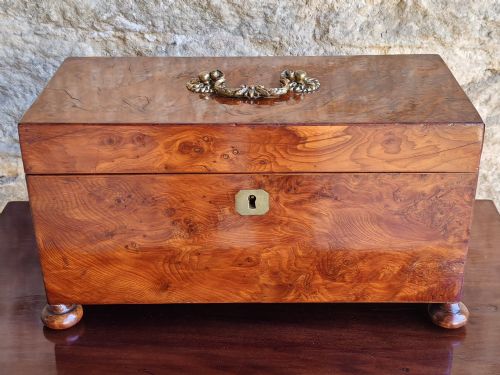
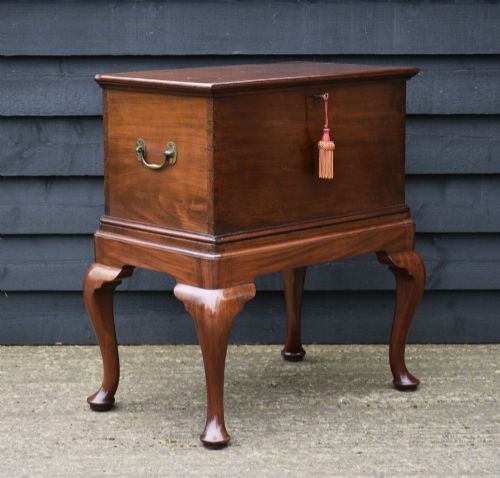
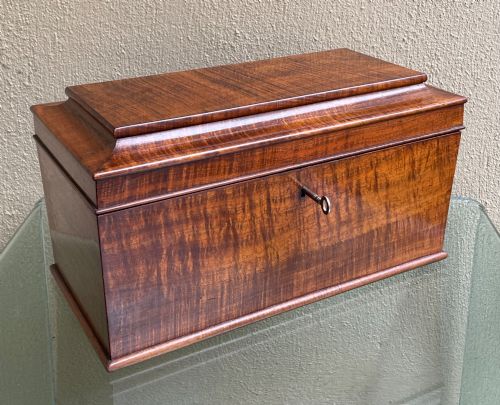
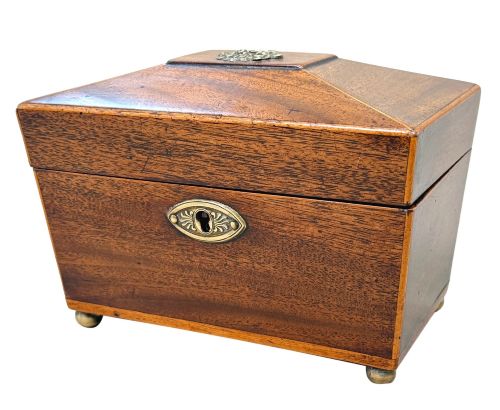
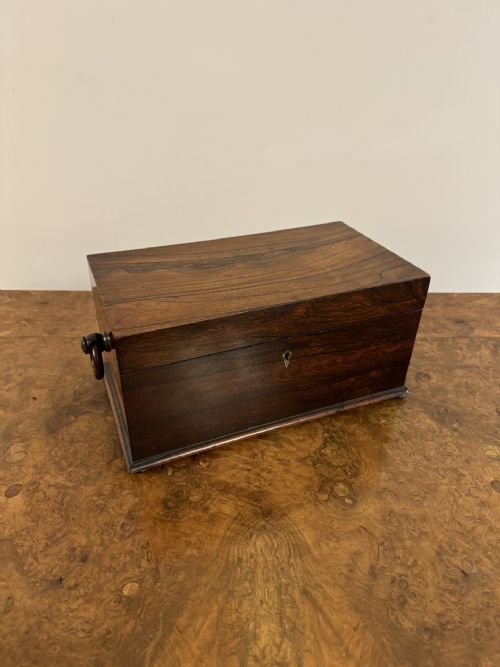
A georgian tea chest box takes several distinct forms across the 18th century, Regency, and 19th century periods. You will encounter rectangular, oval, hexagonal, navette, and sarcophagus shapes designed to sit on a parlour table or sideboard.
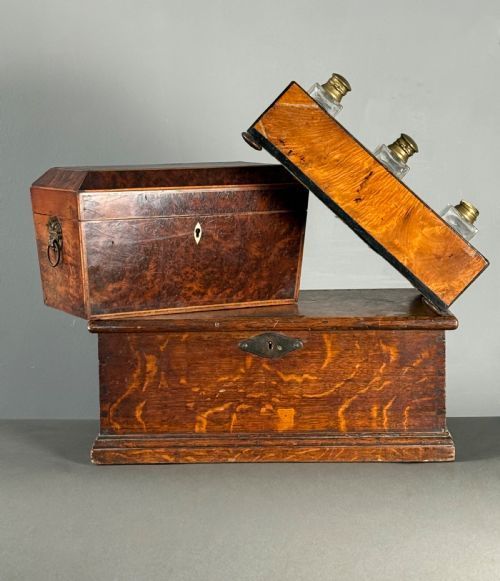
The evidence shows diverse functional types including tea caddies, teapoys, decorative boxes, and chests. Many examples include fitted interiors, secret drawers, and original glass mixing bowls.
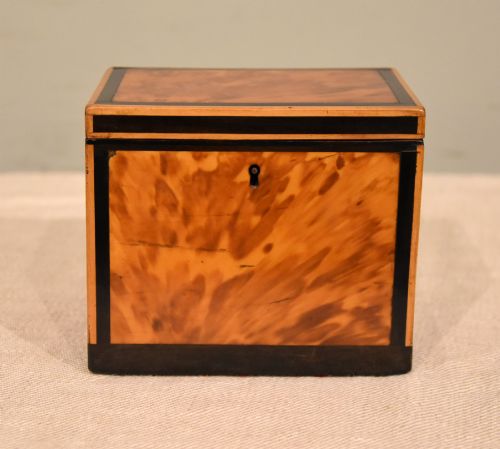
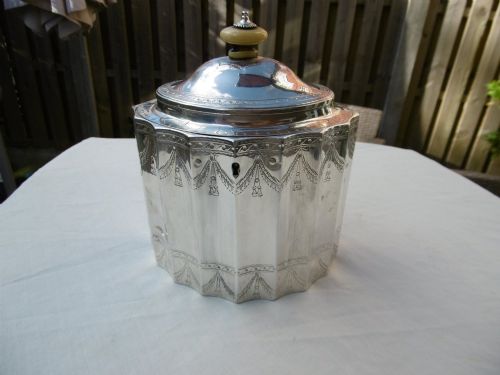
Makers utilised various object designations in the listings, from simple wooden boxes to elaborate tortoiseshell and silver vessels. The selection spans George II, George III, and Regency eras alongside later Victorian interpretations.
How they were made
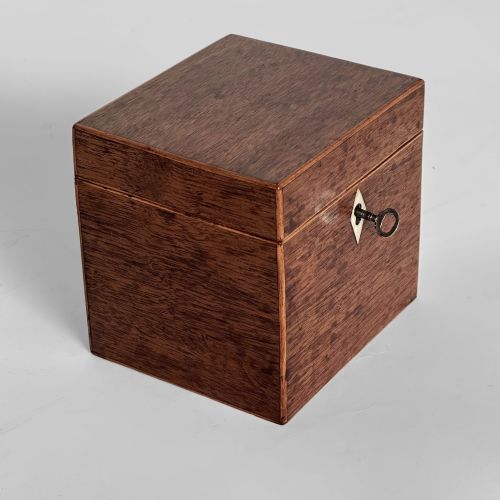
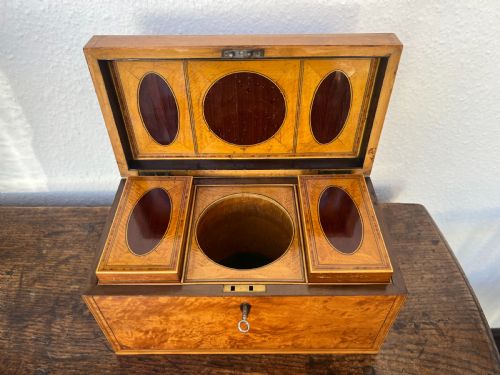
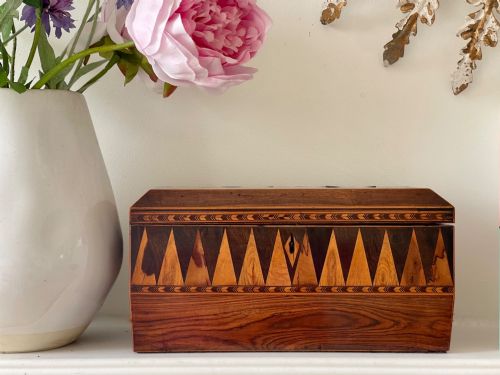
Cabinetmakers constructed these containers using timbers such as mahogany, rosewood, satinwood, walnut, yew, padouk, and red walnut. They embellished surfaces with intricate boxwood, bone, shell, and brass inlays.
Specialised techniques include paper filigree, paper scrollwork, and Tunbridge Ware mosaic patterns applied to wood bases. Skilled artisans also worked with delicate materials like tortoiseshell and sterling silver.
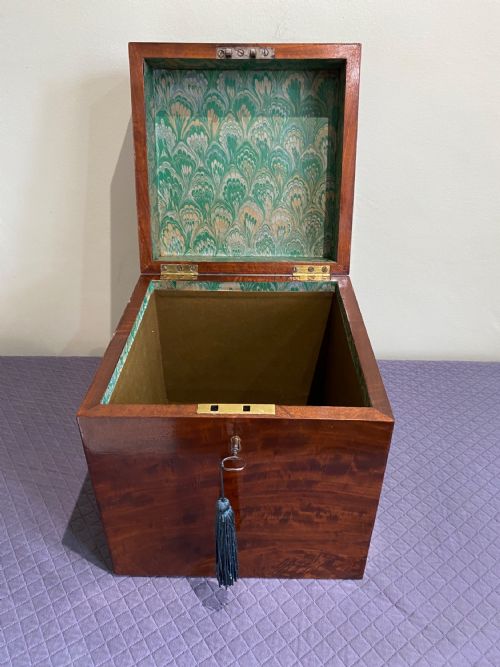
Hardware such as brass handles, lion mask rings, and operational locks required precise metalwork. Fitted interiors often incorporated compartments for separate tea varieties and central mixing bowls.
Tea was once so valuable that households kept the caddy locked in the parlour, trusting only the mistress of the house with the key.
What varies in quality
The distinction at the upper end lies in the sophistication of the timber figure and the precision of decorative inlays like butterfly motifs and parquetry. Superior examples exhibit cohesive proportion across complex geometries like hexes and sarcophagus curves.
Original internal fittings, such as intact glass bowls, mixing sticks, and functioning locks with keys, elevate the completeness of a piece. The integration of delicate details like paper filigree or tortoiseshell panels demonstrates higher workshop skill.
Robert Hennell
The Georgian Tea Chest Box Glossary
- Teapoy
- A freestanding piece of furniture featuring a tea storage box mounted on a central pillar or legs. These often include fitted interiors for multiple tea canisters.
- Sarcophagus
- A coffin-like box shape with a domed or peaked lid popular during the Regency period. This form allowed for substantial internal storage capacity.
- Navette
- A pointed, boat-like oval shape utilised for decorative tea containers. This geometric outline appeared frequently during the late 18th century.
- Tunbridge Ware
- Woodware decorated with tiny mosaic tiles assembled from different coloured woods to form geometric or pictorial patterns. The technique originated in Kent.
- Parquetry
- Geometric mosaic woodwork arranged in regular patterns across the exterior surfaces of boxes. Artisans used contrasting timbers to create visual depth.
Georgian Tea Chest Box: Frequently Asked Questions
What was a georgian tea chest box used for?
These boxes stored high-value black and green teas under lock and key to prevent theft by household staff. Tea was an expensive luxury commodity in the 18th century.
Containers often featured multiple internal compartments to keep different leaf varieties separate alongside a central glass bowl for blending.
How do I tell a Regency box from an earlier piece?
Regency examples frequently employ heavier architectural forms like the sarcophagus shape, alongside bold brass inlay and rosewood veneers. Earlier 18th-century pieces tend toward lighter satinwood, mahogany, and delicate floral or star inlays.
Proportions and decorative motifs shift from neoclassical lightness toward grander Regency massing.
Are original keys and bowls common?
Original keys and mixing bowls do survive but remain uncommon due to centuries of displacement. Their presence adds significantly to the integrity of the container.
Many boxes retain the original velvet or silk linings within their divided internal compartments.
How should I care for a antique wooden box?
Keep wooden and veneered surfaces away from direct sunlight and rapid humidity changes to prevent timber splitting. Gentle dusting with a dry cloth maintains the finish without chemical buildup.
Ensure interior velvet and paper elements remain dry and protected from moisture.