
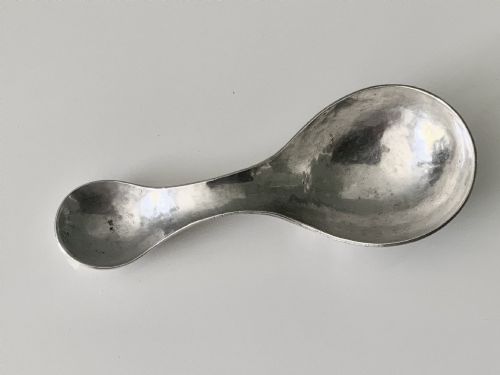
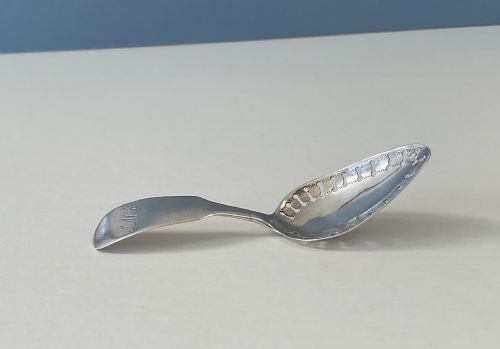


Georgian Tea Caddy Scoop
A georgian tea caddy scoop measures out loose leaf tea with small scale precision, bridging utility and miniature silver design.
Georgian Tea Caddy Scoop
When you search for a georgian tea caddy scoop, you encounter specialised small silver spoons designed specifically to transfer tea leaves from a caddy into a pot. These diminutive utensils emerge predominantly from the Georgian, Regency, and Edwardian periods, reflecting changing domestic rituals around high-value tea.
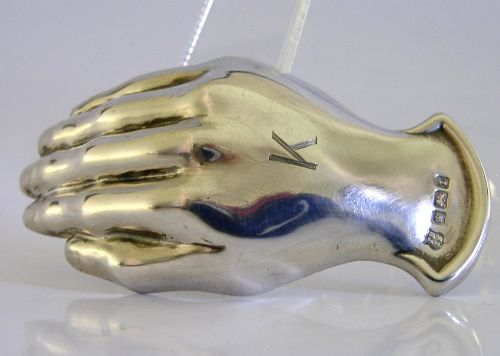
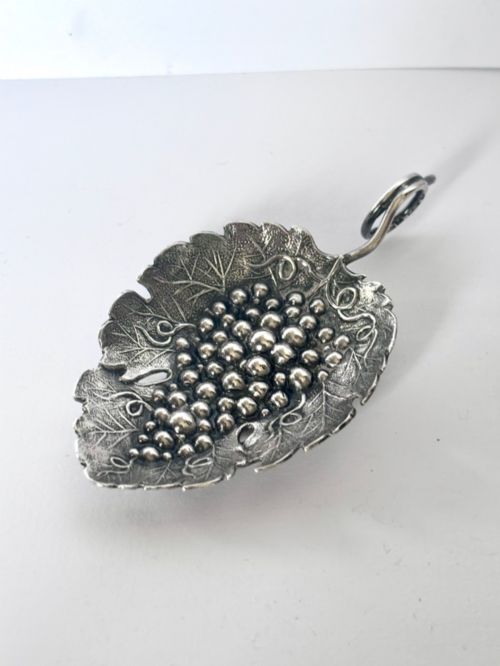
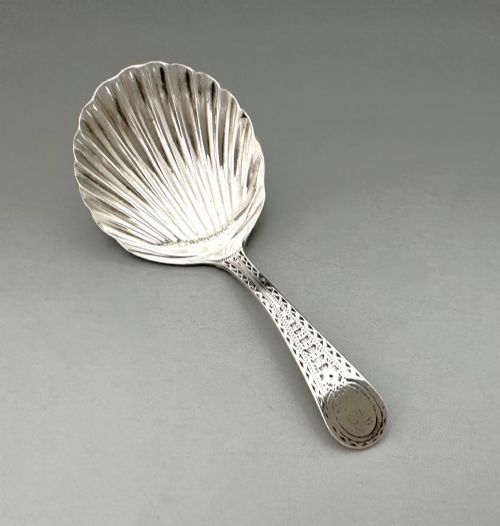
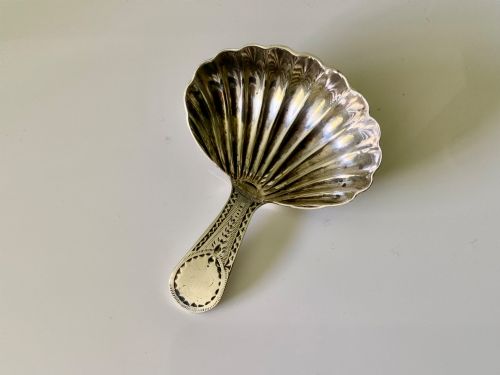
The pieces on this page span from late eighteenth century examples up to twentieth century revivals. You find both plain shovel forms and decorative novelty shapes such as vine leaves, hands, and jockey caps.
Assessing quality and execution
Quality in these spoons rests upon the crispness of the stamp work and the weight of the silver in the hand. Superior examples display deep, legible hallmarks and precise engraving that remains sharp across the bowl and handle.
Novelty forms demonstrate varying degrees of sculptural ambition. Pieces shaped as naturalistic leaves or caps succeed when the maker retains structural balance alongside figurative detail.
Listings feature sterling silver and silver-gilt pieces spanning the eighteenth century through to the Edwardian era and mid twentieth century.
Joseph Willmore·George Wintle
The Georgian Tea Caddy Scoop Glossary
- Parcel-Gilt
- Silver objects that are partially gilt, meaning portions of the surface are coated in a thin layer of gold. This technique highlights interior bowls while leaving exterior silver exposed.
- Bright-Cut Engraving
- A surface decoration technique using faceted cutting tools to create shallow, light-reflecting geometric or floral patterns. It was widely employed by silversmiths during the Georgian period.
- Assay Office
- An official body responsible for testing the purity of precious metals and stamping items with hallmarks. London, Birmingham, Glasgow, and Dublin offices appear within these listings.
- Double Struck
- A striking method where the die is applied twice to deepen and sharpen decorative patterns on spoon handles. This process produces raised relief work with distinct borders.
Georgian Tea Caddy Scoop: Frequently Asked Questions
How were tea caddy scoops used?
These small spoons served to portion dry tea leaves from a locked caddy directly into a teapot. Because tea was an expensive commodity, the small bowl ensured exact measurement.
The short handles allowed the scoop to rest neatly inside the caddy alongside the leaves. Wealthy households displayed them as part of an elaborate tea equipage.
Are these scoops made of solid silver?
The pieces recorded here consist of sterling silver and silver-gilt constructions. Silversmiths worked solid metal to form both the bowl and handle.
Assay marks stamped directly onto the silver verify the standard of the metal and record the year of production.
How do I date a silver caddy spoon?
Makers stamped official date letters, standard marks, and town marks onto the reverse of the handle or bowl. These hallmarks allow precise identification of the assay year.
Stylistic shifts also indicate period, moving from simple eighteenth century shovel forms towards elaborate Victorian and Edwardian novelty designs.
How do I care for antique silver spoons?
Store silver scoops in dry environments away from direct sulfur sources to minimise tarnishing. Gentle cleaning with a soft cloth preserves the original surface texture and engraved lines.
Avoid abrasive polishes that wear away bright-cut details and soften crisp hallmarks over time.