
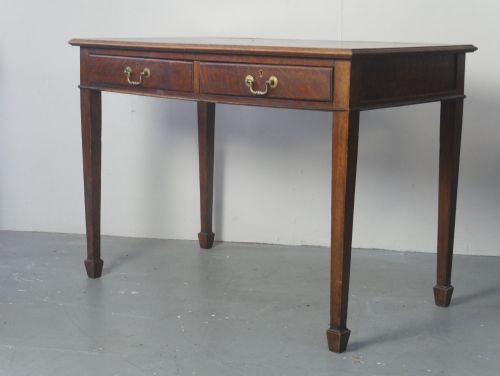
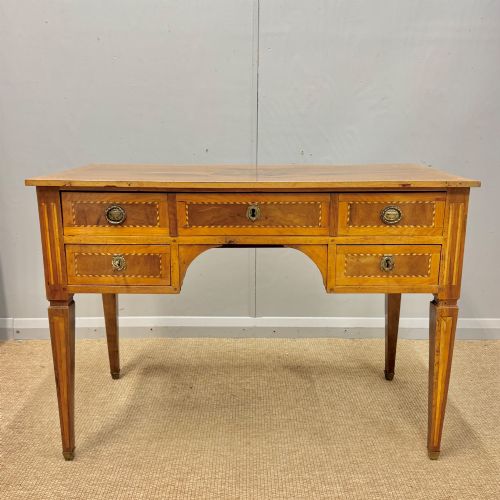
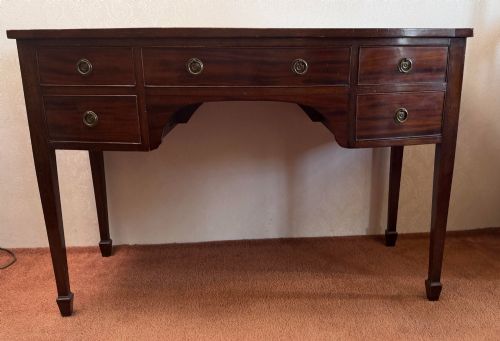
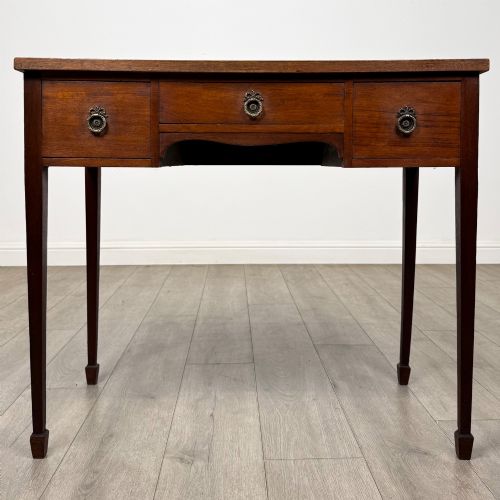


Georgian Tapered Leg Desk
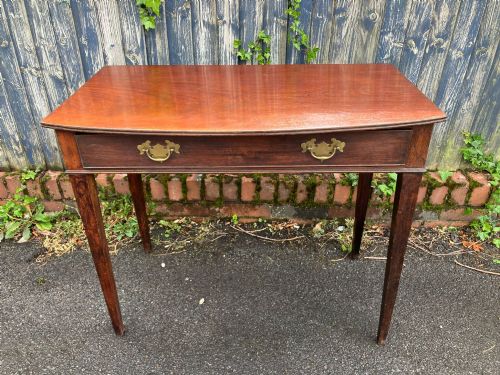
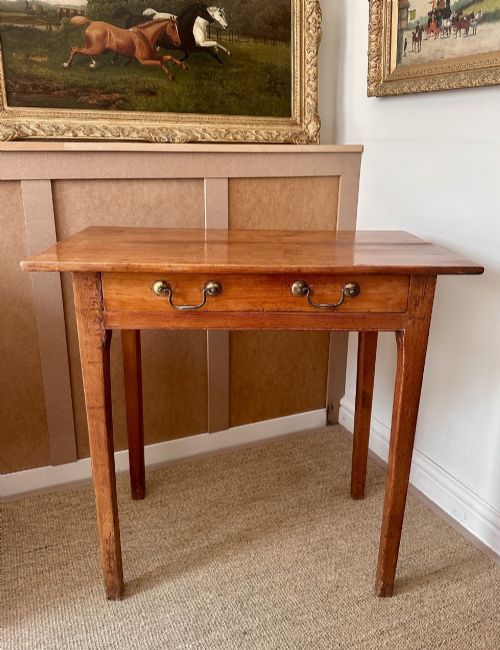
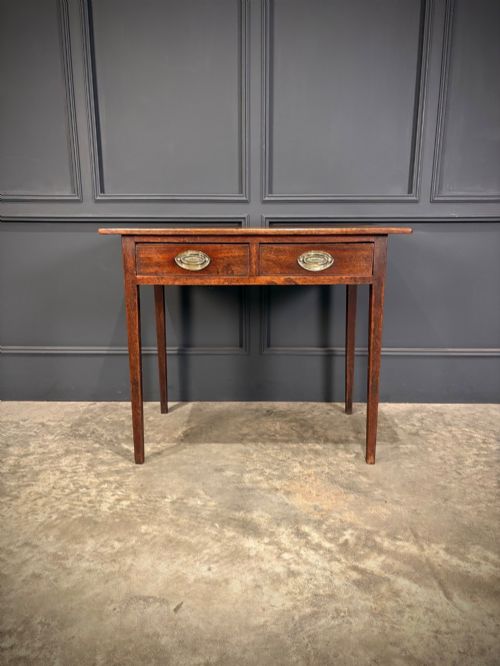
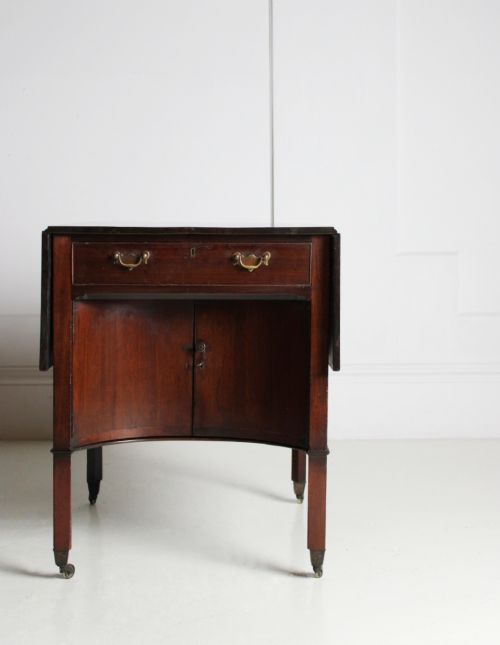
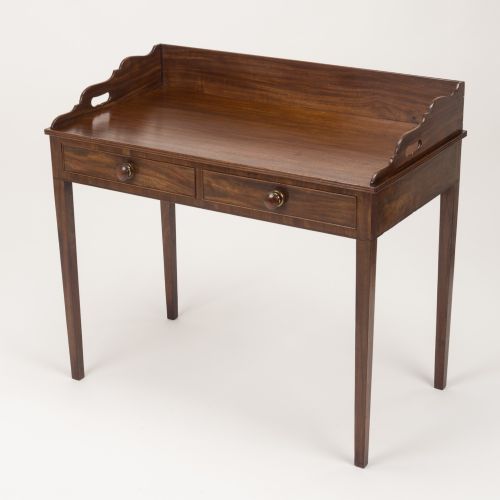
A georgian tapered leg desk offers refined domestic writing space built from rich timbers during the eighteenth and nineteenth centuries.
Georgian Tapered Leg Desk
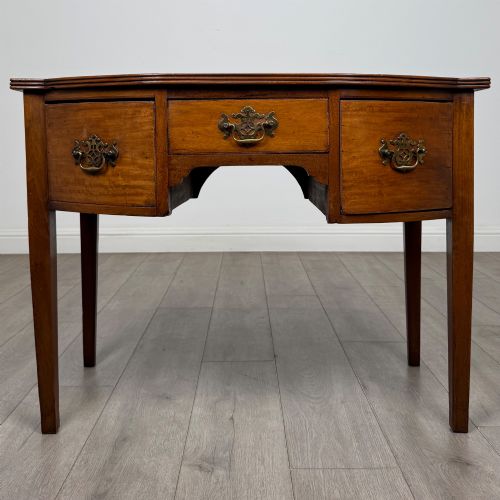
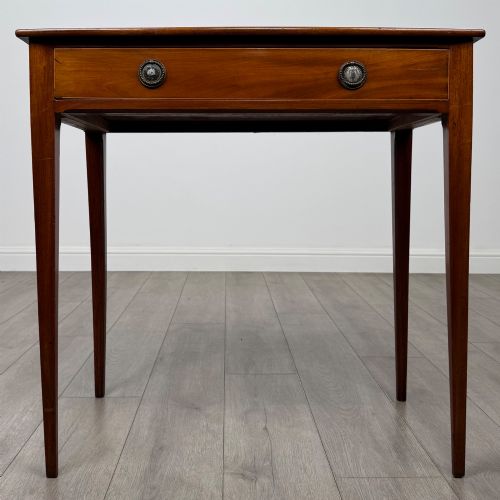
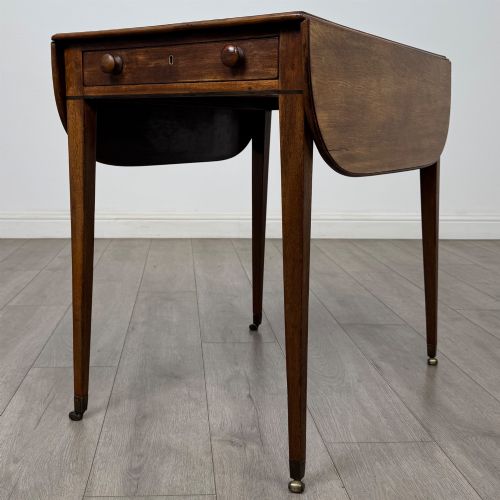
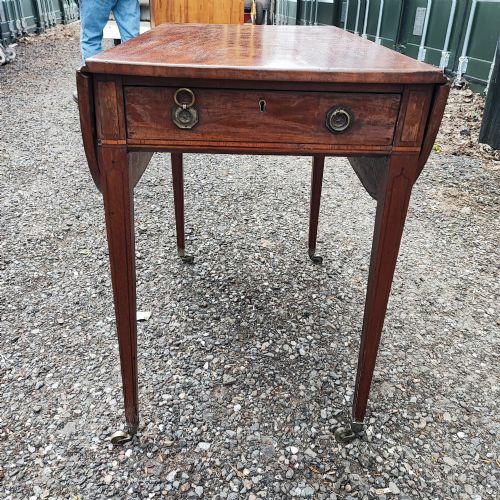
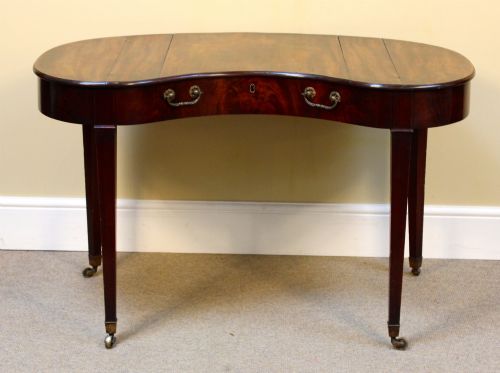
A georgian tapered leg desk brings together compact writing surfaces and side tables produced across the Georgian, Regency, and Edwardian periods. Buyers searching for a georgian tapered leg desk generally encounter mahogany writing tables, lowboys, and Pembroke tables featuring straight, tapering supports.
The objects stem from cabinet-makers working in traditional English styles, including Sheraton and Georgian Revival interpretations. These pieces function as working writing tables, dressing tables, and side tables within domestic settings.
Origins span the mid eighteenth century through to later revival periods around nineteen hundred. Mahogany remains the dominant timber observed across these specific writing and side table forms.
How they were made
Cabinet-makers constructed these desks primarily using solid mahogany, complemented by secondary timbers like oak and pine. Workshops applied decorative details such as boxwood inlay, satinwood banding, and brass hardware to elevate the simpler structural carcasses.
Surfaces frequently feature inset leather panels for writing, alongside fine cross-banding and marquetry work on drawer fronts and tops. Joinery methods relied on traditional drawer construction and sturdy framing to support the slender tapered legs characteristic of the style.
Listings feature mahogany, satinwood, oak, and pine, alongside decorative boxwood inlay and brass hardware.
What varies in quality
The degree of refinement in timber selection and decorative inlay distinguishes standard utilitarian tables from more ambitious cabinet pieces. Finer examples display carefully matched grain patterns, crisp boxwood stringing, and balanced proportions across the tapering legs.
Construction integrity in the drawer framing and the preservation of original brass handles or leather writing surfaces further separate exceptional items. Greater care in the joinery and subtlety of the cross-banding denote superior workshop production.
The Georgian Tapered Leg Desk Glossary
- Pembroke table
- A small occasional table with hinged drop flaps on either side. These practical tables often served for breakfast, writing, or light needlework.
- Lowboy
- A small dressing table or side table featuring one or more rows of drawers beneath the working surface. They typically stand on four slender legs.
- Cross-banding
- A narrow strip of veneer applied to the borders of a table top or drawer front so that the grain runs at right angles to the surrounding wood. This technique creates a distinct decorative border.
- Carlton House desk
- A distinctive writing desk featuring a fitted superstructure of small drawers and compartments arranged in a curve around the back and sides of the writing surface. These desks appeared in both the Georgian and Edwardian eras.
- Bonheur du jour
- A light lady's writing desk featuring a small cabinet or set of drawers on top of the main writing surface. The form gained popularity during the eighteenth century and saw revivals in later decades.
Georgian Tapered Leg Desk: Frequently Asked Questions
What is a tapered leg desk?
A tapered leg desk is a writing table or small side table featuring straight legs that narrow gently toward the foot. These pieces were built primarily in mahogany during the Georgian era and subsequent revival periods.
They provide a compact surface suitable for writing or display while maintaining a light visual presence in a room.
How do I identify a Georgian desk?
Georgian desks are identified by their classic proportions, traditional timber choices such as mahogany and oak, and restrained decorative elements like boxwood inlay or brass pulls. They reflect the furniture design trends of the eighteenth and early nineteenth centuries.
Many examples also appear under later revival styles from the Edwardian period that copied these earlier forms.
Were these desks used only for writing?
While designated as writing tables or desks, many pieces functioned flexibly as side tables, dressing tables, or Pembroke tables within the home. Their manageable size allowed them to be moved easily between sitting rooms and bedrooms.
Drawers provided storage for correspondence, while the flat top accommodated books or small decorative objects.
What woods were used on these tables?
Mahogany is the principal timber found across these desks and side tables, complemented by satinwood, oak, and pine. Cabinet-makers often added boxwood inlay and contrasting veneers to enhance the drawer fronts and borders.
Leather inserts frequently furnished the main writing surfaces on specific desk variants.
How do I care for an antique desk?
Antique desks require placement away from direct heat sources and strong sunlight to prevent the timber and veneer from drying out or fading. Regular dusting with a soft cloth preserves the polish on mahogany and satinwood surfaces.
Leather writing panels benefit from occasional gentle cleaning and conditioning to maintain their flexibility.