


Georgian Taper Holder
A georgian taper holder brings small-scale illumination and refined metalwork to a desk or table, prized for tactile quality and period form.
Georgian Taper Holder
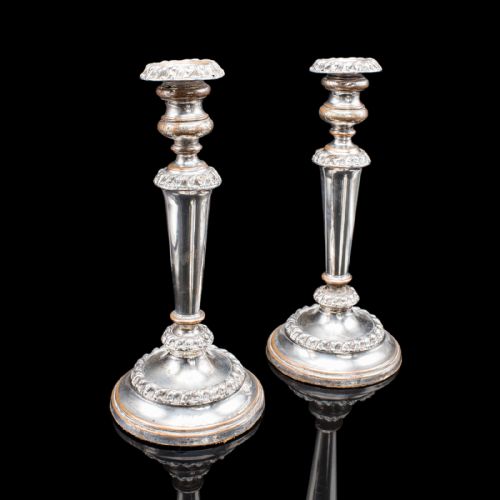
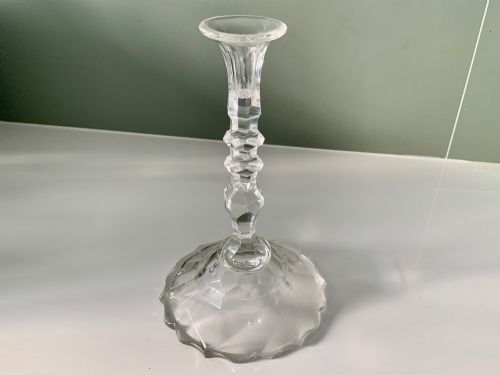
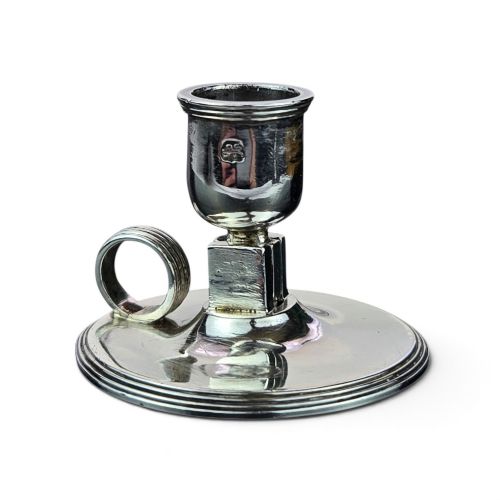
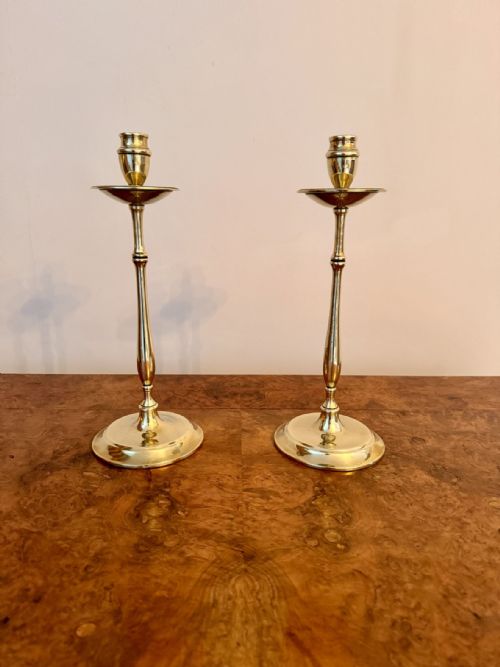
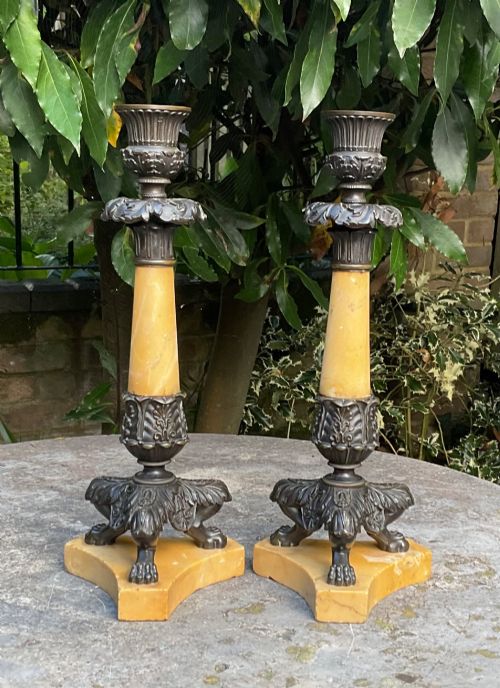
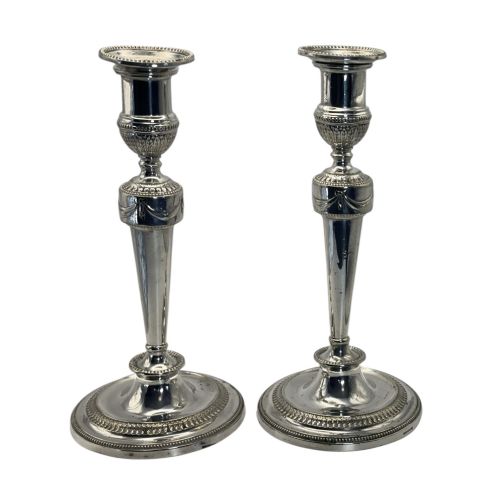
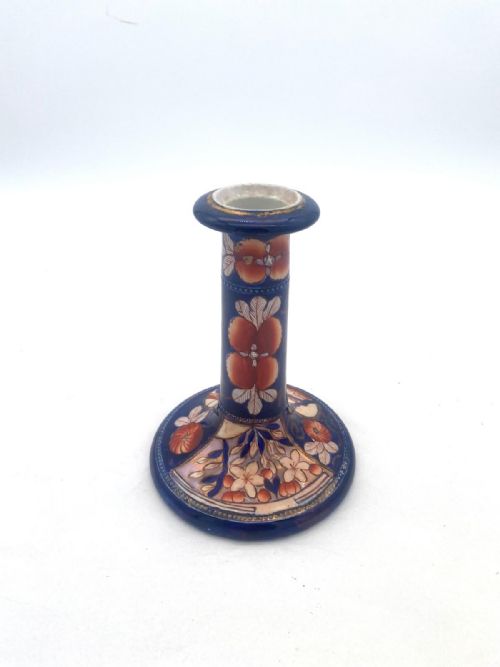
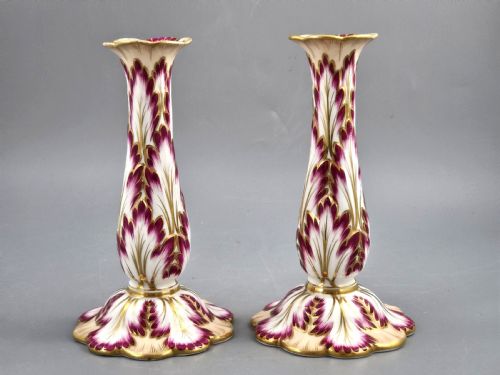
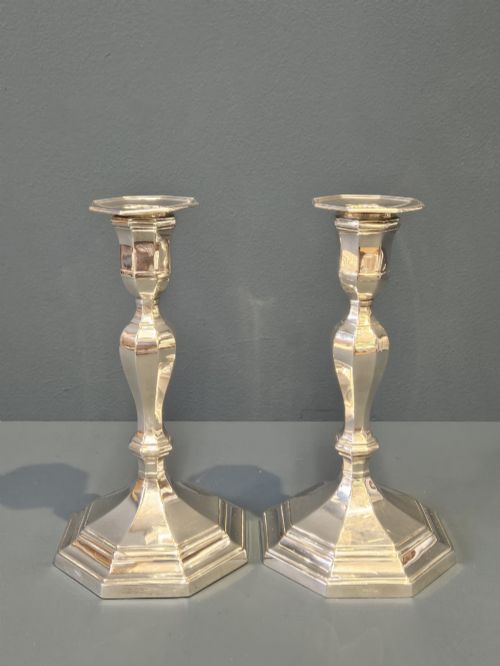
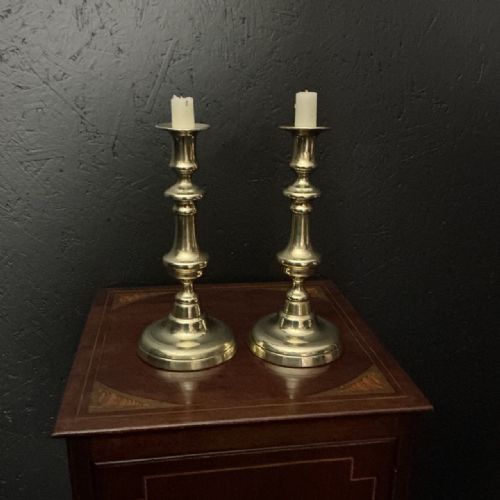
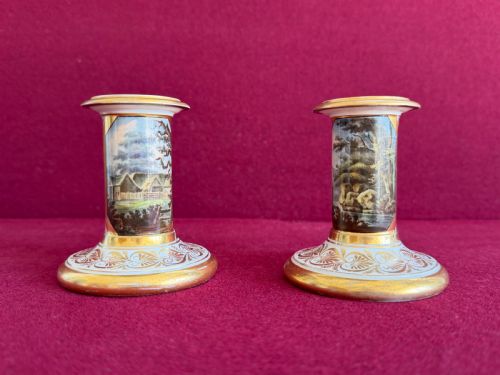
A georgian taper holder is primarily represented on this page by compact candle lighting devices, spill holders, and desk accessories designed to melt sealing wax or light candles. The selection draws heavily upon brass, silver plate, sterling silver, and occasionally mahogany or bronze forms.
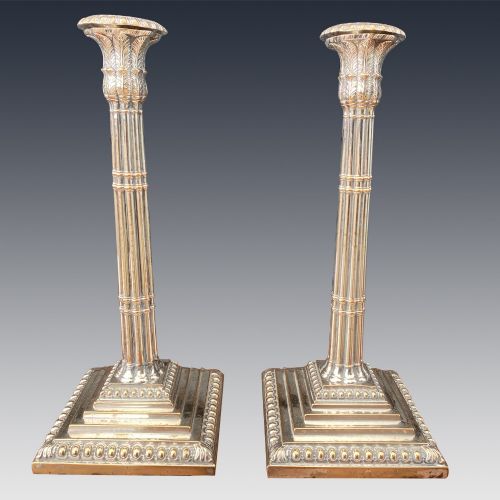
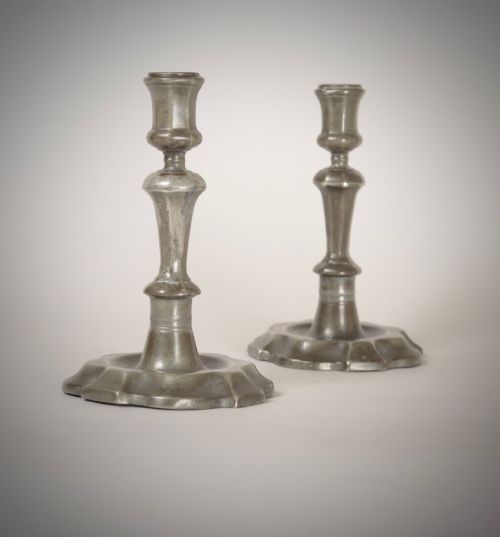
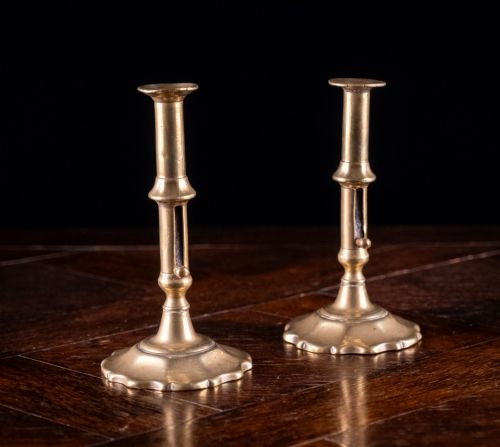
Makers and manufacturers produced these objects across the eighteenth and nineteenth centuries, spanning Georgian, Regency, and Queen Anne styles. Buyers will frequently encounter brass candlesticks with petal bases, column shafts, or ejector mechanisms alongside plated wares from later decades.
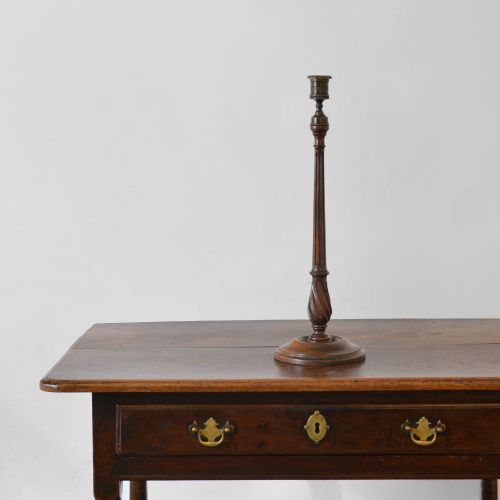
Forms extend from miniature folding wax jacks to tall mahogany shafts and heavy cast brass pairs intended for writing desks or parlour tables. The prevailing items combine domestic utility with the balanced proportions characteristic of neoclassical and mid-eighteenth-century design.
How they were made
Metal items rely upon casting methods, particularly seamed brass construction where components were soldered together, or heavy bronze casting yielding solid desk pieces. Silversmiths utilised sterling silver and Old Sheffield Plate, fusing thin silver sheets to copper bases to achieve durable reflective surfaces.
Wooden examples turn dense mahogany on lathes to create slender or tall candlesticks, demonstrating traditional carpentry and polishing techniques. Iron and gun metal pieces utilise forged and cast methods suited to utilitarian household lighting.
Georgian Taper Holder Retail Price Guide 2026
Typical asking prices for georgian taper holder among the pieces listed under this phrase on Sellingantiques today, from the lower quarter to the upper quarter. They describe what is for sale here now, not the wider market.
One miniature folding silver taperstick carries a specific Christmas inscription from 1810, preserving a festive sentiment.
What varies in quality
Quality rests upon the crispness of casting detail in brass and bronze elements, where sharper petal bases and well-defined mouldings signal superior work. Weight and balance also distinguish finer items, as substantial metal gauge prevents tipping and feels solid in the hand.
The integrity of silver plating or the preservation of original wooden surfaces dictates the visual appeal of finished pieces. Items retaining removable sconces or functioning mechanical parts, such as ejectors or folding joints, demonstrate higher original craftsmanship.
John Reilly·Mappin & Webb·Ridgway·Barr, Flight & Barr·J. Miller
The Georgian Taper Holder Glossary
- Taperstick
- A small candlestick specifically designed to hold a thin wax taper for lighting pipes or sealing letters. These items sit comfortably upon writing desks and tables.
- Old Sheffield Plate
- An early composite material made by fusing a thin sheet of silver to a copper base under heat. This technique produced durable tableware and candlesticks before modern electroplating.
- Sconce
- A removable pan or cup fitted into the top of a candlestick to catch melting wax. This component protects the main shaft and simplifies cleaning.
- Ejector
- A concealed internal mechanism within a brass candlestick shaft operated by a small side button. Pushing the button raises the remaining candle stub for easy removal.
- Petal Base
- A lobed, spreading foot configuration resembling flower petals popular in early eighteenth-century brass casting. This shape provides a stable footprint for slender shafts.
Georgian Taper Holder: Frequently Asked Questions
What is a taper holder used for?
These small holders supported thin wax tapers employed for melting sealing wax on correspondence or lighting larger lamps and fires around the home.
Their compact size allowed them to sit conveniently on desks alongside inkstands and writing equipment.
How do I clean brass taper holders?
Warm soapy water and a soft cloth remove dust and surface grime without disturbing the natural patina built up over centuries.
Avoid harsh abrasive compounds that strip away the historic finish and soften the crisp edges of the cast metal.
How do I date an unbranded brass piece?
Base design, manufacturing marks like ejector seams, and casting methods offer reliable clues to the decade of production.
Petal bases typically point to earlier eighteenth-century manufacture, while column forms often align with neoclassical tastes.