

Georgian Tabletop Chest
A georgian tabletop chest provides compact storage in miniature form, bringing traditional cabinet-making skills into domestic rooms on a smaller scale.
Georgian Tabletop Chest
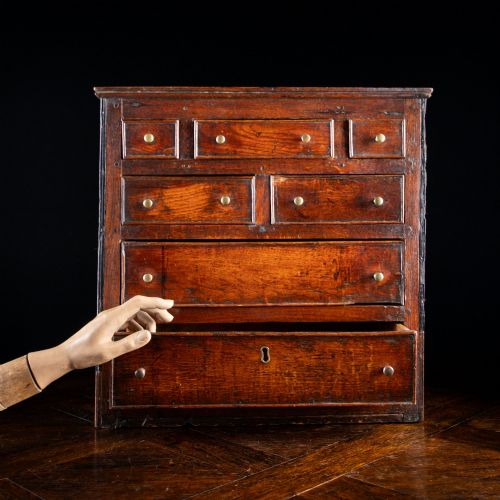
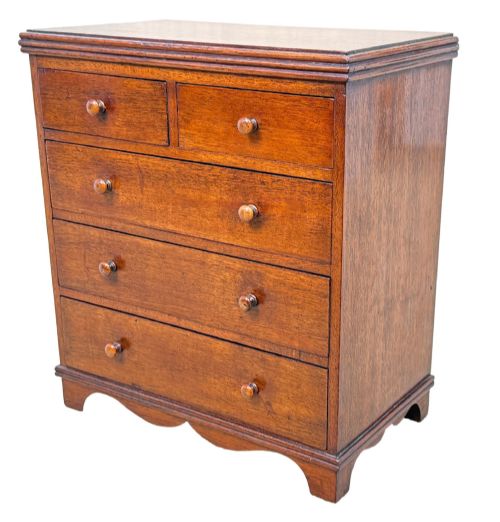
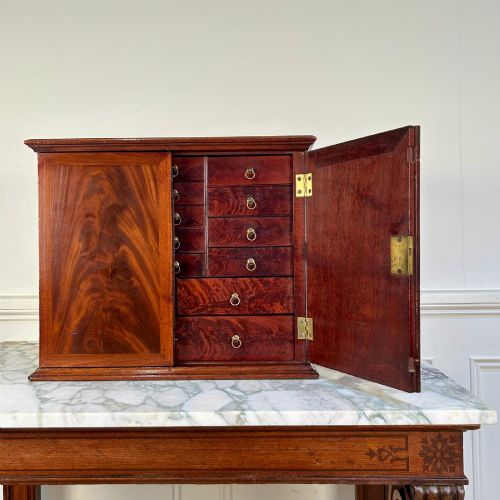
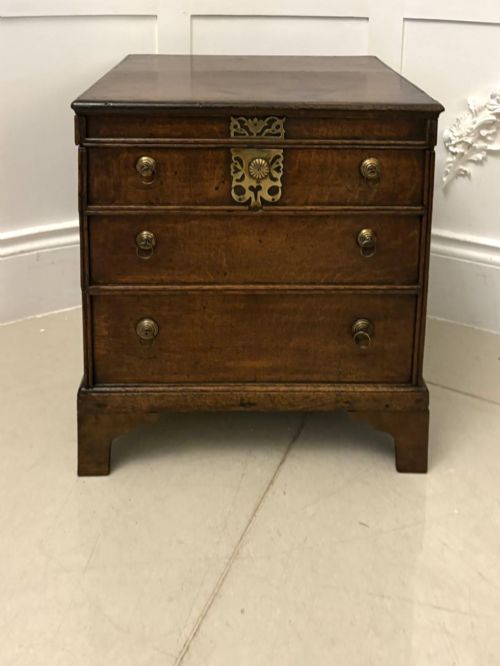
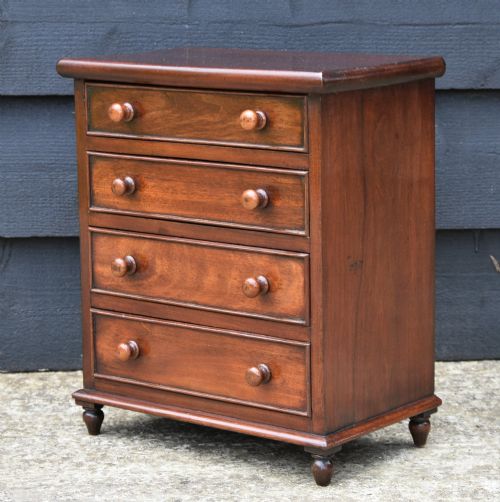
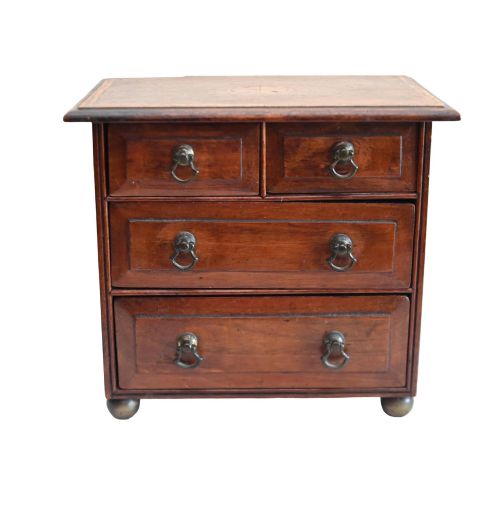
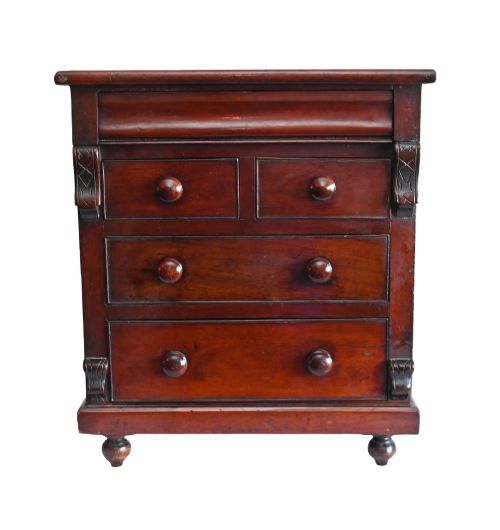
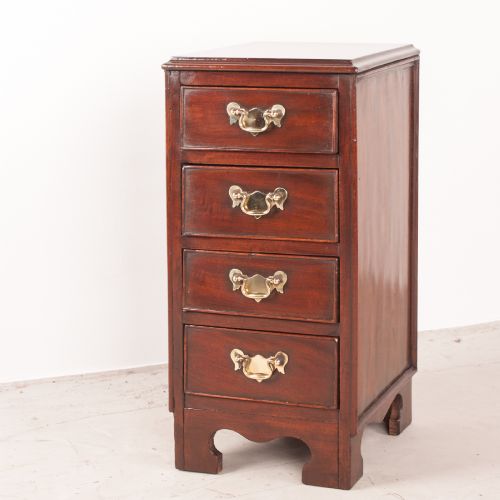
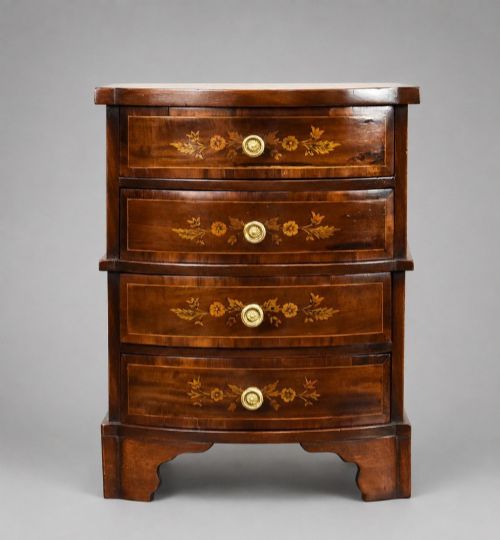
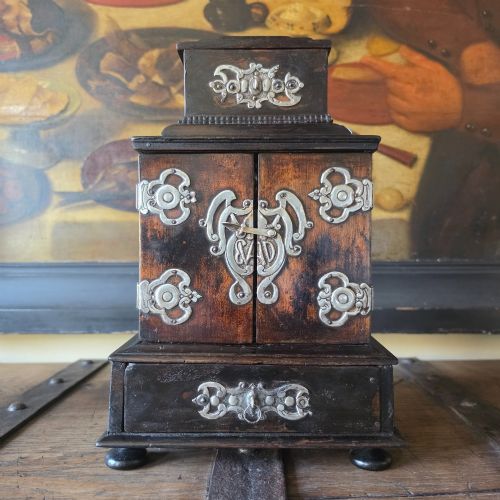
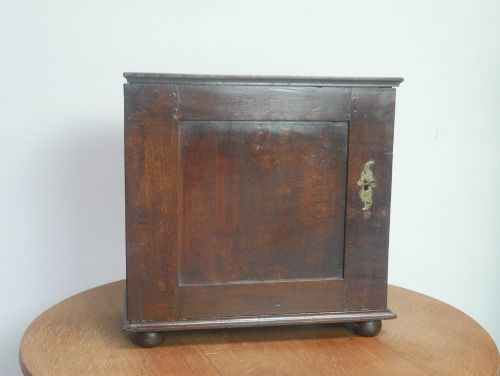
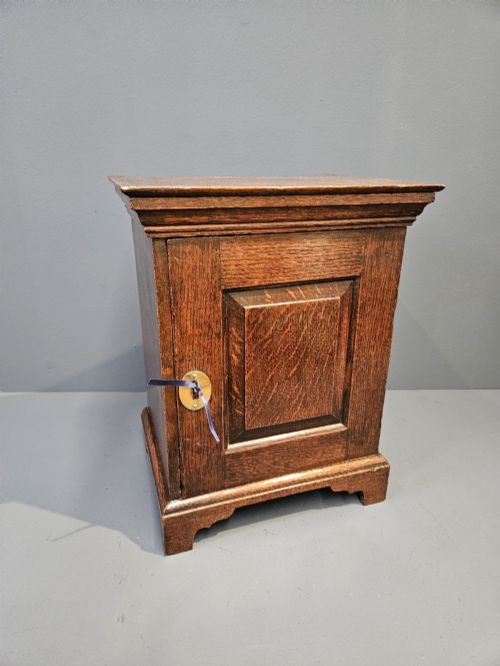
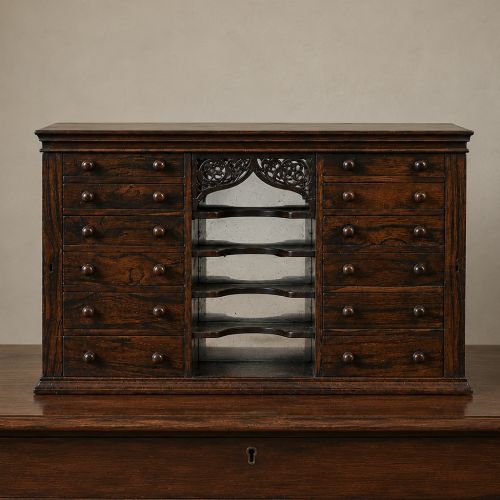
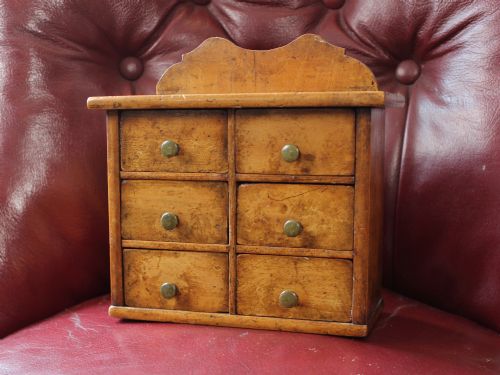
A georgian tabletop chest appears in several distinct forms, including miniature chests of drawers, spice cupboards, coffers, and small storage cabinets. These small pieces mirror the larger furniture of their eras, serving functional roles for trinkets, letters, or valuable items.
The selections span the eighteenth and nineteenth centuries, featuring periods such as the Georgian and Regency eras alongside later interpretations. Materials range from native timbers like oak and mahogany to more decorative veneers.
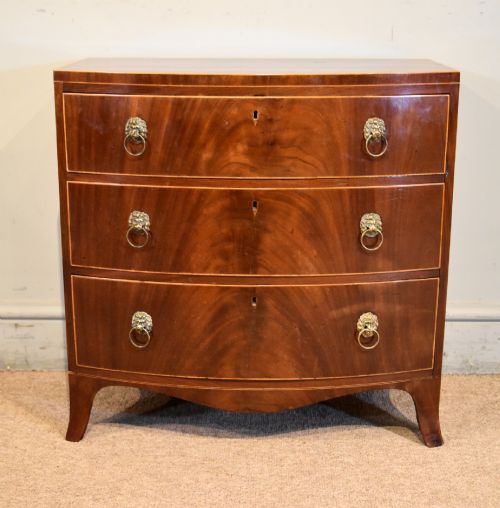
Miniature furniture takes several shapes, from straight-fronted chests to bow fronts and kneehole desks. Spice cupboards and small coffers provide alternative storage formats within the same tabletop scale.
Materials and Construction
Cabinet-makers utilised solid timbers including mahogany, oak, walnut, fruitwood, elm, and pine to construct these small chests. Finer pieces incorporate decorative veneers such as rosewood, burr yew, and marquetry details.
Metal fittings such as brass drop handles and hinges provide functional hardware, while leather and tortoiseshell appear on specific casket formats. Construction methods follow standard cabinet-making techniques scaled down for miniature proportions.
The listings feature woods including mahogany, oak, walnut, rosewood, fruitwood, elm, pine, and amboyna.
Quality and Construction
The standard of a tabletop chest rests on the choice of timber and the precision of its joinery. Selected grain patterns in mahogany, walnut, or burr yew distinguish finer examples from plain painted or pine versions.
Fine craftsmanship shows in the dovetail joints of the drawers, the alignment of inlay or marquetry, and the integration of original brass hardware. Patina built up over centuries indicates surface preservation rather than heavy restoration.
The Georgian Tabletop Chest Glossary
- Coffor Bach
- A traditional Welsh miniature coffer or chest used for storing valuables, often featuring panelled oak construction.
- Apprentice piece
- A small item demonstrating skill created by a craftsman learning a trade.
- Spice cupboard
- A small wall-hanging or tabletop cabinet containing multiple small internal drawers for storing spices or valuables.
- Marquetry
- Decorative veneer work arranged in geometric or pictorial patterns across the surface of the wood.
- Wellington chest
- A tall narrow chest of drawers secured by a hinged locking stile on one side.
Georgian Tabletop Chest: Frequently Asked Questions
What were tabletop chests used for?
These small chests served domestic purposes for storing valuables, jewellery, letters, or spices. Their compact size allowed them to sit securely on tables or desks within private rooms.
Craftsmen also produced them as demonstration pieces to showcase mastery of cabinet-making techniques to prospective guilds.
How do I date a miniature chest?
Dating relies on identifying the primary timber, construction methods, and stylistic details associated with periods like the eighteenth century or Regency era. Secondary woods inside drawers and the style of brass handles offer further clues.
Proportions and decorative motifs such as bow fronts or marquetry align with the prevailing tastes of their manufacturing period.
Are these chests original or later copies?
The listings include period pieces alongside later interpretations from the nineteenth and early twentieth centuries, such as George II style items. Examining timber ageing, construction wear, and internal drawer joints helps distinguish original period pieces from later examples.
Patina and surface wear accumulate naturally over centuries on genuine eighteenth-century items.
What woods were used for these chests?
Cabinet-makers utilised sturdy native timbers like oak, elm, and fruitwood alongside imported hardwoods such as mahogany, rosewood, and walnut. Finer examples display decorative veneers including burr yew and tortoiseshell.
Pine and painted woods appear on utilitarian or regional pieces.