




Georgian Style Silver Dishes
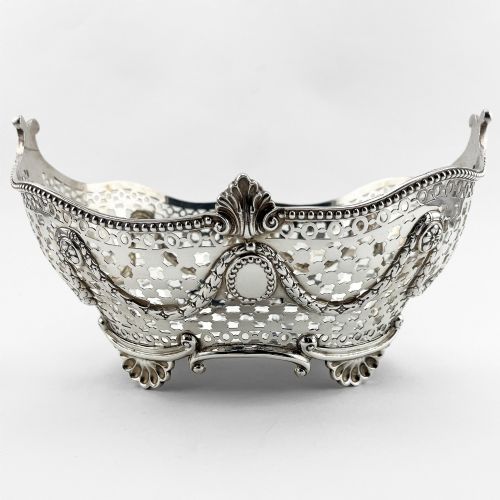
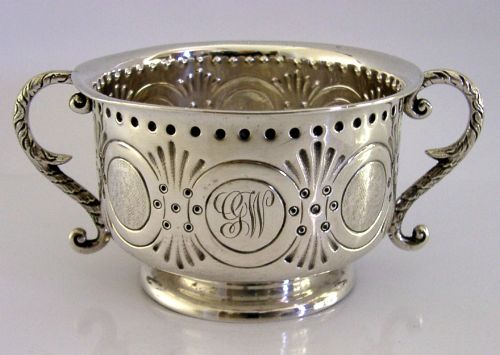
Georgian style silver dishes bring classic eighteenth-century elegance to the table, offering pierced baskets, boat-shaped salts, and delicate porringers that elevate any interior.
Georgian Style Silver Dishes
When you search for georgian style silver dishes, you encounter items designed to echo earlier forms rather than strict eighteenth-century output. These pieces span several decades of production, incorporating revival aesthetics that emulate classical restraint or ornate rococo lines.
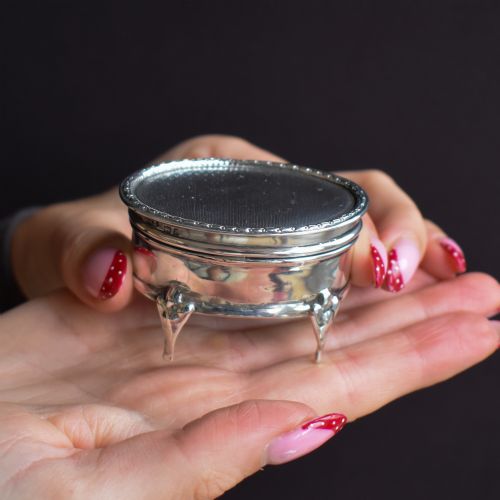
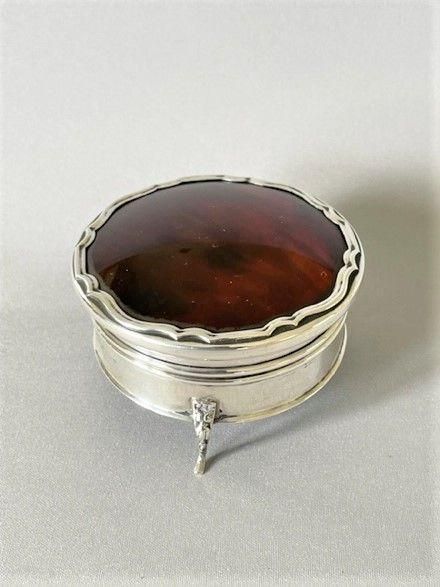
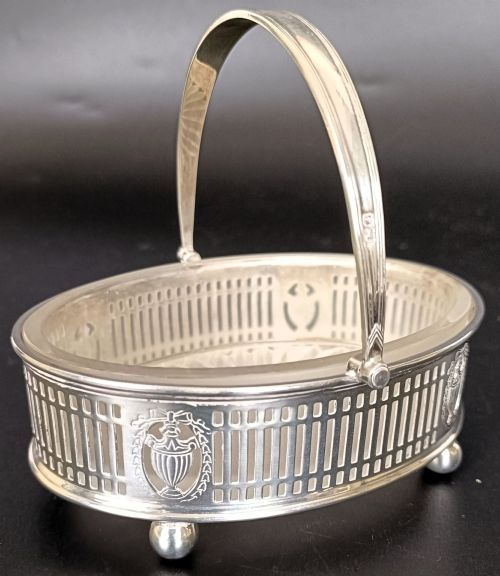
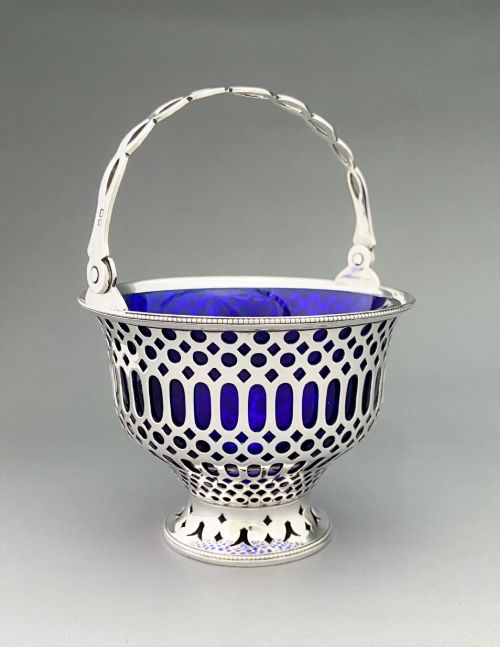
The objects on this page take various practical and decorative forms, including sugar baskets with swing handles, boat-shaped table salts paired with coloured glass liners, and small trinket boxes. Such items served dining and dressing table functions in period homes and continue to fulfil similar roles today.
Most examples you meet here originate from later periods that imitated eighteenth-century models, such as Edwardian revivals and early twentieth-century reproductions. Makers during these eras adopted neoclassical motifs and shell designs to satisfy enduring public taste for historical grandeur.
How they were made
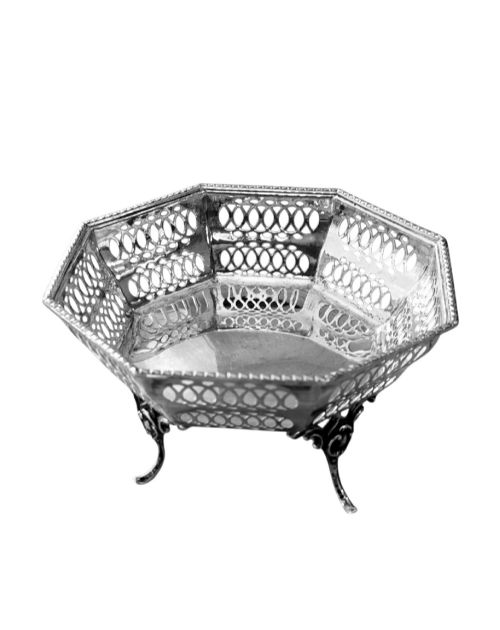
The primary material across these listings is sterling silver, frequently shaped into intricate vessels through hand-piercing and hammering techniques. Workshops employed skilled metalworkers to execute openwork patterns in swing-handled baskets and porringer bowls.
Many hollowware pieces and small dishes incorporate contrasting inner linings made from cobalt, ruby, or plain blue glass. These glass liners required separate blowing and shaping skills to fit securely inside pierced silver frames and salt cellars.
Certain objects utilise silver gilt to provide a rich golden surface finish, while others combine sterling frames with organic panels of tortoiseshell. Such mixed-media constructions demanded specialised joining methods to unite metal and shell securely.
Georgian Style Silver Dishes Retail Price Guide 2026
Typical asking prices for georgian style silver dishes among the pieces listed under this phrase on Sellingantiques today, from the lower quarter to the upper quarter. They describe what is for sale here now, not the wider market.
Some nineteenth-century table salts were shaped like tiny scallop shells, letting Victorian diners pretend they were dining beside the sea.
What varies in quality
Quality in these items rests upon the crispness of the chased or pierced decoration and the relative weight of the metal used. Superior pieces display deep, sharply defined motifs without distortion across the curves of baskets and bowls.
The presence of original coloured glass liners significantly influences the integrity of salt cellars and dishes. Items retaining their matching cobalt or blue glass components demonstrate better preservation and completeness than those requiring replacement liners.
The reputation of the silversmith or manufacturing firm also marks a distinction between standard production and finer output. Pieces bearing clear hallmarks from established makers or recognised workshops tend to exhibit superior finishing and structural balance.
Synyer & Beddoes·Edward Farrell·George Fox·John Hunt
The Georgian Style Silver Dishes Glossary
- Sterling silver
- A standard alloy consisting of ninety-two point five percent silver and seven point five percent other metals, typically copper. This composition provides the durability required for functional tableware.
- Porringer
- A small, shallow bowl equipped with one or two flat pierced handles, originally used for soft foods or porridges. In later periods, these vessels functioned mainly as decorative decorative items or presentation pieces.
- Silver gilt
- Sterling silver that has been coated with a thin layer of gold through an electrochemical or fire-gilding process. This technique protects the underlying metal from tarnishing while offering a rich two-tone appearance.
- Blue glass liner
- A vibrant cobalt or dark blue glass insert fitted inside openwork silver salts or baskets. These liners protected the silver from corrosive food acids and added contrasting colour to the design.
- Swing handle
- A movable arched handle attached to the rim of baskets via pivot pins. This feature allowed the handle to drop flat for easy storage and serving at the table.
Georgian Style Silver Dishes: Frequently Asked Questions
What were silver dishes used for?
These pieces served specific functions in historic dining and domestic routines, holding sugar, salt, or small confectioneries during formal meals. Baskets carried bread or fruit, while smaller bowls and salts contained seasonings for guests.
Over time, many of these items transitioned into purely decorative table ornaments or display pieces. Their practical utility gave way to an appreciation for fine metalwork and period interior styling.
How do I identify reproduction pieces?
Examination of the hallmarks stamped on the metal provides the most reliable method for dating an object. Assay office marks and date letters reveal the exact year of manufacture, often showing that a piece follows an earlier style rather than originating in the eighteenth century.
Stylistic cues also help distinguish revivals from original items, as later makers utilised manufacturing techniques typical of the Edwardian era or the twentieth century. Comparing the weight and construction methods against known historical standards clarifies the true period of origin.
Are glass liners original to the salts?
Original glass liners fit snugly into the pierced metal frame without excessive movement or gaps. They typically display the minor bubbles and irregularities common to older glass production.
Replacements often fit less securely or use modern glass types that differ in colour and texture from period examples. Inspecting the rim and base helps determine whether the glass matches the age of the silver holder.
How should I clean silver dishes?
Maintenance requires gentle cleaning using non-abrasive silver cloths or specialised liquid polishes designed for sterling metal. Avoid harsh scrubbing that might wear down engraved details or thin gilding.
When items include glass liners or tortoiseshell panels, remove the inserts before polishing the surrounding metal. Keeping the pieces away from damp environments prevents tarnishing and protects organic elements from deterioration.