



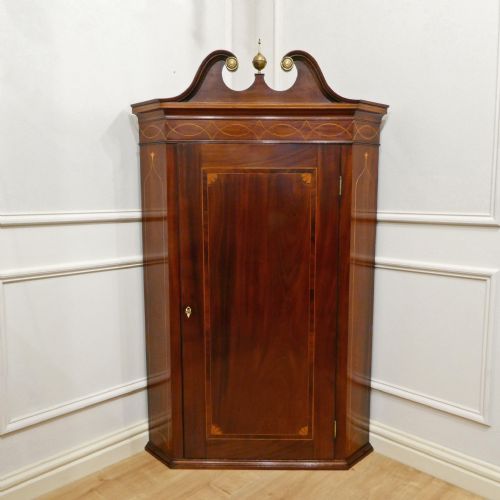
Georgian Style Satinwood Cabinet
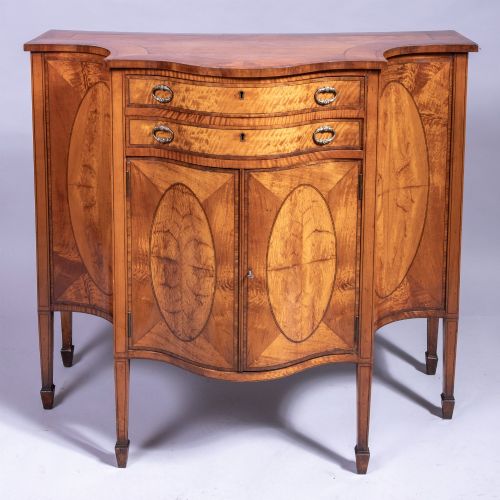
A georgian style satinwood cabinet brings pale timber and delicate inlay into a room, offering both display and storage.
Georgian Style Satinwood Cabinet
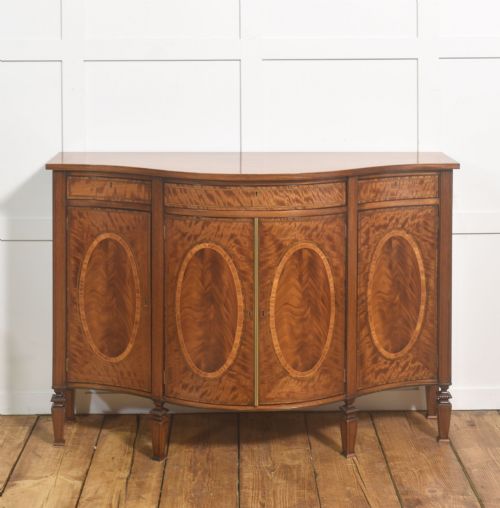
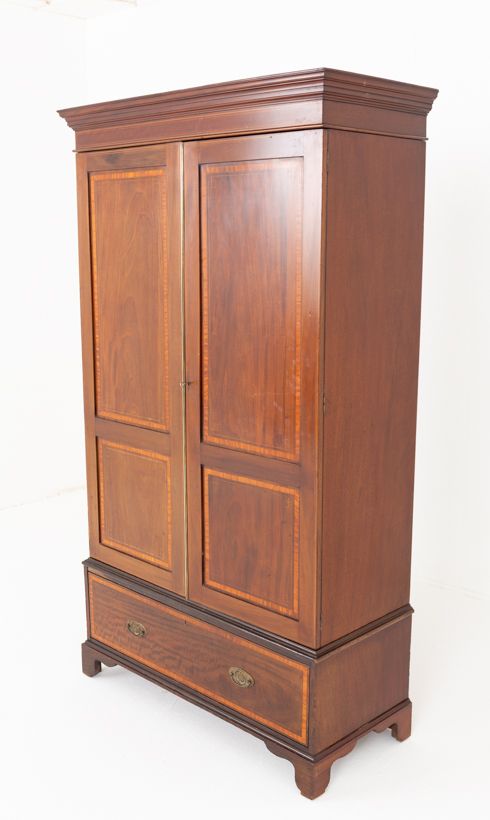
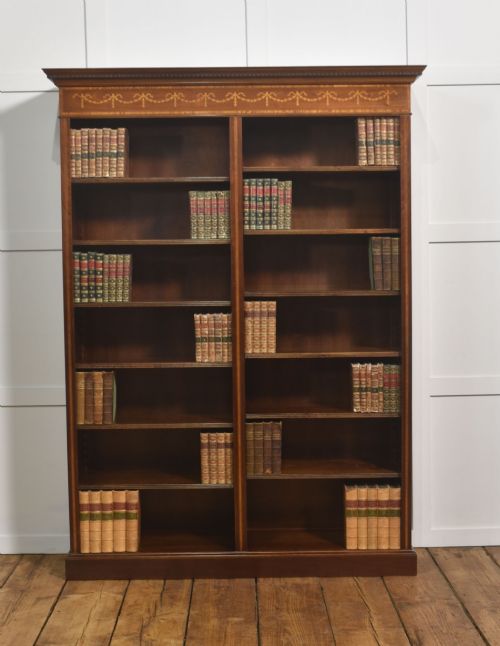
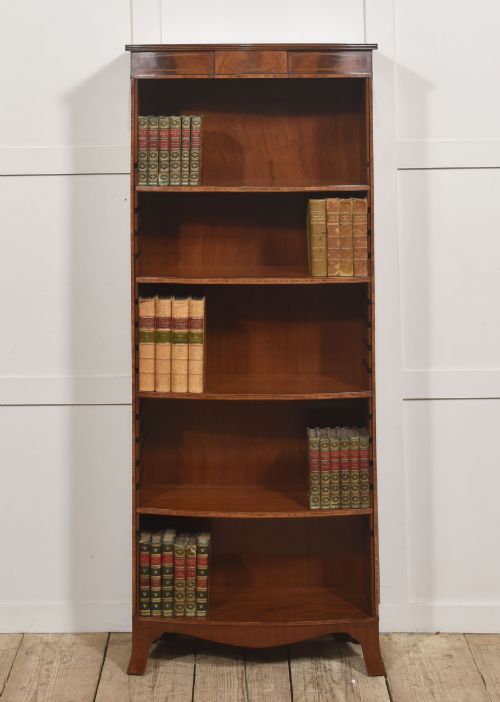
A georgian style satinwood cabinet encompasses side cabinets, display pieces, and bookcases produced across the nineteenth and twentieth centuries. These forms draw on eighteenth-century design vocabulary, particularly the lighter aesthetic popularised during the Sheraton period. Buyers seeking this phrase frequently encounter Edwardian revivals alongside earlier pieces.
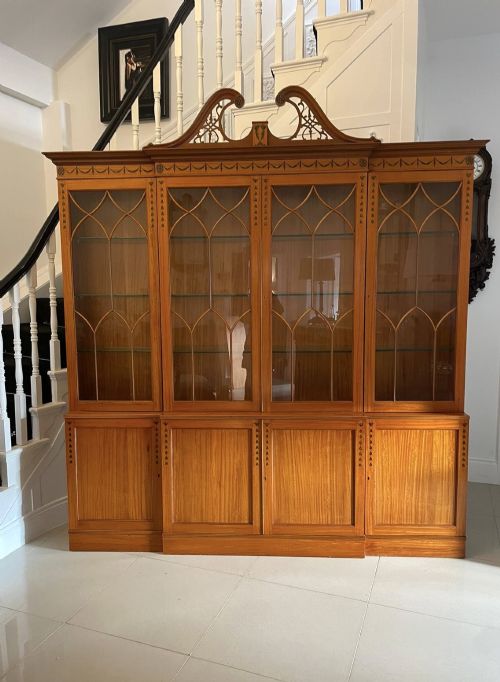
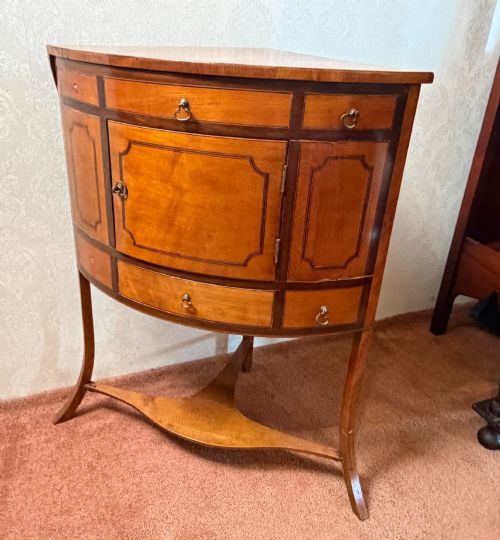
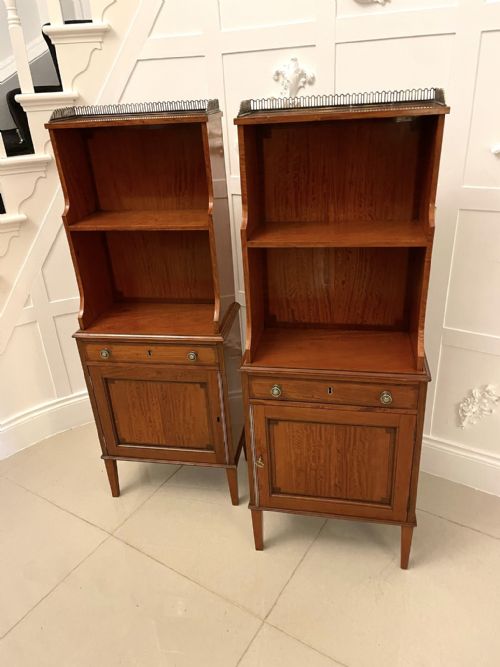
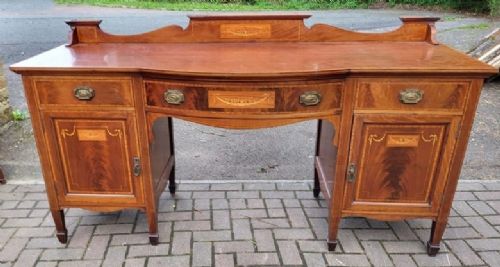
The selection ranges from large breakfront display cabinets with painted decoration to compact bedside units and corner cupboards. Sideboards and secretaire cabinets also appear, often incorporating contrasting timbers within their structural carcasses. This variety reflects the enduring appeal of neoclassical proportions and polished wooden surfaces.
Materials and Construction Techniques
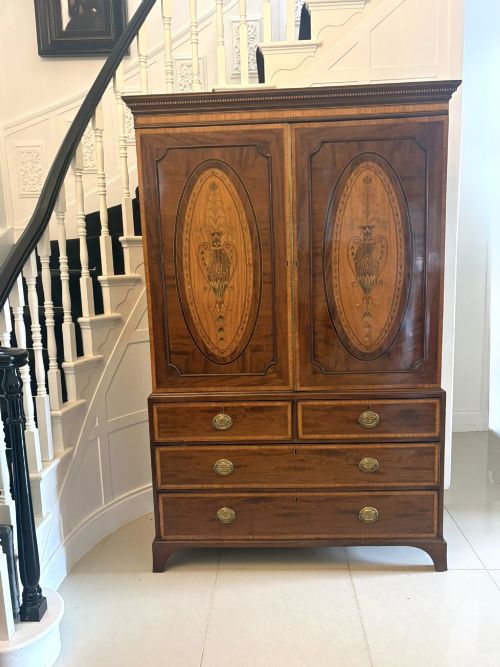
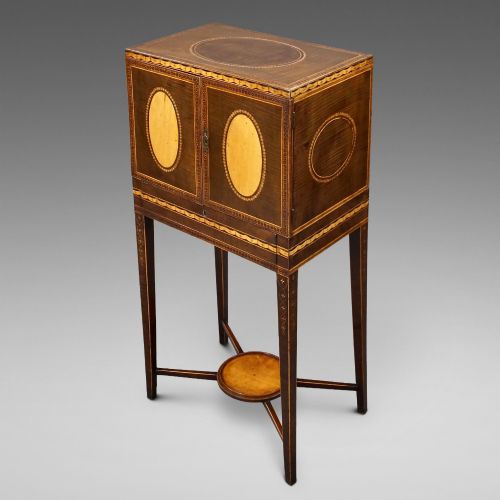
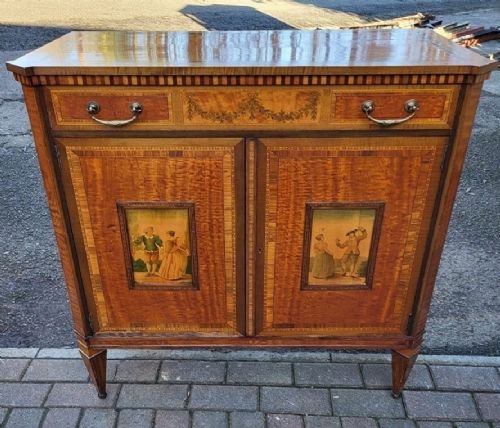
Cabinet makers utilised satinwood as a primary timber or veneer, complemented by contrasting woods such as mahogany, rosewood, harewood, and boxwood for stringing and banded details. Painted decoration frequently embellishes the panels, adding classical motifs and botanical details directly to the wood surface. Brass hardware, including handles and key escutcheons, provides functional and visual accents.
Object forms range from large breakfront display cabinets and sideboards down to compact bedside units, hanging shelves, and folding wash stands.
Distinguishing Quality Across the Range
The standard of marquetry and painted decoration marks a primary division between utilitarian items and exhibition pieces. Finer examples display meticulous grain matching, tight veneer joints, and subtle shading within inlaid floral or classical panels. Lesser pieces rely on simpler construction with minimal stringing and plain timber surfaces.
Internal fitting and hardware also indicate workshop origin. Superior items incorporate original brass fixtures, well-fitted drawers with secondary linings, and finely proportioned glazing bars on display doors. The integration of secondary woods like mahogany or satin birch within the internal structure further signals the care taken during production.
Gillows·Maple and Co·Edwards and Roberts·Shoolbred of London
The Georgian Style Satinwood Cabinet Glossary
- Satinwood
- A lustrous tropical hardwood with a natural golden yellow sheen, prized for fine veneer work. It forms the primary visual element in many revival and neoclassical pieces.
- Marquetry
- The art of applying decorative veneer pieces to a structure to form intricate patterns or pictures. Craftsmen use varied timber colours to create depth without relying on paint.
- Astral Glazing
- Cabinet doors divided into wooden or brass lattice bars that hold multiple small panes of glass. This technique frames the contents while maintaining structural integrity.
- Demi-Lune
- A half-moon shape characteristic of commodes and side cabinets designed to sit flat against a wall. This profile softens room layouts by removing sharp corners.
- Secretaire
- A cabinet incorporating a fitted writing drawer with a drop-front writing surface. It conceals small pigeonholes and inner drawers for correspondence.
Georgian Style Satinwood Cabinet: Frequently Asked Questions
What periods do these cabinets date from?
The pieces span from eighteenth-century originals through nineteenth-century Victorian examples to early twentieth-century Edwardian and Sheraton Revival interpretations. Many items adopt eighteenth-century design principles while being manufactured decades later.
Revival pieces often replicate the lightness and marquetry of the George III era using the manufacturing techniques of their own time.
How were satinwood cabinets used historically?
These cabinets served multiple domestic functions, from displaying porcelain in principal rooms to storing linen in bedrooms or serving as writing stations. Smaller pieces operated as bedside units or corner wash stands.
Display cabinets and breakfront bookcases were designed to showcase a household's refined taste and collected objects.
How do I care for satinwood furniture?
Satinwood benefits from stable environmental conditions away from direct sunlight and strong heat sources, which can fade the timber and dry out veneers. Gentle dusting with a dry, soft cloth preserves the polished surface.
Avoid using silicone-based polishes or harsh chemical cleaners that may damage the delicate painted decoration or marquetry details.
What is Sheraton Revival style?
Sheraton Revival furniture draws inspiration from the neoclassical designs published by Thomas Sheraton in the late eighteenth century. These later nineteenth and twentieth-century interpretations favour slender proportions, satinwood veneers, and classical inlay.
Craftsmen during this revival period embraced painted panels and delicate bracket feet to echo the elegance of the Georgian era.