





Georgian Style Painted Dresser
A georgian style painted dresser brings functional charm and historic character to a room, offering generous storage alongside decorative presence.
Georgian Style Painted Dresser
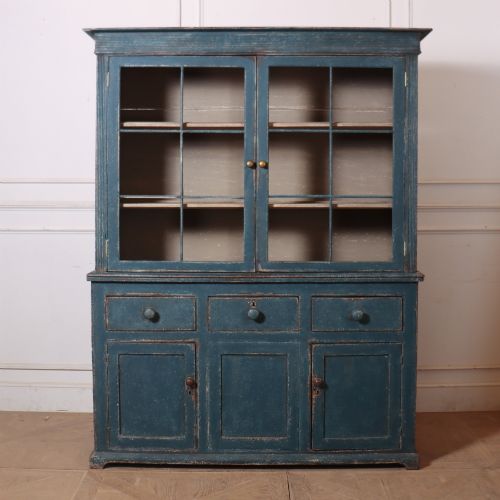
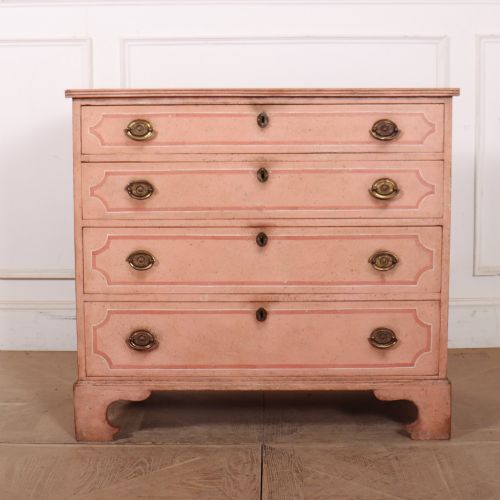
A georgian style painted dresser typically takes the form of a robust dresser base, a kitchen dresser, or a chest of drawers, often originating from English country houses and workshops. These pieces span from the 17th century through the Victorian era, embodying traditional proportions and utility.
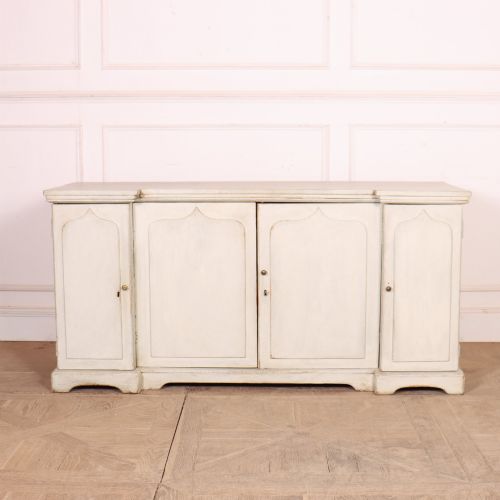
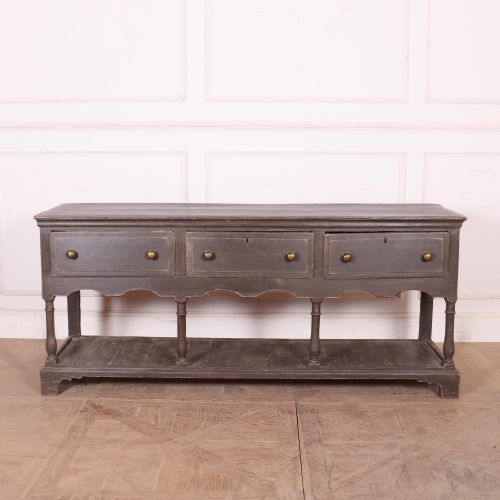
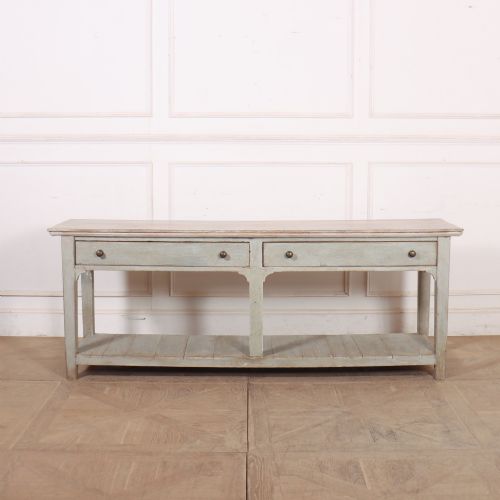
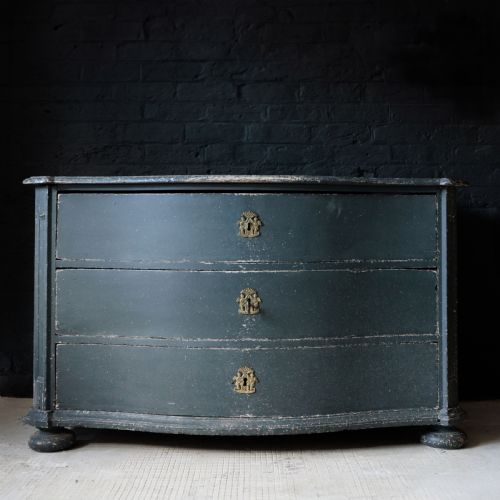
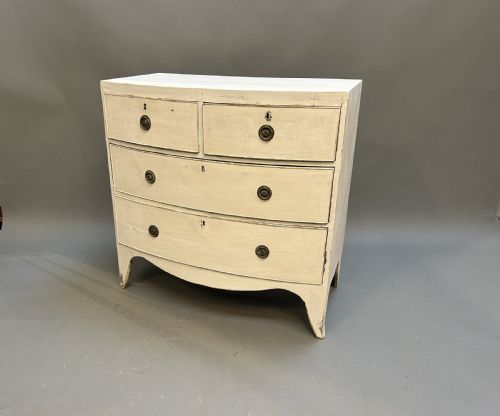
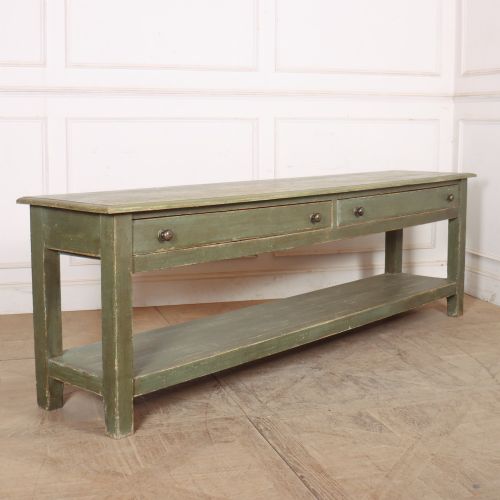
The version most commonly met on this page is the English painted dresser base or kitchen dresser, frequently constructed with open potboards or multiple drawers. Alongside these, buyers encounter serpentine commodes, bowfront chests of drawers, and breakfront serving tables bearing painted finishes.
Materials and construction methods
These items rely on sturdy timbers such as pine, oak, and general painted wood, complemented by brass hardware and occasional glass elements. Artisans shaped these woods into functional storage furniture, applying paint surfaces that have aged through the centuries.
Construction techniques emphasise traditional joinery suited to heavy daily use in kitchens and country houses. Simulated pine finishes and applied paint layers protect the timber while defining the decorative appearance of each base or chest.
Many an antique potboard secretly holds the flour-dusted ghosts of countless past pastry preparations.
Distinctions in craftsmanship and condition
The distinction between standard examples and finer pieces rests on the harmony of proportions, the integrity of the timber, and the character of the painted surface. Superior items display well-balanced serpentine or bowfront contours alongside original structural elements.
Depth of quality is further observed in the handling of edges, drawer construction, and how gracefully the painted finish has worn over generations of domestic service. Pieces retaining early or original paint schemes command particular attention from knowledgeable buyers.
The Georgian Style Painted Dresser Glossary
- Potboard
- An open lower shelf on a dresser base designed for displaying or storing heavy kitchen pottery. This practical feature distinguishes traditional dresser bases from closed cabinets.
- Serpentine
- A front contour characterised by a gentle convex centre flanked by concave curves. This sophisticated shaping appears on finer commodes and chests of drawers.
- Bowfront
- A convex, outward-curving front profile popular on chests of drawers and serving tables. It softens the boxy geometry of traditional case furniture.
- Breakfront
- A piece of furniture where the central section projects forward from the flanking sections. This architectural arrangement creates a dynamic interplay of light and shadow.
- Commode
- A low, ornate chest of drawers or cabinet, often of French or fine English inspiration. The term denotes a refined storage piece suitable for principal rooms.
Georgian Style Painted Dresser: Frequently Asked Questions
What is a potboard dresser base?
A potboard dresser base is a heavy wooden table fitted with drawers above an open lower shelf. This lower platform was traditionally used to store pots, pans, and heavy kitchen ceramics.
Today, these sturdy pieces function well as sideboards, serving tables, or kitchen islands. Their open lower tier provides convenient display space for baskets or large decorative objects.
Where were these painted dressers originally used?
Many of these pieces originated in West Country farmhouses, country houses, and provincial kitchens. They served as hard-working storage and food preparation units for bustling households.
Over time, their decorative painted finishes and practical proportions transitioned them into formal dining rooms and living spaces. They continue to provide versatile storage in modern homes.
How should I care for an antique painted finish?
An antique painted finish requires gentle maintenance to preserve the historic layers of pigment. Dusting with a dry, soft cloth prevents particle buildup without disturbing the surface.
Avoid harsh chemical cleaners, abrasive pads, and excessive moisture, which can lift or damage old paint. Placing the furniture away from direct sunlight and steady heat sources protects the timber underneath from warping.