

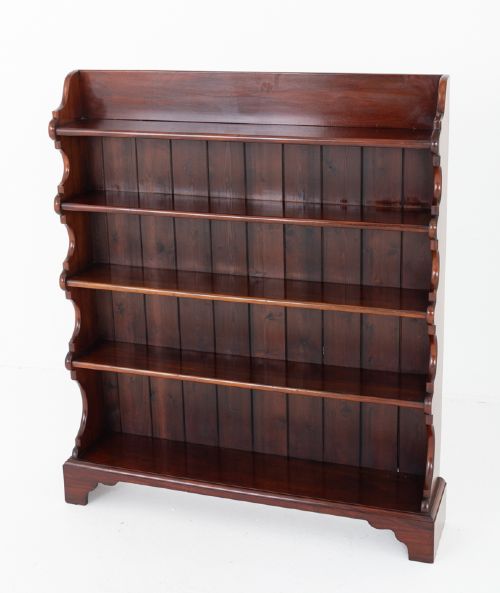
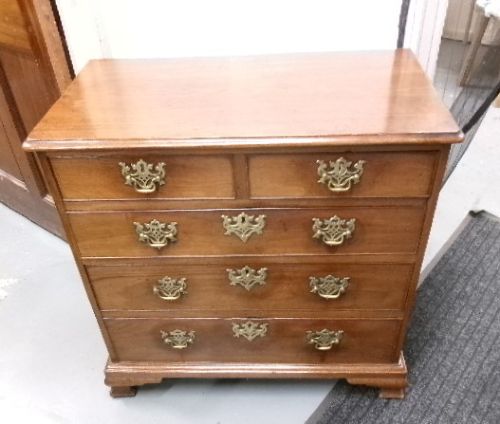
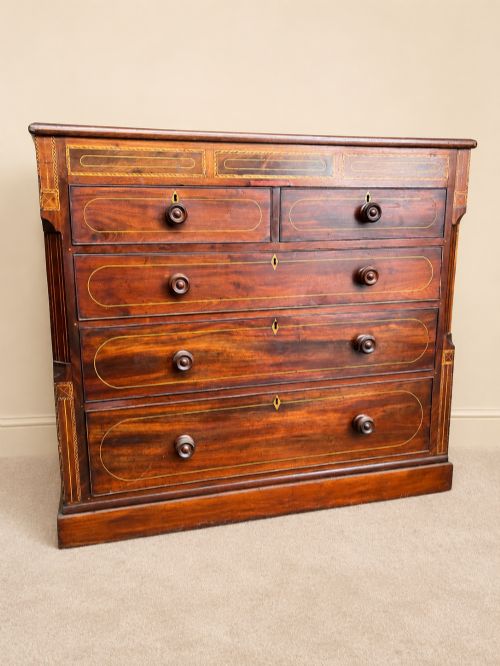
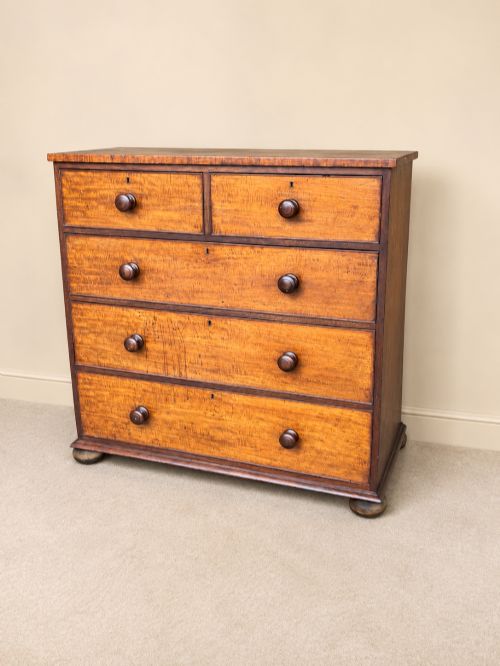
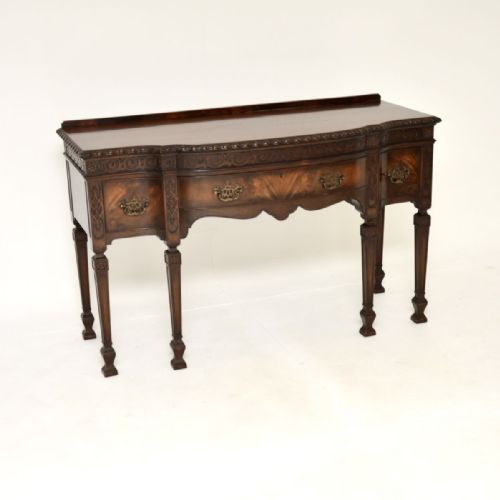
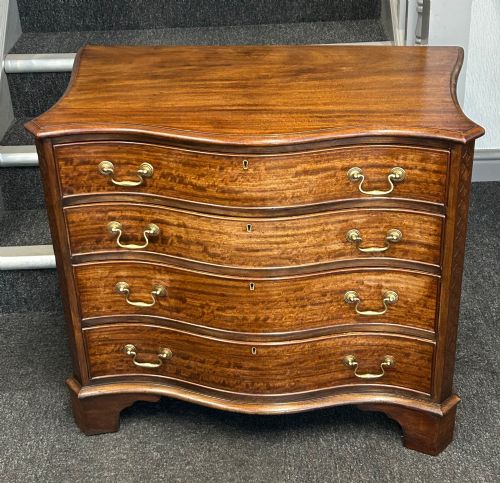
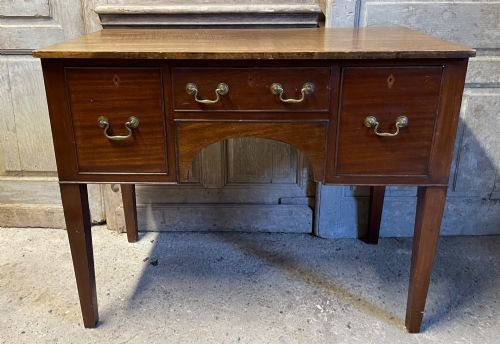
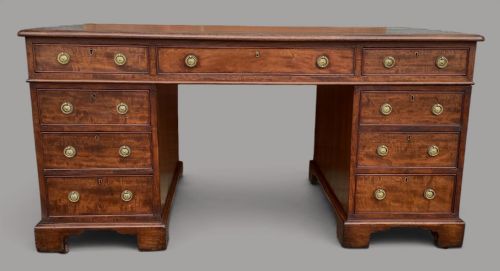
Georgian Style Mahogany Furniture
Georgian style mahogany furniture brings the warm tone and balanced proportion of eighteenth-century design into daily domestic use.
Georgian Style Mahogany Furniture
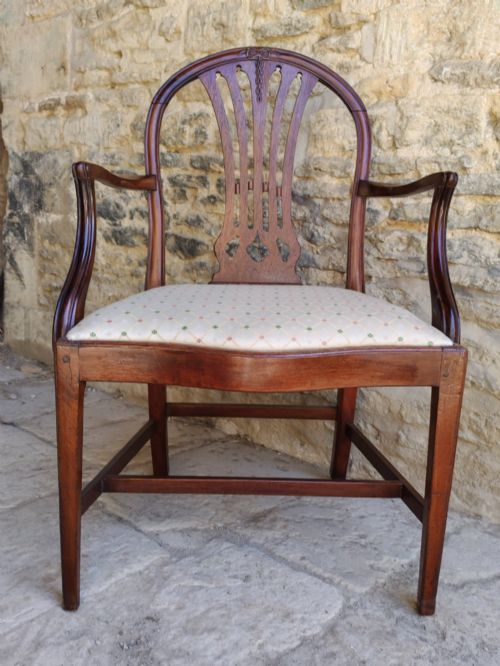
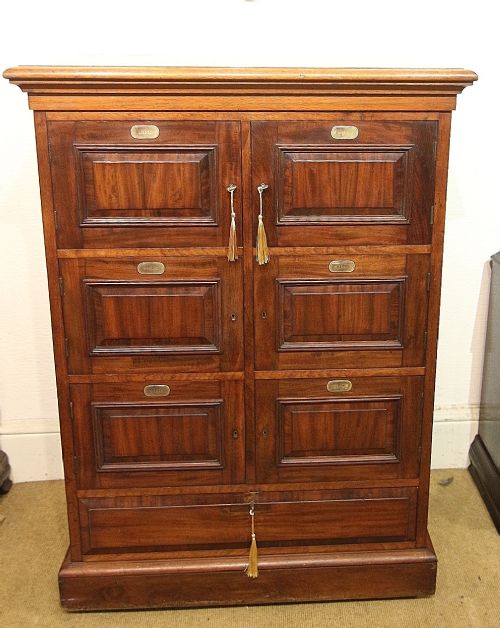
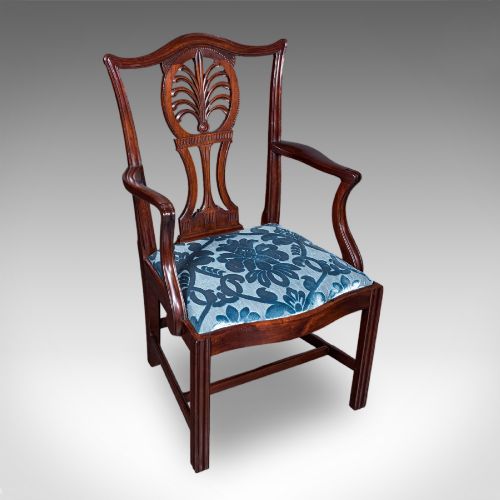
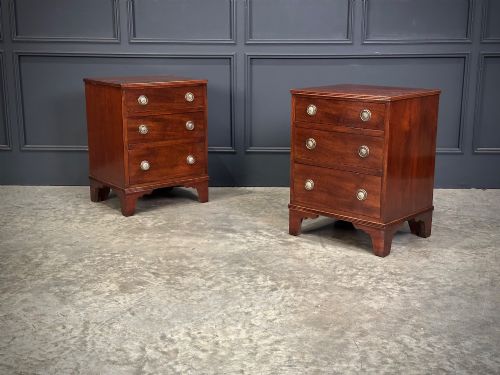
Georgian style mahogany furniture encompasses pieces made across the eighteenth century and subsequent revival periods, spanning everything from formal dining chairs to compact bedside chests of drawers. These items draw on the classical lines, bracket feet, and refined proportions first established during the Georgian era.
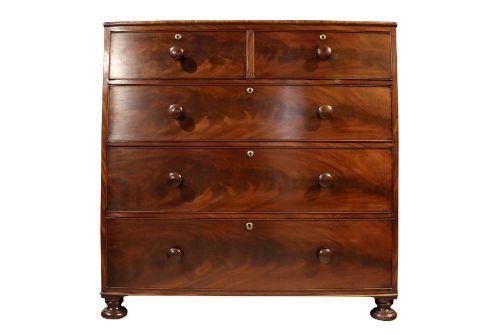
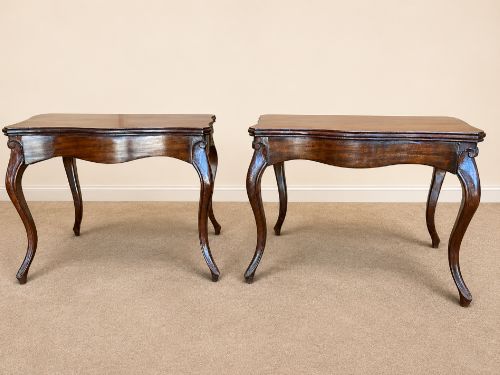
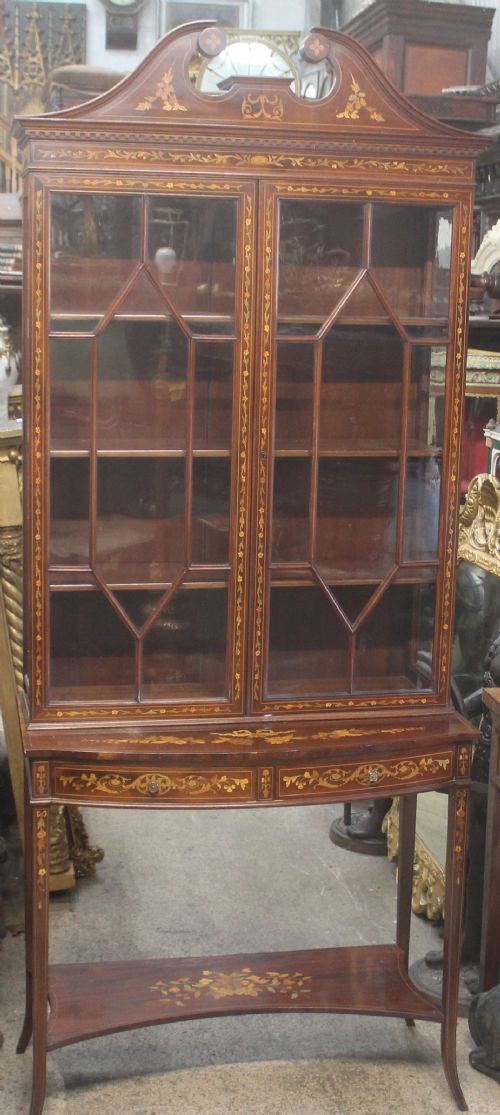
Visitors browsing this selection will encounter a mix of genuine period survivals alongside later Georgian Revival interpretations from the Victorian, Edwardian, and twentieth-century eras. Chests of drawers, side tables, and occasional tables dominate the forms, frequently incorporating brass handles or subtle satinwood inlay.
The aesthetic relies on structural clarity and symmetrical arrangements rather than heavy carving. Whether handling a tallboy with bracket feet or a compact lowboy, the emphasis remains on practical room utility married to traditional cabinet-making forms.
Materials and Construction Methods
Makers relied primarily on solid mahogany and rich mahogany veneers, often enhanced with contrasting boxwood or satinwood inlay to define drawer fronts and borders. Secondary timbers like oak appeared in drawer linings and internal framing to ensure structural stability.
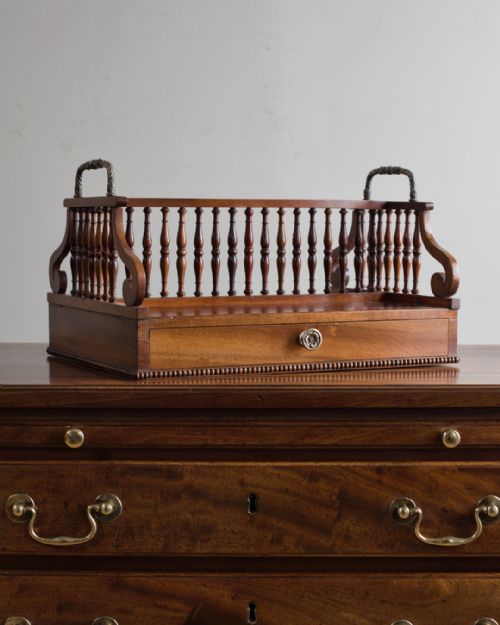
Metal fittings such as brass drop handles, escutcheons, and campaign mounts provided functional contrast against the dark timber. Selected pieces incorporate leather writing surfaces, cane panelling, or japanned finishes to achieve specific decorative effects.
Cabinet-makers employed traditional joinery techniques, constructing carcases with dovetailed drawer boxes and supported by bracket feet or slender pedestal bases. Surfaces were finished to highlight the natural grain and deep colour of the mahogany.
Georgian Style Mahogany Furniture Retail Price Guide 2026
Typical asking prices for georgian style mahogany furniture among the pieces listed under this phrase on Sellingantiques today, from the lower quarter to the upper quarter. They describe what is for sale here now, not the wider market.
Listings feature items spanning the 18th Century through the 1930s, encompassing Georgian, Regency, Victorian, and Edwardian periods.
Factors Governing Quality
Quality rests in the selection of the timber and the depth of figure in the mahogany veneer. Finer examples display carefully matched grain patterns across drawer fronts, while lesser pieces rely on plain, unfigured boards.
The precision of the cabinet work dictates the enduring merit of a piece. Clean dovetailing, well-fitted drawers that run smoothly, and crisp execution of bracket feet or inlaid borders separate superior workshops from mass-produced revivals.
William Freeman And Sons·Druce And Co·Whytock And Reid
The Georgian Style Mahogany Furniture Glossary
- Lowboy
- A small side table or dressing table featuring one or more rows of drawers supported on four legs. These low tables often served practical functions in bedrooms or parlours.
- Bracket foot
- A structural foot shape resembling a bracket, often curved or ogee-moulded, used to elevate chests of drawers and cabinets off the floor.
- Tallboy
- A tall chest of drawers made in two sections, stacking a smaller chest on top of a larger base. This vertical form maximises storage space while maintaining a compact footprint.
- Escutcheon
- A protective brass plate surrounding a keyhole on a drawer or door. These plates prevent the timber from wearing around the lock.
- Japanned
- A European imitation of East Asian lacquerwork, created by applying resin-based finishes to wood. This decorative technique added glossy coloured surfaces and gilt motifs to furniture.
Georgian Style Mahogany Furniture: Frequently Asked Questions
How do I date mahogany furniture?
Dating relies on examining construction methods, timber choices, and secondary woods like oak used inside the piece. Tool marks, hardware styles, and joinery details help distinguish eighteenth-century originals from later revival copies.
Changes in proportion and decorative motifs across the Victorian and Edwardian periods also provide clear clues to a piece's age.
Where were these pieces used?
Georgian style mahogany furniture served functional roles across domestic interiors, from bedrooms and libraries to formal dining rooms. Chests of drawers provided essential storage in private chambers, while side tables and consoles furnished reception spaces.
Smaller items like occasional tables and stands were easily moved to suit the daily routines of the household.
How do I care for mahogany?
Maintain mahogany surfaces by dusting regularly with a soft, dry cloth and avoiding direct sunlight that can fade the timber. Keep pieces away from rapid temperature shifts and central heating sources to prevent the wood from splitting.
Occasional application of appropriate wax polish helps nourish the grain and preserve the finish.
What is the difference between original and revival pieces?
Original period items were constructed during the eighteenth or early nineteenth centuries to meet contemporary domestic demands. Revival pieces were manufactured later, during the Victorian, Edwardian, or twentieth-century eras, using historical styles as inspiration.
Both categories utilise traditional cabinet-making skills, but carry different historical contexts.