




Georgian Style Jug
A georgian style jug is a domestic pouring vessel shaped by classic eighteenth-century lines, offering timeless utility and display.
Georgian Style Jug
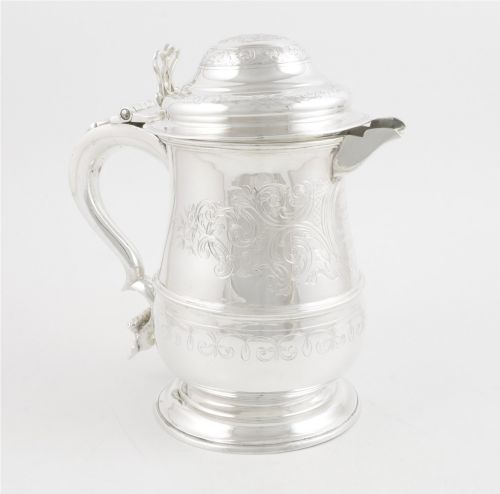
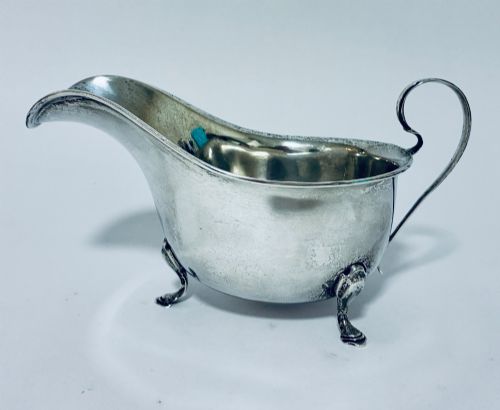
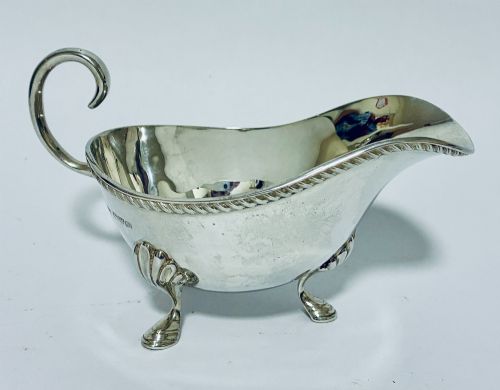
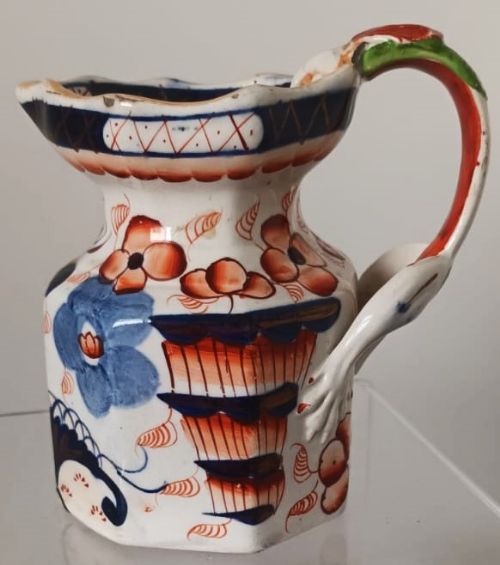
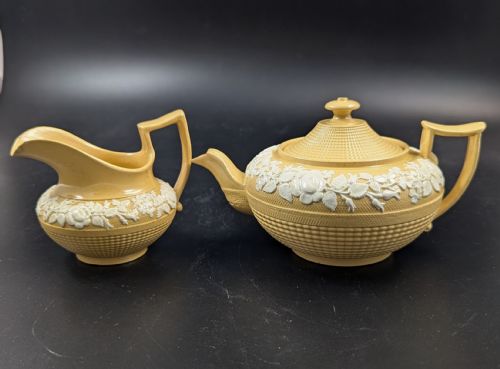
A georgian style jug brings classical proportion and balance to table service, drawing on eighteenth-century design principles whether made during the original era or in later revival periods. The selections span practical cream jugs, milk jugs, and sauce boats alongside decorative ceramic pitchers.
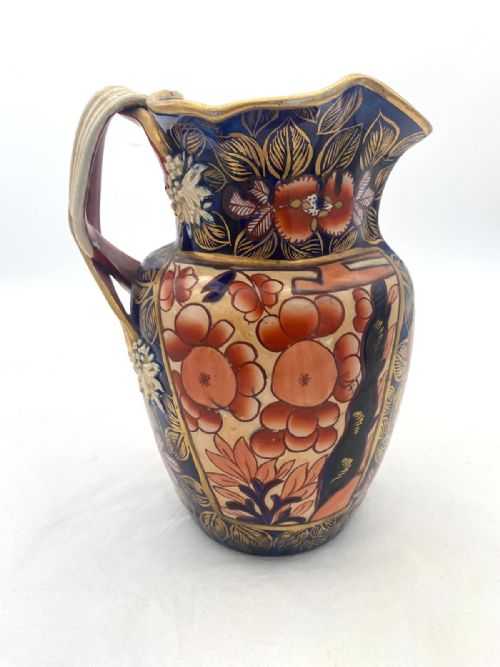
The objects present diverse forms, from earthenware vessels featuring cabbage leaf moulding to sterling silver sauce boats and ironstone display pieces. Most examples emerge from nineteenth-century revivals or twentieth-century interpretations echoing earlier Regency and Georgian aesthetics.
How They Were Made
Pottery and ironstone items utilise earthenware bodies finished with glaze, enamel, or basalt moulding, often incorporating hand-painted motifs such as the Gaudy Welsh patterns. Porcelain versions employ refined ceramic pastes decorated with landscape views.
Silver vessels utilise sterling silver or silver plate, shaped into sauce boats and cream jugs through hammering and casting. Makers apply techniques like baluster moulding and gold leaf accents to achieve distinct formal elegance.
Georgian Style Jug Retail Price Guide 2026
Typical asking prices for georgian style jug among the pieces listed under this phrase on Sellingantiques today, from the lower quarter to the upper quarter. They describe what is for sale here now, not the wider market.
Object forms span cream jugs, milk jugs, sauce boats, wine ewers, and decorative Toby jugs.
What Varies in Quality
The standard of a georgian style jug depends upon the crispness of its moulding and the precision of its decorative execution, whether hand-painted ceramic patterns or chased silver details. Superior examples display balanced weight, secure handle attachments, and harmonious proportions.
Material choice and maker reputation further divide the range, with hallmarked sterling silver and named ceramic potteries commanding distinct attention. The finesse of surface finish, from enamel brilliance to glaze smoothness, dictates the piece's overall presence.
Mason's Ironstone·George Unite·Robert Pringle And Sons·Wedgwood·Walker And Hall·William Hunter
The Georgian Style Jug Glossary
- Sauce boat
- An open vessel with a lip and handle designed for serving gravies or sauces at the table. These often mirror the curved profiles of larger tea pitchers.
- Ironstone
- A heavy, durable type of earthenware patented in the nineteenth century to imitate Chinese porcelain. It provides a sturdy surface for rich enamel decoration.
- Pearlware
- A refined fine earthenware developed in the late eighteenth century featuring a subtle bluish glaze that pooled in recesses. It bridges the gap between creamware and true porcelain.
- Baluster
- An architectural shape featuring a swelling lower portion tapering toward the top, commonly seen on wine ewers and cream jugs. This profile creates a stable base and graceful pouring lip.
- Basalt
- A dense, fine-grained black stoneware popularised in the Georgian period for its matte finish and classical sculptural potential.
Georgian Style Jug: Frequently Asked Questions
How do I use a silver sauce boat?
A silver sauce boat serves table sauces, gravies, and drawn butter during formal dining occasions. The built-in lip allows smooth pouring directly onto the plate.
The handle stays cool to the touch while the deep body retains heat for warm accompaniments. Polishing keeps the silver bright for display between meals.
What is the difference between ironstone and pearlware?
Ironstone is a dense, highly durable ceramic body created to withstand heavy daily use while mimicking porcelain. It accepts bright enamel colours and transfers readily.
Pearlware is an earlier refined earthenware characterised by its pale bluish glaze pooling in crevices. It typically dates from the late eighteenth to early nineteenth century.
How do I care for antique ceramic jugs?
Wash ceramic and ironstone pieces gently by hand using mild detergent and warm water. Avoid abrasive sponges that might damage historical glazes or hand-painted enamel details.
Keep pottery away from sudden temperature shifts to protect the ceramic body from cracking. Air drying on a soft towel preserves the fragile rims.
Can I date a silver jug by its hallmarks?
Assay office marks, date letters, and maker stamps stamped into the silver provide precise dating information. British silver carries distinct symbols indicating the town, year, and monarch's head.
Comparing these punches against historical registry records reveals the exact workshop origin. Unmarked silver plate relies on stylistic clues and manufacturing methods for dating.