
Georgian Style Bedside Drawers
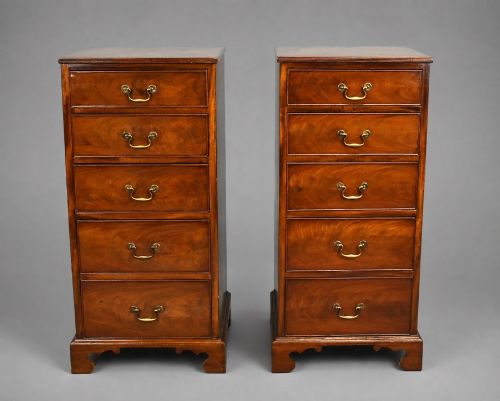
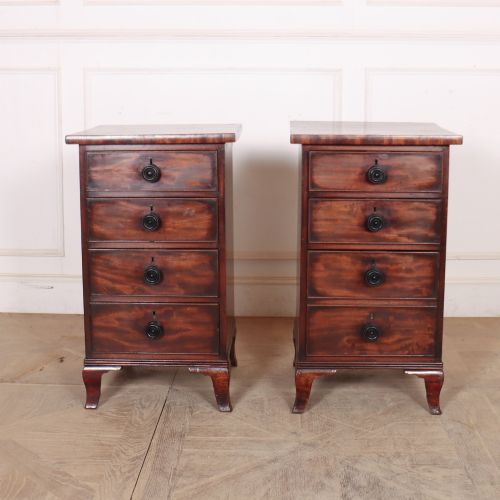
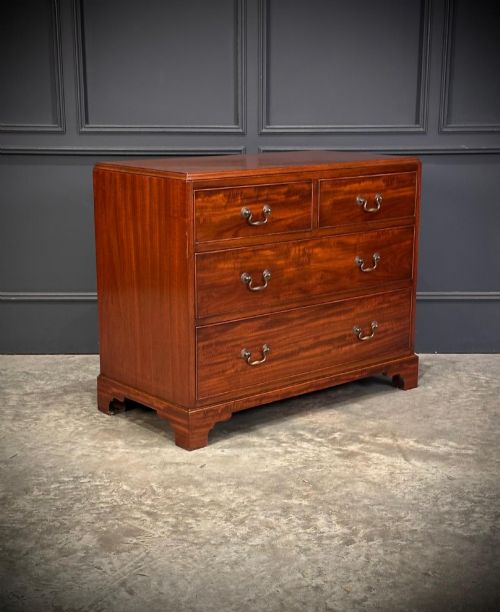
Georgian style bedside drawers bring compact proportion and classic revival character to a room.
Georgian Style Bedside Drawers
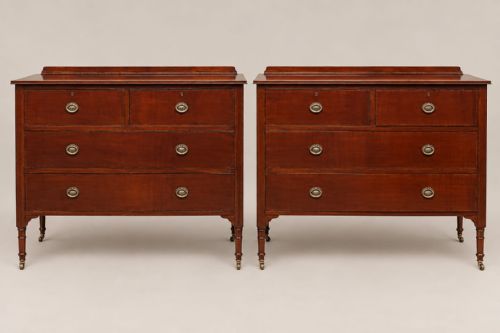
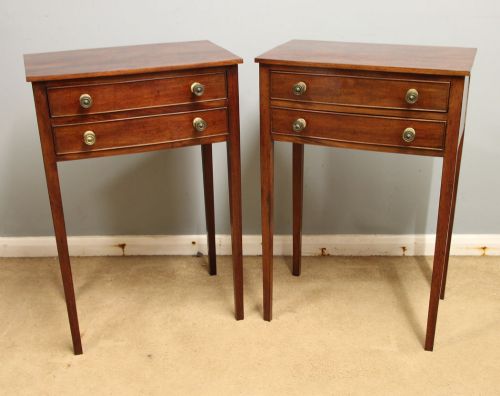
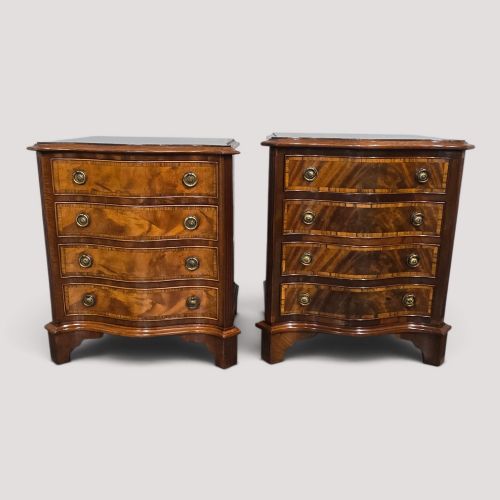
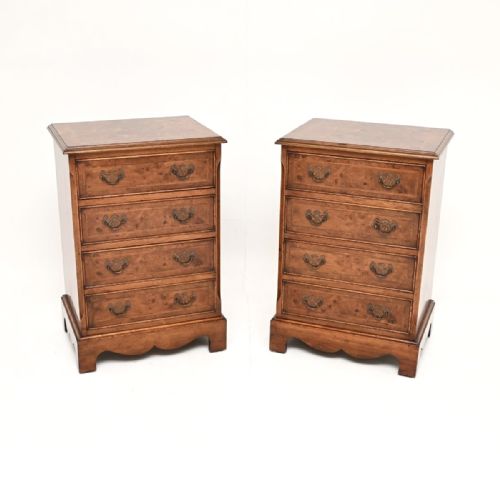
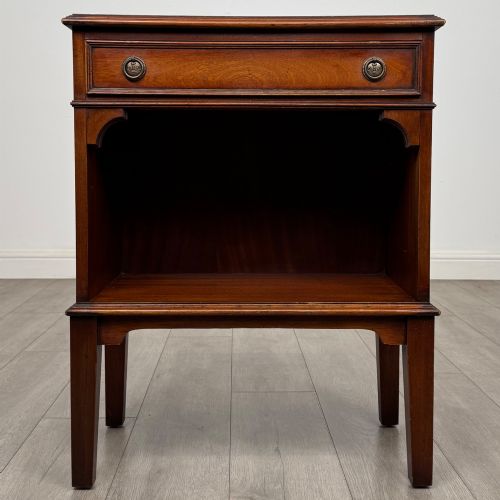
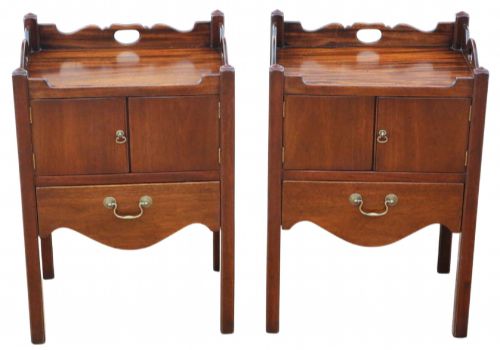
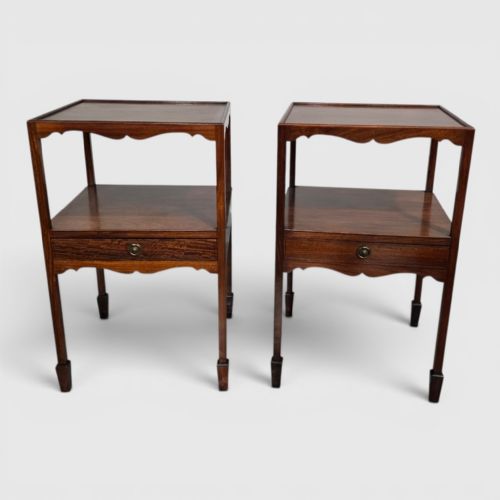
Most examples adopt revival idioms such as Georgian Revival, Regency Style, and Queen Anne Revival. Makers of these periods reinterpreted eighteenth-century proportions into scaled-down furniture suitable for smaller modern bedrooms. These items frequently appear as matching pairs, though single tables and cabinets also present themselves across the listings.
How they were made
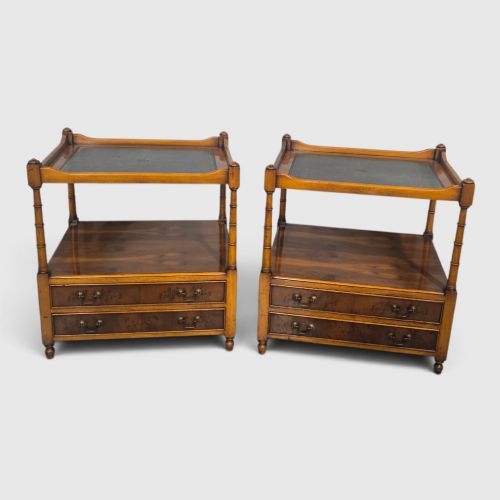
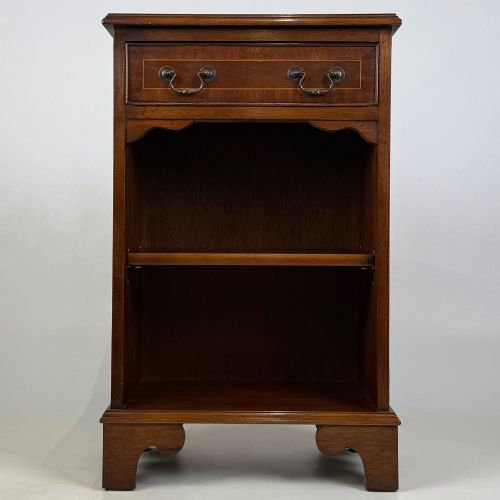
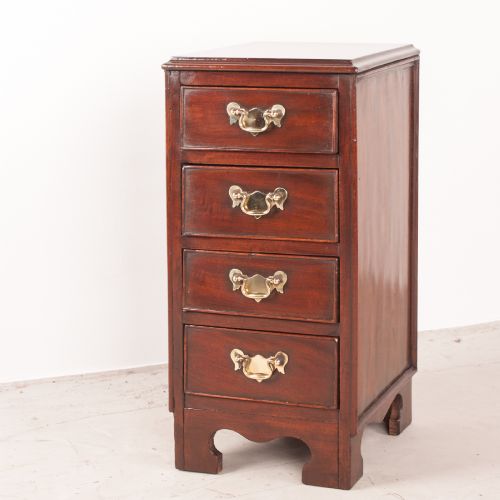
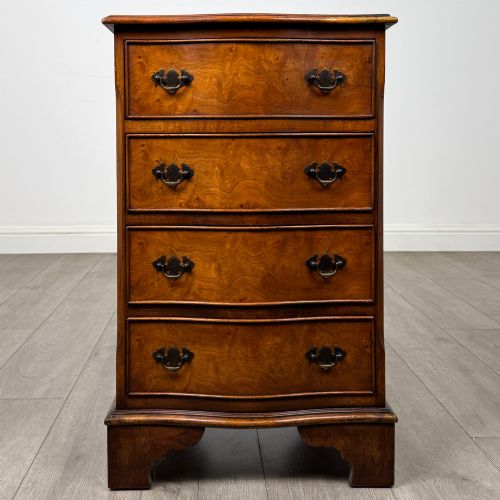
Cabinetmakers constructed these pieces using dense hardwoods such as mahogany and walnut, frequently selecting burr walnut veneers or yew for decorative surfaces. Secondary timbers provided internal stability for drawer carcases and backboards. Brass handles, escutcheons, and occasional leather inserts added functional contrast to the polished timber frames.
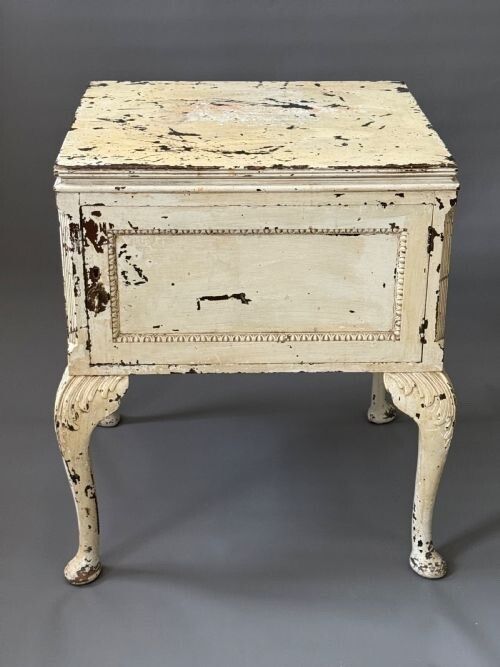
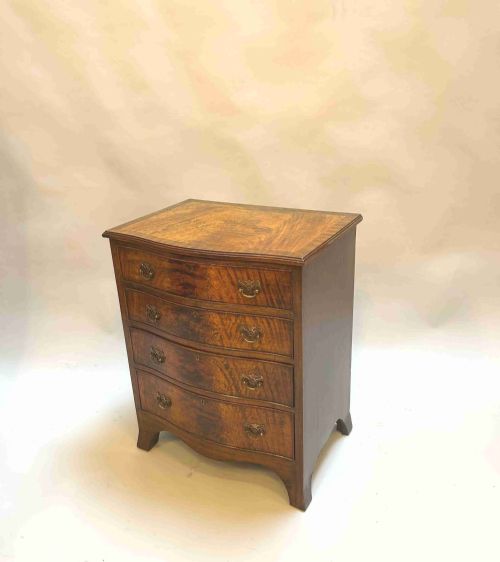
Joinery methods relied on traditional drawer construction and frame assembly, accommodating serpentine fronts, brushing slides, and inlaid banding. Painted wood finishes also appear, providing a contrasting decorative alternative to clear-polished grain. Craftspeople shaped the wood to achieve curved serpentine profiles and neat, narrow proportions.
Some miniature chests come equipped with hidden brushing slides, ready for dusting off your night before sleeping.
What varies in quality
Quality in these revival pieces rests upon timber selection and the precision of the cabinetwork. High-end examples utilise figured burr walnut or rich mahogany with carefully matched veneers, whereas simpler pieces employ plainer timber stocks. The crispness of the serpentine shaping and the neatness of inlaid details distinguish superior workshop output from standard commercial production.
Structural integrity also separates the grades, visible in the smooth running of drawers and the stability of joints under daily use. Matching pairs demonstrate higher initial investment than single items, particularly when timber graining and proportion align identically across both pieces.
Edwards and Roberts
The Georgian Style Bedside Drawers Glossary
- Serpentine
- A front profile curving outward in the centre and inward at the sides. This contour requires skilled woodworking to shape cleanly.
- Brushing slide
- A pull-out shelf positioned above the top drawer. Historically used for dusting clothes or writing notes.
- Burr walnut
- Timber taken from a tree growth showing complex, swirling grain patterns. It is sliced into decorative veneers for cabinet fronts.
- Edwardian
- The period spanning from nineteen hundred to nineteen ten. Furniture from this era often reinterprets earlier Georgian and Sheraton designs.
- Lamp table
- A small occasional table designed to hold a light source. These often double as compact bedside surfaces in revival forms.
Georgian Style Bedside Drawers: Frequently Asked Questions
What periods do these drawers come from?
The pieces span the nineteenth and twentieth centuries, with a heavy concentration of revival items from the Edwardian era through to nineteen thirty. Earlier nineteenth-century examples also emerge within the selection.
Craftsmen during these later decades drew heavily upon eighteenth-century aesthetic principles to create smaller scale furniture for contemporary bedrooms.
Are pairs common for bedside use?
Matching pairs appear frequently alongside single cabinets and lamp chests. Sourcing identical items allows for balanced placement on either side of a bed.
Pairs often command greater attention from buyers seeking symmetry in bedroom furnishing schemes.
What woods were typically used?
Mahogany and walnut dominate the material palette, accompanied by burr walnut, yew, satinwood, and painted finishes. Brass hardware and leather inserts frequently complement the primary timbers.
Different woods dictate the visual weight of the piece, with dark mahogany offering strong contrast and burr walnut providing decorative grain movement.
How do I identify Georgian revival style?
Revival pieces borrow classical proportions, bracket feet, and serpentine drawer fronts from eighteenth-century design vocabulary. They are generally scaled down to fit twentieth-century bedroom spaces.
Examining the interior construction and timber age helps distinguish these later interpretations from genuine eighteenth-century originals.