




Georgian Style Bed
A georgian style bed brings classical proportions and timber warmth into a bedroom through enduring eighteenth-century design principles.
Georgian Style Bed
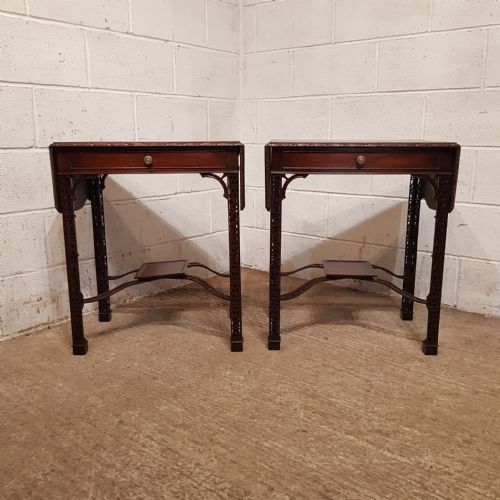
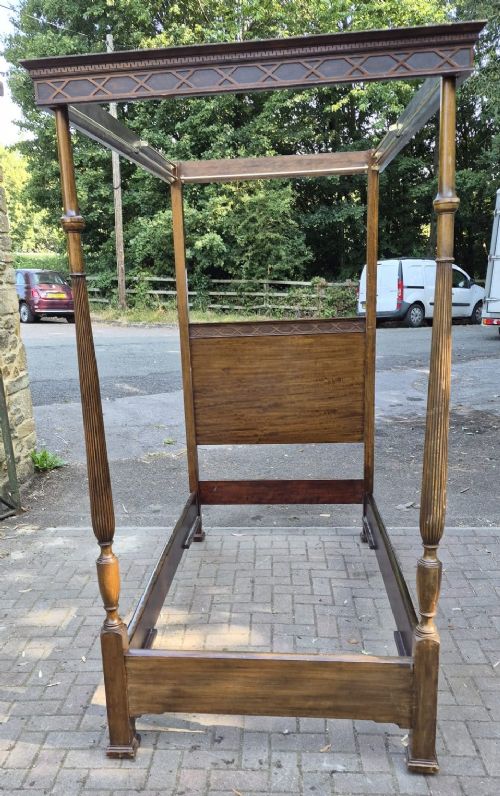
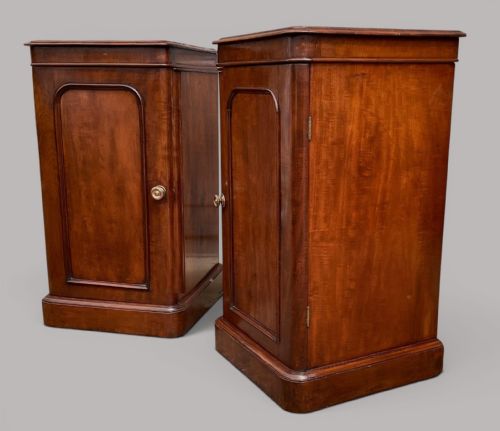
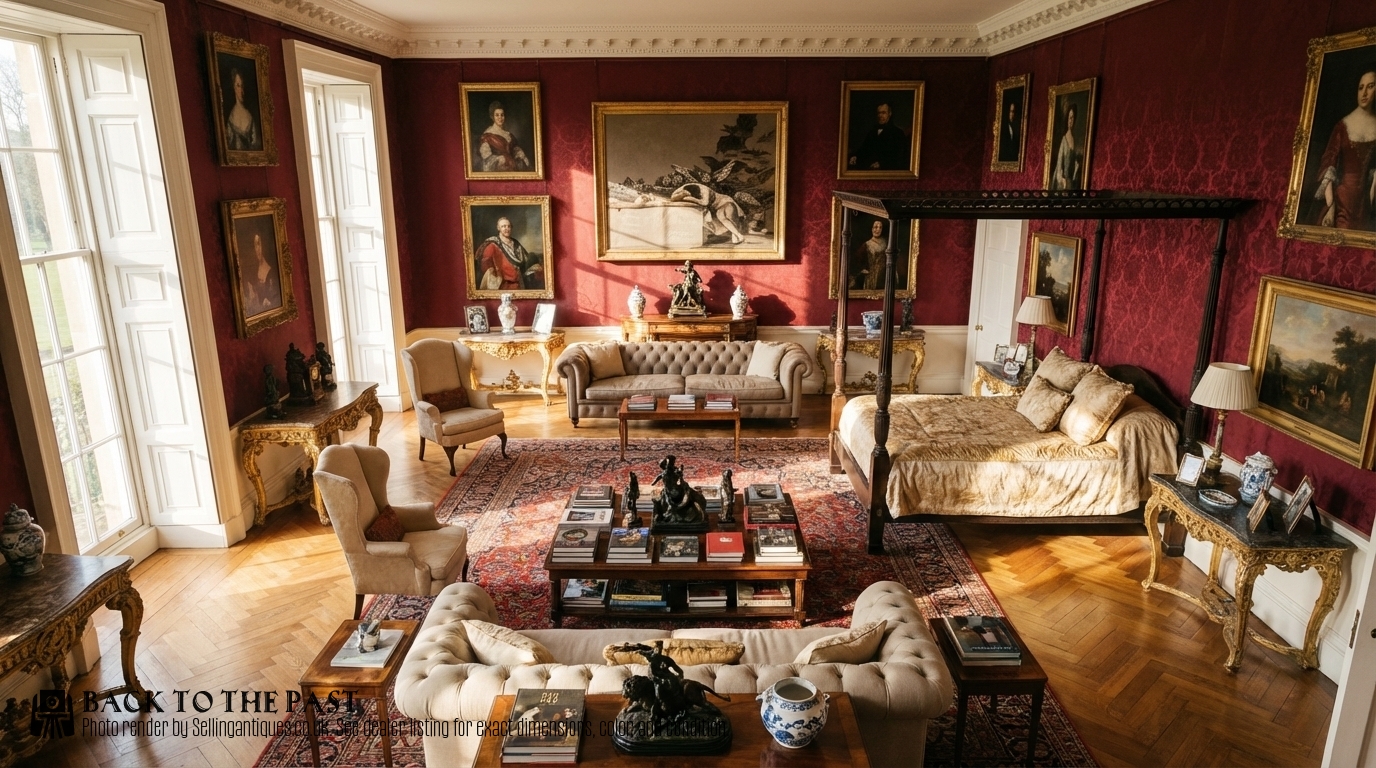
The four poster bedstead stands as the definitive large form within this grouping, often scaled for modern mattresses while retaining classical column supports and tester frames. Bedside chests and lamp tables frequently accompany these larger frames in walnut and mahogany.
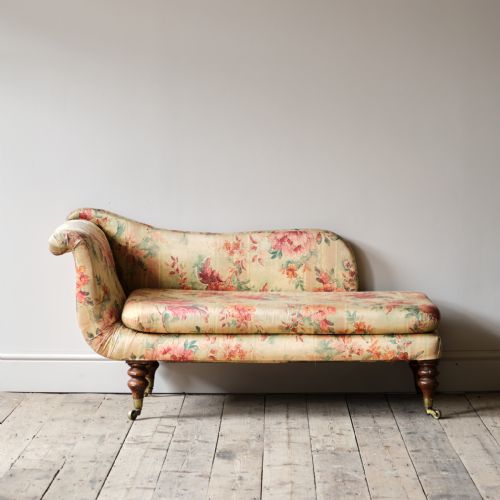
Revival pieces from the Edwardian period sit alongside genuine eighteenth and nineteenth-century examples. Buyers encounter everything from grand Sheraton-inspired tester beds to compact inlaid bedside cupboards.
Materials and Construction
Mahogany and walnut dominate the construction of these pieces, selected for grain depth and structural stability. Secondary woods such as pine appear in concealed framing and internal drawer carcases.
Joinery relies on traditional techniques including dovetailing for drawers and robust tenon joints for bedposts and frames. Brass hardware, from castor sockets to handles, provides functional contrast to the dark timbers.
Surface finishes range from polished french polish to painted treatments and gilded highlights on seating and bedframes. Inlay work incorporates lighter timbers to create geometric stringing on cabinet doors.
Listings feature mahogany, walnut, and pine across furniture forms ranging from tester beds to bedside chests.
Proportions and Timber Selection
Quality rests upon the selection of timber figures, where richly grained burr walnut or dense mahogany elevates a piece above plain stock. Timber matching across visible drawer fronts and table tops indicates deliberate workshop planning.
Proportion dictates the architectural success of a bedstead, particularly in revival pieces where column heights and tester cornices must balance correctly. Crispness in carved details such as claw and ball feet distinguishes superior cabinet work from mechanical reproduction.
Structural integrity depends on the original soundness of frame joints and the retention of authentic brass and timber components without intrusive modern alterations.
Holland and Sons·Gillows·Howard and Sons
The Georgian Style Bed Glossary
- Four poster
- A bed featuring four vertical columns that support an upper canopy framework known as a tester.
- Tester
- The wooden canopy or ceiling structure positioned above a four poster bedstead.
- Commode
- A low cabinet or chest, frequently fitted with doors or drawers, used historically beside a bed.
- Coffer
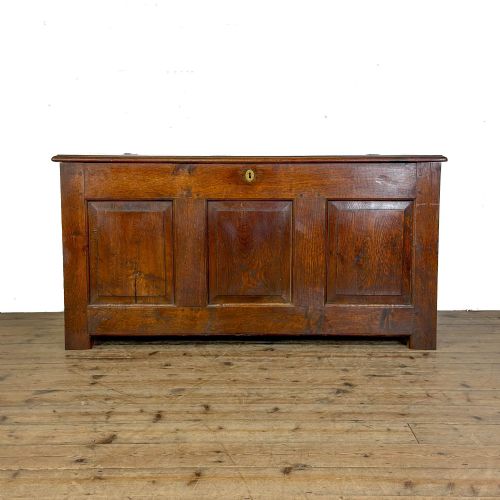
- A large wooden chest with a hinged lid used for storage, often constructed in oak during earlier periods.
- Stringing
- Thin lines of contrasting timber inlaid into the surface of a cabinet for decorative effect.
Georgian Style Bed: Frequently Asked Questions
Will a four poster bed fit standard ceiling heights?
Most historic and revival four poster frames require generous ceiling clearance to accommodate the upper tester and cornice properly. Measuring the exact vertical span of the room prevents installation difficulties.
Ceiling heights in older properties often suit these grand proportions, whereas modern rooms may necessitate careful verification of post dimensions before purchase.
How do I match bedside tables to a bedstead?
Pairing bedside cabinets with a larger bed frame involves balancing timber tones and stylistic periods rather than demanding an exact match. Walnut and mahogany pieces from overlapping revival eras complement each other naturally.
Scale remains paramount when positioning cabinets beside substantial headboards or posts to maintain visual equilibrium in the bedroom layout.
Are these beds built for modern mattresses?
Many antique and revival bedsteads accommodate contemporary mattress sizes through internal frame adjustments or custom base supports. Professional adaptation ensures modern comfort without compromising the exterior timber structure.
Checking internal rail dimensions clarifies whether standard slats or specialised bases are required for support.
How do I care for antique mahogany and walnut?
Polished timber surfaces require regular dusting with a soft, dry cloth and protection from direct sunlight and extreme humidity fluctuations. Avoiding silicone sprays preserves the integrity of traditional wax and polish finishes.
Occasional application of quality beeswax maintains the moisture balance and sheen of the wood over years of daily use.