

Georgian Storage Cabinet
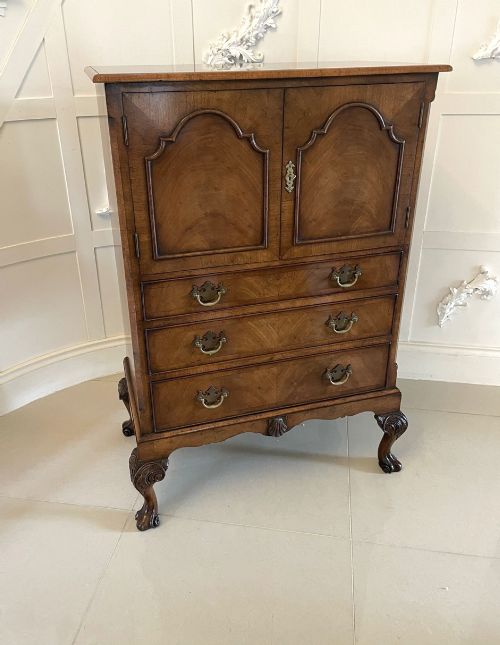
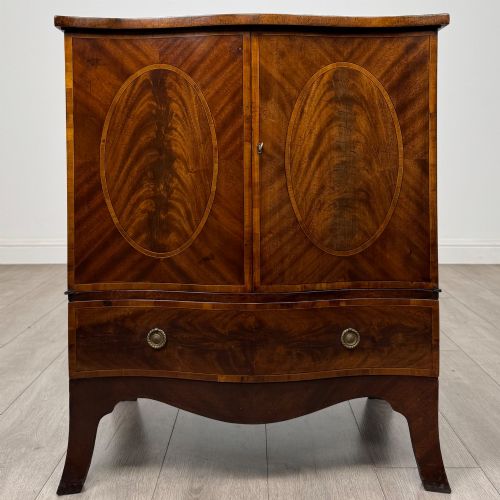
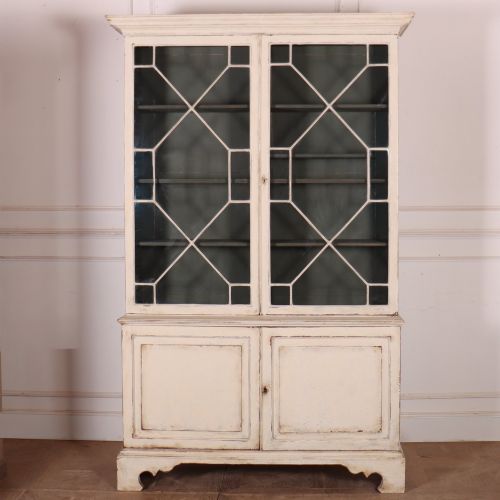
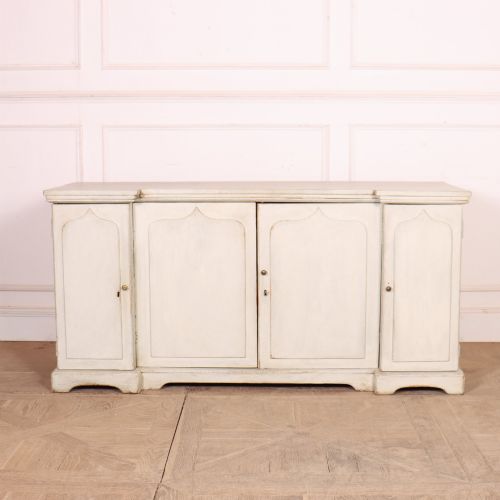
A georgian storage cabinet brings solid timber architecture into a room, offering functional drawers and cupboards shaped by eighteenth and nineteenth century joinery.
Georgian Storage Cabinet
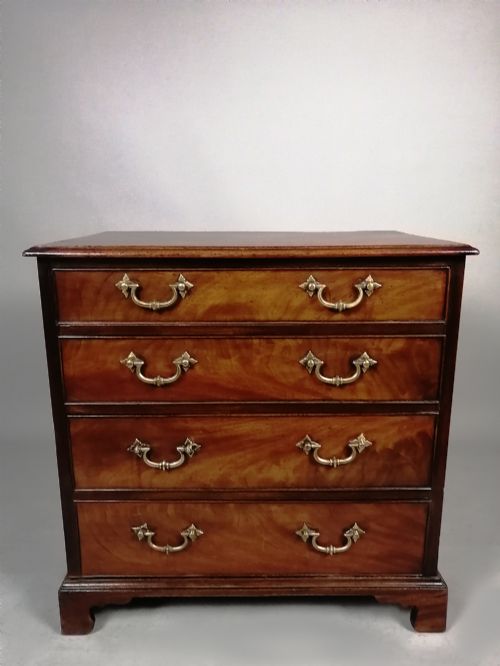
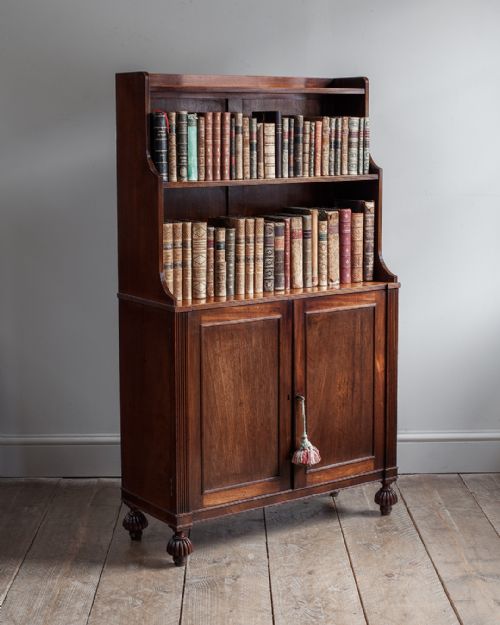
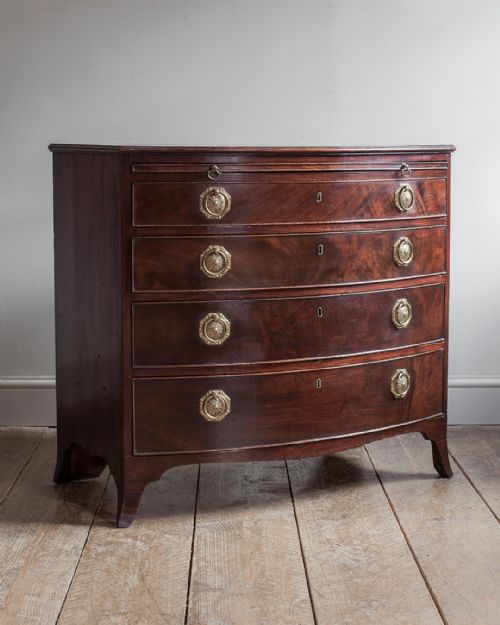
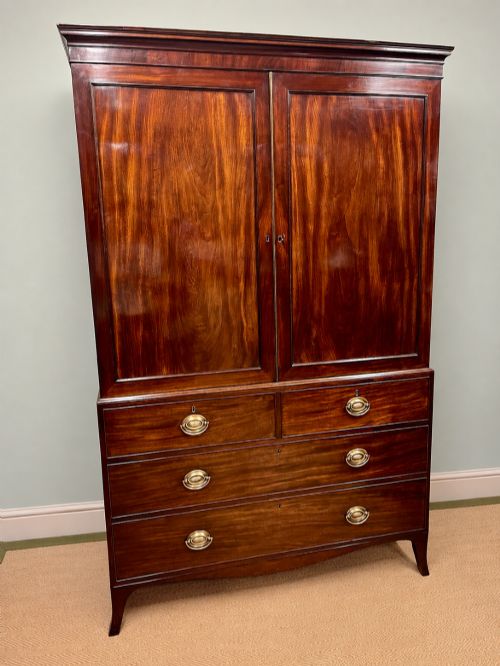
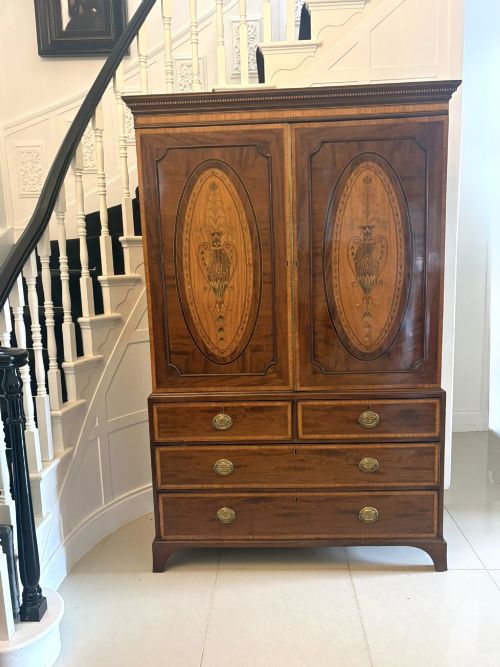
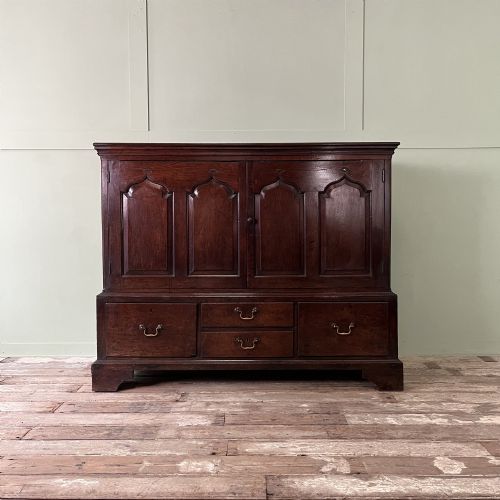
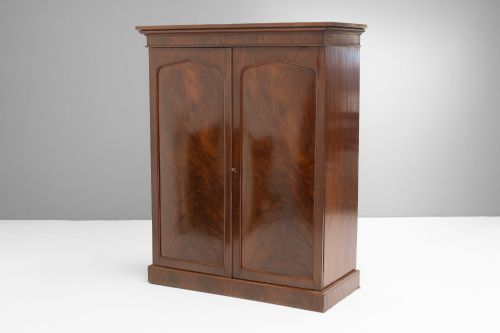
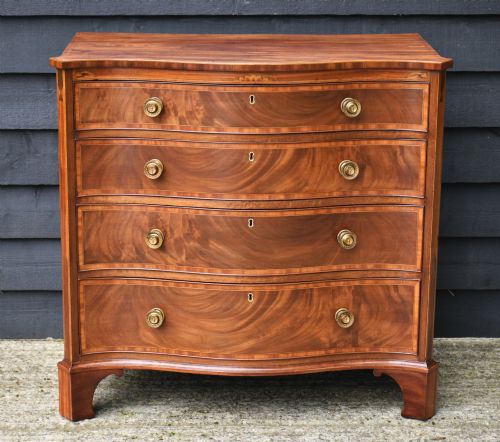
A georgian storage cabinet encompasses diverse domestic timber forms, most frequently appearing as chests of drawers, linen presses, cupboards, and corner cabinets across this selection. Buyers find pieces spanning the eighteenth and nineteenth centuries, including subsequent revival periods that emulate those foundational forms.
Mahogany and oak dominate the available selection, often taking the shape of bowfront chests, tall linen presses, or panelled cupboards. These utilitarian yet refined items served dining rooms, bedrooms, and halls, designed to hold linen, clothing, and household stores.
The material palette extends to walnut, pine, satinwood, and elm, appearing in vernacular country pieces as well as formal urban furniture. Makers utilised brass hardware to accent timber surfaces across chests on stand, side cabinets, and bookcase hybrids.
Distinctions in construction and finish
Quality rests upon the selection of timber figures, such as burr walnut or flame mahogany, paired with precise dovetailing and well-fitted internal components. Superior examples maintain original brass handles, crisp moulding profiles, and sound structural integrity through the centuries.
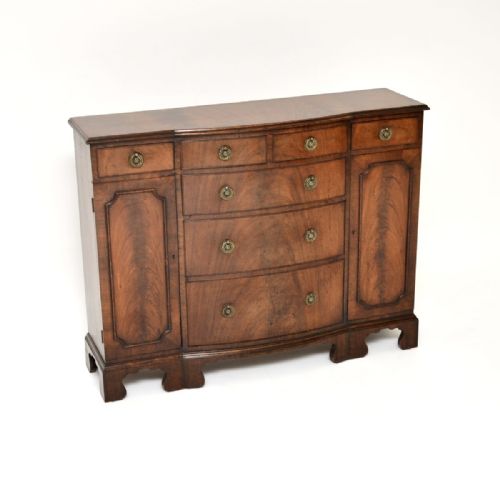
Simpler vernacular items in oak or pine rely on robust functional construction rather than decorative veneers, demonstrating local joinery traditions. The integration of satinwood inlay, serpentine drawer fronts, and glazed doors marks the upper tier of cabinet making.
The Georgian Storage Cabinet Glossary
- Linen Press
- A tall storage piece comprising upper cupboard doors enclosing sliding trays, sitting above a base of multiple drawers. Originally built to store household linen flat.
- Chest on Chest
- A tall storage unit formed by stacking one cabinet directly atop a larger one, creating substantial vertical drawer capacity. Often constructed in mahogany or walnut during the eighteenth century.
- Corner Cupboard
- A specialised storage cabinet designed to fit neatly into a room angle, featuring single or double doors. These units utilise otherwise empty domestic space.
- Chiffonier
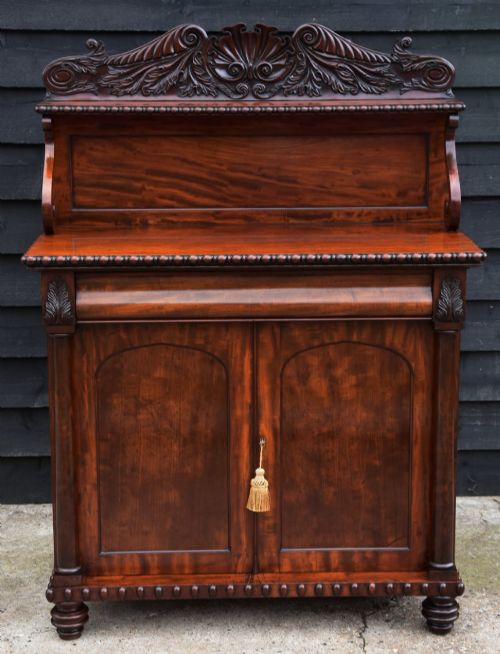
- A low sideboard or cabinet developed during the Regency period, frequently fitted with enclosed shelving and a raised superstructure. It combined display functions with practical storage.
- Dovetail
- A traditional interlocking joint used at the corners of drawers, prized for tensile strength and durability. Fine, tight pins indicate skilled hand joinery.
Georgian Storage Cabinet: Frequently Asked Questions
What is a linen press used for?
A linen press traditionally stored household textiles flat on internal sliding trays, keeping fabrics tidy and protected from dust in bedrooms and dressing rooms.
Today, buyers repurpose these deep cupboards as wardrobes or general storage units within contemporary living spaces.
How do I identify a Georgian chest of drawers?
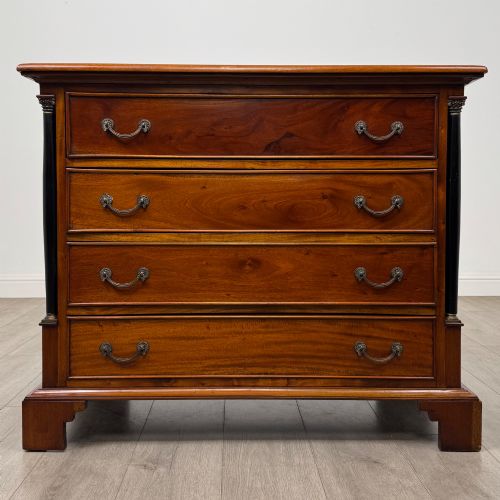
Georgian chests typically feature hand-cut dovetails on drawer construction, solid mahogany or oak timbers, and classical proportions without machine precision.
Drawer configurations usually comprise two small drawers over three graduated long drawers, resting on bracket feet or a plinth base.
What is the difference between a chiffonier and a sideboard?
A chiffonier is generally smaller and includes an enclosed lower cupboard section, often featuring a shelf or back gallery on the upper surface for display.
Sideboards are longer dining room pieces designed primarily for serving food and storing cutlery within pedestal cupboards or cellarettes.
Where should I place a corner cabinet?
Corner cabinets suit empty room angles, utilising wasted vertical space while introducing period timber warmth to dead zones.
They function effectively in dining rooms for glassware storage or in hallways to house everyday items out of sight.
Are 20th-century revival cabinets considered genuine antiques?
Revival pieces dating from the Edwardian era or the 1920s replicate earlier Georgian styles using traditional timber construction methods.
While they lack eighteenth-century provenance, these cabinets offer period aesthetics and solid cabinet making at accessible standards.