





Georgian Sterling Silver Case
A georgian sterling silver case protects and houses precious personal items, combining utility with fine silversmithing for everyday carriage or display.
Georgian Sterling Silver Case
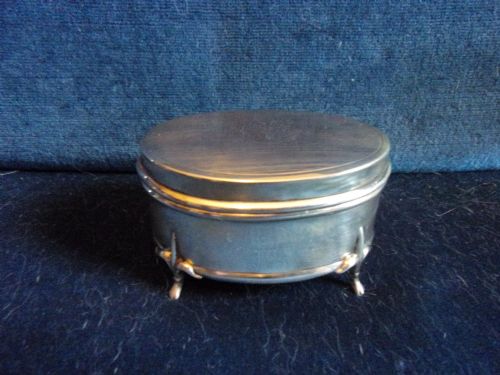
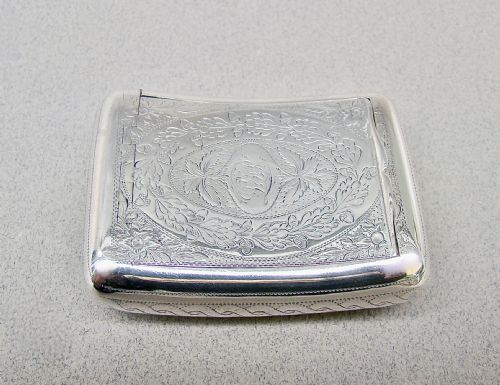
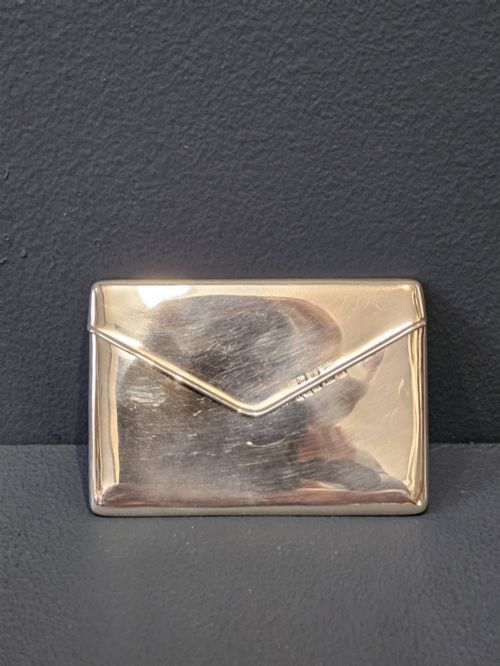
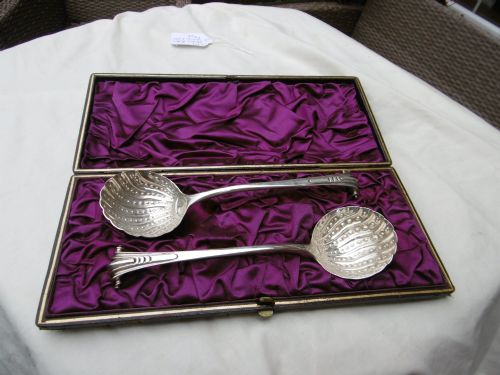
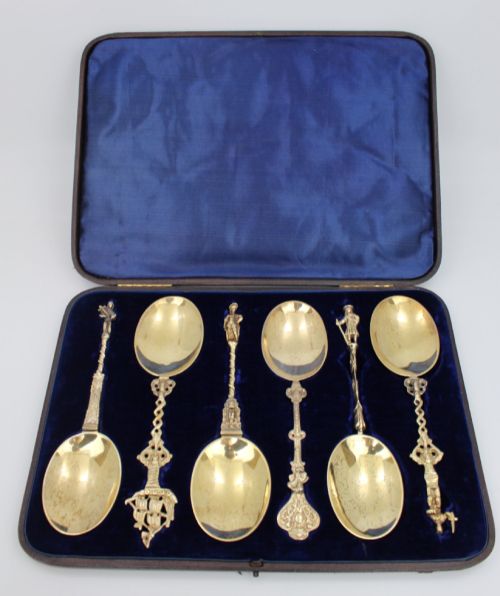
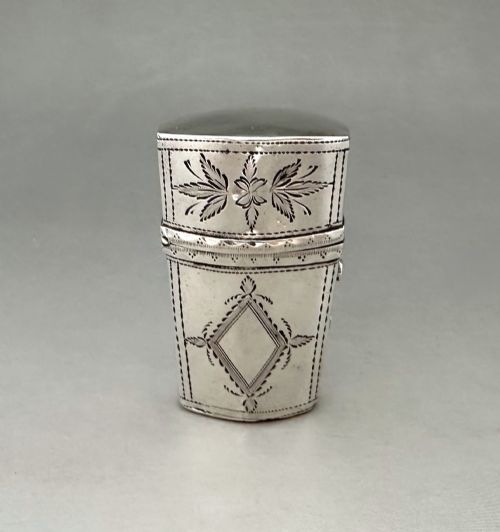
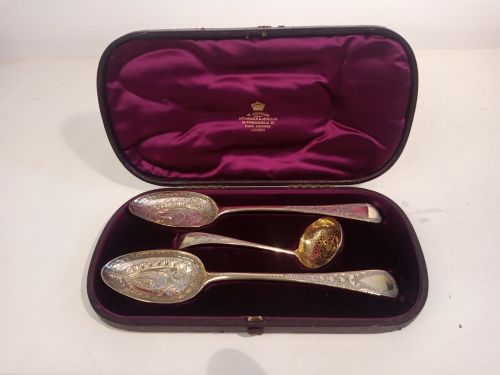
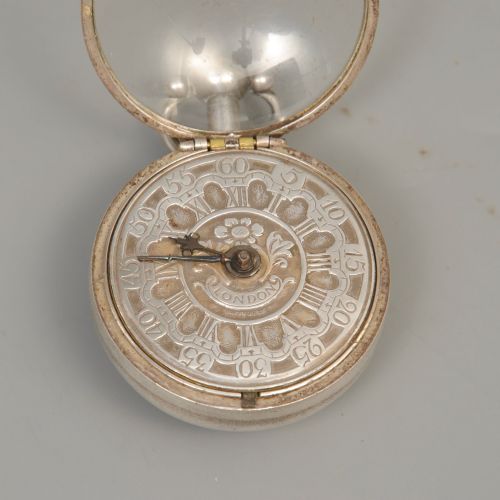
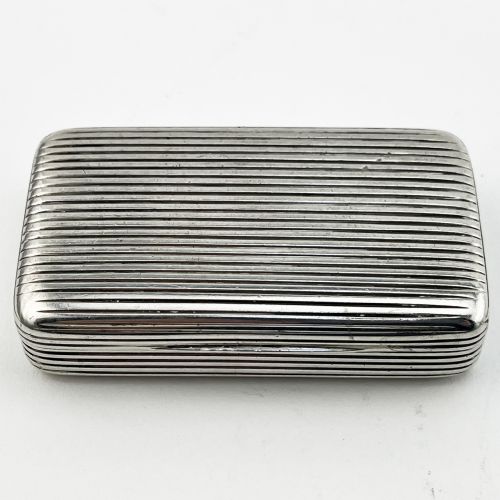
A georgian sterling silver case encompasses protective housings and fitted presentation sets originating from the eighteenth and early nineteenth centuries. These pieces appear as snuff boxes, pocket watch pairs, scent bottles, and fitted velvet or leather presentation boxes containing berry spoons and flatware.
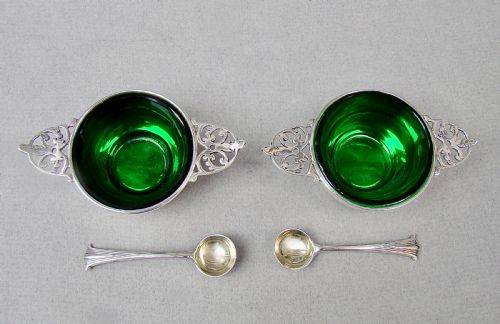
Buyers most frequently encounter cased sets of serving spoons, salt cellars, and personal accessories bearing the hallmarks of Georgian silversmiths alongside later Victorian and George V adaptations. The survival of the original fitted case alongside the sterling silver object elevates the historical completeness of the piece.
Materials and Technique
Silversmiths constructed these housings using sterling silver sheets shaped by hand, employing techniques such as engine turning to create geometric patterns on the metal surface. Interior compartments utilise fitted wooden carcases lined with silk, velvet, or leatherette to cushion the silver contents securely.
Makers integrated structural elements of steel, glass, and mother-of-pearl within specific desk accessories and cutlery sets. Outer protective shells occasionally feature shagreen or red Moroccan leather to guard the precious metal and internal contents against daily wear.
Georgian Sterling Silver Case Retail Price Guide 2026
Typical asking prices for georgian sterling silver case among the pieces listed under this phrase on Sellingantiques today, from the lower quarter to the upper quarter. They describe what is for sale here now, not the wider market.
Listings feature items spanning the eighteenth, nineteenth, and twentieth centuries, incorporating Georgian, Victorian, and George V periods.
Craftsmanship and Survival
Quality rests upon the crispness of the exterior chasing and the precision of the engine-turned decoration executed by the silversmith. Superior examples retain their original fitted velvet or leather cases with functioning hinges and intact interior linings.
The clarity of the hallmarks stamped into the sterling silver determines the precise maker and date of origin. Pieces demonstrating unrubbed maker marks and untouched original internal components command greater interest among collectors.
Josiah Williams And Co·Nathaniel Mills·John Locker·Taylor And Perry·Edward Edwards·Matthew Linwood·Viners Sheffield
The Georgian Sterling Silver Case Glossary
- Sterling silver
- An alloy consisting of 92.5 percent silver and 7.5 percent other metals, predominantly copper, used for durability in tableware and cases.
- Engine turned
- A decorative mechanical technique that engraves intricate geometric patterns into the surface of the silver case.
- Vinaigrette
- A small ornamental container with an internal perforated grille designed to hold a sponge soaked in aromatic vinegar.
- Shagreen
- A type of untanned leather with a rough, granulated surface, historically prepared from shark or ray skin and utilised for outer protective covers.
- Hallmark
- A series of official marks stamped on precious metals in the United Kingdom to certify standard of purity and year of assay.
Georgian Sterling Silver Case: Frequently Asked Questions
What items were kept inside these silver cases?
These protective housings typically stored personal valuables including pocket watches, spectacles, sealing wax, and medical instruments such as fleams for bloodletting. Others were manufactured specifically to preserve ceremonial cutlery, berry spoons, and delicate scent bottles.
Internal compartments lined with velvet or silk secured these delicate objects during travel. The fitted nature of each container ensured that fragile glass, steel, and silver items remained immobile and undamaged.
How do I identify a genuine Georgian piece?
Authentic items bear British hallmarks indicating the assay office, standard of silver purity, and a date letter corresponding to the reigns of the Georgian monarchs. Stylistic markers such as hand-chased floral motifs and specific maker stamps further confirm the period.
Examining the construction of the case provides additional verification, as older pieces utilise traditional joinery and natural lining materials. Comparing hallmarks against historical registry records verifies both the year of manufacture and the silversmith responsible.
Are original cases important for collection value?
The survival of the original velvet or leather presentation case greatly enhances the historical context and completeness of the silver object within. Fitted housings protect the contents and often feature maker details specific to the retailer or silversmith.
Collectors prioritise items where the case and the silver contents have remained together since initial manufacture. A matching original case confirms that the contents were conceived and presented as a unified commission.
How should I care for antique silver and leather?
Sterling silver requires periodic cleaning with a soft cloth to remove tarnish without abrading the surface detail or hallmarks. Abrasive polishes should be avoided to preserve the original patina and crispness of engraved decorations.
Leather and velvet cases benefit from storage in stable environmental conditions away from direct sunlight and excessive humidity. Maintaining moderate ambient temperatures prevents the drying and cracking of historical organic lining materials.