





Georgian Sterling Pitcher
A georgian sterling pitcher brings functional silver elegance to the table, combining eighteenth and nineteenth century craftsmanship with classic pouring forms.
Georgian Sterling Pitcher
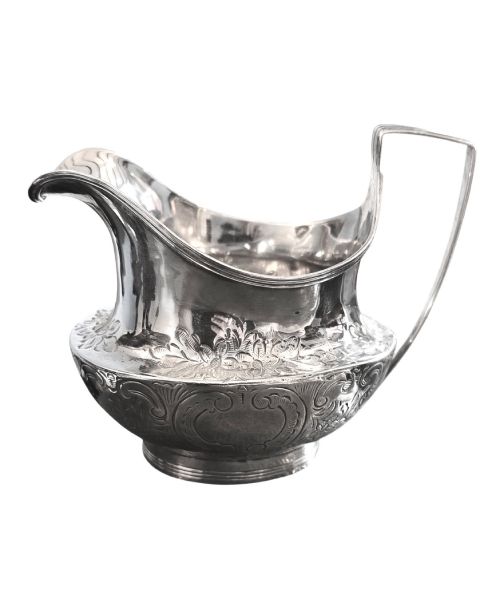
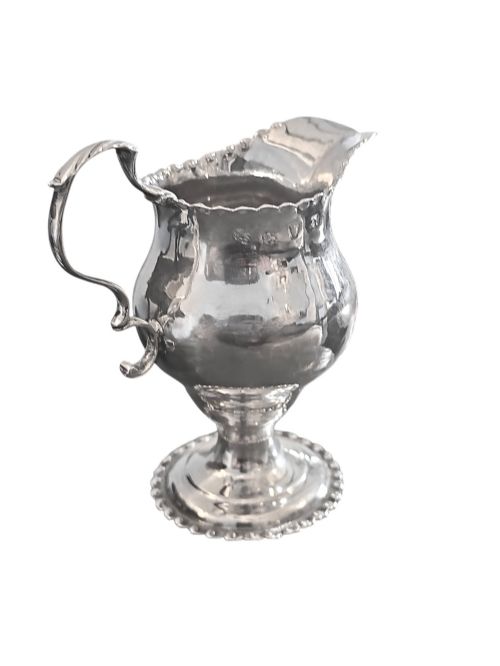
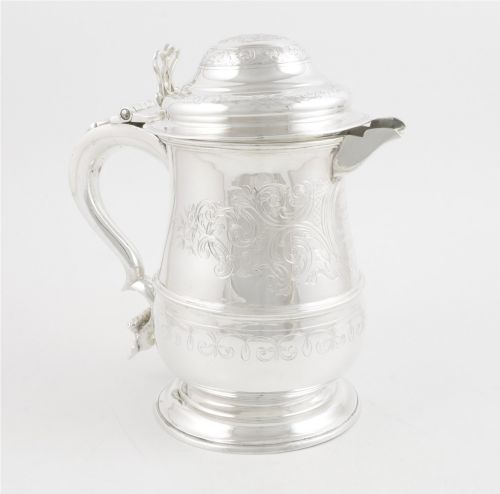
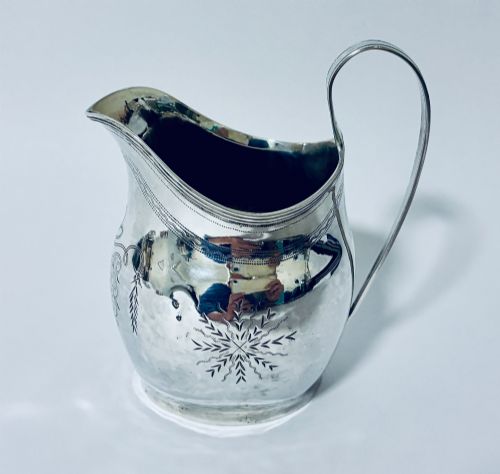
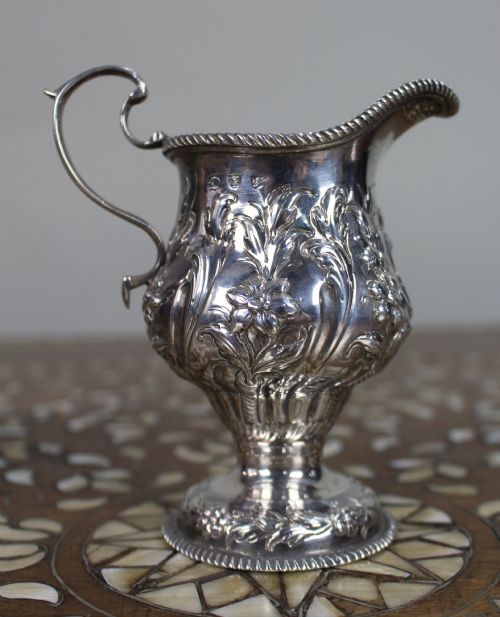
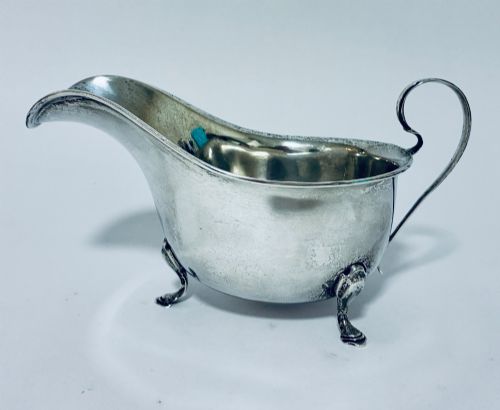
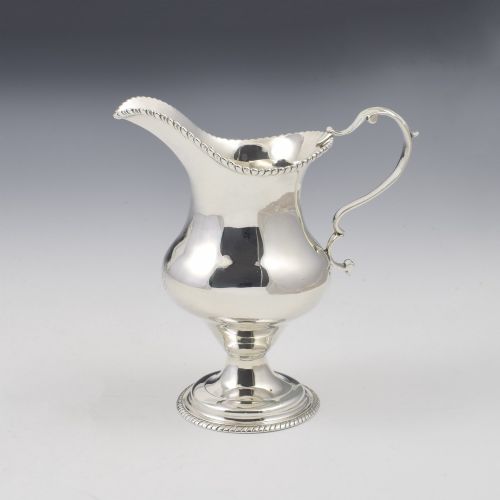
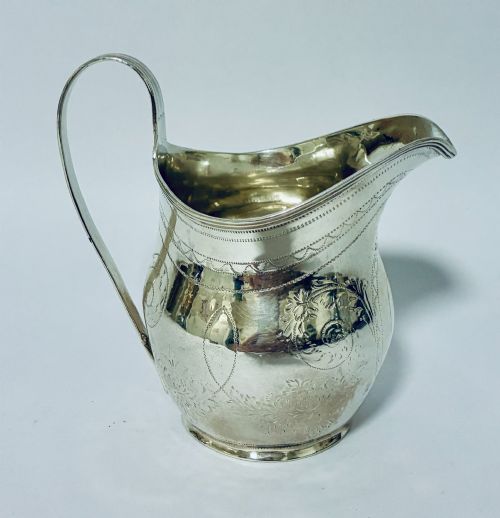
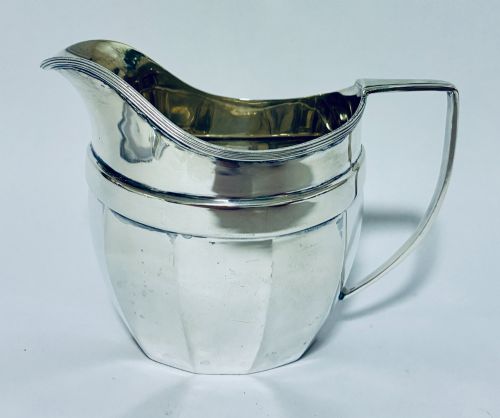
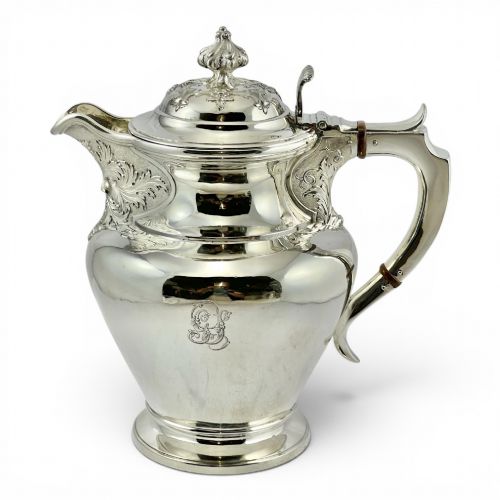
A georgian sterling pitcher encompasses a variety of serving vessels, most commonly appearing in listings as cream jugs, milk jugs, sauce boats, and ewers. These pieces originate predominantly from the Georgian period and the eighteenth century, alongside related Victorian and later interpretations.
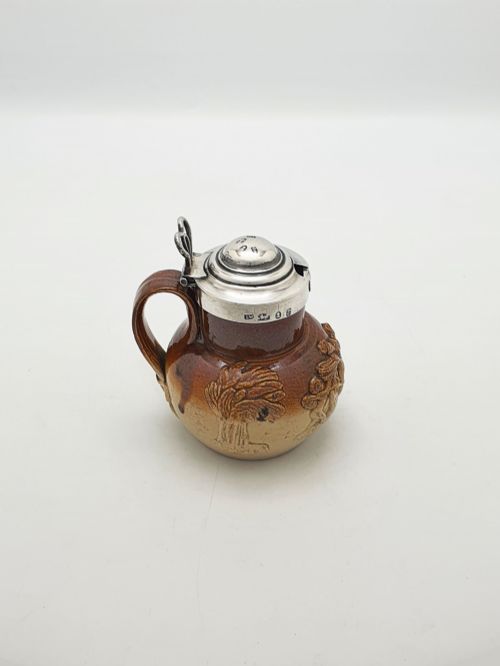
Buyers encounter forms ranging from early sparrow beak cream jugs to helmet cream jugs and larger water jugs. Makers utilised sterling silver frequently, occasionally paired with materials such as stoneware, wood, and gold wash.
Stylistic influences span Neoclassical, Regency, George III, George IV, and William IV designs. These objects reflect domestic dining and hospitality traditions across English, Scottish, Irish, and provincial workshops.
Distinctions across the range
The standard of execution depends heavily on the crispness of the chasing, the precision of the engraving, and the balance of the handle and spout. Master silversmiths achieved harmonious proportions that elevate utilitarian vessels into sculptural objects.
The integrity of the hallmarks and the preservation of original surface textures differentiate standard production from exceptional survival. Finer examples retain sharp makers marks and unrubbed decorative motifs from their period of origin.
Georgian Sterling Pitcher Retail Price Guide 2026
Typical asking prices for georgian sterling pitcher among the pieces listed under this phrase on Sellingantiques today, from the lower quarter to the upper quarter. They describe what is for sale here now, not the wider market.
Cambridge undergraduates once rowed hard enough to earn a silver jug bearing an 1857 hallmark.
Stalker & Mitchison·James Gordon·John Emes·Peter & Ann Bateman·George Unite·Robert Pringle & Sons·John Scofield
The Georgian Sterling Pitcher Glossary
- Sparrow beak
- An early eighteenth century cream jug form featuring a small, pinched lip resembling a bird beak. This compact shape typically rests on three small feet.
- Helmet jug
- A pouring vessel with a flared rim and footed base that mirrors the profile of a classical helmet. This form gained popularity during the George III period.
- Bright cut engraving
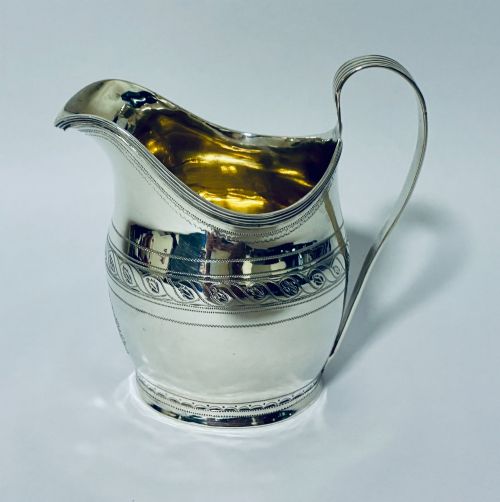
- A surface decoration technique utilising faceted cutting tools to create geometric or floral patterns that catch the light. It appears frequently on silver from the late eighteenth century.
- Silver gilt
- Sterling silver coated with a thin layer of gold. This treatment protected the interior metal from tarnishing when exposed to dairy products.
- Sauce boat
- An open vessel with a lip and handle designed for serving gravies or sauces, often sitting upon an integrated or matching footed base.
Georgian Sterling Pitcher: Frequently Asked Questions
What is a sparrow beak jug?
A sparrow beak jug is an early eighteenth century form characterised by a short, pinched pouring lip that resembles a bird beak. These diminutive vessels usually feature delicate handle placement and three small supporting feet.
They were designed primarily for serving small quantities of cream at the tea table, reflecting the high value of tea and its accompaniments during the period.
How do I identify a Georgian silver pitcher?
Identification relies upon examining the hallmarks stamped into the silver, which indicate the assay office, the date letter, and the silversmith mark. Stylistic indicators such as Neoclassical bright cut engraving or helmet shaped bodies also point to the Georgian era.
Matching the physical form and decorative motifs against recorded pieces from the eighteenth and early nineteenth centuries confirms the period of manufacture.
Why do some jugs have gold inside?
The gold interior, known as a gold wash or vermeil, was applied to protect the sterling silver from the corrosive acids present in dairy products like milk and cream. This technique prevented the silver from tarnishing quickly and tasting metallic.
Silversmiths gilded the interior surfaces to maintain both the appearance and the hygiene of the vessel during daily use.
Can I use an antique silver pitcher today?
Antique silver pitchers and cream jugs function well for contemporary table service when handled with appropriate care. Hand washing with mild soap preserves the surface finish and prevents damage to historic joints or engraving.
Avoid abrasive cleaners and dishwasher cycles to maintain the integrity of the sterling silver and any interior gold wash.