




Georgian Sporting Picture
A georgian sporting picture captures horses, hounds, and countryside pursuits in oils, watercolours, and early prints for your walls.
Georgian Sporting Picture
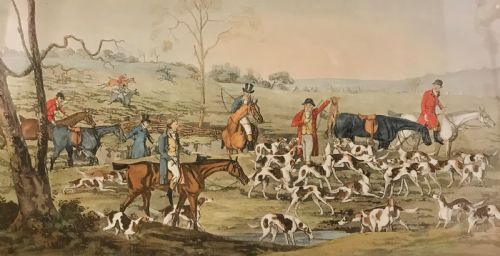
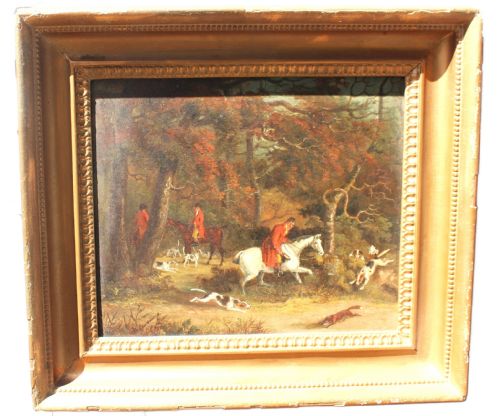
A georgian sporting picture presents horses, hunting scenes, coaching subjects, and rural pursuits executed during the eighteenth and nineteenth centuries. You encounter oil paintings on canvas or wood panel alongside watercolours, hand-coloured engravings, and lithographs.
The subjects range from detailed portraits of individual racehorses and country gentlemen with their hounds to bustling mail coach journeys and shooting scenes. These works record rural life and equestrian pastimes through the eyes of artists working in Georgian, Regency, and Victorian periods.
Framed art prints and original works span centuries of British sporting art, reflecting the changing tastes in rural documentation. The pieces appear in various formats, from intimate watercolours to large oil paintings depicting landscape settings.
Materials and technique
Artists painted in oil upon canvas or pine panel, applying rich pigments to capture the sheen of a horse's coat or the atmospheric light of a landscape. Other works utilise watercolour and ink on paper, resulting in lighter, more immediate studies of country gentlemen and dogs.
Printmakers produced engravings and lithographs, often hand-colouring the printed lines to bring vibrancy to hunting scenes and coaching prints. Glazing techniques such as eglomise and reverse glass painting appear alongside traditional framing on wood.
Listings feature oil paintings on canvas and wood panel alongside hand-coloured engravings, watercolours, and reverse glass paintings from the Georgian and Regency periods.
What separates the examples
The skill of the brushwork in oil paintings and the precision of the line in early engravings dictate the visual strength of each piece. Works by named artists demonstrate a superior grasp of animal anatomy and landscape perspective compared to naive or anonymous pieces.
The survival of original surfaces, whether oil paint on canvas or hand-colouring on paper, preserves the intended depth and tone of the composition. Framing also plays a role, with period wood frames complementing the visual integrity of the artwork.
William Williams·Abraham Cooper·Samuel Raven·Clifton Tomson·Samuel Henry Alken·John Vine of Colchester·John Charles Maggs·Samuel John Egbert Jones·Stephen Elmer·Dean Wolstenholme·James Pollard
The Georgian Sporting Picture Glossary
- Eglomise
- A process of applying cold gilding and painting to the rear face of glass. This technique produces a reflective, finished surface seen in decorative prints.
- Pine Panel
- A rigid wooden support used by artists for oil paintings before stretched canvas became dominant. It provides a stable surface for detailed brushwork.
- Lithograph
- A planographic printmaking method utilising a flat stone or metal plate. Artists draw with a greasy medium to transfer images onto paper.
- Watercolour
- A paint medium consisting of coloured pigments suspended in a water-soluble vehicle. It creates translucent washes on paper.
- Engraving
- A printmaking technique where an artist cuts lines into a metal plate to hold ink. The inked plate presses the design onto paper.
Georgian Sporting Picture: Frequently Asked Questions
What periods do these pieces date from?
The works span the eighteenth, nineteenth, and early twentieth centuries, with a strong representation of Georgian and Regency eras. Artists captured these equestrian and hunting subjects across changing decades.
Dates range from the seventeen-fifties through to the nineteen-twenties, incorporating both original paintings and later reproductions or print editions.
How do I hang a heavy oil painting?
Oil paintings on canvas or wood panels require secure wall fixings suited to the weight of the wooden frame and stretcher. Use fixings anchored directly into wall studs or solid masonry.
Ensure the hanging wire and D-rings on the back of the frame match the total weight of the artwork for safe display.
What is the difference between an engraving and a painting?
An oil painting is a unique, handmade work created with pigmented oils on canvas or wood panel. The artist applies layers of paint directly to the surface.
An engraving is a printed work produced from an inked metal plate, sometimes finished with hand-colouring applied afterwards on paper.
Where should I display sporting art at home?
These works suit libraries, studies, and hallways where traditional country pursuits complement interior wood panelling or neutral walls. Avoid placing paper prints and watercolours in direct, harsh sunlight.
Keep pieces away from damp areas and excessive temperature fluctuations to protect the canvas, paper, and wooden frames.