


Georgian Spindle Armchair
A georgian spindle armchair brings solid vernacular craftsmanship into a modern room, offering sturdy timber framing and traditional seating comfort.
Georgian Spindle Armchair
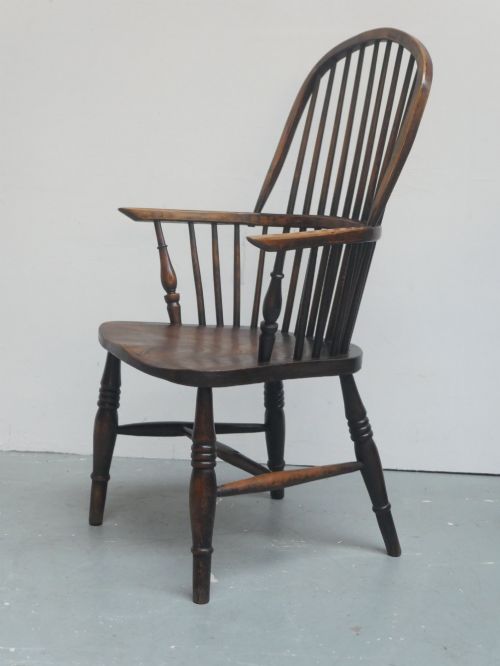
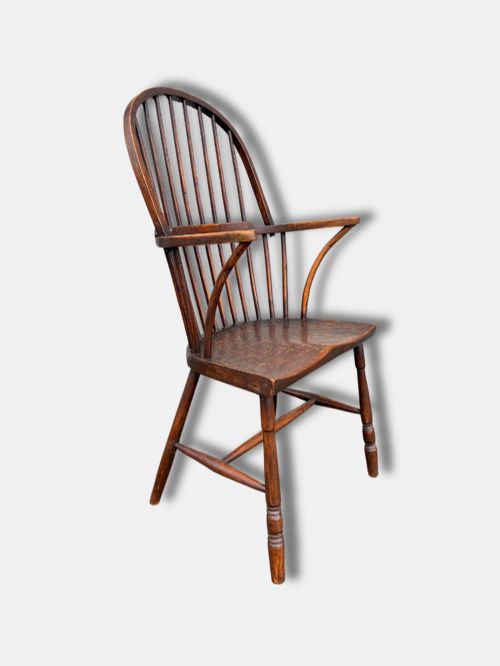
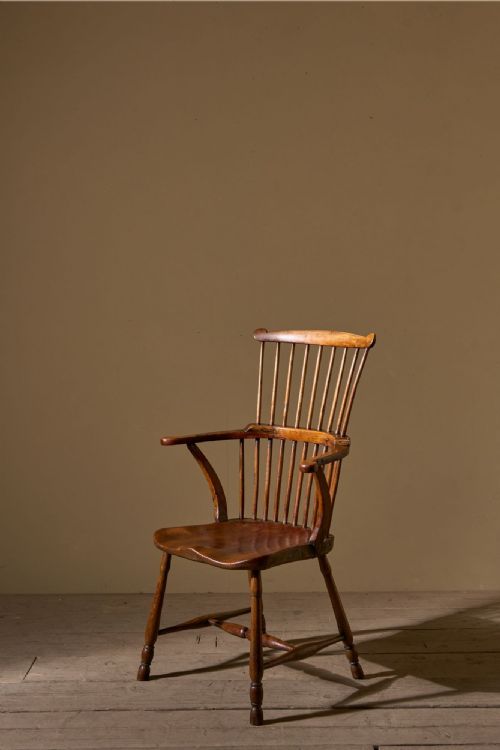
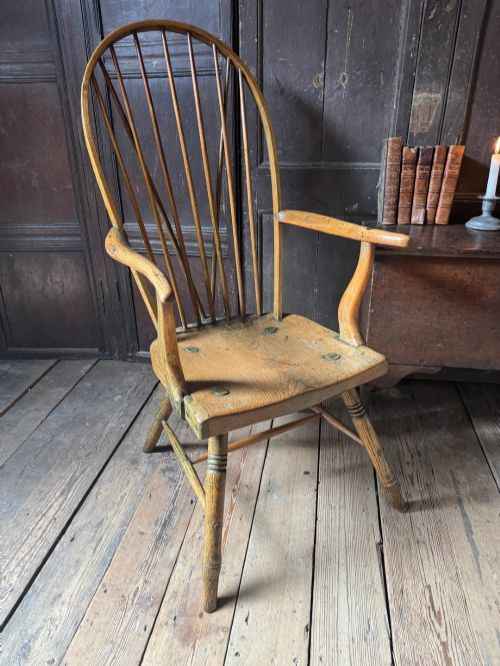
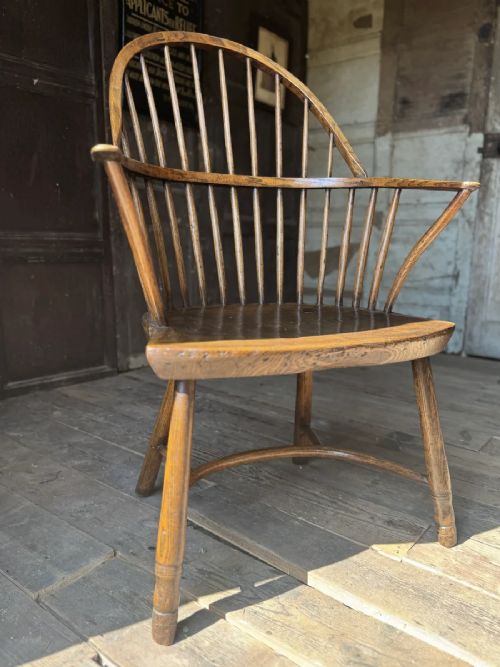
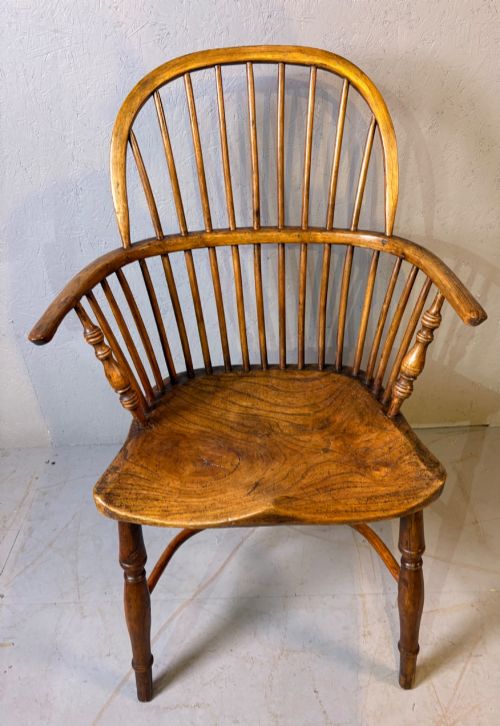
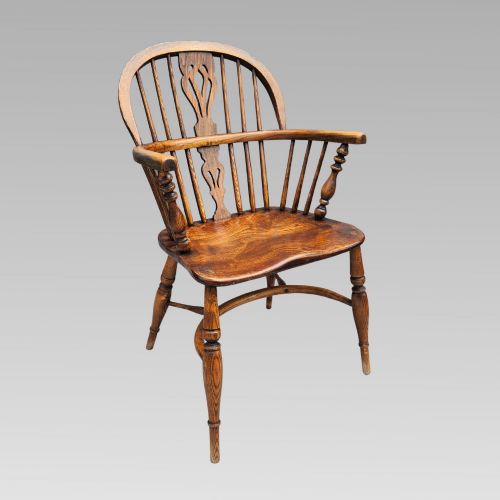
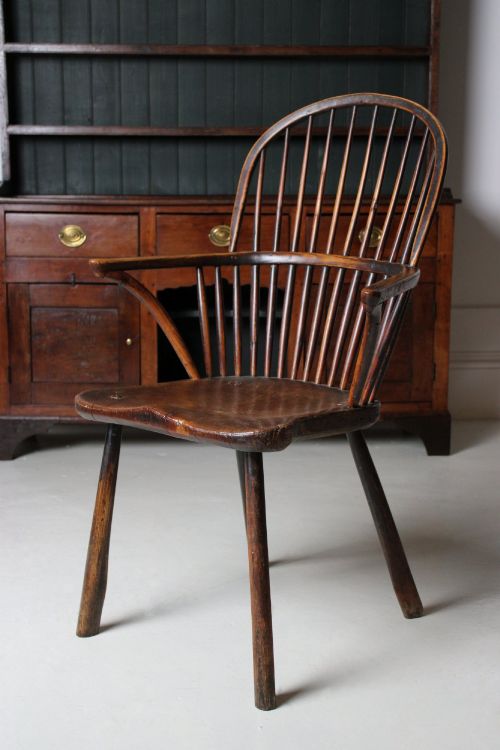
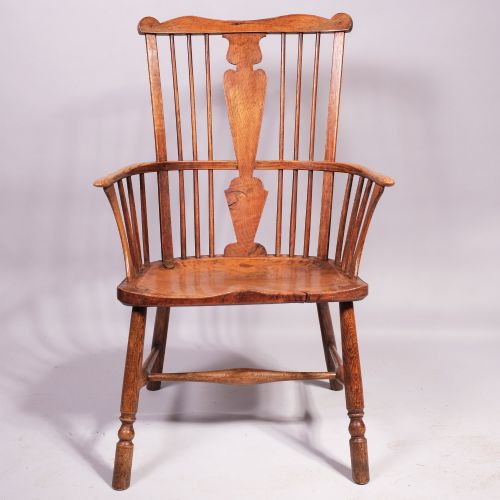
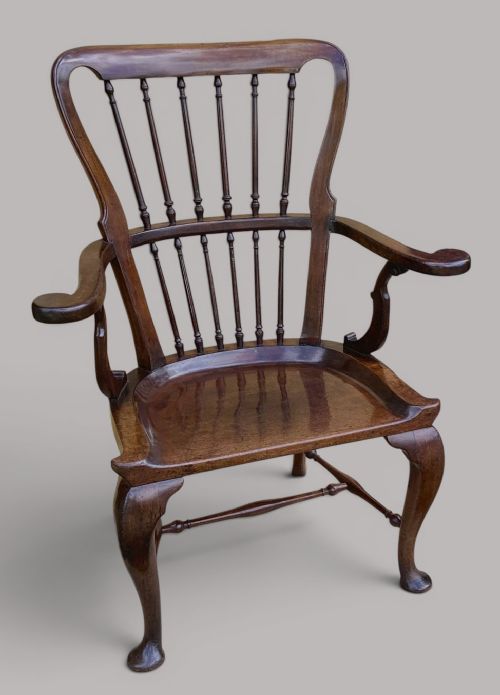
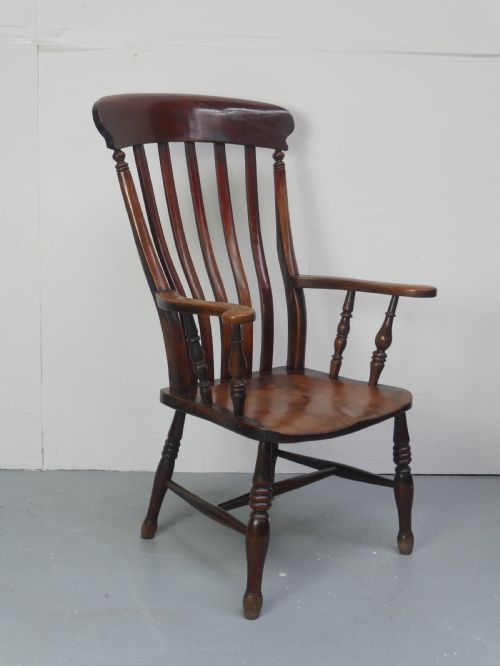
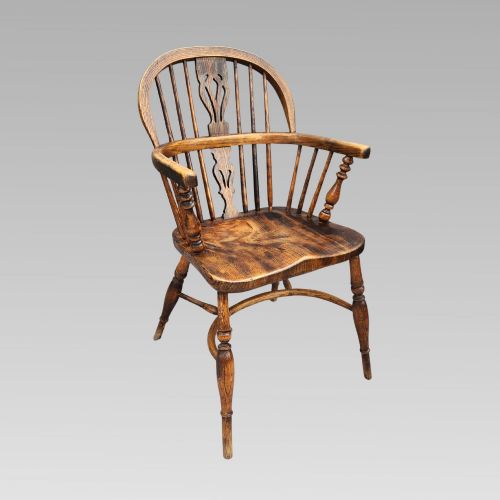
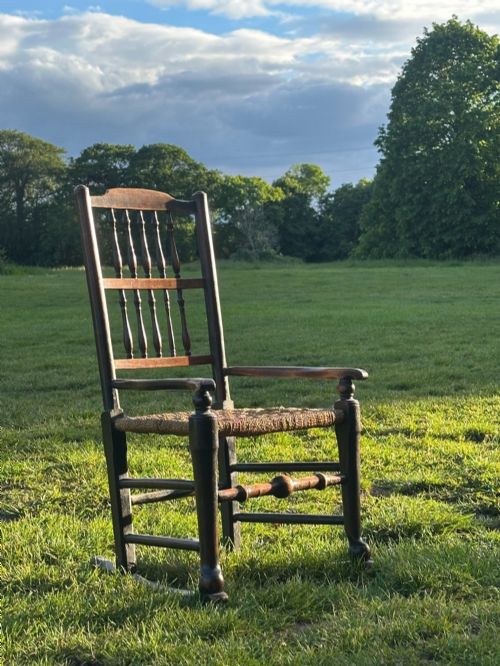
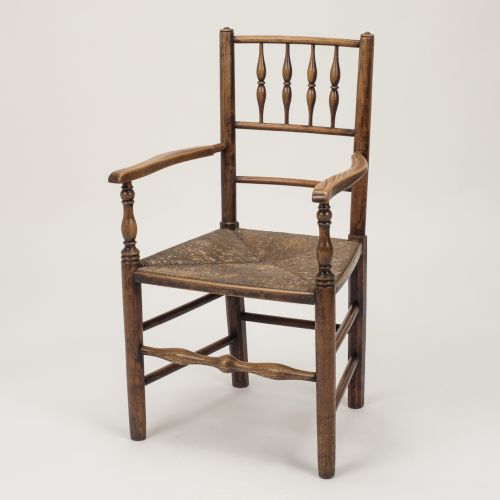
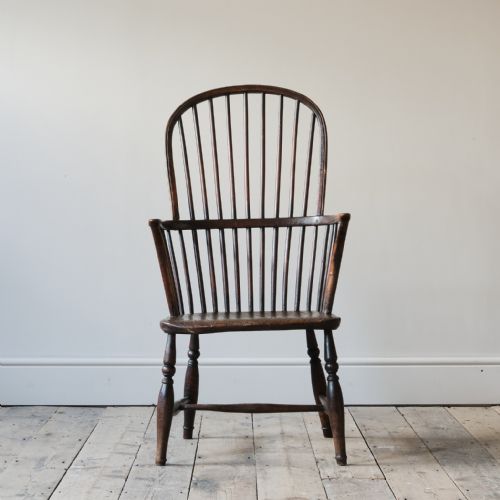
A buyer seeking a georgian spindle armchair encounters robust country seating spanning the eighteenth and nineteenth centuries. These pieces encompass regional windsor forms, low backs, hoop backs, and comb backs intended for everyday farmhouse or domestic use.
The most common examples on this page are windsor and stick back armchairs shaped from regional timbers. Many originate from rural workshops in the west country, Lancashire, and Thames Valley, showing distinct local turning traditions.
Materials and construction methods
Maker workshops utilised mixed native hardwoods for strength and flexibility. Elm seats provide a solid base for steam-bent ash or fruitwood spindles, back bows, and legs.
Joinery relies on traditional methods such as wedged through-tenons and pegged joints. Rush seating occasionally provides the base platform alongside carved wooden saddles.
Georgian Spindle Armchair Retail Price Guide 2026
Typical asking prices for georgian spindle armchair among the pieces listed under this phrase on Sellingantiques today, from the lower quarter to the upper quarter. They describe what is for sale here now, not the wider market.
Miniature children's high chairs and potty chairs prove that eighteenth-century toddlers sat just as firmly as the adults.
Evaluating construction standards
The distinction between ordinary and superior pieces rests on timber selection and structural integrity. Tighter turning on the spindles and well-figured elm seats indicate careful regional production.
Original surface patination and minimal replacement timbers separate intact survivors from heavily restored examples. Proper alignment of crinoline stretchers and Hoop backs preserves the intended seating posture.
The Georgian Spindle Armchair Glossary
- Windsor chair
- A wooden armchair constructed with a solid shaped seat into which the legs and back spindles are separately bored. This form provides sturdy domestic seating.
- Crinoline stretcher
- A curved under-stretcher linking the legs of a chair to provide rigidity. It often takes a horseshoe shape on windsor models.
- Comb back
- A chair back featuring an upper horizontal crest rail supported by vertical spindles, resembling the teeth of a comb. This style appears on many regional windsors.
- Vernacular
- Objects made by local craftsmen following regional traditions rather than metropolitan academic designs. These pieces suit domestic farmhouse interiors.
Georgian Spindle Armchair: Frequently Asked Questions
How do I care for antique timber?
Keep antique wooden chairs away from direct heat sources and sudden humidity changes to prevent timber splitting or joint shrinkage. Natural wax polish helps maintain the dry surface finish.
Avoid heavy liquid cleaners that might strip the historic patination accumulated over centuries of domestic use.
Where were these chairs made?
Regional workshops across England produced these seating forms using locally available timber stocks. West Country, Lancashire, and Thames Valley makers developed distinct turning patterns.
Local timber availability dictated whether ash, elm, or fruitwood predominated in a particular chair's construction.
What is a crinoline stretcher?
A crinoline stretcher is a curved wooden brace connecting the legs beneath the seat to prevent them from spreading under weight. It forms a characteristic horseshoe loop.
This structural addition provides both functional reinforcement and a stylistic feature common on regional windsor chairs.