





Georgian Specimen Cabinet
A georgian specimen cabinet organises small treasures in timber drawers built for careful hands.
Georgian Specimen Cabinet
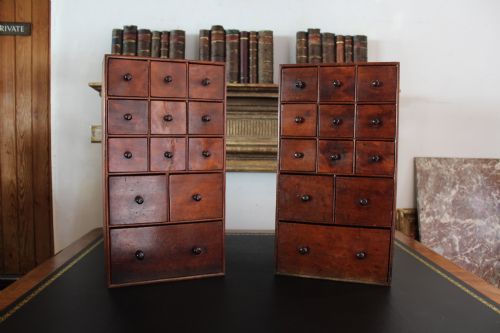
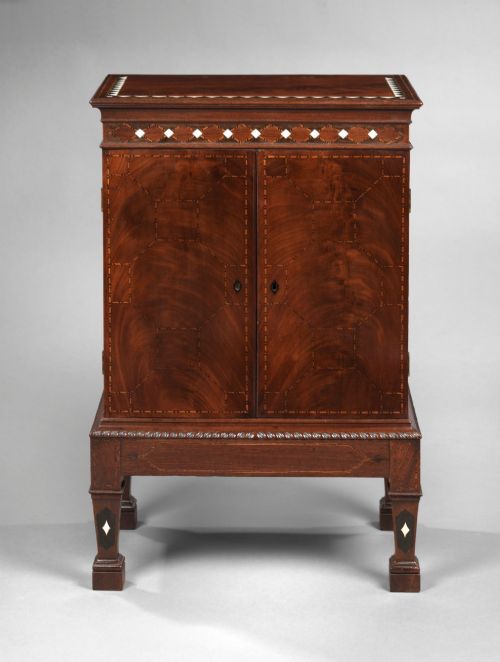
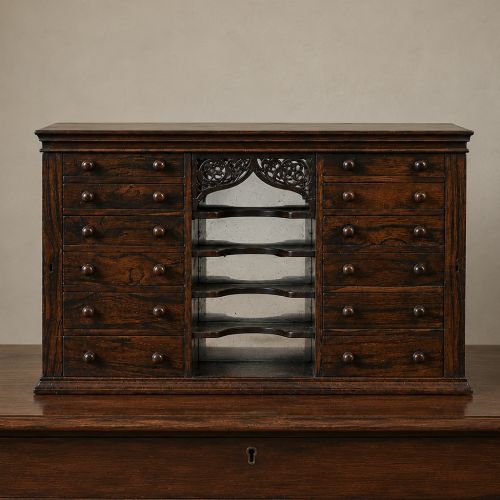
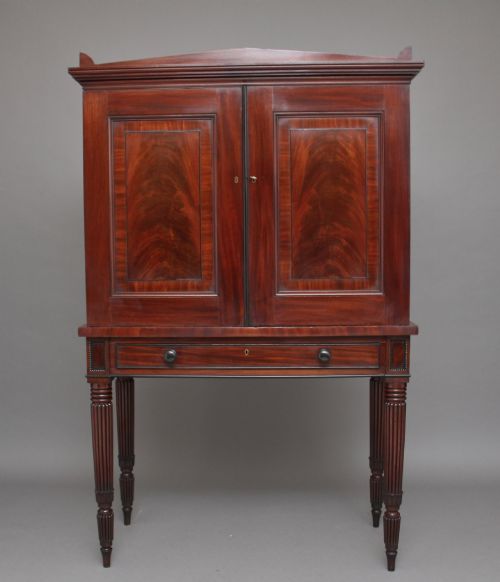
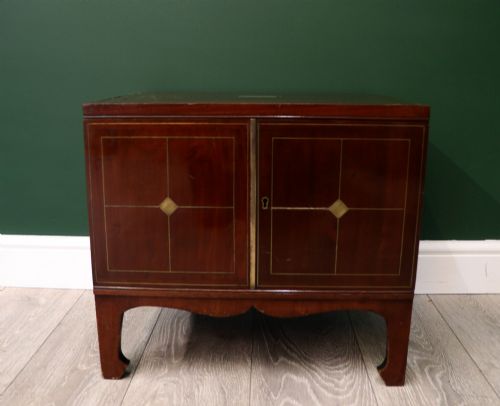
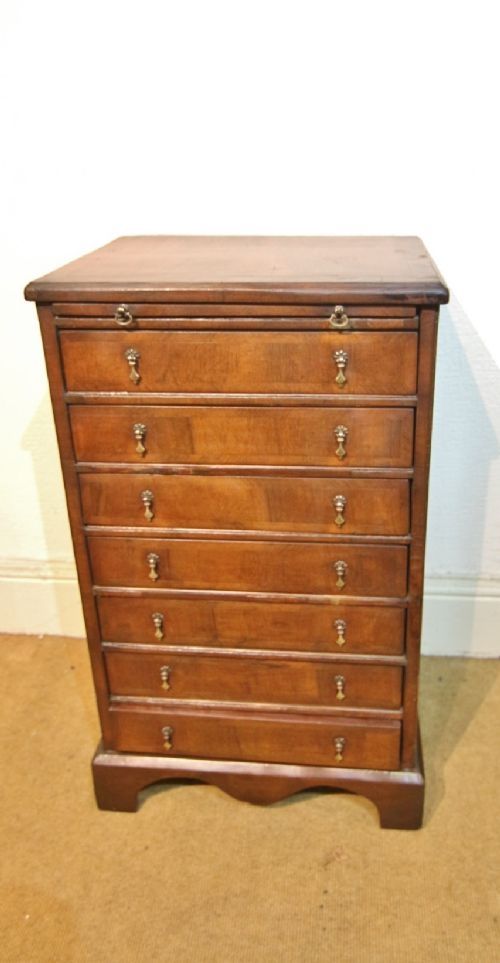
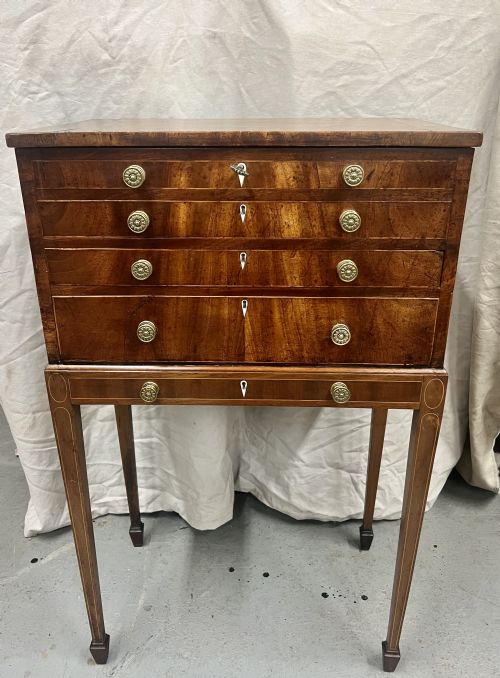
A georgian specimen cabinet typically takes the form of a small chest of drawers, a cabinet on stand, or a tabletop box designed for housing natural history collections and small curiosities. The pieces on this page span the eighteenth, nineteenth, and early twentieth centuries, reflecting the period's intense enthusiasm for collecting shells, minerals, and coins. Mahogany, oak, and walnut predominate, often constructed with multiple shallow internal drawers to protect delicate items.
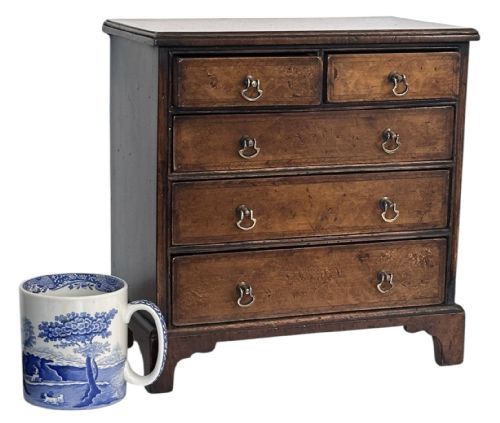
Buyers encountering this group will frequently find miniature chests, apothecary drawers, and campaign style storage alongside formal Georgian and Regency examples. Forms range from rustic oak spice cabinets to finely figured rosewood and mahogany pieces bearing numerous small drawers. Each variant serves the fundamental purpose of orderly sorting and safe preservation.
Distinctions in Standard
Quality rests upon the precision of the drawer construction and the character of the timber figure. Finely figured Cuban mahogany or burr walnut elevates a piece well above utilitarian storage, while internal drawer numbers and fitted compartments demonstrate a maker's ambition.
Proportion and architectural integrity separate workshop standards from provincial work. Pieces retaining original brass hardware, sound drawer runners, and well-balanced stands command greater interest among those who study period storage.
The documented periods span the 18th century, Georgian era, Regency, and the early 20th century up to 1920.
Charles William Schofield·William John Burchall·J.C.Dale
The Georgian Specimen Cabinet Glossary
- Specimen cabinet
- A piece of furniture designed specifically to hold small natural history items, fossils, or coins. These units feature numerous shallow drawers.
- Wellington chest
- A tall, slender chest of drawers secured by a locking stile hinged on one side. This design provides security for the entire stack of small internal drawers.
- Campaign style
- Portable furniture constructed for travel, usually fitted with recessed brass handles and corner brackets. Pieces built in this manner offer robust protection.
- Spice cabinet
- A small wall or table-mounted cupboard containing multiple tiny drawers for storing dried goods or valuable powders. Early examples are commonly fashioned from oak.
- Miniature furniture
- Scale models or apprentice pieces built to demonstrate cabinetmaking proficiency. These items replicate full-size chests in diminutive proportions.
Georgian Specimen Cabinet: Frequently Asked Questions
What did people store in a specimen cabinet?
Owners used these small drawers to house natural history specimens, including seashells, fossils, minerals, and botanical samples. Collectors also stored coins, medals, and small antiquities.
The shallow depth of each drawer prevented items from piling on top of one another, keeping delicate specimens visible and secure.
How do I date a mahogany collector chest?
Dating relies on timber choice, construction methods, and hardware styles. Eighteenth and early nineteenth-century pieces often utilise dense Cuban mahogany, hand-cut dovetails, and simple brass drop handles.
Later Victorian and 1920s examples show mechanical precision in drawer joints and frequently incorporate locks with stamped maker marks.
Where should I place a tabletop cabinet?
These cabinets sit comfortably on sturdy sideboards, desks, or dedicated floor stands where the drawers remain at a convenient height for viewing. Avoid spots exposed to direct sunlight or dramatic temperature shifts to protect the antique wood.
Keep the surrounding area clear so the small side-hinged doors or locking stiles can open fully without obstruction.
Are apothecary chests the same as specimen cabinets?
While apothecary and homeopathic chests share the same multi-drawer format, they were built to hold medicines, phials, and powders rather than natural history items. Their internal layouts often feature specific partitions for glass bottles.
Both types reflect the Georgian and Regency penchant for categorising and storing small, valuable contents in minimal space.