
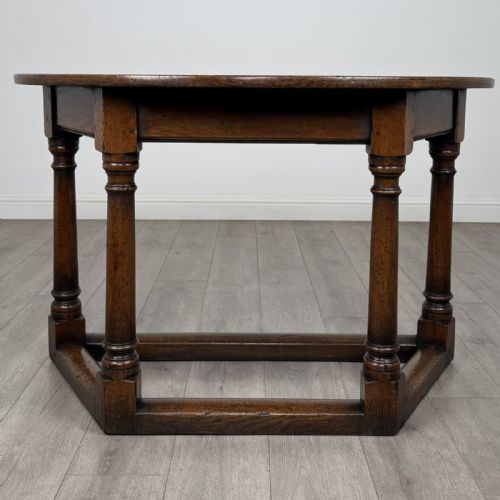
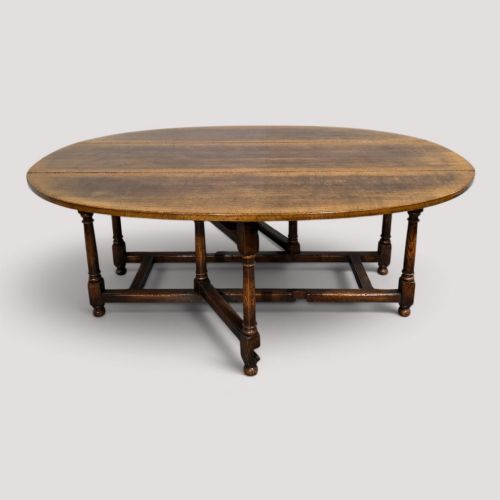
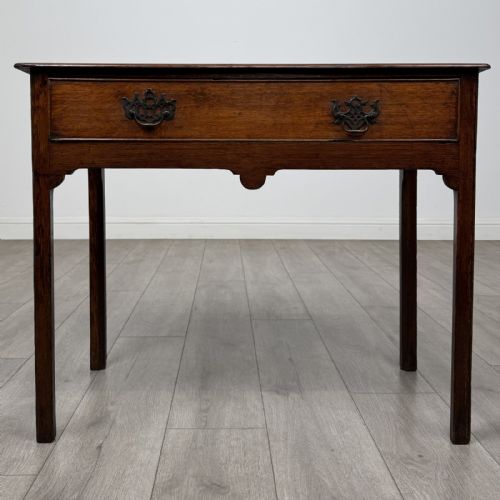
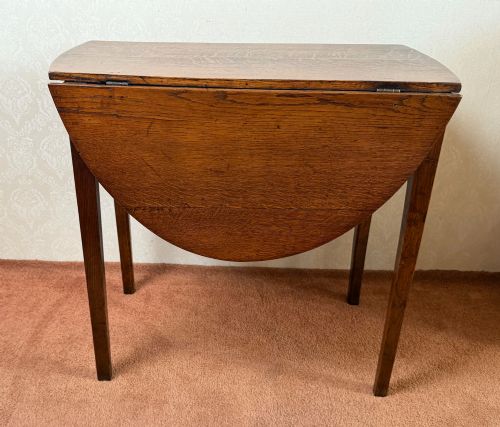


Georgian Solid Oak Table
A georgian solid oak table brings utilitarian heft and honest timber into a room, shaped by centuries of domestic service.
Georgian Solid Oak Table
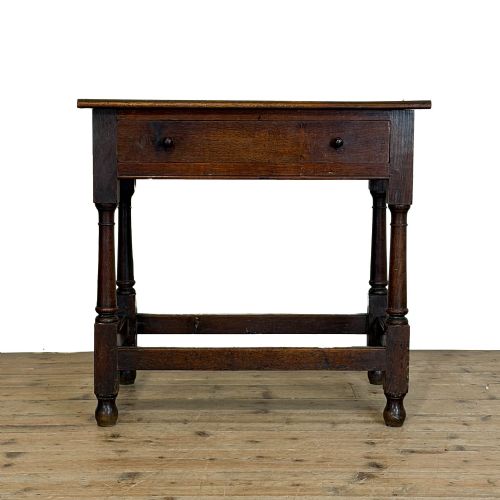
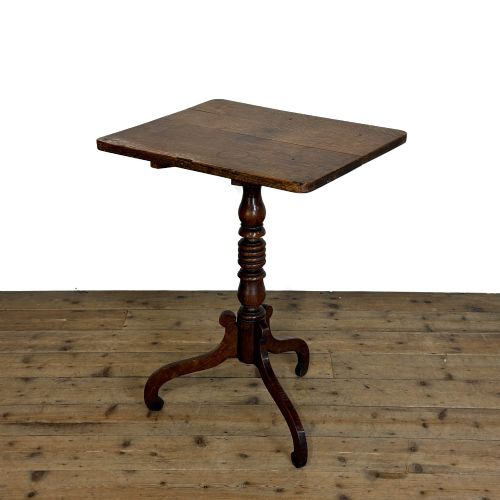
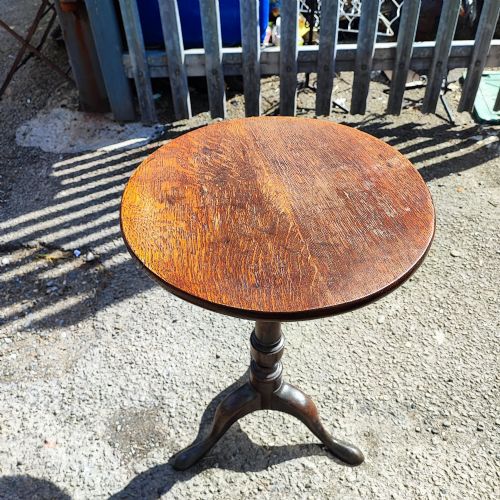
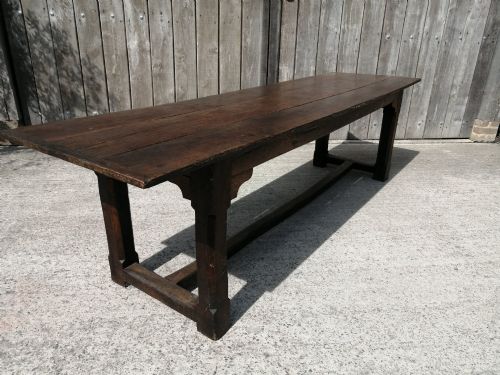
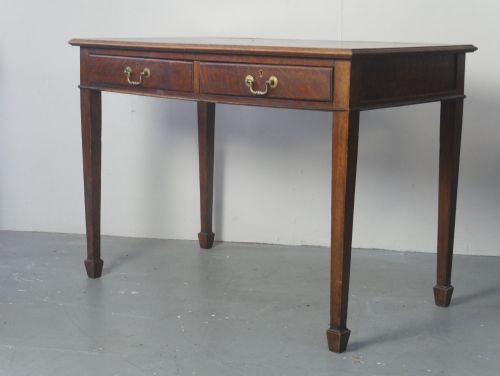
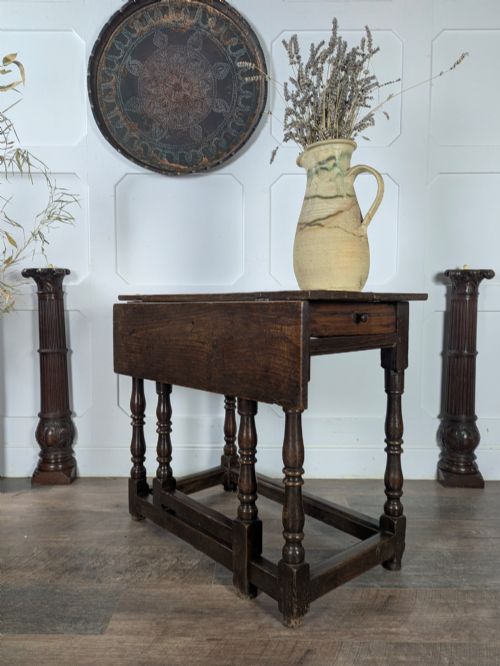
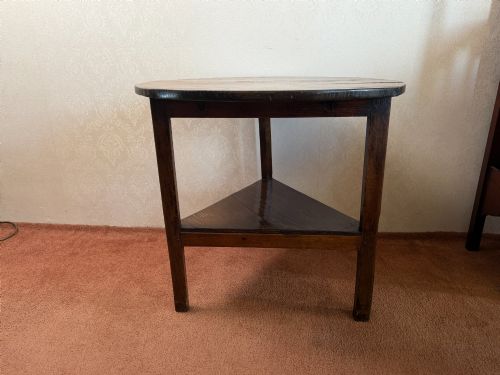
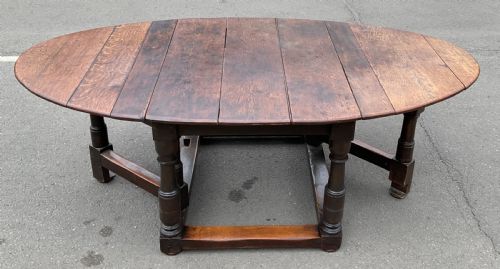
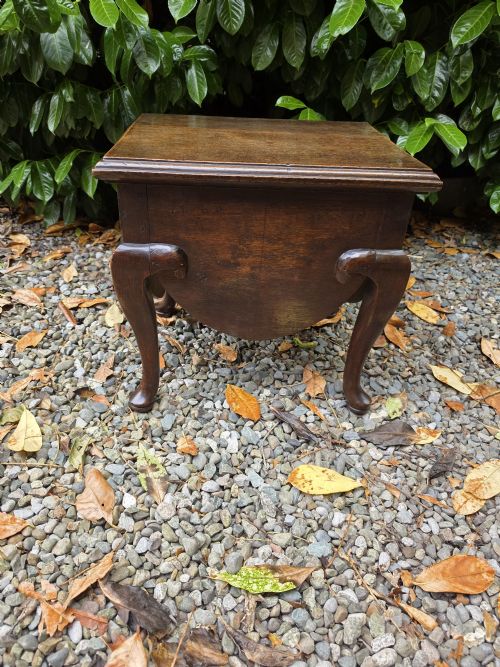
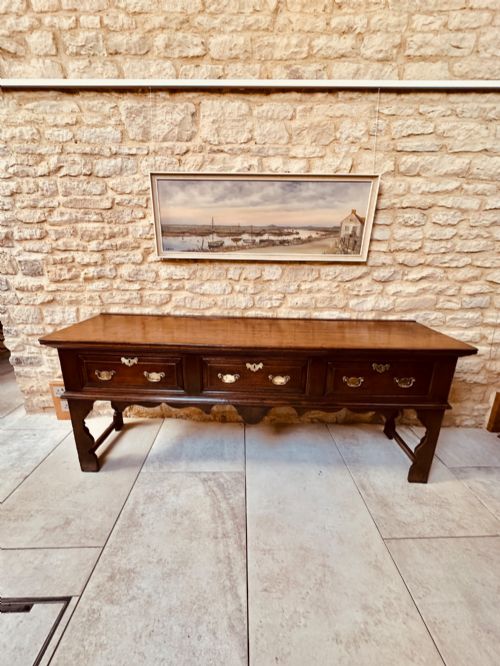
When you search for a georgian solid oak table, you encounter heavy timber furniture designed for practical domestic use rather than salon display. The selections span sturdy refectory boards, drop-leaf gatelegs, and compact tripod wine tables.
The material focus centres heavily on oak, occasionally paired with elm, walnut, and iron hardware. Pieces range from the early eighteenth century through to later revivals, maintaining vernacular styles from English country workshops.
How they were made
Carpenters constructed these tables using solid oak planks joined to frames of elm or walnut, often secured with pegged mortise and tenon joints. Turning lathes shaped legs for gatelegs and tilt-top pedestals, while iron and brass provided hinges and catches.
Surfaces relied on plain timber boards rather than exotic veneers, finished simply to highlight the natural grain. Structural honesty dictated the build, employing trestle supports, drop leaves, and bird-cage mechanisms for movement.
Listings feature solid oak alongside elm, walnut, and iron hardware across the eighteenth and nineteenth centuries.
What varies in quality
The standard of a piece depends on the choice of timber thickness and the integrity of the original joints. Heavy plank tops with minimal warping and crisp turning on the legs distinguish superior examples from simpler utilitarian work.
Proportion and surface patination dictate desirability, where untreated grain and deep colour show centuries of exposure. Alterations to height or replaced stretchers alter the integrity of an otherwise authentic country form.
G T Rackstraw
The Georgian Solid Oak Table Glossary
- Gateleg table
- A drop-leaf table featuring hinged legs that swing outward to support the raised flaps. This form maximised floor space in smaller eighteenth-century rooms.
- Refectory table
- A long, narrow dining table traditionally used in communal halls. These pieces rely on heavy trestle or four-leg bases connected by stretchers.
- Tilt-top table
- A pedestal table with a mechanism allowing the circular top to pivot vertically. This design enabled the table to stand flat against a wall when not in use.
- Lowboy
- A small side table or dressing table featuring one or more rows of drawers beneath the top. They frequently stand on cabriole or straight legs.
- Bird cage
- A timber framework beneath the top of a tilt-top table that permits the surface to rotate as well as tilt. It represents a more complex piece of cabinetmaking.
Georgian Solid Oak Table: Frequently Asked Questions
How do I care for a solid oak table?
Keep the timber away from direct heat sources and sudden humidity shifts to prevent the thick planks from splitting. Feed the dry grain occasionally with traditional beeswax to maintain the surface sheen.
Avoid synthetic cleaning sprays that strip the historic patination accumulated over generations of use. A soft, dry cloth is sufficient for routine dusting.
Were these tables used for dining?
Many larger gateleg and refectory formats served daily meals for families and household staff alike. Their robust construction handled heavy earthenware and constant movement.
Smaller tripod and tilt-top versions functioned primarily for tea, writing, or bedside use. Dining forms were often cleared and folded down between meals to reclaim living space.
How do I identify the period?
Examine the tool marks on the underside of the boards and the construction of the joints. Hand-sawn timber and pegged tenons typically indicate earlier eighteenth-century craftsmanship.
Hardware such as iron hinges and brass catches also provide clues, though fittings were frequently replaced over long service lives. Style indicators like cabriole legs or plank construction help narrow down the decade.
Can I use a gateleg daily?
The swinging leg action is surprisingly sturdy when the wooden hinges and pivot pins remain well-fitted. They offer flexible seating arrangements for modern kitchens and dining rooms.
Take care when raising or dropping the heavy leaves to avoid straining the original joints. Placing the table away from damp walls ensures the moving parts operate smoothly.