

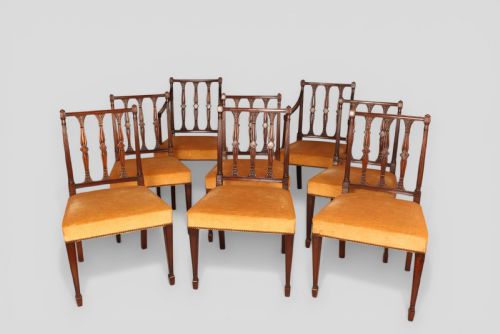


Georgian Single Side Chair
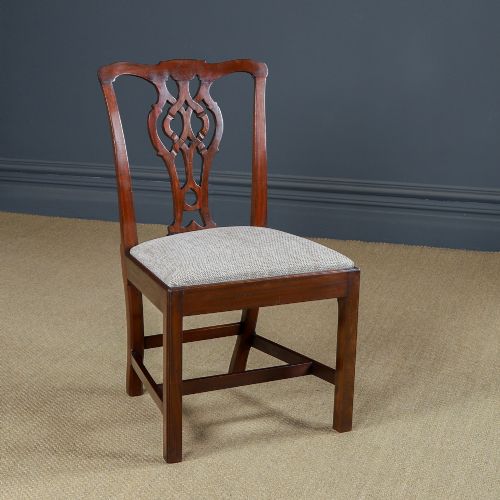
A georgian single side chair brings the proportion and timber of the eighteenth century into a room without demanding the floor space of a carver.
Georgian Single Side Chair
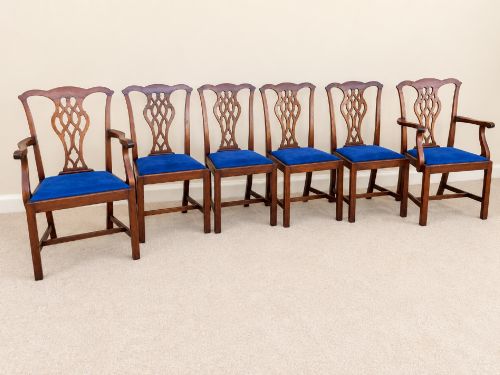
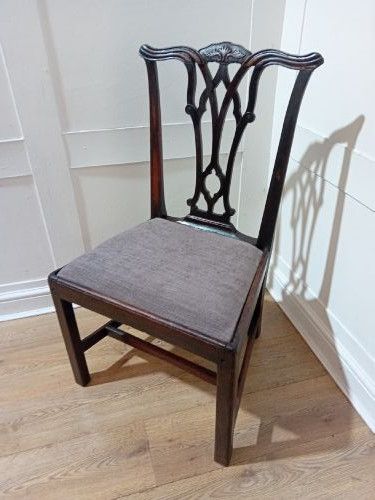
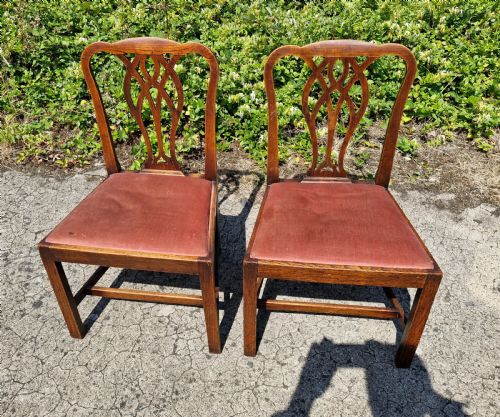
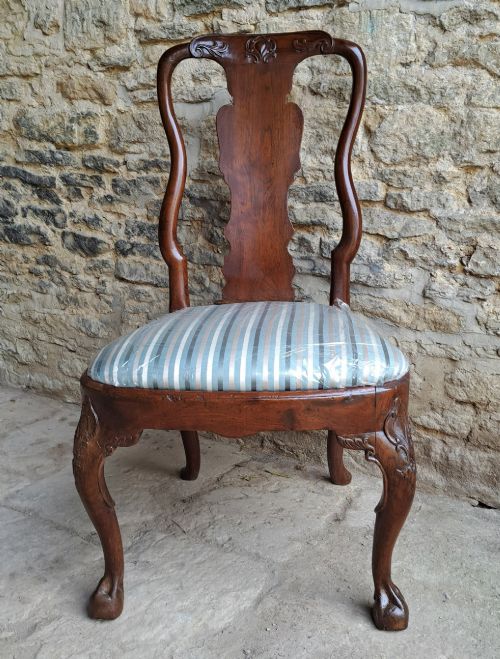
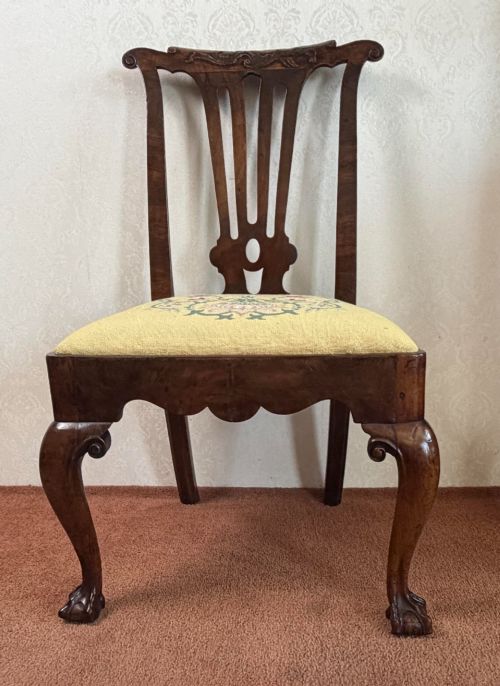
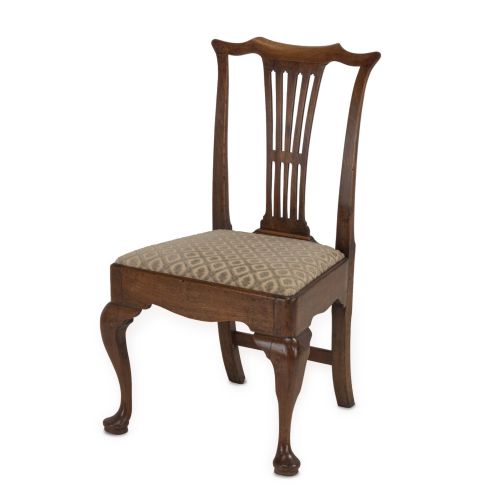
A georgian single side chair is an individual seat designed to stand against a wall or pull up to a dining table, defined by the formal and vernacular tastes of the eighteenth and early nineteenth centuries. The listings show these pieces appearing as standalone items, in pairs, or surviving from larger dining sets that have since been dispersed.
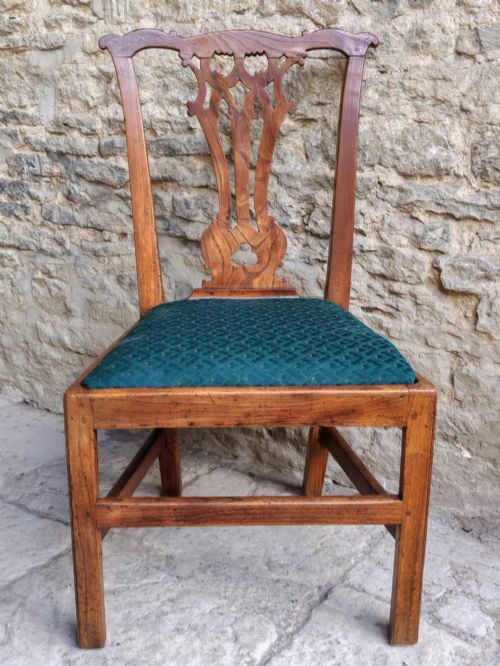
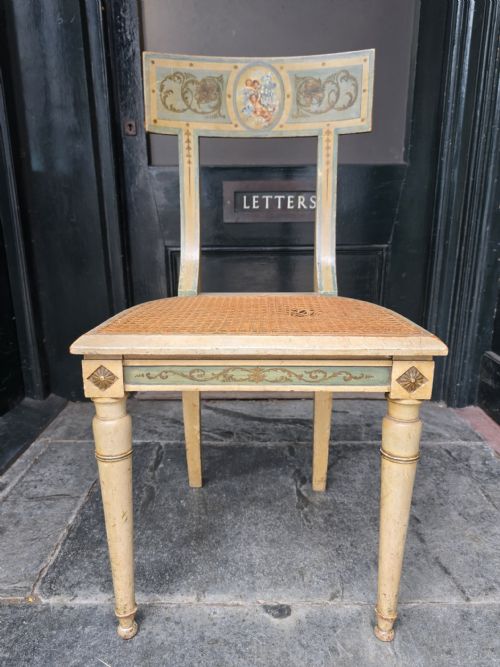
The materials recorded in these pieces range from dense mahogany and figured walnut to country elm and painted woods, often fitted with drop-in seats covered in fabric, textile, cane, or needlepoint. Makers of the period drew upon established forms such as hall chairs, desk chairs, and dining seats.
Buyers seeking a georgian single side chair will encounter examples spanning the eighteenth century, the Regency era, and later revival periods influenced by Chippendale, Sheraton, and Hepplewhite designs. These chairs served utility in the dining room, hall, and bedroom, reflecting the domestic hierarchy of their period of origin.
Construction and Materials
Cabinetmakers constructed the frame of a georgian single side chair primarily from solid timbers like mahogany, walnut, and elm, relying on mortise and tenon joints to secure the load-bearing rails. Grain direction and timber selection determined how the wood was cut for splats and legs, ensuring structural integrity under daily use.
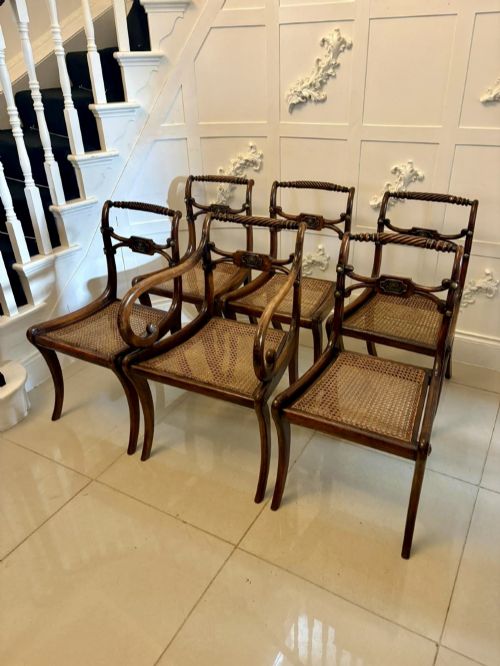
Upholstery techniques varied from drop-in frames webbed and stuffed with natural fibres to cane panels woven directly through drilled holes in the seat rails. Decorative surfaces relied on carved details such as pierced splats and shaped crest rails rather than applied veneers.
Georgian Single Side Chair Retail Price Guide 2026
Typical asking prices for georgian single side chair among the pieces listed under this phrase on Sellingantiques today, from the lower quarter to the upper quarter. They describe what is for sale here now, not the wider market.
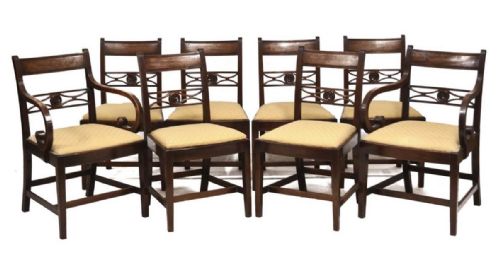
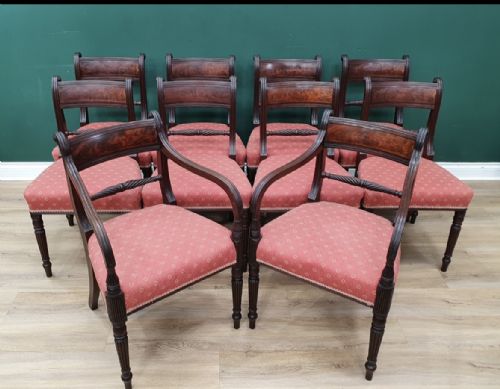
The inventory records both individual side chairs and complete dining sets comprising up to fourteen pieces with matching carvers.
Assessing Quality and Handiwork
The distinction between ordinary and superior examples of a georgian single side chair lies in the crispness of the carving on the splat and the selection of the timber grain. A well-executed chair displays confident joinery where the side rails meet the back stiles without unnecessary reinforcement.
Proportion and stance separate finer seating from basic production, as the rake of the back legs and the curve of the crest rail dictate both comfort and visual balance. Original surfaces and untouched timber patination elevate the standing of a piece compared to examples stripped or heavily altered over subsequent centuries.
Thomas Chippendale·Hepplewhite
The Georgian Single Side Chair Glossary
- Splats
- The vertical wooden strip down the centre of a chair back. It often takes a pierced, vase, or ladder form in eighteenth-century seating.
- Drop in seat
- A removable wooden frame padded and covered in textile, designed to drop into a recess within the seat rails. This construction allowed for easier reupholstery.
- Stiles
- The upright vertical side pieces of a chair back that connect the crest rail to the seat. They provide the primary structural support for the back.
- Crest rail
- The top horizontal member of a chair back. It frequently bears carved ornamentation such as ears or scrolling terminals.
- Carver
- An armchair intended for the head of a table, featuring the same stylistic vocabulary as the smaller single chairs in a set.
Georgian Single Side Chair: Frequently Asked Questions
What is a georgian single side chair?
A georgian single side chair is an armless seat produced during the eighteenth or early nineteenth century, intended for dining, hall use, or placement against a room perimeter.
These pieces reflect the shifting stylistic periods of the era, from early walnut designs to later mahogany Chippendale and Regency interpretations.
How were these chairs used originally?
These chairs were deployed around dining tables, placed in grand entrance halls for waiting visitors, or positioned in bedrooms and offices.
Because they lacked arms, multiple chairs could be set closely together or tucked neatly beneath a table or desk when not in active use.
How do I live with one today?
A single antique chair functions effectively as a desk seat, a bedside stand, or an accent piece in a corner where floor space is limited.
Their sturdy timber construction allows them to endure daily use while adding historical character to contemporary or traditional interiors.
How can I tell the periods apart?
Distinguishing between periods involves examining the timber choice, the profile of the splat, and the shaping of the legs, such as cabriole versus straight tapered forms. Early eighteenth-century examples frequently employ walnut with solid vase splats, while later Georgian pieces turn to mahogany and lighter satinwood revival styles.