




Georgian Single Drawer Desk
A georgian single drawer desk brings simple proportions and honest utility to any room, offering a compact writing surface with neat under-bench storage.
Georgian Single Drawer Desk
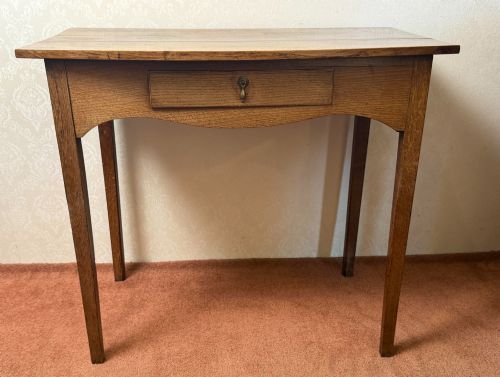
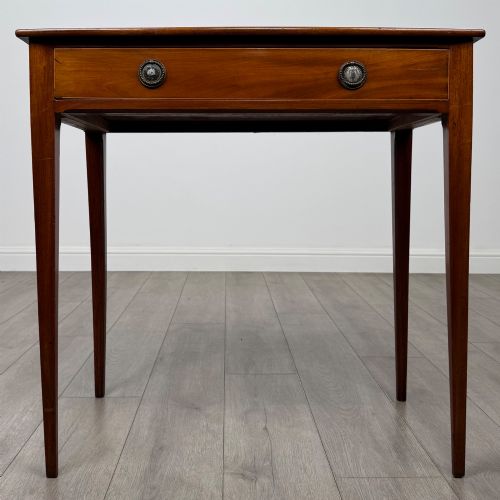
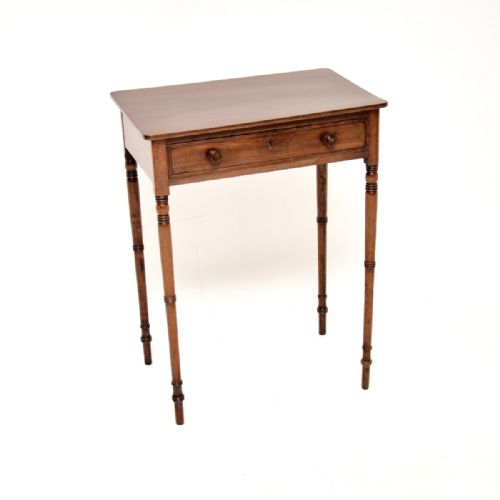
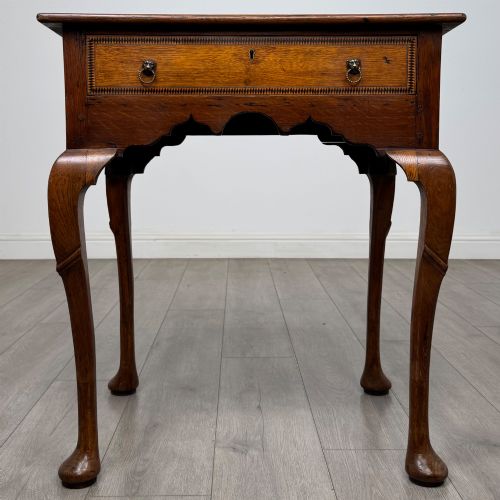
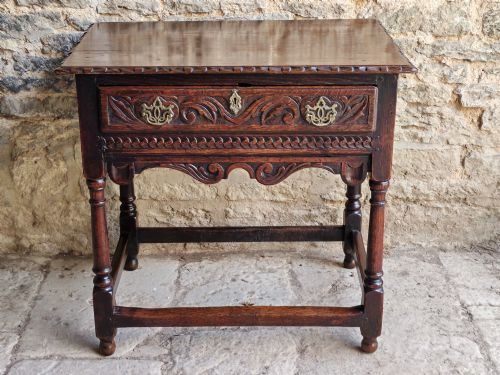
When you search for a georgian single drawer desk, you encounter versatile writing tables, side tables, lowboys, and dressing tables spanning the Georgian, Victorian, and Edwardian eras. The listings here show a strong presence of pieces originating from the eighteenth and nineteenth centuries, reflecting the period's demand for functional domestic furniture.
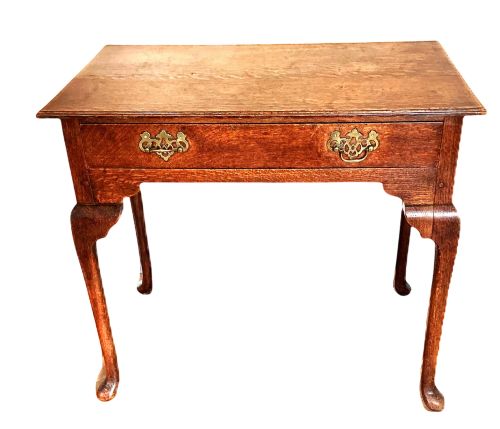
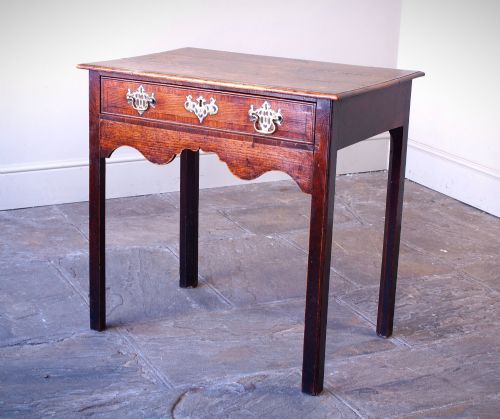
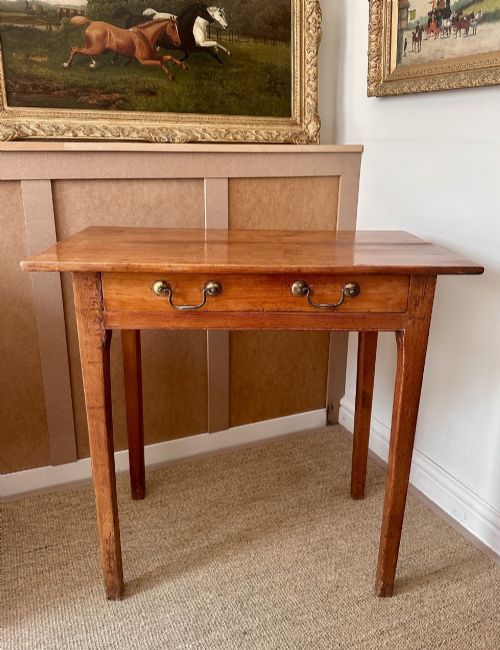
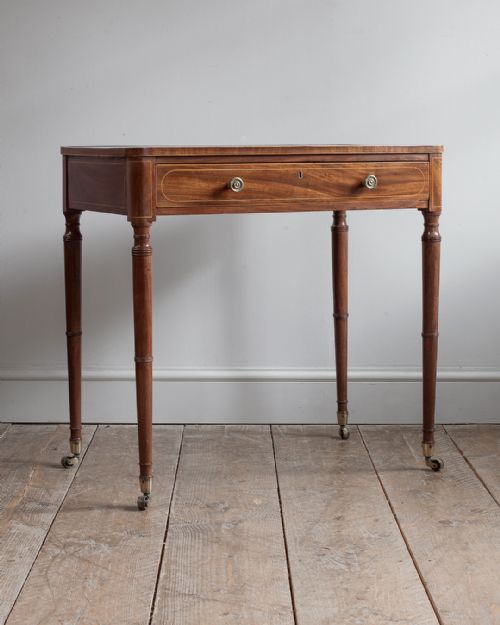
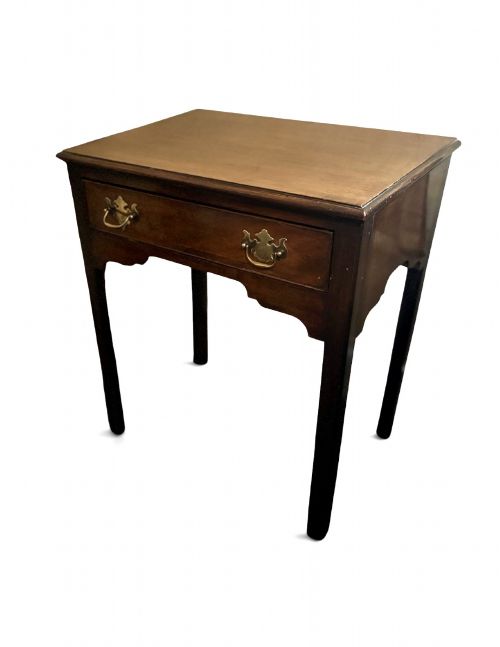
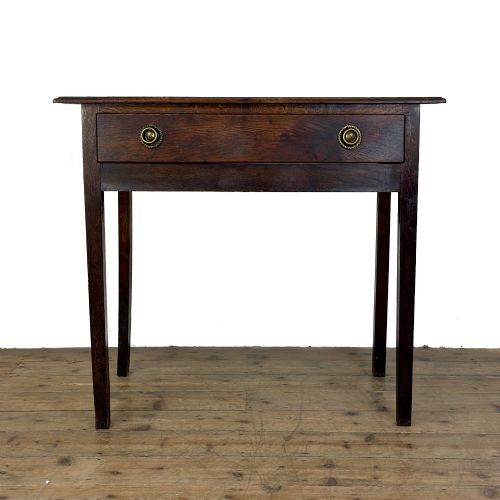
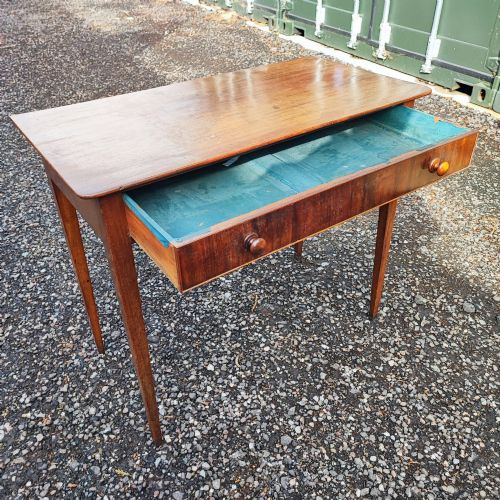
The version you are most likely to meet on this page is a mahogany or oak side table equipped with a single frieze drawer, often aligning with George II, George III, or Regency styles. These pieces function equally well as compact writing desks or occasional tables, showing the adaptable nature of period design.
Materials and Construction
Cabinet makers constructed these desks primarily using solid hardwoods such as mahogany, oak, and walnut, frequently incorporating secondary timbers like pine. Finer examples display thoughtful surface decoration, including boxwood inlay and satinwood accents, which highlight the grain of the primary wood.
Hardware played an essential role in practical function, with brass handles and pulls fitted to the single drawer. Many writing surfaces also incorporated leather inserts, providing a durable and smooth texture for daily correspondence.
The listings show materials spanning mahogany, oak, walnut, pine, yew wood, brass, leather, boxwood inlay, and satinwood across multiple centuries.
Judging Quality
The distinction between standard domestic furniture and finer examples rests upon timber selection and surface crispness. Pieces constructed from deeply figured mahogany or well-selected walnut command attention through the natural movement and warmth of the grain.
Proportion and execution of detail further separate the tiers. Refined instances demonstrate balanced dimensions, careful joinery around the single drawer, and subtle decorative elements like boxwood inlay that remain integrated rather than ostentatious.
The Georgian Single Drawer Desk Glossary
- Lowboy
- A small table with one or more drawers, typically used as a dressing table or side table during the eighteenth century.
- Frieze drawer
- A single drawer positioned directly beneath the top surface of a table, housed within the main frame.
- George III
- The stylistic period spanning the reign of King George III from seventeen sixty to eighteen twenty, characterised by classical restraint and refined proportions.
- Regency
- The stylistic period covering the early nineteenth century, known for drawing inspiration from classical antiquity.
Georgian Single Drawer Desk: Frequently Asked Questions
What distinguishes a lowboy from a writing table?
A lowboy traditionally served as a dressing or side table with a lower profile and one or more drawers.
Writing tables were specifically scaled for sitting and composing letters, often featuring kneehole spaces and integrated leather writing surfaces.
How do I place one in a modern room?
These compact desks fit easily into alcoves, hallways, or behind sofas where full-sized desks overwhelm the floor plan.
Their shallow depth allows them to function as dressing tables in bedrooms or functional writing spots in living areas.
Are these desks suitable for daily writing use?
Most single drawer desks offer adequate surface area for a laptop or notebook while keeping writing implements stored out of sight.
Consider the interior clearance of the single drawer and the floor-to-kneehole height to ensure comfortable seating.
How do I tell an 18th century piece from a 19th century copy?
Examine the timber shrinkage, interior drawer construction, and hand-cut joinery typical of eighteenth-century workshop methods.
Nineteenth-century interpretations often utilise machine-sawn secondary woods and display minor stylistic revivals characteristic of later decades.