



Georgian Silver Sugar Sifter
A georgian silver sugar sifter brings the refined ritual of sweetening tea and dessert into focus with pierced bowls and perforated domes.
Georgian Silver Sugar Sifter
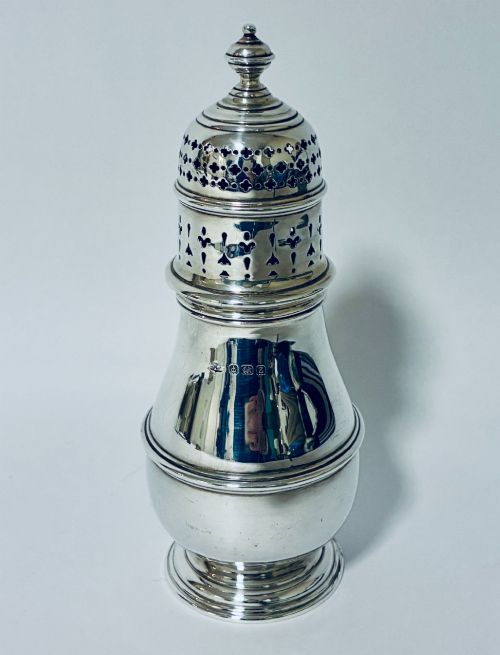
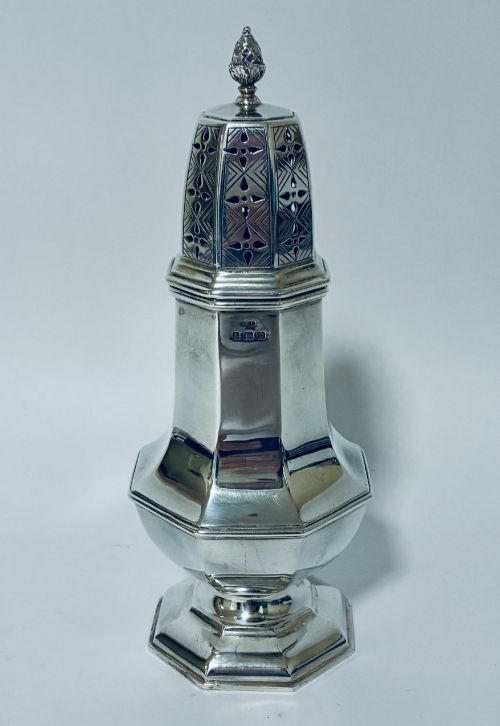
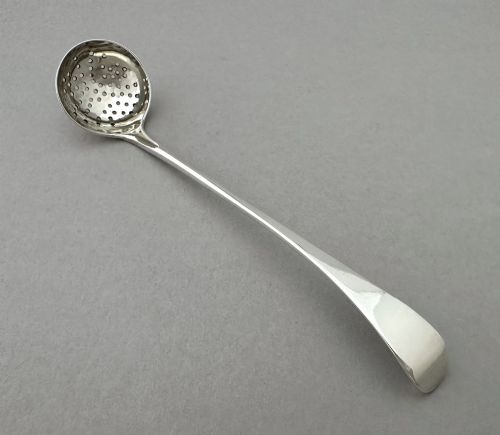
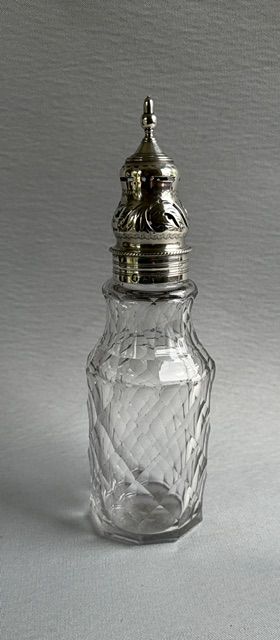
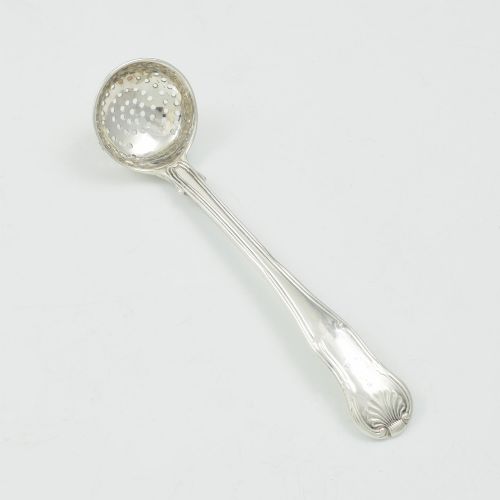
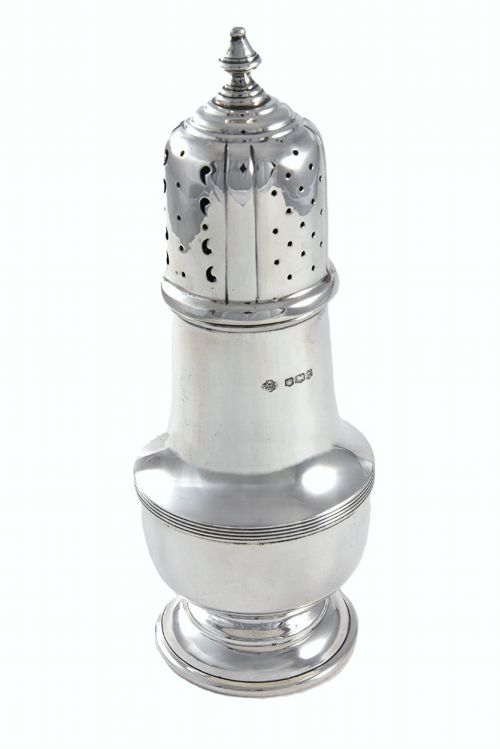
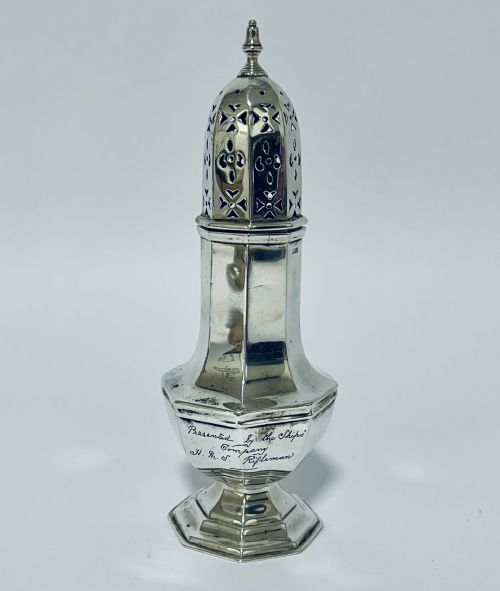
A georgian silver sugar sifter encompasses both tall pierced casters for dusting sugar and handled spoons designed to strain granular crystals. You will most frequently meet solid sterling silver spoons alongside pepper pots and muffineer casters originating from the Georgian period.
The inventory ranges from early George III table implements to later revival pieces that mimic earlier Georgian forms. Functional utensils span sugar casters, spice sifting ladles, and caddy spoons intended for daily domestic use.
How they were made
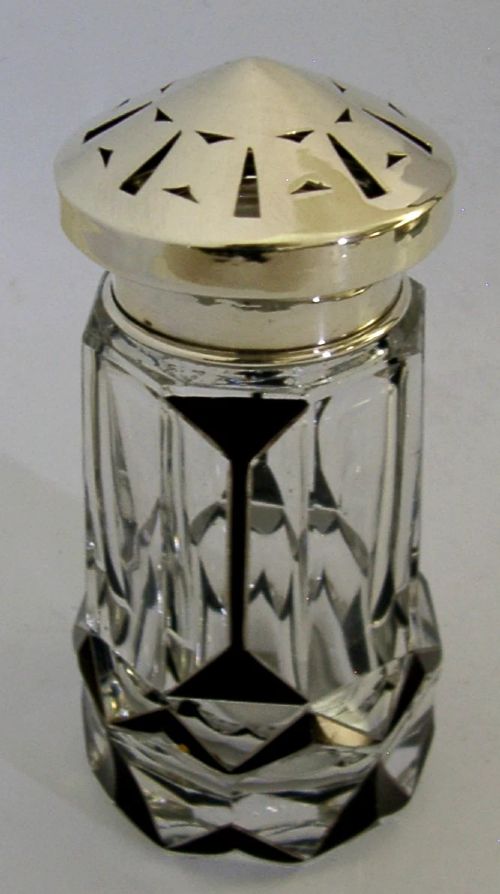
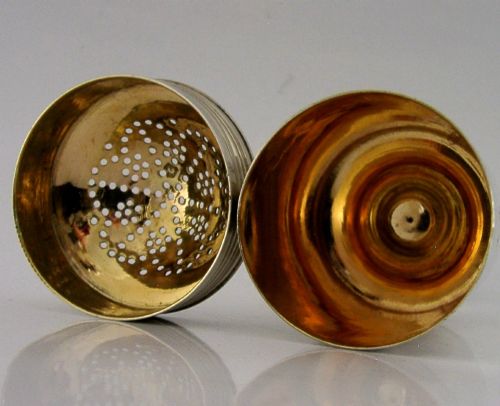
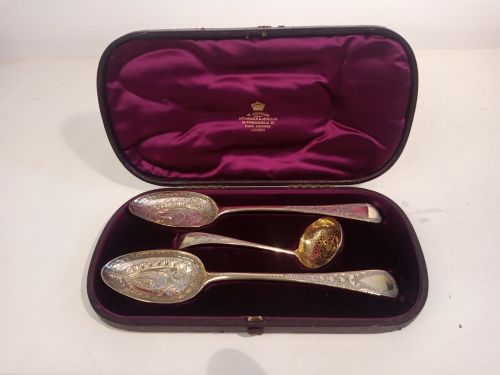
Makers shaped sterling silver through hammering and casting, often pairing the metal with cut glass bodies or applying vermeil and silver-gilt highlights. Pierced lids and bowl perforations were meticulously hand-cut or drilled to create symmetrical patterns for sifting.
Surface decoration frequently includes crest engravings, feather edge detailing, and enamel work found on later Art Deco variations. Handle construction incorporates classic patterns such as the Onslow and King's Hourglass designs.
Georgian Silver Sugar Sifter Retail Price Guide 2026
Typical asking prices for georgian silver sugar sifter among the pieces listed under this phrase on Sellingantiques today, from the lower quarter to the upper quarter. They describe what is for sale here now, not the wider market.
Listings feature sterling silver, cut glass, and enamel materials spanning the Georgian, Victorian, and Art Deco periods.
What varies in quality
Quality rests upon the crispness of the piercing in the sifter bowl or caster lid, where clean edges indicate skilled silversmithing. The gauge of the sterling silver dictates the weight and balance in the hand.
The clarity of hallmarks and the preservation of engraved family crests contribute to the distinction between standard domestic items and finer workshop examples.
Stephen Adams·The Barker Brothers
The Georgian Silver Sugar Sifter Glossary
- Muffineer
- A small caster used for sprinkling sugar or salt over muffins and other baked goods. These tall shakers feature perforated tops.
- Caster
- A cylindrical silver vessel with a pierced cover designed for dispensing powdered sugar or spices. Examples often sit on a moulded foot.
- Pounce pot
- A small container with a perforated lid used to sprinkle resin powder over unglazed paper. This prepares the surface for writing with ink.
- Vermeil
- Sterling silver plated with a thin layer of gold. This technique provides a rich yellow finish while retaining a silver core.
- Onslow pattern
- A distinctive eighteenth century spoon handle ending in a scrolled volute. It remains popular among collectors of early flatware.
Georgian Silver Sugar Sifter: Frequently Asked Questions
What is a sugar sifter?
A sugar sifter is either a pierced spoon or a shaker vessel designed to distribute refined sugar evenly over food.
These items date predominantly from the Georgian and Victorian eras when fine dining involved specialised silverware for every course.
How do I use a sifter spoon?
A sifter spoon is held over a dessert or teacup to let fine sugar crystals pass through the perforated bowl while retaining larger lumps.
They function well as serving utensils on a modern tea table or display sideboard.
How do I date a silver caster?
Dating relies upon the hallmarking stamped into the sterling silver, which records the assay office, date letter, and maker's mark.
Stylistic cues such as body shape and piercing patterns also help assign pieces to periods like George III or the Victorian revival.
Are cut glass sifters genuine?
Many nineteenth-century examples combine a sterling silver pierced top with a faceted cut glass body to hold the sugar.
These pieces offer a different visual weight compared to solid silver muffineers while serving the same function.