

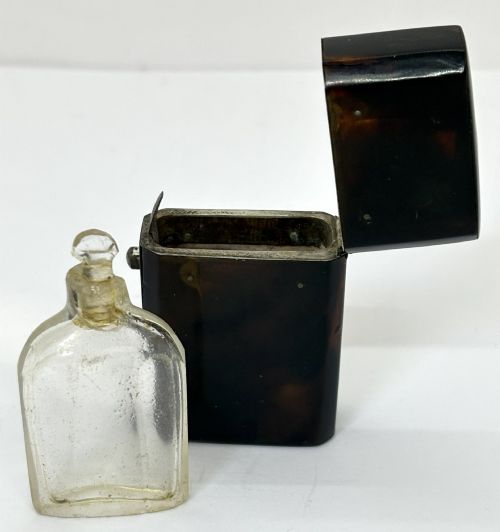


Georgian Silver Scent Box
A georgian silver scent box holds concentrated perfume or aromatic vinegar, offering a tactile pocket-sized luxury that collectors prize for miniature craftsmanship.
Georgian Silver Scent Box
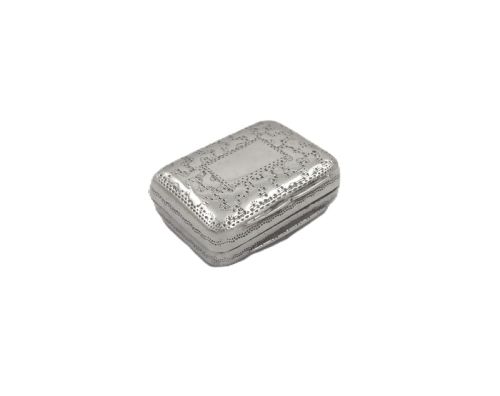
A georgian silver scent box encompasses delicate vinaigrettes, scent bottles, and tortoiseshell holders originating primarily from the Georgian and William IV periods. These small containers served a practical purpose in the eighteenth and nineteenth centuries, carrying pungent vinegars or perfumes to combat unpleasant odours.
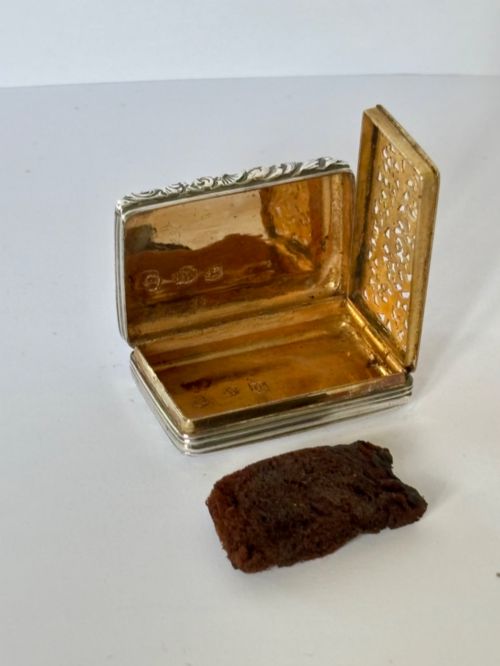
Vinaigrettes form the majority of the items on this page, distinguished from standard scent bottles by their internal pierced grille. This gilt inner grille allowed the aromatic sponge beneath to release scent while preventing direct contact with the liquid.
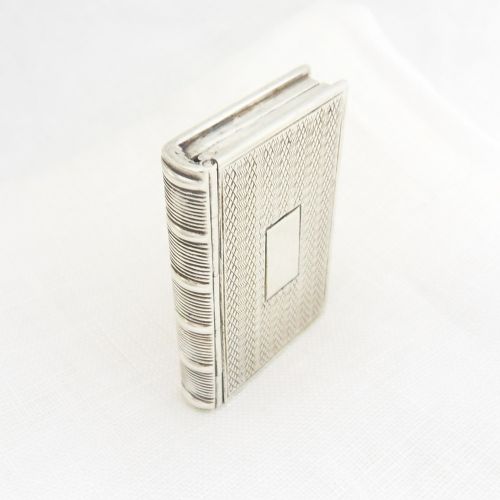
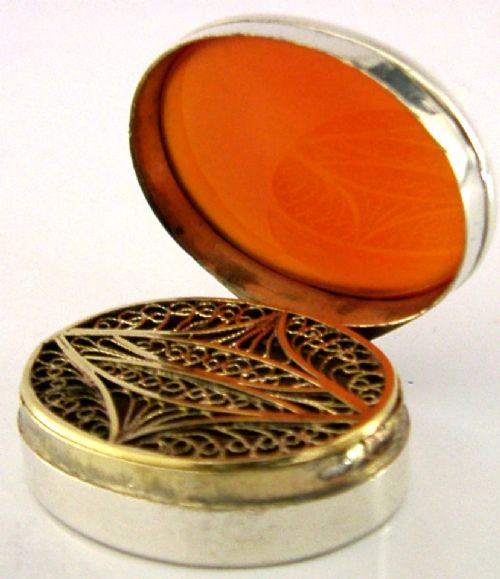
Forms vary from egg shapes and round boxes to novelty designs such as articulated fish, alongside panels inset with orange agate. Materials extend beyond plain sterling silver to include glass, gold plate, leather, and velvet linings.
How they were made
Silversmiths shaped sterling silver and silver-gilt through hammering, casting, and piercing, creating intricate floral or geometric patterns on internal grilles. Many pieces integrate natural minerals, mounting slices of orange agate securely into the silver lids or bases.
Tortoiseshell and glass work alongside the metal components, requiring skilled framing to join organic shell and delicate blown glass to silver collars. Gilded interiors, known as silver-gilt, protected the reactive silver from the corrosive properties of acidic vinegars.
Georgian Silver Scent Box Retail Price Guide 2026
Typical asking prices for georgian silver scent box among the pieces listed under this phrase on Sellingantiques today, from the lower quarter to the upper quarter. They describe what is for sale here now, not the wider market.
Listings feature sterling silver, tortoiseshell, and orange agate, spanning the Georgian, William IV, and Victorian periods.
What varies in quality
Quality rests upon the crispness of the chased exterior decoration and the intricacy of the pierced work on the internal grille. Superior examples display deeply pressed or hand-engraved motifs that remain sharp rather than worn smooth.
The integration of materials dictates distinction, particularly where natural stone like agate shows rich banding or tortoiseshell retains its warm translucency. Maker marks and clear hallmarks add historical substance, reflecting the standard of provincial or capital workshops.
John Bettridge·REILY AND STORER
The Georgian Silver Scent Box Glossary
- Silver-gilt
- Silver that has been coated with a thin layer of gold on its surface. This technique protected the underlying metal from tarnishing or corrosion.
- Agate
- A chalcedony mineral featuring natural concentric banding of various colours. Silversmiths set polished slices of this stone into box lids.
- Hallmark
- An official stamp applied to precious metals indicating the standard of purity, assay office, and date. These marks help identify the maker and year of production.
- Articulated
- Constructed in hinged sections that allow the body of the object to flex. This technique appears on novelty animal-shaped pieces.
Georgian Silver Scent Box: Frequently Asked Questions
What is a vinaigrette?
A vinaigrette is a small pocket container designed to hold a sponge soaked in vinegar or aromatics. Opening the hinged lid revealed a pierced metal grille that allowed the scent to diffuse.
These pieces were carried in pockets or handbags during the Georgian era. They served both as a personal fragrance accessory and a practical defence against foul odours in public spaces.
How do I date a silver piece?
Dating relies heavily upon the stamped hallmarks found on the metal components. These official marks usually include a date letter, a maker mark, and town marks that indicate where the item was assayed.
Stylistic clues also help establish a timeline. Pieces from the Georgian period often feature specific hand-chased motifs and distinct construction methods compared to later Victorian items.
How should I clean silver?
Silver boxes require gentle cleaning with a soft microfiber cloth to remove surface dust. Avoid abrasive dips or harsh commercial polishes that can strip away original gilding or damage delicate agate panels.
Store these items in a dry environment away from direct sunlight and humidity. If the piece includes tortoiseshell or velvet, keep moisture entirely away from those organic and fabric elements.
Why are some interiors gilded?
Silver-gilt interiors were used to prevent the acidic vinegar inside vinaigrettes from reacting with the pure sterling silver. Direct contact with vinegar would otherwise discolour and erode the metal over time.
This gold wash also provided a rich visual contrast when the box was opened. The bright golden interior highlights the fine piercing work of the inner grille.