

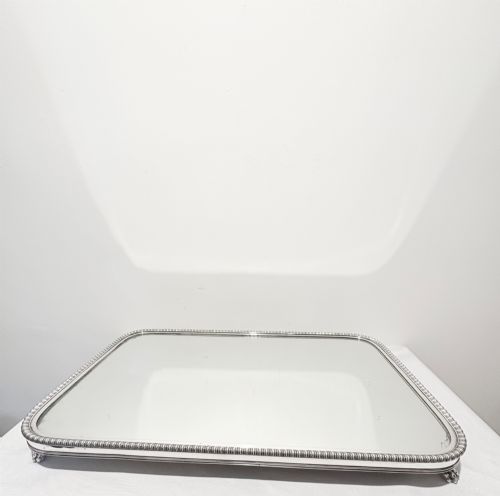
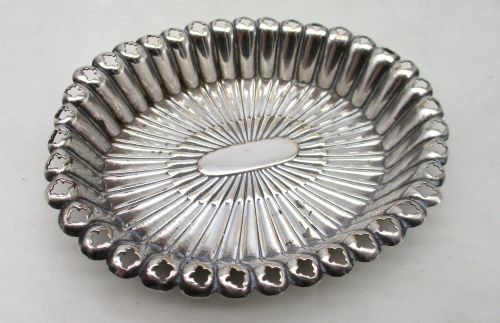


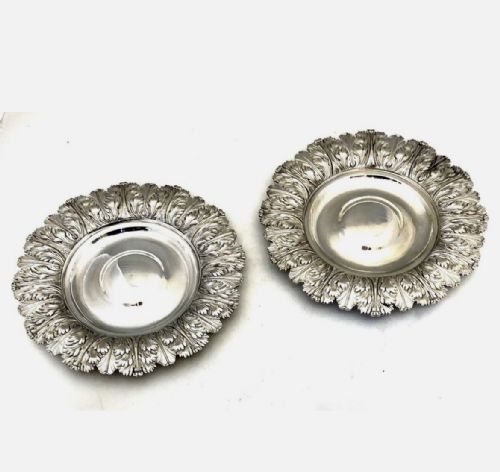


Georgian Silver Plated Tray
A georgian silver plated tray brings tactile history to a sideboard, offering the rich gleam of fused metal without the weight of solid silver.
Georgian Silver Plated Tray
When searching for a georgian silver plated tray, collectors encounter a variety of functional domestic forms spanning card trays, serving dishes, and desk accessories. The selection on this page demonstrates that these items frequently date from the eighteenth and nineteenth centuries, capturing the evolving domestic rituals of the period.
The most common examples take the form of Old Sheffield Plate card trays, pin trays, and larger serving pieces produced across the Georgian era and into the Victorian period. Alongside these trays, related items such as chamber candlesticks, inkstands, and mazarine draining plates appear within the wider grouping.
Origins span standard English manufacture alongside specific regional output, utilising copper cores fused with silver through traditional plating techniques. Buyers will find that forms range from small calling card receptacles to substantial gallery trays designed for formal entertaining.
Materials and fusion techniques
Makers constructed these pieces primarily by fusing a thin sheet of silver to a thicker copper core, a method that defines Old Sheffield Plate and distinguishes it from later electroplated wares. Artisans then shaped the resulting metal sheets by hand or pressed them into dies, often adding applied wire rims to conceal the exposed base metal at the edges.
For items requiring structural rigidity, such as knife trays and inkstands, smiths incorporated substantial copper foundations beneath the silver layer. Details like handles, feet, and decorative borders were frequently cast separately in silver or silver-plated metal and soldered onto the main body.
Georgian Silver Plated Tray Retail Price Guide 2026
Typical asking prices for georgian silver plated tray among the pieces listed under this phrase on Sellingantiques today, from the lower quarter to the upper quarter. They describe what is for sale here now, not the wider market.
Object forms include calling card trays, inkstands, chamber candlesticks, and mazarine draining plates across multiple styles.
Distinctions in craftsmanship and wear
Quality rests in the crispness of chased or engraved ornament and the discretion with which the underlying copper shows through worn silver highlights. Pieces produced by skilled workshops maintain structural integrity in their soldered joints and gallery rails, whereas lesser examples suffer from distortion or heavy base metal telegraphing.
The sophistication of the applied borders and the weight of the metal blank separate utilitarian items from high-status display pieces. Finer examples retain their original proportions and surface crispness, showing honest signs of age rather than structural compromise.
Creswick·Walker Knowles·George Cooper·Samuel Hennell·Daniel Holy of Sheffield·James Fray
The Georgian Silver Plated Tray Glossary
- Old Sheffield Plate
- A composite material made by fusing a sheet of silver to a copper ingot before rolling them into sheets together. This technique predates nineteenth-century electroplating.
- Mazarine
- A pierced insert or draining plate designed to sit inside a serving dish to keep food clear of juices. These plates often feature geometric piercing patterns.
- Gallery Tray
- A tray featuring an openwork or pierced metal gallery rim attached to the perimeter to secure glassware and decanters. Such rims are frequently assembled from stamped components.
- Salver
- A flat serving vessel, usually raised on feet, used for presenting letters, glasses, or calling cards. They form a core category among domestic silver and plated wares.
- Alms Dish
- A shallow basin historically used for collecting church offerings or presenting gifts. These metal dishes often display heraldic engraving or plain borders.
Georgian Silver Plated Tray: Frequently Asked Questions
What is Old Sheffield Plate?
Old Sheffield Plate is an early composite material created by fusing silver to a copper base before rolling them into workable sheets. This mechanical fusion process creates a distinct appearance that differs from later chemical plating methods.
Items made this way often reveal a thin line of copper along cut edges or areas of heavy friction, which collectors value as a sign of authenticity.
How were these trays used?
These pieces served practical roles in domestic households, from holding calling cards left by visitors to carrying decanters, writing equipment, or cutlery. Smaller examples functioned as pin trays or desk accessories.
Larger versions were brought out during formal meals and evening gatherings to serve drinks or manage table service.
How do I care for plated trays?
Maintenance requires gentle cleaning with non-abrasive silver cloths and mild cleaning agents to preserve the thin silver layer over the copper core. Avoid aggressive commercial dips that can strip the remaining silver surface.
Store the items in stable humidity conditions to prevent tarnish accumulation and protect the soldered joints from stress.
How can I tell periods apart?
Stylistic shifts in borders, feet, and engraving styles help distinguish eighteenth-century items from nineteenth-century productions. Earlier pieces often display hand-beaten elements and simpler soldered joints.
Later Victorian interpretations tend to incorporate heavier stamped decoration and different core metal characteristics as manufacturing technology evolved.