

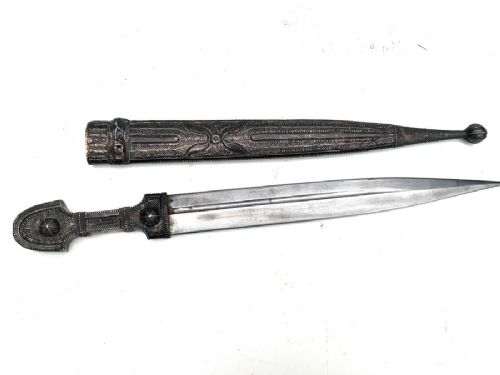
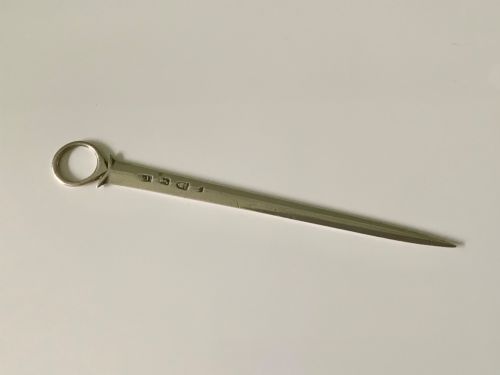


Georgian Silver Knives
Georgian silver knives are functional pieces of dining and desk ware combining precious metal with steel blades, offering tactile history for the modern table.
Georgian Silver Knives
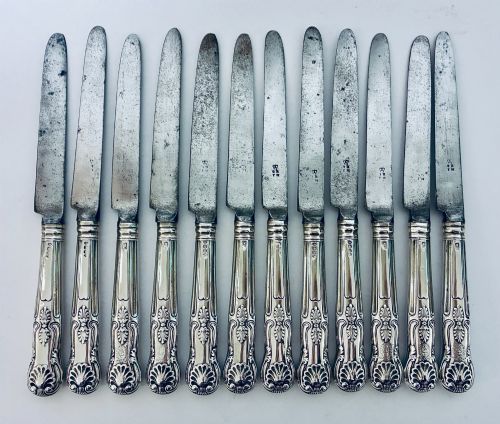
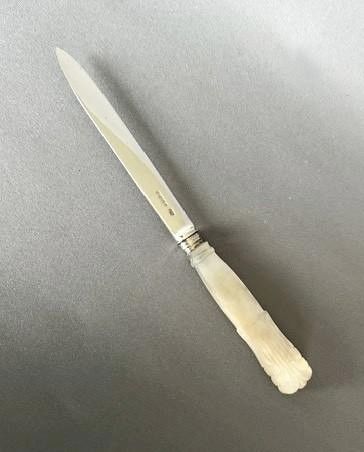
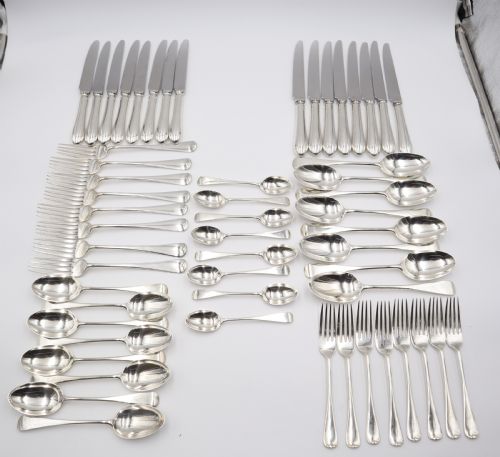
When you search for georgian silver knives, you encounter a selection of dining utensils, folding fruit forks, and desk accessories produced during the late eighteenth and early nineteenth centuries. These objects reflect the refined dining customs and personal stationery habits of the period, ranging from individual folding pieces to parts of larger cutlery services.
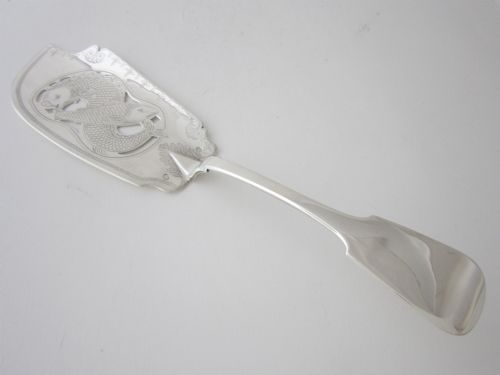
The items most frequently met on this page include items associated with dining and letter opening, alongside related tableware such as meat skewers, fish slices, and fitted cutlery boxes. Makers applied precious metal mounts to functional forms, combining utility with decorative presence.
How they were made
Makers utilised sterling silver and silver plate alongside steel for cutting edges, ensuring durability for daily use at the table or desk. Handles incorporate organic materials such as agate or woods including satinwood, mahogany, and walnut.
Techniques involved forming silver mounts and handles, stamping patterns such as Fiddle or Coburg, and integrating steel blades or tines. Wooden containers and trays received careful attention through satinwood veneers, brass accents, and fitted interiors.
Georgian Silver Knives Retail Price Guide 2026
Typical asking prices for georgian silver knives among the pieces listed under this phrase on Sellingantiques today, from the lower quarter to the upper quarter. They describe what is for sale here now, not the wider market.
Listings feature items spanning the Georgian, Regency, and Victorian periods, incorporating materials such as silver, steel, copper, and satinwood.
What varies in quality
The distinction between standard examples and finer pieces lies in the crispness of the handle chasing, the harmony of the silver mounts against wood or stone, and the preservation of original makers' marks. Superior items display balanced proportions and crisp pattern definition, whether in flatware handles or fitted stationary boxes.
Material selection also dictates overall merit, where solid sterling silver elements and choice secondary woods demonstrate higher levels of initial craftsmanship. Patina acquired over centuries adds visual depth to better-preserved specimens.
Creswick·Walker Knowles·Moses Brent
The Georgian Silver Knives Glossary
- Sterling silver
- An alloy containing a high proportion of silver combined with other metals to ensure structural strength for cutlery and tableware. This material forms the primary metal component for quality Georgian items.
- Old Sheffield Plated
- A composite material made by fusing a thin sheet of silver to a thicker copper base under heat. This technique predates modern electroplating and appears on larger serving trays.
- Fiddle Pattern
- A nineteenth-century flatware design characterised by a stem shaped like a fiddle or violin. It remains a standard identifier for British dining silver.
- Coburg pattern
- A decorative silverware motif featuring raised ornamentation along the handle edge. This style denotes high-end formal tableware sets.
- Campaign cutlery set
- Portable dining implements designed for travel and military use during the late eighteenth and early nineteenth centuries. These sets pack compactly into fitted cases.
Georgian Silver Knives: Frequently Asked Questions
What are georgian silver knives?
Georgian silver knives comprise cutting implements and folding utensils produced during the eighteenth and nineteenth centuries. They combine precious metal handles with functional steel blades.
These pieces reflect the formal dining practices and personal correspondence habits of the period. Collectors encounter them as individual items or paired within larger cutlery services.
How were old sheffield plated trays made?
Old Sheffield plating involves fusing a thin layer of silver onto a copper core using heat and pressure. This technique created durable tableware before the invention of electroplating.
Trays and serving pieces made this way show subtle traces of copper where the silver layer wore thin through generations of polishing.
How do I care for antique silver cutlery?
Antique silver cutlery requires gentle hand washing with mild soap and warm water immediately after use. Avoid abrasive cloths or modern chemical dips that strip the aged patina.
Store pieces in dry conditions, ideally within lined wooden boxes or anti-tarnish rolls, to protect the delicate silver mounts and steel blades from moisture.
How do I identify a georgian period piece?
Identification relies on examining maker marks, assay office stamps, and stylistic details such as handle shapes and engraving techniques. The presence of specific patterns like Fiddle or Coburg aids dating.
Comparing construction methods against documented examples from the late eighteenth and early nineteenth centuries confirms the period of manufacture.