

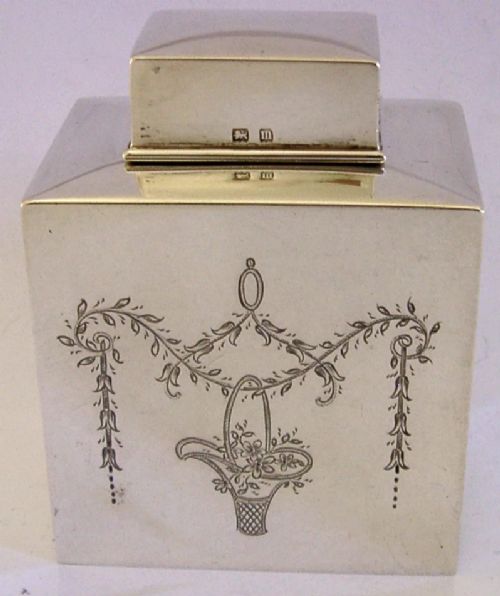
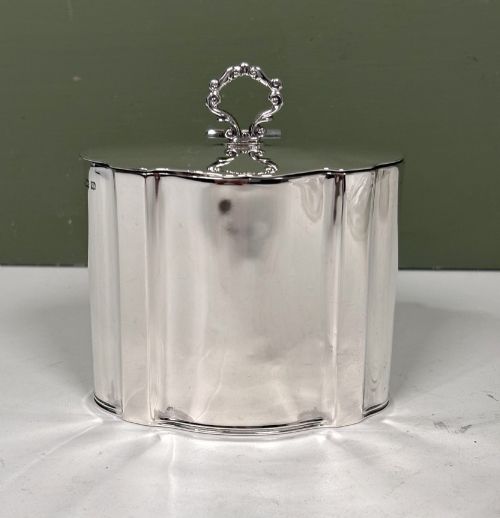
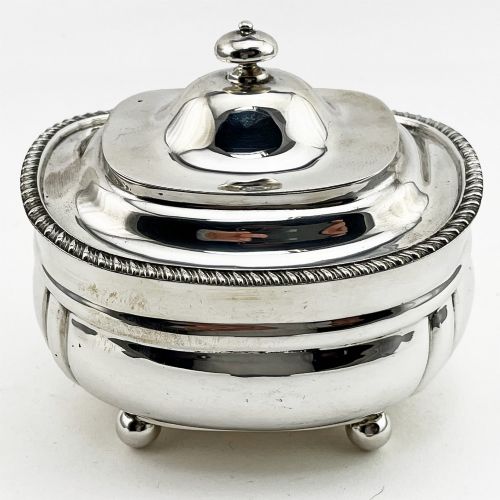


Georgian Silver Jar
A georgian silver jar brings the weight of tea caddies and mustard pots directly to your table, prized for their genuine period craftsmanship.
Georgian Silver Jar
When you search for georgian silver jar, you encounter tea caddies, biscuit boxes, mustard pots, inkwells, and dressing table sets that reflect centuries of domestic silver production. The items span multiple eras, encompassing genuine Georgian work alongside Edwardian and 20th century revivals.
The tea caddy stands out as the most frequent form among these listings, alongside practical mustard pots and inkwells. These vessels utilise sterling silver, solid silver, and old Sheffield plate, often paired with cut glass or ebonised wood.
Makers such as Zimmermann, Goldsmiths and Silversmiths Co., and Jonathan Douglas appear alongside pieces carrying specific dates from the 18th century onward. The selection balances authentic Georgian origins with later George V interpretations and revival styles.
Materials and Construction
Silversmiths of the period employed solid sterling silver and heavy gauge silver plate over copper bases to create rigid, durable containers. Old Sheffield plate provides a characteristic layered metal structure visible in specific caddies.
Interior components often incorporate cut glass and ebonised wood to complement the exterior metalwork. Surface decoration ranges from plain polished silver to intricate neoclassical engraving and silver gilt applications.
Georgian Silver Jar Retail Price Guide 2026
Typical asking prices for georgian silver jar among the pieces listed under this phrase on Sellingantiques today, from the lower quarter to the upper quarter. They describe what is for sale here now, not the wider market.
The documented periods span the Georgian era, the 19th century, the Edwardian period, and the 1910s and 1920s.
Assessing Quality and Execution
The distinction between standard items and superior examples rests upon the heaviness of the silver gauge and the crispness of maker's marks. Pieces bearing named makers such as Zimmermann or the Goldsmiths and Silversmiths Co. demonstrate higher standards of workshop execution.
Engraved crests, such as the stag crest found on dressing table sets, indicate bespoke commissioning that elevates the piece above standard commercial stock. The integrity of hinges, lids, and fitted wooden or glass inserts further distinguishes finer examples.
Zimmermann·Goldsmiths and Silversmiths Co.·Jonathan Douglas
The Georgian Silver Jar Glossary
- Sterling silver
- An alloy containing a high proportion of pure silver by weight, standard for quality British plate and hollowware.
- Silver gilt
- Silver that has been coated with a thin layer of gold on its surface, frequently found on the interior of inkwells and mustard pots.
- Old Sheffield plate
- A composite material formed by fusing a sheet of silver to a copper base, utilised before the invention of electroplating.
- Tea caddy
- A small storage box or jar originally designed for keeping loose tea leaves locked away securely.
Georgian Silver Jar: Frequently Asked Questions
What is a georgian silver jar?
A georgian silver jar typically refers to functional silver vessels such as tea caddies, biscuit boxes, and mustard pots dating from the Georgian era or later revivals. These containers served domestic purposes in wealthier households.
They frequently feature hallmarks denoting the assay office and year of creation, alongside makers' marks indicating the silversmith workshop responsible for the fabrication.
How were silver tea caddies used?
Tea caddies held valuable tea leaves under lock and key in the formal dining rooms and parlours of period homes. The containers protected the dry leaves from moisture and loss.
Many designs included internal compartments or fitted lids to portion out the tea leaves properly before brewing.
How do I care for silver jars?
Maintain these metal surfaces with minimal, gentle cleaning using appropriate silver cloths to preserve the underlying metal and any applied hallmarks. Avoid harsh chemical dips that strip away desirable patination.
Store the items in stable humidity conditions away from direct heat sources to protect any accompanying glass liners or ebonised wood elements.
How can I tell the period?
Hallmarks stamped directly into the silver provide the most reliable method for dating these items, showing specific letters for assay years and maker initials. Stylistic indicators like neoclassical borders or Georgian revival motifs also help determine the era of manufacture.
Comparing construction techniques and the presence of old Sheffield plate versus solid sterling silver assists in separating 18th century originals from later 20th century reproductions.